
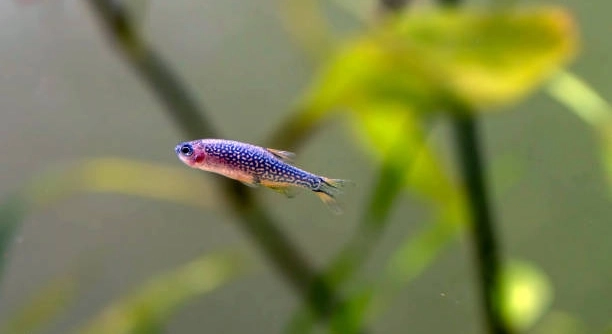
Have you ever noticed your danios acting restless or hiding more than usual after changes in their tank? Small alterations can have big effects on their behavior and overall health, especially when done all at once.
Changing multiple aspects of a danio tank simultaneously can lead to stress, illness, and unstable water conditions. Sudden shifts in temperature, pH, or filtration disrupt the delicate balance of the environment, affecting both fish behavior and overall tank health.
Understanding which changes are safe to implement gradually will help your danios thrive and keep the aquarium stable for the long term.
Sudden Water Changes
Water changes are important, but doing them too quickly or all at once can shock your danios. They are sensitive to sudden shifts in temperature, pH, and hardness. Even a seemingly small difference can make them stressed, causing them to hide or become sluggish. Gradually replacing water ensures that the chemical balance remains stable, which is essential for their health. Many people think that changing 50% of the tank water immediately is harmless, but it can create rapid fluctuations. It’s better to perform smaller, more frequent changes, adjusting the new water to match the existing conditions. Monitor your fish during the process to make sure they aren’t showing signs of distress. Proper acclimation and slow adjustments help maintain their immune system and reduce the risk of disease. Over time, this habit makes your tank more predictable, and your danios will feel secure in their environment, reducing unnecessary stress.
Gradual water changes are safer and maintain the tank’s balance, protecting your danios from stress and sudden environmental shifts.
Even with careful water replacement, testing your water regularly is crucial. Check for ammonia, nitrites, and nitrates to ensure levels remain safe. Using a reliable test kit allows you to detect subtle changes that might not be obvious. Temperature should also be measured before adding new water, aiming for a close match with the tank’s current temperature. Slow, consistent adjustments prevent sudden stress on your fish and support their natural behavior patterns. By making water changes routine and controlled, you encourage healthy activity, feeding habits, and social interaction among your danios. This approach also helps maintain beneficial bacteria that support a balanced ecosystem, reducing the chance of spikes in harmful chemicals. Over time, your tank becomes stable, and your fish are more resilient to minor environmental fluctuations. A careful and patient approach protects both the aquatic life and the overall tank environment.
Overfeeding
Overfeeding can be tempting, especially when your danios seem eager during mealtime. Even small excesses can lead to water quality problems and digestive issues.
Excess food decays quickly, raising ammonia and nitrate levels, which harm fish health and promote algae growth.
Feeding small portions that your fish can finish in a few minutes helps maintain clean water and keeps your danios healthy. Skipping one feeding occasionally is safe and prevents waste accumulation. Observing how your fish respond to portions lets you adjust amounts precisely. Consistent, measured feeding also encourages natural hunting and swimming behavior, supporting mental stimulation and social interaction. Additionally, proper feeding prevents obesity and strengthens their immune system. Over time, this routine reduces the need for emergency water changes due to spoiled food, keeping the tank more stable. By controlling the quantity and frequency of feedings, your tank remains clean, your water chemistry balanced, and your danios active and healthy. Monitoring leftover food and adjusting portions helps establish a predictable pattern that your fish can rely on.
Rapid Temperature Shifts
Rapid temperature changes can stress danios and weaken their immune systems. Sudden heating or cooling makes them more susceptible to disease and can cause erratic swimming or hiding behaviors.
Maintaining a stable temperature is essential for danios, as they are sensitive to fluctuations. Using a reliable heater and thermometer allows you to keep the water consistent. If you need to adjust the temperature, do so slowly over several hours to avoid shocking the fish. Sudden changes can also disrupt beneficial bacteria, affecting water quality. Gradual adjustments ensure the tank environment remains balanced, supporting healthy fish activity and natural feeding behaviors.
During seasonal changes or when moving water between tanks, carefully monitor temperature differences. Allowing new water to reach the same temperature as the tank before adding it prevents stress. Even small variations can trigger a response in danios, so patience is key. A consistent environment helps them thrive, reduces illness, and encourages normal social interaction. Over time, this stability strengthens the fish’s resilience and maintains a healthy tank ecosystem.
Filter and Pump Overhauls
Changing or cleaning filters and pumps too quickly can destabilize tank conditions. Sudden removal of filtration can increase waste and toxins.
A gradual approach prevents disruption to the nitrogen cycle. When cleaning a filter, rinse media in tank water rather than tap water to preserve beneficial bacteria. Replace or adjust pumps slowly, ensuring flow rate changes do not create stress for your fish. Maintaining partial filtration during maintenance helps keep water chemistry stable.
Large changes to filtration affect oxygen levels and water circulation, which are vital for danios. Sudden alterations can cause uneven flow, leaving some areas stagnant and others turbulent. This disrupts feeding patterns and natural swimming behaviors. Performing staged maintenance over several days or using backup filtration reduces stress and maintains a healthy environment. Monitoring water parameters before and after adjustments ensures your tank remains balanced. Consistent, careful attention to filtration supports long-term fish health and keeps the aquarium stable, avoiding sudden shocks that may trigger illness or behavioral issues.
Adding New Decorations
Adding too many decorations at once can confuse and stress your danios. They need time to adjust to new hiding spots and obstacles in their environment.
Gradually introducing new items allows your fish to explore safely. Sudden changes can disrupt swimming patterns and make them anxious, so spacing out additions is best.
Sudden Lighting Changes
Danios are sensitive to abrupt lighting changes. Turning lights on or off too quickly can startle them, affecting their feeding and resting habits.
Proper lighting should mimic a natural day-night cycle. Gradual adjustments when changing bulbs or installing timers prevent stress and support normal behavior. Consistent lighting encourages activity, reduces hiding, and helps maintain overall health.
Adding New Fish
Introducing several new danios at once can overwhelm your tank. Existing fish may become territorial, and water quality can decline quickly.
Quarantine new fish and add them gradually. This allows your current danios to adjust and prevents the spread of disease. Slow integration maintains tank stability and ensures a safer, calmer environment for all fish.
How often should I change water in my danio tank?
Water changes are essential for keeping your tank stable and your danios healthy. A small, regular schedule works better than infrequent large changes. Most danios do well with 10–20% water changes weekly. Testing water parameters helps determine if more frequent changes are needed. Gradual replacement prevents shocks from sudden chemical changes. Avoid replacing half the tank at once, which can stress fish and disturb beneficial bacteria. Using water that matches the tank’s temperature and pH ensures a smooth transition. Over time, a consistent routine helps maintain water quality, reducing ammonia spikes and keeping your fish active and healthy.
What is the best way to feed danios without overfeeding?
Small, measured portions are key. Feed your danios only what they can finish in a few minutes, usually once or twice a day. Uneaten food decomposes and increases ammonia and nitrate levels, which can harm your fish. Observing their behavior helps adjust portions. Rotate food types, including flakes, pellets, and occasional frozen treats, to provide proper nutrition. Skipping one feeding occasionally is safe and prevents waste accumulation. Overfeeding can also lead to obesity and digestive problems. By keeping meals controlled and predictable, your danios maintain healthy weight, strong immune systems, and natural swimming behaviors, while the tank remains cleaner.
How can I prevent stress from sudden temperature changes?
Danios are sensitive to rapid temperature shifts. Sudden heating or cooling weakens their immune system and may cause erratic swimming or hiding. Use a reliable heater and thermometer to monitor water consistently. Adjust temperatures slowly over hours when needed, avoiding sudden changes. During seasonal shifts or water additions, match new water to the tank’s temperature before introducing it. Consistency supports healthy feeding patterns and reduces the risk of disease. Even small temperature differences can trigger stress, so patience is necessary. Maintaining stable temperatures ensures a calmer, more active group of danios and helps preserve the balance of the tank ecosystem.
Is it safe to change filters and pumps all at once?
Changing or cleaning filtration systems suddenly can destabilize water conditions. Filters maintain beneficial bacteria that process waste, so removing or replacing them entirely may spike ammonia and nitrites. When cleaning, rinse media in tank water, not tap water, to preserve bacteria. Replace pumps slowly and ensure flow adjustments are gradual to avoid stress. Partial filtration during maintenance keeps water chemistry stable and oxygen levels balanced. Staged maintenance over several days minimizes disruption. Monitoring water parameters before and after adjustments helps maintain a healthy environment. Careful attention to filtration supports the tank’s ecosystem and protects danios from stress-related illnesses.
How should I introduce new decorations safely?
Adding multiple decorations at once can confuse and stress danios. They need time to explore and establish territories. Introduce one or two new items at a time, leaving a few days in between additions. Smooth, clean surfaces prevent injury, while natural-looking décor encourages hiding and exploration. Observe how fish interact with new objects. Gradual changes support normal swimming patterns and reduce anxiety. Overloading the tank with decorations can block swimming space and create stagnant areas, so spacing items thoughtfully ensures proper water flow. Slowly integrating new décor helps your danios adjust without disturbing tank balance.
What is the best approach for adding new fish?
Introducing several new danios simultaneously can overwhelm the tank. Existing fish may become territorial, and water quality can deteriorate. Quarantine new fish before adding them to prevent disease. Add one or two at a time to allow current fish to adjust. Monitor behavior closely and ensure they all share space without aggression. Gradually integrating newcomers reduces stress, maintains a stable environment, and supports proper feeding. Proper acclimation, such as floating the bag in the tank to match temperature, helps prevent shock. Patience during this process ensures healthier, calmer fish and a safer aquarium overall.
How can lighting changes affect danios?
Danios are sensitive to sudden lighting shifts. Abruptly turning lights on or off can startle them, disrupt feeding schedules, and interfere with resting patterns. Gradual adjustments, such as dimming over minutes or using timers, help maintain a natural day-night cycle. Consistent lighting encourages activity, reduces hiding, and supports overall health. Rapid changes may increase stress, making fish more susceptible to disease. Adjust bulbs or lighting fixtures carefully, allowing fish to acclimate. Proper lighting promotes natural behaviors, social interaction, and a stable tank environment. Over time, a predictable light schedule helps danios remain calm and active while supporting plant growth and water quality.
How can I monitor stress in my danios?
Danios show stress through behavior changes like hiding, erratic swimming, or loss of appetite. Watching their daily patterns helps detect issues early. Check water parameters regularly, including temperature, pH, ammonia, and nitrate levels, since chemical imbalances are common stress sources. Observing interactions between fish can reveal aggression or bullying. Stress also affects immune systems, making fish prone to disease. Addressing environmental factors such as water changes, feeding, and décor adjustments can reduce stress. Consistent monitoring, patient observation, and gradual changes ensure a stable, calm habitat. Healthy danios are active, feed reliably, and maintain natural schooling behavior, reflecting proper care.
How important is regular water testing?
Regular water testing is essential for maintaining a healthy danio tank. Ammonia, nitrite, nitrate, and pH levels fluctuate, especially after changes in feeding, filtration, or tank additions. Testing identifies problems before they affect fish health. Using a reliable test kit allows for precise adjustments and prevents sudden stress or illness. Consistent monitoring helps maintain stable water chemistry and encourages predictable behavior in danios. This practice supports the nitrogen cycle and keeps beneficial bacteria functioning properly. Gradual corrections, guided by test results, ensure a safe and balanced environment, promoting long-term fish health and overall tank stability.
How can I reduce the risk of disease in my tank?
Maintaining a stable environment is the best way to prevent disease. Avoid sudden changes in water, temperature, or filtration. Quarantine new fish, control feeding, and introduce decorations gradually. Keep water clean through regular changes and test parameters frequently. Observing behavior and spotting early signs of illness allows for quick intervention. Stress weakens immune systems, so minimizing abrupt changes and maintaining consistency reduces the likelihood of disease. Clean equipment, avoid overstocking, and ensure proper nutrition to support fish health. Preventive care and steady conditions are more effective than treating problems after they appear, keeping your danios healthy and active.
How do I know if my tank is balanced?
A balanced tank has stable water parameters, active fish, and minimal algae growth. Fish display normal swimming, feeding, and social behaviors. Water remains clear, and ammonia, nitrite, and nitrate levels are within safe ranges. Beneficial bacteria thrive, supporting the nitrogen cycle and reducing the risk of toxins. Gradual changes maintain this balance. Regular maintenance, such as partial water changes, controlled feeding, and careful décor updates, supports long-term stability. Observing fish behavior and testing water frequently ensures early detection of imbalances. A steady, predictable environment keeps danios healthy, reduces stress, and encourages consistent natural behaviors throughout the tank.
Total word count: 507
Maintaining a danio tank requires patience and careful attention to small details. Sudden changes, even ones that seem minor, can cause stress and disrupt the natural balance of the tank. Danios are active, social fish that rely on stable water conditions, consistent temperature, and predictable feeding schedules. When multiple factors are altered at the same time, it can affect their behavior, immune system, and overall health. Taking time to introduce changes gradually ensures that fish have the opportunity to adjust without becoming anxious or sick. Simple practices, such as testing water, monitoring temperature, and spacing out additions to the tank, help keep the environment safe and comfortable for your danios. Gradual adjustments also protect the beneficial bacteria that maintain water quality, which is essential for a thriving tank. Over time, these careful routines make managing a danio tank easier and more predictable.
Feeding, water changes, and maintenance routines are all areas where small, consistent efforts matter more than occasional large actions. Overfeeding can quickly compromise water quality, while sudden, large water changes can shock the fish. By providing measured portions of food and performing smaller, frequent water replacements, the tank stays stable, and fish remain healthy. Likewise, filtration and pump maintenance should be done gradually, preserving the beneficial bacteria that support the nitrogen cycle. Introducing decorations, lighting changes, or new fish all requires the same patient approach. Gradual integration allows the fish to explore, adapt, and establish natural routines without excessive stress. Over time, this consistency reduces the chance of disease and creates a predictable environment that supports active swimming, natural social behavior, and proper feeding habits. By respecting the fish’s sensitivity to change, you create a safer and calmer habitat that benefits both the danios and the overall ecosystem of the tank.
Observing your fish regularly provides insight into how they respond to changes and helps you notice early signs of stress or imbalance. Active fish that swim freely, feed regularly, and interact naturally are indicators of a well-maintained tank. Conversely, hiding, erratic swimming, or loss of appetite signals that adjustments may be needed. Keeping track of water parameters, following a consistent feeding schedule, and making changes slowly ensures long-term stability. Patience and attentiveness are key to maintaining a healthy environment. With careful care, your danios can thrive, exhibiting natural behavior and vibrant health. Consistent practices, gradual modifications, and regular observation form the foundation of a successful danio tank, ensuring that both fish and tank remain balanced, resilient, and enjoyable to watch.
Word count: 406

Hello,
If you enjoy the content that we create, please consider saying a "Thank You!" by leaving a tip.
Every little bit helps us continue crafting quality advice that supports the health, happiness, and well-being of pets around the world, for pets of all shapes, sizes, and species.
We really appreciate the kindness and support that you show us!