
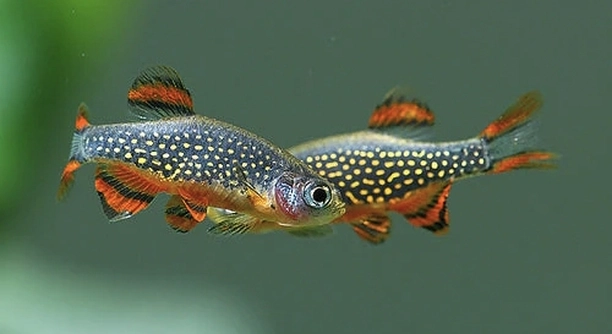
Danios are lively, small fish that brighten any aquarium. Observing their natural behavior can be both fascinating and rewarding for hobbyists interested in breeding and fish care. Knowing what to look for makes the experience more engaging and informative.
Danio mating behavior can be identified through several observable signs. Key indicators include increased chasing, chasing displays alternating with quick darting movements, color intensification in males, preparation of spawning sites, and frequent nudging of females. Recognizing these behaviors allows for accurate identification.
Recognizing these patterns helps ensure successful breeding and maintains a healthy aquarium environment for your danios. Learning the signs can improve your care techniques.
Increased Chasing and Darting
When danios are preparing to mate, one of the first behaviors you may notice is a sudden increase in chasing and darting around the tank. Males often follow females closely, making quick, sudden movements. These chases can appear playful at first but are a clear sign of reproductive activity. During this time, the fish may swim in tight circles or zigzag rapidly, sometimes bumping gently into other tank mates. Observing this behavior consistently over several days can help confirm that mating is imminent. The intensity and frequency of these movements usually increase in the early morning when danios are most active. Tank conditions, such as water temperature and cleanliness, can influence how often these chases occur. Ensuring a calm environment without excessive stress is important for allowing natural mating behaviors to appear. Watching the interactions carefully provides insight into social dynamics and compatibility among the fish, which can also affect successful breeding.
These chases are natural and indicate healthy, active fish. Male danios use this behavior to court females effectively.
Tracking the patterns of chasing and darting can help determine the best time to separate tank sections or provide additional hiding spaces. It also gives insight into which males are more dominant or successful in attracting females. By observing consistently, you can identify individual behaviors and prepare for potential spawning events. Noticing subtle differences, like how long a male follows a female or how the female reacts, provides valuable information for ensuring that both partners are comfortable. This understanding helps maintain a balanced tank where fish stress is minimized, and reproduction can occur naturally. Timing feeding and adjusting environmental factors during this period can further enhance the likelihood of successful mating, making observation both practical and rewarding.
Color Intensification in Males
Male danios often display brighter, more vivid colors during mating periods.
This change in coloration signals readiness and attracts females. Bright colors are typically most noticeable along the body, fins, and sometimes the head region. Color intensity varies by species and individual, with dominant males showing the strongest visual cues. The shift is not permanent and usually fades after the mating period concludes. Observing these changes alongside other behaviors, like chasing and nudging, provides a clearer picture of reproductive activity. Tank lighting can enhance the visibility of these colors, making it easier to monitor males without stressing them. Consistent water quality and nutrition also help maintain vibrant coloration, reflecting overall health. Color changes are a reliable, visual indicator of mating readiness that can guide aquarists in preparing for spawning events. Tracking these visual cues over time allows for better planning and observation.
The color intensification is a clear signal that mating is occurring and helps coordinate tank management.
By closely monitoring male coloration, you can anticipate when spawning is likely to begin and make necessary adjustments in the tank. This includes providing plants or spawning mops, adjusting water parameters, and creating low-stress zones for females. Noting which males show the strongest colors allows you to track dominance patterns and predict successful mating outcomes. Pairing this observation with chasing behavior helps ensure you understand the social structure and breeding readiness of your danios. These visual signals, combined with other behaviors, make it easier to manage the tank environment and support natural breeding patterns. Monitoring changes over time provides a practical approach to breeding without interference, keeping the fish active, healthy, and stress-free. Proper observation also helps avoid aggressive encounters that can result from misunderstandings among males, ensuring a smoother mating process overall.
Nudging and Physical Contact
Nudging is a common mating behavior in danios. Males gently bump females, guiding them toward suitable spawning areas. This physical interaction helps synchronize spawning readiness and encourages egg release in the female, supporting successful reproduction.
Males often repeat nudging multiple times, especially near plants or spawning mops. Females may respond by swimming away briefly or slowing down, signaling receptivity. The interaction is usually brief but frequent, and it becomes more intense during peak breeding periods. Observing these gentle nudges helps identify which females are ready to spawn and allows for proper tank adjustments to facilitate egg-laying. Nudging also reinforces social bonds and reduces stress, creating a calmer environment for mating. Over time, this behavior becomes predictable, helping maintain breeding schedules and monitoring fish health.
Physical contact is not aggressive but purposeful. By noting the timing and frequency of nudges, you can ensure a conducive environment for successful spawning. It also allows tracking individual fish behaviors, helping differentiate active males from less dominant ones. Providing hiding spaces and appropriate substrates complements this behavior, increasing the likelihood of natural reproduction. Understanding these subtle interactions allows for smoother management of the tank and reduces the risk of injury or stress during the breeding process. Maintaining stable water conditions ensures that nudging leads to successful spawning events without interference or complications.
Spawning Site Preparation
Danios actively prepare spawning areas in advance of mating.
They may clear small spaces among plants or substrate, making the location suitable for egg deposition. This behavior is repeated regularly as males inspect and adjust the site to ensure safety and accessibility for females.
Males often display territorial behavior around chosen sites, defending them from other fish. Females respond by approaching the area when ready, and the pair may make several rounds of preparation before actual spawning occurs. Watching these preparations helps identify when eggs are likely to be released. Providing proper plants, fine-leaved foliage, or spawning mops encourages natural site selection and reduces stress. Maintaining clean water and stable conditions ensures the fish feel secure during this process. Spawning site preparation is a reliable sign that mating is imminent and provides a practical cue for aquarists to monitor tank conditions.
Rapid Fin Movements
Male danios often flare their fins during mating periods. This display is a signal to females, showing readiness and dominance within the tank hierarchy. Rapid fin movements are brief but frequent, particularly when near a potential spawning site.
These displays serve both as attraction and communication. Females respond by approaching or lingering nearby, indicating receptiveness. Observing fin movements alongside chasing and nudging helps confirm active mating behavior in the aquarium.
Egg Scattering
During spawning, females scatter eggs over plants or substrate. Males follow closely, fertilizing the eggs externally. This behavior occurs in short bursts, often multiple times in a day, ensuring maximum reproductive success. Monitoring this process allows for careful management of the tank and protection of the eggs from other fish.
Hiding and Rest Periods
After active mating sessions, danios often retreat to quieter areas. These brief periods allow recovery, reduce stress, and prepare the fish for subsequent mating rounds. Observing these rest periods helps maintain a calm tank environment and supports the overall health of the breeding pair.
Pair Synchronization
Danios tend to synchronize movements when preparing to spawn. Males and females swim in tandem, aligning speed and direction. This coordination increases the likelihood of successful fertilization and ensures eggs are deposited safely among plants or substrate. Monitoring this synchronized behavior provides insight into readiness and compatibility.
FAQ
How can I tell if my danios are ready to mate?
Danios show several clear signs of readiness. Males chase females more frequently, display brighter colors, flare their fins, and nudge females toward spawning areas. Females may linger near plants or spawning mops, showing responsiveness. Consistent observation of these behaviors over several days is the most reliable way to confirm readiness.
How often do danios spawn?
Danios can spawn multiple times during the breeding season, often in short bursts throughout the day. Peak activity usually occurs in the early morning. Spawning frequency depends on tank conditions, water quality, nutrition, and the age and health of the fish. Providing stable, stress-free conditions encourages regular spawning.
Do I need a special tank setup for breeding?
A standard tank can work, but adding fine-leaved plants or spawning mops increases egg survival. Providing calm areas with stable water conditions allows fish to prepare and complete spawning without stress. Avoid overcrowding to prevent aggression and ensure eggs are not eaten.
Can I separate males and females after spawning?
Yes, it can be helpful. Male danios may continue chasing females, which can stress the fish. Separating them also protects fertilized eggs from being eaten. Moving eggs to a separate tank or using a breeder box ensures higher survival rates and simplifies monitoring.
What water conditions are ideal for breeding?
Danios prefer slightly cooler, clean water with consistent parameters. A temperature around 74–78°F and a neutral pH close to 7.0 is optimal. Frequent water changes and gentle filtration reduce stress and create a healthy environment for mating and egg development.
How do I care for danio eggs?
Eggs are delicate and prone to being eaten by adults. Keeping them in a separate tank or breeder box improves survival. Light aeration, stable water temperature, and clean conditions support development. Eggs usually hatch in 2–3 days, depending on temperature and species.
How soon should I feed the fry?
Once fry become free-swimming, usually within 3–5 days after hatching, provide finely crushed or liquid foods. Infusoria, newly hatched brine shrimp, or specialized fry food work best. Feeding small amounts several times a day ensures proper growth and reduces the risk of overfeeding.
Do all danios exhibit the same mating behavior?
While most danios show similar patterns like chasing, nudging, and fin displays, intensity and color changes can vary by species and individual. Some males may be more dominant, while others display subtler behaviors. Observing your specific fish helps identify their unique patterns.
What should I avoid during mating?
Avoid sudden changes in water temperature, overcrowding, or adding aggressive tank mates. These factors can stress the fish and reduce spawning activity. Maintaining a calm, stable environment is key for successful mating and egg survival.
Can danios mate without plants or spawning mops?
They can, but survival rates of eggs may decrease. Natural vegetation or artificial spawning sites offer protection and support egg attachment. Providing these options mimics natural conditions, making mating and fertilization more effective.
How long do mating behaviors last?
Active behaviors like chasing, nudging, and fin displays may continue for several days, sometimes weeks, depending on environmental conditions and fish health. Observing these patterns helps determine the optimal time for egg collection or tank adjustments.
Is it normal for females to avoid males at first?
Yes, females may initially resist nudges or chasing, especially if not ready to spawn. Receptivity develops over time, and males often repeat courtship behaviors until the female becomes ready. Patience and careful observation are important during this period.
How can I reduce aggression during breeding?
Providing ample space, hiding spots, and plants helps reduce competition among males and stress for females. Observing dominant and submissive behaviors allows for adjustments, such as temporarily separating overly aggressive males. Calm conditions increase breeding success and protect all fish.
What are common signs of successful spawning?
Fertilized eggs are usually clear or slightly golden and attach to plants or mops. Males continue to patrol nearby areas. Free-swimming fry indicate successful hatching. Monitoring these signs confirms that mating and fertilization have occurred properly.
Can I breed danios year-round?
With stable tank conditions, nutrition, and temperature control, danios can reproduce throughout the year. Adjusting lighting and water parameters to mimic seasonal changes may encourage more consistent spawning and support overall health of both adults and fry.
Final Thoughts
Observing danios during their mating period can be both fascinating and rewarding. These small fish display a range of behaviors that are easy to spot once you know what to look for. From chasing and darting to nudging and fin flaring, each action serves a specific purpose in the reproductive process. Paying close attention to these behaviors allows you to better understand the dynamics within your tank. Males often lead courtship, using movement and color to signal readiness, while females respond selectively, showing when they are prepared to spawn. By noticing these subtle interactions, you can create an environment that supports natural breeding, ensuring that both adults and their eggs remain healthy. Recognizing the signs of mating also helps prevent unnecessary stress or conflicts in the aquarium, as you can intervene when needed to provide space, hiding spots, or appropriate spawning areas.
Maintaining the right tank conditions is crucial for successful breeding. Clean water, stable temperature, and proper nutrition all contribute to the well-being of danios and the likelihood of successful spawning. Plants or spawning mops encourage natural egg deposition and offer protection for fertilized eggs. Observing site preparation behaviors, like males clearing areas for egg-laying, provides insight into readiness and can guide you in managing the tank effectively. It is equally important to monitor the social dynamics between fish, especially if multiple males are present. Dominant males may chase or intimidate others, which can affect the overall mating success. By keeping a calm, structured environment and minimizing sudden changes, you can support the natural reproductive cycle of your danios while also protecting their health. Understanding and responding to their needs creates a balanced tank where fish feel secure and are more likely to reproduce successfully.
Tracking the entire process, from early courtship to egg hatching, allows for a more organized approach to breeding. Watching the sequence of behaviors, such as chasing, nudging, color changes, and site preparation, provides a clear timeline of reproductive activity. Separating eggs when necessary or providing safe spaces for fry can increase survival rates and reduce the risk of eggs being eaten. Feeding the fry at the right stage ensures proper growth and development, which is essential for maintaining a healthy population. Overall, observing, understanding, and managing these behaviors helps maintain a thriving aquarium. Paying attention to details, creating the right conditions, and responding appropriately at each stage of mating ensures that your danios remain healthy and that breeding occurs naturally and successfully.

Hello,
If you enjoy the content that we create, please consider saying a "Thank You!" by leaving a tip.
Every little bit helps us continue crafting quality advice that supports the health, happiness, and well-being of pets around the world, for pets of all shapes, sizes, and species.
We really appreciate the kindness and support that you show us!