
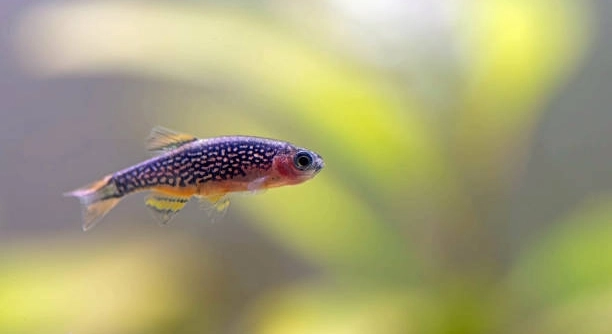
Danios are popular for home aquariums, known for their lively behavior and delicate spawning habits. Many aquarists focus on water quality and lighting but often overlook how substrate choice can affect breeding success. Small errors can disrupt their natural patterns.
Substrate plays a critical role in Danio spawning, as improper materials or placement can prevent eggs from being laid or damage them. Selecting the correct texture, depth, and cleanliness ensures optimal conditions for successful reproduction and healthy fry development.
Understanding substrate requirements is essential for any Danio breeder. Recognizing common mistakes can improve spawning outcomes and support the long-term health of both adult fish and their offspring.
Choosing the Wrong Substrate Type
When I first set up my Danio tank, I thought any smooth gravel would be fine. I quickly realized that fine sand or small pebbles are preferred, as Danios like to scatter their eggs between gaps. Rough or overly large stones can damage eggs or discourage spawning altogether. Plants or moss added to the substrate can also make a difference. Some live plants create hiding spots for eggs, giving them a better chance to survive. On the other hand, artificial decorations that trap debris can make it harder to maintain a clean substrate. I learned that keeping the substrate soft, clean, and simple creates a safe environment for Danios. Observing their behavior over time confirmed that the right substrate type encourages more frequent and successful spawning. It also reduces the risk of egg loss due to crushing or poor adhesion. Choosing wisely helps both the fish and the fry.
A soft, clean substrate allows Danios to lay eggs safely without damage. Dense or rough materials reduce spawning activity and increase egg loss.
Focusing on substrate type is one of the easiest ways to improve spawning outcomes. I noticed that small, smooth sand with some moss led to healthier eggs. Avoiding large gravel or sharp stones prevents injury and stress to the fish. Minimal decoration and easy-to-clean substrate keep eggs safe while maintaining water quality. Over time, the tank becomes more predictable, and observing spawning is far less stressful for both the fish and me. Simple adjustments to substrate materials had a surprisingly large impact on breeding success, making this one of the most important considerations for anyone aiming for a thriving Danio colony.
Incorrect Substrate Depth
Many aquarists underestimate how depth affects Danio spawning. Too shallow, and eggs may wash away or dry out during water changes. Too deep, and eggs can get buried, making them inaccessible to the parents and increasing the risk of fungal growth. A moderate layer of around one to two inches generally works best. I learned that checking depth during setup and after cleaning routines helps maintain consistency. It also supports plants and moss without overwhelming the eggs. Adjusting depth gradually, rather than all at once, avoids sudden stress for the fish. Observing how Danios interact with the substrate shows whether they are comfortable and likely to spawn. I found that slight changes in depth could dramatically affect their behavior, especially in newly established tanks.
Maintaining an appropriate substrate depth ensures eggs remain safe and accessible while supporting healthy water circulation and plant growth.
Depth directly influences spawning behavior. In my tanks, keeping a moderate substrate depth made Danios more confident and active during egg-laying. Shallow areas caused eggs to float or get stuck on the surface, while overly deep areas buried eggs too quickly, increasing loss. Consistency is key, as frequent changes disrupt spawning patterns. I usually monitor the substrate weekly, lightly adjusting levels as needed. Combining correct depth with fine sand and sparse moss gives eggs stability and protection. Observing the fish, I can tell when adjustments are necessary, and the difference in spawning frequency is clear. Over time, proper depth encourages natural behaviors, reduces stress, and ensures more eggs survive to hatch, giving the colony a better chance at thriving.
Using Dirty or Contaminated Substrate
Dirty substrate quickly affects Danio health and egg survival. Leftover food, waste, and decaying plant matter create bacteria and fungus that can harm eggs and discourage spawning. Regular cleaning and careful observation are essential to prevent these problems.
I once overlooked cleaning small debris from the substrate, thinking it was harmless. Within a few days, I noticed fewer eggs being laid and some showing signs of fungus. Cleaning with gentle siphoning and removing waste restored their activity. Maintaining a clean substrate requires consistency, but it has a direct impact on spawning success. Even minor contaminants can change water chemistry and make the environment unsafe for eggs and fry. I now make it a routine to check the substrate during water changes, ensuring it stays healthy for reproduction.
Keeping substrate clean also prevents unpleasant odors and algae growth. I learned that even minimal debris can affect the fish’s comfort and spawning frequency. Regular maintenance is key to creating a stable, safe environment.
Overcrowding the Substrate
Too many decorations or dense planting in the substrate limits space for eggs and discourages Danios from spawning. Open areas and proper spacing help eggs settle safely while allowing parents to swim freely and avoid stress.
I initially over-planted my tanks, assuming more moss meant better protection for eggs. Instead, the Danios avoided these areas and spawned less frequently. After thinning the plants and leaving open patches, egg-laying increased noticeably. Proper spacing ensures eggs do not get trapped under dense roots or decorations, which can cause damage or fungal growth. Observing fish behavior clearly showed that they preferred simple, open spaces for spawning, while overly cluttered areas became off-limits. Adjusting decorations gradually helped the fish adapt, and I could see eggs appearing more consistently in accessible areas. This balance between coverage and openness is crucial for effective breeding.
Maintaining a simple substrate layout with sufficient open space improves egg survival and allows Danios to display natural spawning behaviors.
Using Substrate That Holds Too Much Debris
Substrates that trap food and waste quickly become breeding grounds for bacteria and fungus. I noticed eggs often failed when the substrate held too much debris, making the environment unsafe for both adults and fry. Regular cleaning is essential.
Choosing a substrate that drains well prevents buildup and keeps eggs healthier. Fine sand or smooth gravel works best, as it allows waste to settle on top for easy removal. Avoid dense or spongy materials that trap dirt. I learned that simple adjustments to substrate type and maintenance routines greatly improved egg survival rates. Keeping the environment stable helps Danios feel secure and encourages natural spawning behavior.
Inconsistent Substrate Maintenance
Irregular cleaning schedules disrupt spawning. I found that eggs were often lost when substrate was neglected or disturbed too much. Consistency helps maintain water quality and reduces stress for the fish, promoting more reliable breeding outcomes.
Ignoring Substrate Temperature Effects
Substrate temperature influences egg development and hatching success. Warmer substrates encourage faster development, while cold or fluctuating temperatures can delay or prevent hatching. I keep a consistent temperature to support healthy fry growth.
FAQ
Why is substrate important for Danio spawning?
Substrate provides a safe surface for Danios to lay eggs and for fry to hide. Without the right texture and depth, eggs can be crushed, buried, or washed away. I noticed that switching to fine sand and adding sparse moss drastically improved egg survival.
Can I use any type of gravel for spawning?
Not all gravel works well. Large or sharp gravel can injure eggs, while fine gravel or sand gives eggs space to settle safely. I found that small, smooth pebbles combined with some moss worked best in my tanks.
How often should I clean the substrate?
Substrate should be gently cleaned at least once a week. I use a small siphon to remove waste without disturbing eggs. Over-cleaning can stress the fish, while neglect can lead to fungus and poor water quality.
Does substrate depth matter for spawning?
Yes, it does. Shallow substrate exposes eggs to currents, while very deep substrate can bury them. I maintain about one to two inches of sand or gravel, which balances safety and accessibility for the eggs.
Can over-planted substrate affect spawning?
Overcrowding the substrate with plants or decorations limits space for eggs and reduces spawning activity. I learned that leaving open patches encourages natural behaviors, while still providing shelter for fry.
What happens if the substrate is too dirty?
Dirty substrate can promote bacteria and fungus that harm eggs. I once ignored debris, and many eggs were lost. Regular siphoning and careful removal of detritus maintain a safe environment.
Does substrate type influence water quality?
Yes, certain substrates trap more waste, affecting water chemistry. Smooth sand or small pebbles prevent debris from accumulating too quickly, making it easier to maintain clean, stable conditions for spawning.
Can substrate temperature affect egg development?
Temperature plays a role in hatching. Cold or fluctuating substrates slow development, while stable, slightly warm conditions encourage timely growth. I monitor substrate temperature alongside water to ensure consistent results.
How do I prevent fungal growth on eggs?
Proper substrate maintenance, gentle cleaning, and avoiding overly deep or dense substrate help prevent fungus. I remove dead eggs promptly and ensure good water circulation near the substrate.
Are artificial decorations safe for spawning?
Some artificial decorations trap debris or create hard surfaces that can damage eggs. I prefer simple, open areas with minimal decoration and occasional moss, which balances protection and accessibility.
Can I mix substrates for better results?
Yes, combining fine sand with small pebbles or moss can provide structure and hiding spots while keeping eggs safe. I experimented with different mixes and found that simple combinations consistently yielded the best results.
How do I know if the substrate is affecting spawning?
Observe the fish’s behavior. Avoidance of certain areas, low egg count, or damaged eggs often points to substrate issues. I adjusted materials and depth based on their activity and saw immediate improvements.
Is it necessary to change substrate between spawnings?
Not always. Regular cleaning is usually enough. However, if the substrate becomes compacted, heavily soiled, or the eggs consistently fail, a partial replacement can help. I rotate portions gradually to avoid stressing the fish.
Can improper substrate cause long-term breeding problems?
Yes. Consistently poor substrate can stress Danios and reduce spawning frequency. I learned that maintaining proper type, depth, and cleanliness ensures ongoing reproductive health and successful fry development.
How can I make substrate maintenance easier?
Use substrates that drain well and avoid dense decorations. Gentle weekly siphoning, monitoring water quality, and partial cleaning during water changes make maintenance simple and effective. I keep tools dedicated to spawning tanks to avoid disturbing eggs.
Do Danios prefer planted or bare substrate for spawning?
They prefer a balance. Sparse moss or plants provide hiding spots for eggs, while open areas allow easy access for egg-laying. I found that a lightly planted substrate encouraged natural behavior without crowding the eggs.
What are common mistakes people make with substrate?
Common errors include using rough gravel, overplanting, neglecting cleaning, ignoring depth, and mixing incompatible materials. I experienced many of these early on and corrected them gradually to improve egg survival.
Can I reuse substrate from previous tanks?
Yes, but it must be thoroughly cleaned and sanitized. Old debris or leftover chemicals can harm eggs. I always rinse and remove any compacted areas before introducing it to a new spawning tank.
How do I maintain balance between egg protection and accessibility?
Sparse moss, open patches, and moderate substrate depth provide a balance. I ensure eggs are hidden from currents and parents while remaining reachable to prevent loss and promote healthy development.
Are there signs that substrate is harming eggs?
Damaged eggs, fungus, low egg count, or unusual spawning patterns indicate issues. I always check substrate quality and adjust type, depth, or cleanliness when these signs appear.
Does substrate affect fry survival?
Yes. Safe, clean substrate with open areas and hiding spots gives fry the best chance to survive. I noticed higher fry survival when maintaining simple, well-kept sand or gravel with occasional moss.
How important is observation in substrate management?
Observation is critical. Monitoring fish behavior, egg placement, and substrate condition allows timely corrections. I rely on visual cues daily to ensure the environment remains optimal for spawning and healthy fry development.
Can too frequent substrate changes stress Danios?
Yes. Sudden or excessive changes disrupt their comfort and reduce spawning. I only adjust substrate gradually and gently to avoid unnecessary stress.
What substrate works best for beginners?
Fine sand or smooth small pebbles with minimal decoration is easiest. I found it requires less maintenance, reduces egg loss, and encourages successful spawning even for those new to breeding Danios.
How do I combine cleaning and spawning without harming eggs?
Gentle siphoning around eggs, removing debris carefully, and partial cleaning during water changes works best. I avoid disturbing eggs directly and focus on keeping the surrounding substrate safe and clean.
Does substrate composition affect water circulation?
Yes. Dense or compacted substrate can limit circulation and trap waste. Fine sand or smooth gravel allows water to flow, preventing buildup and maintaining healthy conditions for eggs and fry.
Can I use moss as a primary substrate?
Moss works well for hiding eggs but should not replace sand or gravel entirely. I use it in patches to provide shelter while ensuring eggs remain accessible and substrate stays clean.
How do I know when to replace substrate completely?
Replace substrate when it is compacted, heavily soiled, or consistently causing egg loss. I monitor its condition over time and gradually replace portions to avoid stress.
Are certain substrates better for different Danio species?
Yes, some species prefer finer sand, while others tolerate small pebbles. I observed differences in egg-laying behavior and adjusted substrate accordingly for optimal results.
How long should I maintain the same substrate for breeding?
Consistent substrate is beneficial, with routine cleaning. I only change it when necessary, avoiding abrupt swaps to maintain a stable, safe environment for spawning.
Does substrate affect water chemistry long-term?
Certain substrates can alter pH or hardness over time. I choose inert materials like sand or small pebbles and monitor water regularly to prevent chemical shifts that could harm eggs or fry.
Can I mix moss with sand safely?
Yes, adding moss in small patches helps hide eggs and maintain water flow. I found this combination encourages natural spawning behavior without complicating maintenance.
How do I prevent eggs from being buried?
Moderate depth, sparse moss, and avoiding compacted substrate prevent eggs from being buried. I check regularly to ensure eggs remain visible and accessible for both protection and monitoring.
Is it necessary to observe eggs daily?
Daily observation helps detect fungus, damage, or missing eggs early. I check eggs every morning to maintain healthy conditions and make small adjustments if needed.
Can substrate mistakes be reversed?
Yes. Adjusting type, depth, cleaning routines, and plant placement can restore spawning success. I corrected early mistakes gradually and saw significant improvements in egg survival and fry health.
Does lighting affect substrate function?
Indirectly, yes. Bright lighting can promote algae growth on substrate, while dimmer lighting reduces buildup. I balance light exposure to maintain substrate cleanliness and encourage egg-laying in safe areas.
How important is substrate texture for eggs?
Texture affects adhesion and safety. Fine sand or smooth pebbles allow eggs to settle without damage. I noticed firmer or rough surfaces caused broken eggs and discouraged spawning behavior.
Can frequent water changes compensate for poor substrate?
No. While water changes improve conditions, poor substrate still causes egg damage or fungal growth. I focus on substrate type and maintenance first to ensure lasting success.
Should substrate be rinsed before adding to a new tank?
Absolutely. Rinsing removes dust, dirt, and residues that could harm eggs. I always rinse thoroughly before setup to create a safe environment from the start.
How does substrate choice affect parental behavior?
Danios may avoid unsafe or overly cluttered substrate. I observed that proper type and depth encourage confident, natural spawning behaviors while reducing stress and egg loss.
Can substrate adjustments improve low spawning rates?
Yes. Fine-tuning depth, type, and cleanliness can increase activity and egg-laying frequency. I often adjust one factor at a time and watch for improvements, which usually appear within days.
Is there a best practice for long-term substrate care?
Maintain moderate depth, clean regularly, use inert materials, and avoid overcrowding. I follow these practices consistently, ensuring healthy spawning conditions and higher fry survival over time.
Do eggs need to be removed from substrate?
Not always. If substrate is clean and shallow, eggs can remain safely. I only remove eggs if fungus appears or substrate becomes compromised, minimizing disruption.
How do I balance moss and open areas?
Use moss in small patches and leave surrounding space open. I observed that this arrangement provides protection without discouraging spawning activity.
Can substrate affect fry mobility?
Yes. Large or rough gravel can trap fry or injure them. I prefer smooth sand or fine pebbles, which allow fry to move freely and hide safely.
Does substrate depth affect parental guarding?
Shallow or moderate depth encourages natural care. I noticed that overly deep substrate led to eggs being buried and reduced parental attention, lowering survival rates.
How long does it take to see results from substrate changes?
Results can appear within days to a week. I observed improved spawning behavior and higher egg survival shortly after adjusting type, depth, and cleaning routines.
Are there signs of fungal growth to watch for?
White, cotton-like patches on eggs indicate fungus. I remove affected eggs promptly and maintain clean substrate to prevent spread.
Does substrate impact water circulation around eggs?
Yes. Loose, fine sand or small pebbles allow gentle flow, preventing stagnant spots. I ensure circulation is adequate without disturbing eggs, which improves development and survival.
Can substrate influence egg fertilization rates?
Indirectly, yes. Safe, accessible substrate encourages spawning behavior, increasing fertilization chances. I noticed higher fertilization rates after switching to smooth sand with sparse moss.
Is it better to use one substrate type or mix them?
Mixing fine sand with small pebbles or moss often works best. I found a simple combination provides structure, protection, and accessibility, supporting consistent spawning.
How do I monitor substrate without disturbing eggs?
Gently observe and siphon debris around eggs, avoid touching them directly. I also check water quality and fish behavior for indirect indicators of substrate health.
Are there signs that substrate is too compacted?
Yes. Eggs may get buried, debris builds up, and water flow is reduced. I loosen substrate carefully to restore safe conditions for spawning and fry development.
Can improper substrate cause stress in Danios?
Yes. Rough, cluttered, or dirty substrate can reduce activity and discourage spawning. I noticed calmer, more active behavior once substrate was corrected.
Does substrate type affect feeding habits?
Indirectly, yes. Debris-trapping substrates can hide food and affect feeding. I use smooth sand or small pebbles, making feeding easier and keeping water cleaner for eggs.
How often should moss be trimmed on substrate?
Trim moss lightly once a week to prevent overgrowth. I found this keeps eggs accessible and substrate clean without stressing the fish.
Can substrate mistakes accumulate over time?
Yes. Neglecting type, depth, or cleanliness repeatedly can reduce spawning success and fry survival. I address problems early to prevent long-term issues.
Are there any substrates to avoid entirely?
Avoid large, sharp gravel, spongy materials, or dense decorations that trap debris. I found these often damage eggs or discourage natural spawning behaviors.
How do I know when substrate adjustments are successful?
Increased egg count, healthy eggs, active spawning behavior, and higher fry survival indicate success. I monitor regularly and note improvements after each adjustment.
Does substrate type affect algae growth?
Yes. Some materials trap nutrients and encourage algae. I use sand or small pebbles, combined with moderate lighting, to minimize unwanted growth near eggs.
Can substrate mistakes be prevented easily?
Yes. Choosing fine sand or small pebbles, maintaining moderate depth, cleaning regularly, and avoiding overcrowding prevents most problems. I follow these steps consistently with good results.
Is there a way to make substrate maintenance less stressful for fish?
Yes. Gentle siphoning, minimal disruption, and gradual changes work best. I observed calmer behavior and higher spawning success when maintenance is done carefully.
Does substrate affect egg visibility?
Yes. Too deep, dark, or cluttered substrate can hide eggs, making monitoring difficult. I balance open patches with sparse moss for visibility and protection.
Can substrate type influence water hardness?
Certain materials, like limestone, alter hardness. I choose inert sand or small pebbles to maintain stable water chemistry for eggs and fry.
How does substrate impact fry hiding spots?
Sparse moss or small pebbles provide safe hiding areas without trapping fry. I observed better survival rates when hiding spots were available but not excessive.
Can improper substrate lead to egg loss during water changes?
Yes. Shallow, loose, or overly compacted substrate can displace eggs. I carefully siphon around eggs and maintain proper depth to prevent accidental loss.
How do I test if substrate is suitable for spawning?
Observe fish behavior and egg-laying activity. I also check debris accumulation, water flow, and egg survival to evaluate substrate suitability.
Are there seasonal considerations for substrate management?
Temperature fluctuations and plant growth can affect substrate. I monitor conditions and adjust depth, cleaning, or plant coverage as needed for consistent spawning.
Can substrate type affect stress levels in Danios?
Yes. Rough, cluttered, or dirty substrate increases stress, reducing spawning activity. I noticed calmer, more confident behavior after correcting substrate issues.
How do I combine multiple improvements effectively?
Adjust type, depth, cleaning, and decoration gradually. I implemented small changes one at a time, observing behavior and egg survival, which consistently improved spawning outcomes.
Does substrate composition matter more than tank size?
Both matter, but substrate often has a direct impact on egg survival. I found proper substrate can significantly improve spawning even in smaller tanks.
Can substrate mistakes be corrected after a failed spawn?
Yes. Clean, adjust, or replace substrate gradually. I have restored spawning success in tanks where initial mistakes led to poor egg survival.
Is it worth investing in quality substrate?
Absolutely. Proper substrate reduces stress, increases egg survival, and simplifies maintenance. I now prioritize quality sand or small pebbles for all breeding tanks.
Does substrate affect fry growth rate?
Indirectly. Safe, clean substrate reduces disease risk and stress, which supports healthier, faster-growing fry. I observed noticeable improvements after correcting early substrate mistakes.
How do I balance cleanliness with natural spawning conditions?
Gently clean debris, leave some moss for hiding, maintain proper depth, and avoid harsh disturbances. I find this balance encourages natural behavior and protects eggs.
Can substrate mistakes impact multiple spawning cycles?
Yes. Repeated mistakes reduce egg quality and survival over time. I learned to maintain consistent substrate conditions to support multiple successful spawning cycles.
What is the single most important substrate factor?
Type, depth, and cleanliness together matter most. I focus on smooth, fine sand or pebbles, moderate depth, and regular maintenance to ensure reliable spawning success.
How do I monitor long-term substrate health?
Check for compaction, debris buildup, plant overgrowth, and water quality. I schedule weekly inspections and adjust care routines to maintain optimal conditions consistently.
Can substrate adjustments improve fry health long-term?
Yes. Proper substrate prevents egg loss, disease, and stress, leading to stronger, healthier fry. I consistently saw better growth and survival after correcting substrate issues.
Are there simple signs that substrate is ideal?
High egg count, minimal damage, low fungus, active spawning behavior, and healthy fry indicate ideal substrate. I watch for these signs to confirm successful conditions.
How does substrate affect overall tank stability?
Good substrate supports water circulation, reduces debris accumulation, and encourages natural behavior. I found that stable substrate contributes to long-term success for both spawning and fry development.
Can I use substrate from other tanks safely?
Yes, if cleaned and sanitized thoroughly. I rinse and remove debris before reuse to avoid contamination that could harm eggs or fry.
Does substrate affect parent Danio behavior after spawning?
Yes. Safe, clean substrate encourages protective behavior, reduces stress, and supports continued spawning. I observed calmer, more attentive parents when substrate was ideal.
How do I combine moss, sand, and pebbles effectively?
Use sand or pebbles as base, with small moss patches for hiding. I found this combination protects eggs, allows easy cleaning, and promotes natural spawning behavior.
Can substrate adjustments alone solve spawning issues?
Often, yes. Correcting type, depth, and cleanliness frequently resolves egg loss and low activity. I address substrate first before changing other environmental factors.
How do I prevent mistakes in new tanks?
Start with fine sand or small pebbles, moderate depth, sparse moss, and regular cleaning. I found this setup consistently produced successful spawning without complications.
Is monitoring Danio behavior more important than inspecting substrate?
Both are equally important. I observe how fish interact with the substrate to detect early problems and make adjustments before egg loss occurs.
Can substrate mistakes affect water parameters long-term?
Yes. Dense, debris-trapping, or decaying substrates can alter pH, hardness, and clarity. I monitor water regularly and maintain substrate to prevent chemical imbalances that harm eggs.
Does substrate type influence egg adhesion?
Yes. Fine sand or smooth pebbles allow eggs to stick without damage. Rough or large gravel often prevents proper adhesion, reducing survival rates.
How do I keep substrate safe during water changes?
Siphon
Danio spawning is a delicate process that depends on many small details, and substrate is one of the most critical factors. Over the years, I learned that even minor mistakes in substrate choice, depth, or cleanliness can significantly affect egg survival and fry development. Using the wrong type of gravel or sand, overcrowding with decorations or plants, or neglecting regular maintenance all contribute to problems in spawning. Danios are sensitive to their environment, and they respond directly to conditions in the tank. When the substrate is too rough, dirty, or deep, eggs can be crushed, buried, or develop fungus, which reduces survival rates. Observing the fish carefully and making thoughtful adjustments ensures that they have the best possible environment for reproduction. Maintaining a simple, well-kept substrate helps the fish feel secure and encourages natural spawning behaviors, which leads to healthier eggs and more consistent results. I found that consistency is key, and small changes made gradually are far more effective than abrupt or frequent adjustments.
Proper substrate selection is not only about supporting eggs but also about creating a stable ecosystem for both adult fish and fry. Smooth sand, fine gravel, and occasional patches of moss offer both protection and accessibility. It is important to maintain moderate substrate depth to keep eggs safe while allowing water circulation and preventing buildup of debris. Dirty substrate can quickly become a breeding ground for bacteria and fungus, which can harm eggs and fry. Regular cleaning, careful monitoring, and gentle removal of waste ensure that eggs are not stressed or damaged. I also observed that substrate temperature and placement play a subtle but important role in egg development and hatching success. Warmer, stable substrate encourages growth, while inconsistent or cold conditions can delay or prevent hatching. By paying attention to these details, I was able to create a more reliable and healthy breeding environment that supports multiple spawnings over time. This attention to detail makes a significant difference in overall outcomes and gives fry a better chance at survival and healthy growth.
In the long term, maintaining the right substrate reduces stress for the fish and encourages consistent spawning patterns. I learned that creating a simple, well-balanced substrate setup is more effective than adding too many plants, decorations, or complex materials. Sparse moss and open spaces create hiding spots while leaving enough room for eggs to settle safely. Observing fish behavior daily, checking for signs of fungus, egg damage, or unusual activity, and making gradual corrections ensures that the tank remains stable and supportive. Proper substrate management is one of the most controllable factors for breeders, and it directly impacts the success of every spawning cycle. Taking the time to understand and maintain substrate conditions benefits not only the eggs and fry but also the overall health and behavior of the adult Danios. Over time, a well-prepared substrate becomes a foundation for reliable, healthy reproduction, making the entire breeding process smoother and more predictable. Simple, consistent practices provide long-term results and help maintain a thriving, balanced tank.

Hello,
If you enjoy the content that we create, please consider saying a "Thank You!" by leaving a tip.
Every little bit helps us continue crafting quality advice that supports the health, happiness, and well-being of pets around the world, for pets of all shapes, sizes, and species.
We really appreciate the kindness and support that you show us!