
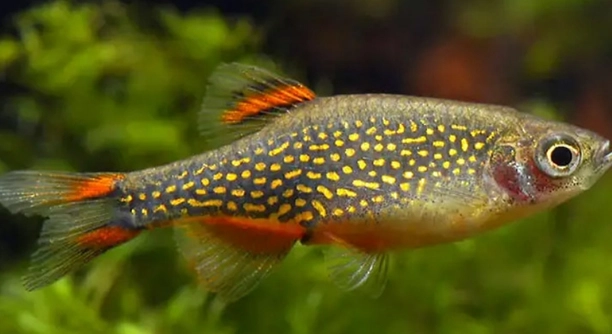
Danios are lively fish that bring energy to any tank. Observing them in the afternoon reveals subtle routines and behaviors that repeat daily. These patterns can tell a lot about their well-being and tank environment.
Afternoon activity in Danio tanks often follows seven identifiable patterns, including schooling near the surface, exploring mid-water, grazing along the substrate, resting in shaded areas, chasing, darting in short bursts, and interacting socially. Recognizing these behaviors can aid in monitoring fish health.
Watching how Danios move and interact during these hours can reveal insights about their daily habits and environmental comfort. Tracking these patterns helps in maintaining a healthy and balanced tank.
Surface Schooling
In many Danio tanks, afternoons bring a noticeable gathering near the water’s surface. The fish swim in coordinated groups, moving together in gentle waves. This behavior often happens when light levels are higher, encouraging exploration and feeding activity. Observing this pattern can reveal which fish are more dominant and which are more cautious. Younger or smaller Danios may stay near the center of the group for protection, while older or more confident fish lead movements at the edges. Food distribution can also influence this pattern, as fish tend to group where flakes or pellets fall. Over time, consistent surface schooling can indicate a stable tank environment, with balanced oxygen levels and low stress. Temperature and water quality play a role as well, with Danios preferring slightly cooler mid-afternoon conditions that encourage active movement without fatigue. This predictable surface activity gives a clear view of social dynamics in the tank.
Surface schooling is a key indicator of social behavior and environmental balance in Danio tanks. Regular observation supports fish health and tank stability.
Paying attention to these afternoon gatherings allows you to notice subtle shifts in behavior. Small changes may signal environmental adjustments are needed.
Mid-Water Exploration
During the afternoon, Danios often move through mid-water, weaving between plants and decorations. This area becomes an active space where fish investigate their surroundings while avoiding the top and bottom extremes. Swimming at mid-level allows them to feel secure while maintaining awareness of the entire tank. These movements are steady and purposeful, not frantic, suggesting comfort in their habitat. Fish may chase tiny bubbles or inspect surfaces for small food particles. Mid-water activity is also influenced by tank layout, with open spaces encouraging longer swimming paths. Strong currents or filters can alter how fish navigate this zone, sometimes creating playful loops or brief stops to rest. Observing mid-water behavior provides insight into both individual personalities and group dynamics. Some fish may remain near plants for cover, while others swim openly, demonstrating boldness. Noticing these differences helps in adjusting tank decorations to support both safety and exploration. Over time, mid-water exploration strengthens swimming skills and encourages natural behaviors.
Mid-water activity shows how Danios interact with their environment and each other, reflecting comfort and stimulation.
Maintaining plants, decorations, and open swim areas ensures continued engagement. Monitoring how fish explore mid-water highlights any behavioral changes, signaling potential health or environmental concerns. Adjusting water flow, rearranging obstacles, or adding hiding spots can improve their routine. Healthy exploration helps reduce stress, prevent boredom, and encourage natural instincts. Fish that rarely use mid-water might be hiding due to tankmates’ dominance or inadequate cover. Conversely, overly bold exploration can indicate excitement or mild stress. Consistent observation allows you to identify patterns, note anomalies, and make adjustments to lighting, temperature, or layout. Tracking mid-water activity also helps in feeding strategies, as food may sink or drift through this zone. By supporting this natural pattern, tanks feel more dynamic, balanced, and visually engaging, creating an environment where Danios display authentic behaviors without interference.
Substrate Grazing
Danios often spend part of the afternoon near the tank bottom, picking at food particles and algae. This grazing helps keep the substrate clean and allows fish to get nutrients they miss at the surface. It’s a calm, steady behavior that balances their activity.
Substrate grazing occurs when fish swim slowly along the bottom, investigating each area for small edible items. They may hover over spots with detritus or leftover flakes, nibbling methodically. This behavior is common after feeding or when light levels soften in the afternoon. Grazing also supports natural instincts, as Danios are opportunistic feeders in the wild. Watching them at the bottom can indicate which fish are healthy and actively feeding. It also reveals how efficiently food is reaching all tank levels, helping prevent overfeeding.
Not all Danios graze in the same way. Some prefer open areas, while others stick close to plants or decorations. Observing these differences provides insight into their personalities and social hierarchy. Adjusting feeding methods or substrate cleaning schedules can support healthier grazing patterns, ensuring the entire tank stays balanced.
Resting in Shaded Areas
Danios retreat to shaded regions in the afternoon to rest and reduce stress. They often linger behind plants, decorations, or under floating leaves, staying still for short periods while remaining aware of surroundings. This behavior is natural and necessary.
Shaded resting provides a quiet space where fish can pause their activity without hiding completely. Afternoon light may be stronger, and the fish instinctively seek dimmer spots to conserve energy. This is particularly common in tanks with bright overhead lighting or near windows where sunlight penetrates. Fish may hover, gently sway, or rest on leaves, conserving energy while remaining alert. These resting periods are essential for digestion and mental recovery. Ignoring the need for shaded areas can lead to stress or disrupted behavior patterns, as Danios are sensitive to constant exposure and lack of refuge.
Creating varied lighting and shaded areas encourages natural resting habits. Floating plants, ornaments, or rock formations allow fish to retreat when needed. Observing how Danios use these spots helps identify dominant fish, shy individuals, and those more comfortable in open water. Maintaining adequate shade supports daily routines, reduces stress, and improves overall tank harmony. Adjusting lighting or decorations based on these behaviors ensures every fish has a safe, comfortable place to rest.
Short Burst Darting
Danios frequently make quick, sudden movements across the tank in short bursts. These darts are often playful or a way to respond to other fish nearby. It’s a natural, high-energy behavior that keeps them active during the afternoon.
These short bursts also serve as a way to assert presence or explore new areas quickly. They rarely cause stress unless overdone or triggered by disturbances. Observing these darts helps gauge fish energy levels and overall comfort in the tank.
Social Interaction
Danios spend time interacting with each other in structured groups. Chasing, nudging, and coordinated swimming are common during afternoons. These interactions establish social hierarchy and reinforce group cohesion. Watching these patterns helps understand relationships within the tank and ensures all fish are engaged and healthy.
Rest After Activity
After periods of high energy, Danios often pause briefly in calm areas of the tank. This resting allows recovery and prepares them for the next wave of activity. Observing these pauses ensures they maintain balanced energy levels throughout the day.
FAQ
Why do Danios swim in groups at the surface?
Surface schooling is a natural behavior that helps Danios feel safe while feeding. Swimming together allows them to watch for potential threats while accessing food more efficiently. Group movement also encourages social interaction and reduces stress, which is important for their overall health.
Is mid-water exploration important for Danios?
Yes, mid-water exploration is essential. It allows Danios to exercise, interact with their environment, and maintain natural swimming patterns. Swimming through open areas and between decorations keeps them mentally stimulated and physically active, supporting both health and well-being.
Why do some Danios graze the substrate more than others?
Grazing differences are often linked to personality and hierarchy. Some fish are bolder and explore freely, while others prefer safe areas near plants. Substrate grazing provides extra nutrition and keeps the tank clean. Variations in grazing can indicate individual feeding habits and social dynamics.
What causes short burst darting in the afternoon?
Short bursts are typically playful or exploratory movements. They may also indicate mild stress or reactions to tankmates. Darting helps Danios stay alert, maintain coordination, and expend energy naturally. Frequent observation can help identify if darting is healthy or excessive.
How do shaded resting areas benefit Danios?
Shaded areas allow fish to pause and conserve energy without hiding completely. These spaces reduce stress and support natural rhythms, especially under strong afternoon lighting. Providing multiple shaded spots ensures all fish can rest safely when needed.
Are chasing and nudging signs of aggression?
Not necessarily. Afternoon social interactions often include chasing and nudging as ways to establish hierarchy and maintain cohesion. Gentle chasing is normal, but constant or violent attacks may indicate stress, overcrowding, or resource competition.
How can I encourage healthy grazing and exploration?
Offer a balanced diet and sprinkle food at different tank levels. Arrange plants and decorations to create open swim spaces and hiding spots. Observing how fish use the substrate and mid-water areas helps refine feeding and layout strategies, promoting natural behavior.
Do all Danios follow the same afternoon patterns?
Patterns vary by age, personality, and tank setup. Some fish prefer surface schooling, others mid-water swimming or substrate grazing. Noticing these differences helps monitor health, stress, and social dynamics, ensuring every fish has suitable space and stimulation.
Can darting or chasing indicate tank issues?
Yes, excessive darting or constant chasing may suggest water quality problems, strong currents, or stress from overcrowding. Regular monitoring of these behaviors, along with water testing and observing fish interactions, helps maintain a stable and healthy environment.
How can I support afternoon resting behaviors?
Provide floating plants, shaded decorations, and dimmed lighting areas. Allow fish to rest without disturbance while ensuring open swim areas remain accessible. Balanced lighting and tank design encourage natural pauses and improve energy management for all Danios.
Is observing these patterns useful for long-term tank care?
Absolutely. Tracking daily behaviors helps identify stress, illness, or environmental problems early. Awareness of schooling, exploration, grazing, resting, and social interactions allows proactive adjustments to feeding, decorations, and tank maintenance, supporting healthier, more active Danios over time.
What changes might indicate a problem in the tank?
Sudden shifts in movement patterns, lack of grazing, constant hiding, or aggressive chasing can signal water quality issues, illness, or imbalance in social structure. Regular observation combined with proper water testing ensures early detection and timely correction.
How do lighting and tank setup affect afternoon patterns?
Lighting intensity, plant placement, and decorations shape swimming and resting behaviors. Bright light encourages shade-seeking and grazing, while open areas promote exploration and bursts of activity. Adjusting setup supports natural rhythms and prevents stress-related behaviors.
Can all tankmates coexist with Danios during these patterns?
Yes, if tankmates are peaceful and similarly sized. Aggressive or slow-moving species may disrupt natural patterns like schooling and grazing. Observing interactions helps ensure all fish remain active and comfortable throughout the afternoon.
Why is consistent observation important?
Regularly watching afternoon patterns provides insights into fish health, social structure, and environmental suitability. Early detection of unusual behavior allows intervention before small issues become serious, maintaining a balanced, thriving tank ecosystem.
Danios are active and social fish that show clear behaviors throughout the day, especially in the afternoon. Observing them during this time can tell you a lot about their health, comfort, and how well the tank is maintained. Patterns such as surface schooling, mid-water exploration, substrate grazing, short burst darting, shaded resting, and social interaction are all normal and expected. Each behavior serves a purpose, from feeding and exercise to establishing social hierarchy and conserving energy. Paying attention to these patterns helps identify which fish are thriving and which may need extra care. Over time, you start noticing the small details, like how certain fish prefer particular areas of the tank or how they interact with one another, and this awareness makes it easier to provide a stable and supportive environment.
Maintaining a tank for Danios requires observing these patterns consistently and making adjustments when needed. Feeding practices, tank layout, lighting, and water quality all influence behavior. Fish that graze actively at the bottom or explore mid-water levels are generally healthy and unstressed, while fish that hide excessively or display aggressive chasing may indicate problems in the environment. Providing shaded areas, floating plants, and adequate open space allows Danios to rest and engage in natural movements. Arranging the tank to support exploration, grazing, and schooling encourages a balanced lifestyle. Watching social interactions carefully can help identify dominant or shy fish, which in turn guides decisions about space and resource distribution. Consistent monitoring ensures that each fish’s needs are met and that the tank remains harmonious.
Understanding and supporting these afternoon patterns not only benefits the fish but also enhances the overall enjoyment of keeping an active Danio tank. Seeing fish interact naturally and move with energy is rewarding and reassuring, showing that the tank is healthy and the fish are content. Over time, observing these routines can also help anticipate potential issues before they become serious. Adjusting feeding, water flow, or tank decorations based on observed behaviors ensures that each fish can display natural habits without stress. By paying attention to these daily routines, tank owners can create an environment that supports activity, rest, and social interaction, fostering a thriving and lively aquarium where Danios remain energetic, curious, and healthy.

Hello,
If you enjoy the content that we create, please consider saying a "Thank You!" by leaving a tip.
Every little bit helps us continue crafting quality advice that supports the health, happiness, and well-being of pets around the world, for pets of all shapes, sizes, and species.
We really appreciate the kindness and support that you show us!