
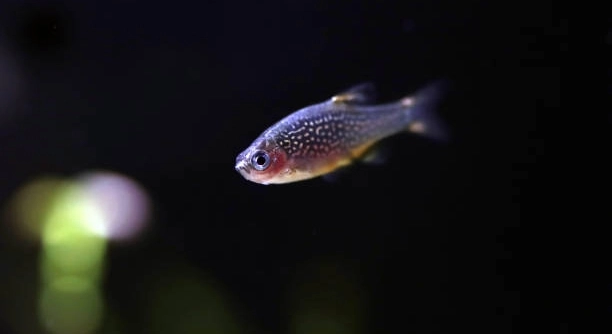
Do you ever find yourself watching your Celestial Pearl Danios and trying to understand the small details of how they eat throughout the day, noticing the patterns that reveal their natural behavior and overall comfort.
Observing key feeding habits in Celestial Pearl Danios helps identify their health and well being, as consistent interest in food, stable feeding positions, smooth movements, and balanced competition at meals reveal care, nutritional adequacy, and environmental stability within their aquarium.
These subtle feeding signs offer insight into their daily needs, guiding you toward a healthier and more attentive aquarium routine.
Recognizing Subtle Feeding Patterns
Understanding the small feeding habits of Celestial Pearl Danios helps you maintain a stable and comfortable environment for them. I like to watch how they approach food, since their behavior reveals so much about their well being. When they swim calmly toward their meals, it often shows they feel secure. Quick darting motions can still be normal, but it is helpful to observe whether those movements become too frantic or hesitant. Their desire to feed at consistent times also gives you a sense of their routine. If they begin ignoring food or showing less activity near feeding areas, it may hint at stress or changes in water conditions. Noticing how they interact with tank mates during feeding can also guide you in understanding whether they are receiving enough food without excessive competition. These observations support a balanced atmosphere, allowing you to respond early when something feels slightly off for them.
Their feeding rhythm becomes easier to understand when you watch for small details that appear during meals. Simple patterns like steady swimming, active interest in food, and smooth interactions with tank mates help you notice meaningful changes that may signal adjustment needs within their space as you monitor daily carefully.
Paying attention to these patterns helps you support your Celestial Pearl Danios with gentle consistency. I often find comfort in watching how they move during meals, since even small behaviors reveal their comfort level. Steady feeding responses usually reflect stable conditions, while sudden disinterest can suggest changing needs. Their interactions with other fish can also show whether competition is affecting their intake. When you focus on these signals, you create a calmer environment that fits their natural rhythm. Your awareness becomes a steady guide, helping you adjust feeding amounts, timing, and food type so they remain healthy and active daily.
Identifying Feeding Behaviors That Signal Stress
Some feeding behaviors can signal when your Celestial Pearl Danios need closer attention. Subtle actions like hesitation, reduced activity near food, or sudden withdrawal during meals may indicate discomfort. Watching these patterns allows you to respond early and keep their environment stable for their ongoing comfort and overall well being.
Recognizing stress related feeding behavior in Celestial Pearl Danios helps you maintain a healthier aquarium. I pay close attention to how they behave around food because their patterns often shift before other signs appear. When a normally active fish becomes hesitant, it may be reacting to changes in water quality, temperature, or social pressure from tank mates. Reduced activity near feeding zones can show that something in their surroundings feels unsettling. Sudden hiding during meals may signal discomfort or competition that prevents them from reaching their food. These small behaviors guide you as you examine conditions like filtration, tank layout, and food distribution. Adjusting these factors can help restore their confidence and encourage steady feeding responses. Observing how they spread out during meals also gives clues about their comfort level. If some fish consistently avoid certain areas, it may suggest territorial tension. Addressing these issues early helps your fish stay balanced and active. Your patience and observation create a stable environment that supports regular feeding. Each small sign helps you understand what they need, allowing you to respond with practical steps that improve their routine and overall health while keeping their surroundings calm and suitable for steady growth each day.
Understanding Competitive Feeding Moments
Competition during meals can influence how Celestial Pearl Danios behave, especially in shared aquariums. I pay attention to how they move around one another when food enters the water, since their positions and reactions show whether they feel secure enough to feed without interruptions or pressure from other fish nearby.
When competition becomes too strong, some danios may retreat from feeding zones and wait for safer moments. I watch for signs like quick circling, blocking, or repeated attempts to reach food that never quite succeed. These moments help me understand whether the tank layout needs small adjustments. Adding more feeding spots or spreading food across different areas often reduces tension and allows each fish to comfortably reach its share. Once competition eases, their feeding becomes calmer and more balanced. This simple shift supports better eating habits and helps every fish receive proper nutrition.
I find it helpful to observe how long each fish stays engaged with the food. When competition is high, some danios eat too quickly while others barely get any. Rearranging decorations to create sheltered feeding pockets can give quieter fish a fair chance. Using a mix of floating and sinking foods also helps distribute meals more evenly. These small adjustments encourage a more relaxed setting, allowing every fish to maintain steady feeding behavior. With consistent observation and subtle changes, you can create a more peaceful routine that supports their comfort and overall well being during daily meals.
Spotting Changes in Feeding Energy
A shift in feeding energy often reveals when something in their environment needs attention. I notice how eagerly they swim toward food and how long they stay interested, since even slight decreases in activity can point to early stress or developing health concerns within the tank.
When their energy drops suddenly, I take time to evaluate water parameters, temperature, and recent routine changes. Stable conditions usually keep their feeding lively, so any decline encourages me to look more closely. Sometimes the cause involves minor discomfort like cooler water, higher current, or unseen pressure from tank mates. Other times, it relates to their food type or feeding schedule. Observing their movements helps me identify which factor may be affecting them. Small adjustments like improving water flow, spacing out feedings, or refining food portions often restore their natural rhythm. Keeping an eye on these details supports their comfort and ensures their meals remain a steady, reliable part of their day.
Adjusting Feeding Timing Patterns
Consistent feeding timing helps Celestial Pearl Danios feel secure, so I watch how they gather when food appears. Their behavior during these moments reveals whether they rely on routine. When timing shifts, I notice subtle hesitation that often suggests they need steadier patterns to remain comfortable daily and feel settled.
I also pay attention to how quickly they respond when food enters the tank, since slower reactions can hint at mild stress. When their timing becomes inconsistent, small corrections like steadier lighting or reduced disturbances usually help restore their confidence and maintain a smoother feeding rhythm each day for them.
Feeding Location Preferences
Feeding location preferences can reveal how comfortable your Celestial Pearl Danios feel within the tank. I watch the areas they choose because reliable spots show they trust their surroundings. When a fish suddenly avoids its usual place, I check for changes like increased current, new decorations, or tension from other fish. These adjustments often influence their willingness to feed. Creating multiple calm zones helps reduce discomfort and encourages steadier habits. When each fish feels secure in its chosen area, feeding becomes smoother and more predictable. Paying attention to these shifts helps maintain a balanced and supportive feeding environment for them.
Midwater Feeding Activity
Watching their midwater movements during meals helps you understand how confidently they search for food. I notice when their patterns change, especially if they begin hovering too long or avoiding active areas. These subtle differences often signal early discomfort that benefits from quick, gentle adjustments within their daily feeding routine.
FAQ
How often should Celestial Pearl Danios be fed for steady health?
Feeding them small portions two to three times a day usually works best. I prefer lighter feedings because it prevents leftovers from affecting water quality. Their small size makes it easy for them to overeat, so gentle moderation supports healthier digestion. Offering food in short, manageable intervals helps them stay active without creating stress around meals. When their feeding schedule remains steady, their behavior becomes more predictable, allowing you to notice changes early if something feels different in their routine.
What types of food support their natural feeding habits?
A mix of high quality micro pellets, crushed flakes, and small frozen foods like daphnia or baby brine shrimp supports a balanced diet. I like using smaller pieces because their mouths are tiny and they handle fine particles more comfortably. Rotating food types keeps them interested and encourages natural foraging behavior. This variety also ensures they receive a broader range of nutrients, helping their colors stay vibrant. When you scatter foods that sink and float, they explore different levels of the tank, which keeps their feeding behavior active and engaging.
Why do some Celestial Pearl Danios seem hesitant during meals?
Hesitation often appears when they feel uncertain about their surroundings. I notice it when water flow is too strong or when tank mates become too active near the feeding zones. Sometimes they simply need more time to adjust to new routines. If one fish consistently hangs back, it may need calmer areas with gentler flow. Small feeding pockets created with plants or decorations help them feel protected. Once they realize they have safe access to food, their confidence usually returns.
How can I tell if they are not receiving enough food?
I watch for signs like increased chasing, thin body shape, or excessive scavenging. When they feel hungry, they become more persistent around feeding times and may pick at surfaces more often. If one or two fish look slimmer than the rest, I try offering food in separate areas. Observing their midwater behavior also helps, since weaker fish often avoid busy spots. Adjusting the distribution of food ensures everyone receives their share without creating stressful competition.
What should I do if they stop eating suddenly?
A sudden drop in appetite usually means something in the environment changed. I check water temperature, filtration, and ammonia levels first because these shifts affect feeding behavior quickly. Even small changes in lighting or new tank mates can influence their comfort. I take a calm approach, watching them closely for a day while checking for signs of stress. Offering gentle foods like crushed flakes or live baby brine shrimp sometimes encourages them to resume eating. If they remain uninterested, a more detailed review of water conditions often reveals what needs adjusting.
Why do they swim quickly during feeding, then retreat?
This pattern often happens when they feel torn between excitement and caution. I see it when more confident fish dominate the feeding zone. The quick dash shows interest, while the retreat suggests they are trying to avoid conflict. Creating multiple feeding points or gently spreading food across the surface helps balance the situation. When each fish has space, their feeding becomes more relaxed. Over time, even shy fish begin approaching food with more confidence.
Can feeding times affect their overall tank behavior?
Yes, consistent feeding times help them maintain a predictable rhythm. I notice they become calmer when meals follow a familiar pattern. Their activity rises slightly before feeding, then settles afterward. When timing becomes irregular, their behavior can feel scattered or tense. Keeping a steady schedule influences not just their appetite but also their comfort in the tank. A reliable routine supports a stable environment, which helps them stay active, balanced, and at ease throughout the day.
Final Thoughts
Caring for Celestial Pearl Danios becomes easier when you learn to read the small signals they show during feeding. I find comfort in watching how they move, pause, and return for more food, since their patterns reveal so much about their comfort level. When their behavior becomes steady and predictable, it usually means their environment feels safe and supportive. Each feeding moment gives you a chance to understand their needs a little better, and even minor changes in movement, interaction, or interest can guide you toward helpful adjustments. When something feels slightly off, their behavior often speaks first, and paying attention to those gentle cues helps you respond early. Over time, this careful observation becomes a natural part of your routine. You begin noticing which foods they prefer, how confidently they swim during meals, and what changes influence their rhythm. These simple details slowly build a clearer picture of their well being, allowing you to support them with quiet consistency.
As you continue watching their habits, your understanding of their daily patterns deepens. The way they explore the midwater areas, approach new food, or gather near familiar spots helps you see which parts of the tank give them comfort and which areas may need improvement. When they hesitate, retreat quickly, or avoid certain spaces, it often means something in the setup needs a small adjustment. Moving a decoration, softening the water flow, or spreading their food in smaller portions can help restore balance and encourage them to feed with more confidence. I have learned that even the smallest changes can make a meaningful difference for them. When their feeding becomes smoother again, you feel that subtle reassurance that the environment suits them well. It is a quiet process, shaped by observation and gentle changes. Their daily behavior slowly guides you toward choices that strengthen their sense of safety. Each adjustment helps you support their natural rhythm, and watching them respond positively can be incredibly rewarding.
Maintaining steadiness in their environment helps reinforce their confidence in every feeding moment. Their tiny movements, bright colors, and soft responses during meals show how closely they rely on the stability you create for them. When the tank remains clean, calm, and predictable, their feeding behavior becomes more expressive and natural. Soft lighting, consistent timing, and a peaceful layout help them explore their food comfortably. You begin to see how much their well being depends on subtle balance. With continued care, their habits become clearer, and your routine becomes smoother. Understanding their needs through their feeding behavior feels like a steady partnership shaped by attention, patience, and small, meaningful choices. This quiet connection supports their health, while also offering a deeper sense of calm as you watch them thrive in a space that truly fits them.

Hello,
If you enjoy the content that we create, please consider saying a "Thank You!" by leaving a tip.
Every little bit helps us continue crafting quality advice that supports the health, happiness, and well-being of pets around the world, for pets of all shapes, sizes, and species.
We really appreciate the kindness and support that you show us!