
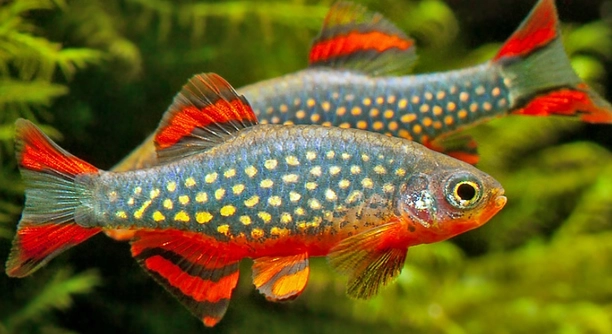
Observing danios over seven weeks has been a quietly enlightening experience. Their movements, interactions, and subtle changes reveal a complex world that is easy to overlook in a busy home aquarium. Each day offered small, surprising lessons.
Through careful observation, it became evident that danios exhibit distinct social structures and behavioral patterns. They respond to environmental changes, display feeding hierarchies, and show signs of stress or comfort. Understanding these traits provides valuable insight into their care and wellbeing.
These seven weeks highlighted behaviors that are often missed, offering practical insights for anyone keeping danios in a home aquarium. Each detail contributes to a deeper understanding of their nature and needs.
Daily Observations and Patterns
Over the seven weeks, I noted daily behaviors that revealed consistency and variation among my danios. Mornings were the most active, with fish darting energetically across the tank. Midday brought slower movements, often resting near plants or decorations. Feeding times were predictable, and the group displayed clear preferences, sometimes chasing food or leaving certain pellets untouched. Some fish consistently swam together, forming small clusters, while others preferred solitary paths. I also noticed subtle signs of stress, such as hiding or rapid gill movement, which often coincided with sudden changes in light or water temperature. These patterns showed that danios are highly responsive to their environment and routines, emphasizing the importance of stable tank conditions. Keeping notes each day allowed me to see trends and differences among individuals, helping me understand both collective and personal behaviors. By observing consistently, I gained insight into their habits and temperaments, which informed how I adjusted feeding schedules and tank arrangements to support their wellbeing.
Even small environmental changes affected their activity. Danios reacted immediately to light, water movement, and temperature fluctuations.
Consistency in observation is key. By tracking daily behavior, I could identify patterns, stress signals, and interactions that might otherwise go unnoticed. These observations helped improve tank conditions and informed subtle adjustments to enhance their comfort.
Social Structure and Interactions
Danios formed small, observable hierarchies quickly.
Throughout the observation period, it became clear that danios maintain social structures within the tank. Certain individuals consistently took the lead, initiating movements or feeding first, while others followed or waited. Aggressive behaviors were minimal but occasionally appeared during feeding or when space was limited, indicating subtle competition for resources. Swimming in groups, they displayed synchronized movements, often mirroring each other’s patterns and positioning. This coordination suggests an instinctual system for maintaining safety and cohesion. I also noticed that younger or smaller fish often stayed near the center of the group, protected by the more active or dominant members. Over time, bonds became apparent, with certain pairs swimming closely and sharing space consistently, showing preferences within the group. Recognizing these interactions helped me better manage the tank environment, ensuring enough space, hiding spots, and feeding distribution to minimize stress and support natural behaviors. Observing social dynamics offered practical guidance for improving daily care routines and overall tank harmony.
Feeding Habits and Preferences
Danios quickly showed clear preferences for different foods. Some eagerly ate flakes, while others ignored them and went for frozen or live options. Timing and portion size affected how they competed during feeding.
Over several weeks, I experimented with various foods to see which the danios preferred and how they reacted to different feeding routines. Flakes were often the first choice for some, but frozen brine shrimp and bloodworms drew the most consistent attention. Feeding in smaller amounts several times a day reduced competition and ensured all fish got proper nutrition. I noticed that dominant individuals sometimes pushed others aside, but adjusting placement and spacing helped balance access. Observing reactions to new foods also highlighted which fish were more adventurous versus cautious. These insights allowed me to provide a varied diet while keeping feeding times calm and orderly.
I also noticed that feeding behavior changed with tank activity. On high-activity days, fish ate faster and more aggressively, while calmer days resulted in slower, more selective feeding. This suggested a link between environment, activity, and appetite.
Response to Environmental Changes
Temperature shifts caused immediate reactions in swimming speed and positioning. Danios moved to preferred areas, often near plants or filter flow adjustments.
Light intensity influenced activity significantly. Brighter light made fish more cautious, sticking to corners or shaded areas, while dimmer conditions encouraged exploration and social interaction. Water flow from filters also affected movement patterns; some fish enjoyed stronger currents, while others avoided them. Changes in tank decoration or adding new objects caused temporary curiosity followed by cautious avoidance. Even minor alterations like adjusting the water level or moving a plant led to noticeable behavior shifts. Observing these reactions emphasized that danios are highly sensitive to their surroundings. Understanding their preferences helped me maintain stable conditions and reduce stress, improving overall tank health and encouraging natural behaviors.
Activity Levels Throughout the Day
Danios were most active in the morning, swimming quickly and exploring the entire tank. Midday activity slowed, with many resting among plants.
Evening brought a mix of movement and rest. Some fish remained active near the surface, while others stayed close to decorations, conserving energy until the next day.
Stress Indicators
Subtle signs of stress included rapid gill movement, sudden darting, or hiding behind plants. Recognizing these behaviors helped me adjust tank conditions quickly to keep the fish calm and healthy. Observing stress patterns over time also highlighted which areas of the tank were most comfortable and safe for them.
Interaction with Tank Mates
Danios displayed consistent social bonds, often swimming in pairs or small groups. Certain fish preferred each other’s company, while others stayed slightly apart, showing a natural balance of closeness and independence within the tank community.
Adjustments and Improvements
Changing feeding locations, adding hiding spots, and regulating light improved overall behavior and comfort. These small adjustments helped maintain balance and encouraged natural activity patterns among the danios.
FAQ
How much should I feed my danios daily?
I found that feeding small amounts multiple times a day worked best. Each feeding should last only a couple of minutes, allowing all fish to eat without overcrowding. Overfeeding can lead to water quality issues, so controlling portions is important for their health.
What foods do danios prefer?
Danios enjoy a variety of foods. Flakes, frozen brine shrimp, and bloodworms were the most popular in my observation. Some fish showed clear preferences, so offering a mix ensures they all get proper nutrition. Occasional treats like daphnia can also be included for variety.
How can I tell if my danios are stressed?
Stress shows through changes in behavior. Rapid gill movement, darting, hiding, or staying near the tank bottom can indicate stress. Environmental changes like temperature fluctuations, strong currents, or sudden light shifts often trigger these behaviors. Regular observation helps catch issues early.
Do danios get along with other tank mates?
Danios are generally peaceful, but they do establish a social hierarchy. They swim in small groups or pairs and can show minor competition during feeding. Observing their interactions can help you understand group dynamics and prevent conflicts.
How often should I change the water?
Water changes are essential for healthy danios. I performed a partial water change weekly, about 20–25% of the tank. This helped maintain water quality, remove excess waste, and prevent sudden stress from drastic environmental changes. Consistency is key.
What is the ideal tank setup for danios?
Danios need enough space to swim freely. Plants, decorations, and hiding spots offer security and reduce stress. Moderate water flow and a stable temperature between 72–78°F create a comfortable environment. Observing how the fish use the space can guide further adjustments.
How can I encourage natural behavior in danios?
Providing a varied environment and consistent routine encourages natural swimming, schooling, and feeding behaviors. Observing their daily activity allows you to identify favorite spots and tailor the tank setup to support their comfort and social interactions.
Why do danios dart suddenly?
Sudden darting is usually a reaction to perceived threats, water changes, or environmental disturbances. It can also indicate playfulness or excitement, especially during feeding times. Watching their body language helps distinguish stress from normal activity.
Do danios recognize their owner?
Danios seem to notice regular caretakers. They often swim toward familiar movements near the tank during feeding. While not affectionate in the same way as mammals, this recognition demonstrates awareness and anticipation of food or interaction.
Can danios live in community tanks?
Yes, danios do well in community tanks with compatible species. They prefer active, non-aggressive companions. Monitoring interactions ensures everyone remains comfortable. Tank size and hiding spaces are important to prevent stress and allow natural social behaviors to occur.
How do danios respond to changes in light and temperature?
Light and temperature changes affect activity levels. Bright light often makes them cautious, while dimmer conditions increase exploration. Temperature shifts can trigger faster swimming or hiding. Maintaining stability is crucial to reduce stress and encourage regular daily behavior.
What should I do if a danio becomes ill?
Isolate sick fish immediately to prevent spread of disease. Monitor symptoms like clamped fins, lethargy, or unusual swimming. Adjust water quality, provide proper nutrition, and consider treatment if necessary. Observing the group daily helps catch illness early and maintain overall tank health.
How do I maintain the social balance in a danio group?
Observe their interactions and group dynamics. Ensure enough space, distribute food evenly, and provide hiding spots. Subtle dominance behaviors are normal, but interventions may be needed if any fish is repeatedly stressed or excluded from the group.
Why do some danios swim alone while others stick together?
Individual temperament influences behavior. Some are naturally more independent, while others prefer company. Both behaviors are normal and indicate a balance of social dynamics. Observing these patterns helps in adjusting tank setup to accommodate different personalities.
Can danios adapt to a new tank easily?
Danios are generally adaptable but need time to adjust. Introducing them slowly, maintaining stable water conditions, and providing familiar elements like plants or hiding spots helps reduce stress and encourages natural behavior in the new environment.
What signs indicate a happy danio?
Active swimming, schooling, regular feeding, and exploration indicate wellbeing. Calm resting near plants or decorations is also normal. Observing consistent, confident behavior over time shows they are comfortable and thriving in their tank.
How long do danios usually live?
With proper care, danios can live 3–5 years, sometimes longer. Stable water conditions, a balanced diet, and a stress-free environment contribute to longevity. Regular observation ensures early intervention for health issues, supporting a full, active life.
How can I improve their tank environment gradually?
Small, gradual changes work best. Adding plants, rearranging decorations, or adjusting light intensity should be done in stages. This allows danios to adapt without stress. Watching their response guides further adjustments for a comfortable and engaging environment.
Is it important to observe danios daily?
Daily observation provides insights into feeding, behavior, social interaction, and health. Noticing subtle changes early helps prevent problems and ensures the fish remain active, healthy, and stress-free. Consistent attention also strengthens understanding of their individual personalities.
What is the best way to introduce new danios to a group?
Quarantine new fish first, then introduce them gradually. Providing hiding spots and enough space reduces conflict. Observing initial interactions allows adjustments to tank conditions and ensures smooth integration with minimal stress for both new and existing fish.
How do danios communicate with each other?
Danios communicate through movement, positioning, and subtle displays. Synchronized swimming, chasing, and spacing indicate social hierarchy and comfort levels. Understanding these signals helps interpret group behavior and identify potential stress or dominance issues.
Can danios live alone?
Danios are schooling fish and prefer company. Keeping them alone can lead to stress and unusual behavior. Groups of at least four or five are recommended to support natural social interaction and reduce anxiety.
How do seasonal changes affect danios?
Even in a controlled tank, seasonal light and temperature variations influence activity and feeding behavior. Maintaining consistent conditions helps minimize stress and supports regular patterns of swimming, feeding, and resting. Observation ensures adjustments are made before stress occurs.
What is the ideal tank size for a small group?
For a small group of five to six danios, a tank of at least 20 gallons is suitable. Adequate swimming space, plants, and hiding spots prevent stress and allow natural schooling behavior. Proper filtration and maintenance support health and wellbeing.
How do I know if my tank is too crowded?
Signs of overcrowding include excessive chasing, hiding, uneven feeding, or sluggish swimming. Ensuring enough space per fish, providing decorations, and observing daily behavior helps maintain a balanced and stress-free environment.
Final Thoughts
Observing danios over seven weeks has been an enlightening and informative experience. These small fish display remarkable patterns of behavior, social interactions, and responses to their environment that are often easy to overlook. Each day brought small but noticeable changes, from shifts in swimming patterns to preferences for certain foods or areas of the tank. By paying close attention, I was able to see how subtle adjustments to the environment could influence their comfort and activity levels. Simple things, like adding extra plants or adjusting the light, had noticeable effects on their behavior. I realized that even small details matter in creating a balanced and healthy tank. Watching the group closely highlighted the importance of consistency, patience, and attentiveness in caring for danios. Their movements and reactions reflected both individual personalities and collective behaviors, demonstrating the complexity of life even in a small aquarium setting.
One of the most valuable lessons was understanding their social dynamics. Danios naturally form groups, establish minor hierarchies, and develop bonds with certain individuals. Some prefer to swim together, while others display more independent tendencies. Observing these patterns allowed me to better arrange the tank, distribute food fairly, and provide hiding spots where fish could retreat if needed. Stress signs became easier to detect once I learned to recognize the subtle cues, such as rapid gill movements, sudden darting, or prolonged hiding. These behaviors are signals that the tank environment may need adjustment, whether through water quality, temperature regulation, or spacing changes. Daily observation provided a clear picture of what each fish needed to thrive. Over time, I could anticipate certain behaviors, improve their overall wellbeing, and foster a more harmonious environment. This understanding reinforced the idea that careful observation and small, thoughtful interventions are key to maintaining a healthy group of danios.
Finally, observing danios reinforced the importance of maintaining a stable and enriched environment. They respond to light, temperature, water flow, and decoration changes more than one might initially expect. Adjusting these factors gradually and thoughtfully allowed them to remain active, confident, and comfortable. Feeding habits, activity levels, and interactions all became easier to manage once patterns were recognized. By providing a consistent routine, sufficient space, and variety in their environment, it was possible to encourage natural behaviors and reduce stress. These seven weeks of observation highlighted the value of attention to detail, patience, and commitment to care. Each small improvement in the tank setup or daily routine contributed to a healthier, happier group of danios. Overall, taking the time to observe and respond to their needs offered both practical knowledge and a deeper appreciation for their behavior, demonstrating that even small fish can teach meaningful lessons about care, environment, and interaction.

Hello,
If you enjoy the content that we create, please consider saying a "Thank You!" by leaving a tip.
Every little bit helps us continue crafting quality advice that supports the health, happiness, and well-being of pets around the world, for pets of all shapes, sizes, and species.
We really appreciate the kindness and support that you show us!