
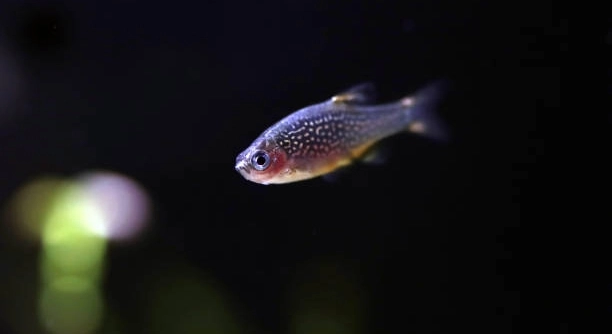
Danios are small, active fish that many hobbyists enjoy keeping in aquariums. Watching them swim gracefully is satisfying, and understanding their behavior helps create a healthy environment for them to thrive naturally.
Several conditions can trigger Danio spawning, including water temperature, light cycles, water quality, diet, tank setup, seasonal cues, and social interactions. Each factor plays a crucial role in stimulating reproductive behavior and ensuring successful egg production and fertilization.
Recognizing these triggers allows you to create the ideal conditions for Danios, supporting their health while encouraging natural breeding patterns effectively.
Water Temperature
Water temperature is one of the most important factors for triggering Danio spawning. Slightly warmer water signals the fish that conditions are ideal for reproduction. Typically, a range of 24–28°C encourages activity and readiness to spawn. Sudden changes in temperature should be avoided, as they can stress the fish and prevent breeding. Gradual adjustments mimic natural seasonal changes, helping to stimulate reproductive behavior without causing harm. Maintaining consistent warmth also ensures that eggs develop properly after being laid. In addition, temperature influences metabolism and feeding habits, which are closely tied to reproductive health. Observing the fish for signs of increased activity or pairing behavior can help confirm that the water temperature is suitable. Careful monitoring and gradual adjustments create a stable environment that encourages natural spawning patterns and supports the long-term health of the aquarium.
Slightly warmer water triggers Danios to spawn, increasing activity and signaling ideal conditions for reproduction and egg development.
Consistent temperature prevents stress and supports metabolic processes that are essential for reproduction. Gradual changes mimic seasonal cycles, encouraging natural breeding behavior. Proper warmth ensures eggs are viable, and the fish remain active and healthy. Regular observation helps identify readiness to spawn.
Light Cycles
Regular light cycles help regulate Danios’ biological clocks and stimulate spawning activity.
A consistent day-night cycle of 12 hours promotes natural breeding behaviors and reduces stress, making the fish more likely to spawn.
Danios respond to light changes by adjusting their activity and reproductive timing. Maintaining predictable light patterns enhances hormonal responses linked to spawning. Gradual increases in light intensity or duration can mimic seasonal shifts, encouraging readiness to reproduce. Light cycles work together with temperature, water quality, and diet to create the ideal breeding environment. Observing behavior such as chasing or pairing provides insight into spawning readiness. Properly timed light exposure supports overall health, promotes natural activity, and increases the likelihood of successful egg fertilization. It is important to avoid abrupt changes, which can disrupt hormonal balance and prevent reproduction. By managing light cycles carefully, the aquarium environment becomes more supportive for natural breeding patterns.
Water Quality
Clean water is essential for Danio spawning. High ammonia or nitrite levels can prevent breeding and stress the fish. Regular testing and partial water changes keep the environment safe and supportive for reproduction.
Maintaining stable pH and hardness levels is equally important. Danios thrive in slightly soft to moderately hard water with a neutral to slightly alkaline pH. Sudden fluctuations can reduce spawning activity or damage eggs. Filtration should ensure proper circulation without creating strong currents that stress the fish. Aeration helps maintain oxygen levels, which is crucial for egg development. A balanced approach to water management supports both adult fish and the health of future fry. Monitoring chemical levels regularly allows adjustments before problems arise, ensuring a consistent and safe environment.
In addition, removing uneaten food and debris prevents the buildup of harmful bacteria. This keeps the tank clean and reduces disease risks, creating an environment where Danios feel secure enough to spawn naturally. Observing the fish for active swimming and pairing behavior can indicate that water conditions are optimal, supporting successful reproduction and healthy fry development. Proper water quality forms the foundation for all other spawning triggers, making it a priority for any breeding setup.
Diet and Nutrition
A varied and high-quality diet improves reproductive success. Feeding live or frozen foods, such as daphnia, brine shrimp, and bloodworms, enhances fertility and energy levels for spawning.
Protein-rich meals promote egg development and increase mating activity. Combining commercial flakes or pellets with live foods ensures balanced nutrition. Feeding small amounts multiple times a day keeps Danios healthy and active. Overfeeding should be avoided to prevent water quality issues, which can hinder breeding. Seasonal changes in diet can also mimic natural cues, stimulating reproductive readiness. Proper nutrition strengthens immune systems, reduces stress, and supports sustained energy for courtship and egg-laying behaviors. Observing appetite and condition can guide adjustments to feeding routines.
Supplementing with vitamin-enriched foods further enhances reproductive capacity. Variety in texture and type encourages natural hunting behavior, keeping the fish mentally stimulated. Careful feeding routines, combined with optimal water quality and environmental cues, create conditions where Danios are more likely to engage in consistent spawning. Maintaining diet quality throughout the breeding period supports both adult health and fry survival, ensuring long-term success in your aquarium setup.
Tank Setup
A well-structured tank encourages Danios to spawn. Providing plants, hiding spots, and open swimming areas creates comfort and security for natural breeding behavior.
Spacing and decoration placement help reduce aggression and allow pairing. Live plants and fine-leaved decorations mimic natural environments, making the fish more likely to lay eggs.
Seasonal Cues
Seasonal changes in temperature, light, and diet can trigger spawning. Simulating spring conditions often increases reproductive activity, signaling the fish that it is the right time to breed.
Social Interactions
Danios are social fish that respond to group dynamics. Keeping an appropriate male-to-female ratio encourages natural pairing and reduces stress, promoting successful spawning.
Egg-Laying Surfaces
Providing suitable surfaces like plants, spawning mops, or mesh encourages Danios to deposit eggs. These surfaces help protect eggs from being eaten and support healthy development.
FAQ
How often do Danios spawn?
Danios can spawn frequently under optimal conditions, often every few weeks. When water temperature, light cycles, diet, and tank setup are ideal, they display consistent breeding behavior. Observing active pairing, chasing, and egg-laying indicates that the fish are reproducing regularly. Maintaining stable conditions encourages a natural rhythm.
Can I breed Danios in a small tank?
Yes, but tank size matters. A minimum of 10–15 gallons is recommended for a small group to reduce stress and aggression. Smaller tanks may limit swimming space and increase competition for resources, which can inhibit spawning. Proper filtration and regular water changes are essential in compact setups.
What is the best diet for breeding Danios?
A varied diet with high-protein foods promotes fertility and energy. Live or frozen options such as daphnia, brine shrimp, and bloodworms complement commercial flakes or pellets. Feeding small, frequent portions keeps fish active without overloading the water with waste, which could disrupt spawning conditions.
How do I know if Danios are ready to spawn?
Signs include increased activity, chasing behavior, and pairing among males and females. Males often display brighter colors, while females may appear plumper with developing eggs. Monitoring these behaviors, combined with optimal environmental conditions, can help predict when spawning is imminent.
Do Danios eat their eggs?
Yes, they often consume eggs if left unprotected. Providing spawning mops, fine-leaved plants, or mesh surfaces helps shield eggs from adults. Removing eggs to a separate nursery tank or using a dedicated breeding setup can improve survival rates.
What water parameters are ideal for spawning?
Slightly soft to moderately hard water with a neutral to slightly alkaline pH is preferred. Temperatures between 24–28°C stimulate reproductive behavior. Stable conditions, combined with clean water and proper filtration, prevent stress and support egg development. Avoid sudden changes in temperature or chemistry.
How long do Danio eggs take to hatch?
Hatching usually occurs within 24–48 hours under optimal conditions. Temperature and water quality influence the timing. After hatching, fry are very small and require fine foods such as infusoria or commercially available fry foods for initial growth.
Can seasonal cues affect spawning?
Yes, simulating spring-like conditions through gradual temperature increases, extended light periods, and diet adjustments can trigger reproductive activity. These cues mimic natural environments and encourage breeding even in a controlled aquarium setting.
Is it necessary to separate males and females after spawning?
Separating adults after spawning prevents them from eating eggs and reduces stress on the fry. If using a dedicated breeding tank, removing adults once eggs are laid ensures higher survival rates and healthier development for the young.
How many eggs do Danios usually lay?
The number of eggs varies depending on age, health, and environmental conditions. A single spawning session can produce anywhere from 50 to over 200 eggs. Regular monitoring and proper tank management help ensure the eggs are fertilized and develop successfully.
What are common problems when trying to breed Danios?
Stress, poor water quality, inappropriate temperature, or insufficient nutrition can all reduce spawning success. Aggression among males or overcrowding can also prevent breeding. Observing the fish closely and maintaining ideal conditions are key to addressing these issues.
How can I improve fry survival rates?
Providing protected surfaces, separating eggs or fry from adults, feeding appropriate foods, and maintaining clean water are essential. Stable temperatures, minimal disturbances, and gentle filtration help young Danios grow strong and healthy in their early stages.
Can Danios spawn year-round?
With controlled conditions, they can reproduce throughout the year. Consistent temperature, light cycles, clean water, and a high-quality diet remove seasonal restrictions, allowing breeding to continue in home aquariums regardless of outside weather.
Are all Danio species easy to breed?
Most common Danios, like the zebra danio, are relatively easy to breed. However, some less common species may have more specific environmental or dietary needs. Researching the particular species is important for successful reproduction and healthy fry development.
How long does it take for fry to reach maturity?
Fry typically grow rapidly and can reach sexual maturity in 2–3 months under optimal conditions. Adequate nutrition, clean water, and a low-stress environment support healthy growth, ensuring they are ready to reproduce when they mature.
What is the role of light in spawning?
Light cycles regulate biological clocks and influence hormonal activity. Consistent day-night patterns of about 12 hours encourage natural behavior, reduce stress, and increase the likelihood of successful spawning in a home aquarium.
Do I need special equipment for breeding Danios?
Basic aquarium equipment, including heaters, filters, and aeration, is usually sufficient. Additional items like spawning mops or fine-leaved plants can improve egg survival. A thermometer and water test kits help maintain consistent and safe conditions for reproduction.
Can Danios spawn without plants?
Yes, but plants or spawning mops provide surfaces for eggs and increase survival rates. Bare tanks may result in eggs being eaten by adults, reducing overall breeding success. Providing safe surfaces is a simple way to improve outcomes.
What should I do if eggs are not hatching?
Check water quality, temperature, and fertilization status. Eggs may fail to develop if conditions are poor or if adults consume them prematurely. Adjusting parameters and removing eggs to a separate nursery tank often resolves this issue and improves hatching success.
How do I encourage multiple spawnings?
Maintaining optimal water quality, temperature, diet, and light cycles allows frequent reproductive activity. Gradual environmental changes that mimic seasonal conditions help trigger repeated spawning events, supporting healthy egg production and fry growth over time.
Final Thoughts
Breeding Danios requires attention to several key factors, but it can be a rewarding experience when approached systematically. Water conditions, including temperature, pH, and hardness, play a critical role in reproductive success. Maintaining stable, clean water ensures that the fish remain healthy and active, creating an environment conducive to natural spawning. Gradual adjustments in temperature or chemistry mimic seasonal changes, which signal the fish that it is time to reproduce. In addition to water quality, light cycles influence their biological rhythms. A consistent day-night schedule helps regulate hormonal activity, reduce stress, and stimulate breeding behavior. Sudden changes in lighting can cause disruptions, so predictability is important for both adult fish and the developing eggs. By combining these environmental factors, you establish a strong foundation for consistent reproductive activity, supporting both adult health and the well-being of future fry.
Diet and nutrition are equally important for successful Danio spawning. A protein-rich diet enhances energy levels, supports egg development, and encourages active courtship behaviors. Live or frozen foods, such as daphnia, brine shrimp, or bloodworms, provide essential nutrients that commercial flakes or pellets alone may not offer. Feeding small portions multiple times a day keeps fish active while avoiding excessive waste that could compromise water quality. Seasonal dietary adjustments can further simulate natural conditions, encouraging reproductive readiness. Monitoring the health and condition of the fish allows for timely changes to their diet, ensuring they receive the nutrients necessary for successful spawning. Combining proper nutrition with optimal water conditions, light cycles, and a well-structured tank helps create a complete and supportive environment for Danios to breed naturally.
Social interactions and tank setup also influence spawning outcomes. Danios are social fish, and maintaining a balanced male-to-female ratio encourages pairing and reduces aggression. Providing plants, hiding spots, and open swimming areas increases comfort, allowing natural behaviors to emerge. Suitable surfaces for egg-laying, such as fine-leaved plants or spawning mops, protect eggs from being eaten and promote successful development. Seasonal cues, including changes in temperature, light, and diet, further stimulate reproductive activity. Paying attention to these details ensures that eggs are fertilized and fry have a higher chance of survival. Observing behavior closely allows you to make small adjustments that improve outcomes without causing stress. By addressing water quality, diet, tank setup, light, and social dynamics, it is possible to create conditions that support natural Danio reproduction, leading to healthy adults and thriving offspring in a home aquarium setting.

Hello,
If you enjoy the content that we create, please consider saying a "Thank You!" by leaving a tip.
Every little bit helps us continue crafting quality advice that supports the health, happiness, and well-being of pets around the world, for pets of all shapes, sizes, and species.
We really appreciate the kindness and support that you show us!