
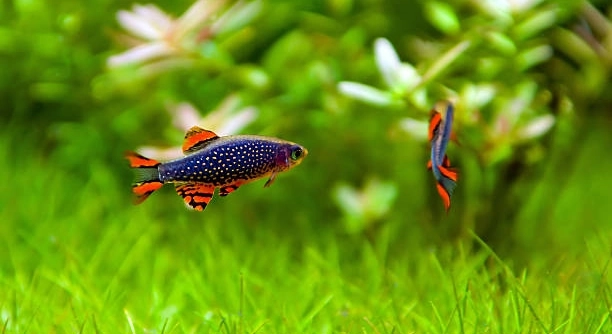
Celestial Pearl Danios are small, vibrant fish that captivate many aquarium enthusiasts. Their delicate patterns and active swimming habits make them a favorite, but there is more to their behavior than meets the eye in everyday observation.
These fish exhibit complex social hierarchies, subtle territorial displays, and specific feeding routines. Understanding these patterns can help aquarists provide optimal care, encourage natural behaviors, and maintain a harmonious aquarium environment that supports their health and well-being.
Observing these little-known behaviors can transform how you care for your Danios and enrich their daily lives.
Subtle Social Hierarchies
Even in a small tank, Celestial Pearl Danios establish clear social structures. Dominant individuals often take the center of activity while others hover near the edges. This hierarchy influences feeding patterns, mating behavior, and general movement. Observing these interactions helps aquarists predict stress levels and avoid overcrowding issues. Subtle signs, like chasing or gentle nudges, indicate rank without aggression. In a group, some Danios display leadership during exploration, guiding peers to new areas. These behaviors can shift over time as fish mature or as tank composition changes. Recognizing hierarchy allows for better tank planning, ensuring hiding spots and open swimming spaces are balanced. It also helps in selecting compatible tank mates to maintain harmony. Watching the group dynamics can be fascinating, revealing how even small fish navigate complex social structures. Overall, understanding these hierarchies contributes to healthier, calmer fish, reducing conflicts and promoting natural behaviors that enhance the tank’s visual appeal and overall balance.
Hierarchy directly impacts feeding, mating, and stress, making observation key for a healthy, balanced tank environment.
Being aware of dominance patterns allows you to anticipate behavioral shifts. Providing a variety of hiding spots and open areas ensures all fish feel secure, while minimizing aggressive encounters. This attention to social structure can improve breeding success and daily activity levels.
Feeding Preferences and Timing
Celestial Pearl Danios are selective feeders and respond to consistent feeding schedules.
They thrive on small, frequent meals rather than one large feeding, which aligns with their natural grazing behavior.
Providing a mix of high-quality flakes, micro-pellets, and live or frozen foods encourages natural foraging. Feeding at the same times daily reduces stress and competition. Observing which fish eat first can reveal social rank. Some Danios may prefer surface feeding, while others explore the mid-water or bottom areas. Overfeeding can lead to water quality issues, so moderation is important. Rotating food types helps maintain optimal health, promoting coloration and energy levels. Young or smaller fish may need softer foods to avoid being outcompeted. Feeding rituals also influence activity patterns; fish may become more alert and interactive before meals. Maintaining variety and timing consistency supports both physical health and natural behaviors, creating a balanced and lively tank environment that encourages growth and reduces aggression.
Regular, consistent feeding enhances overall health and encourages natural foraging behavior.
Understanding feeding preferences allows for better food distribution and prevents weaker fish from being outcompeted, ensuring all fish receive adequate nutrition and maintain vibrant coloration. It also supports natural energy cycles throughout the day.
Activity Patterns
Celestial Pearl Danios are most active during daylight, exploring and interacting constantly. Their movement is fluid and deliberate, reflecting both curiosity and social engagement within the tank.
Activity peaks in the morning and late afternoon, coinciding with feeding times. Fish may scatter when startled, but generally remain cohesive in small groups. They prefer swimming near plants and structures, using these areas for cover and exploration. Recognizing these patterns helps plan tank lighting and feeding schedules, ensuring they remain healthy and stress-free. Over time, owners can notice subtle differences in energy levels, which may indicate age, health, or environmental changes. Encouraging natural activity with varied tank decorations supports both physical and mental stimulation, keeping the fish alert and vibrant.
Monitoring these patterns allows for better tank management and maintains overall fish health.
Consistent observation of energy levels and activity areas helps prevent boredom and supports natural behaviors, making the aquarium a more engaging and balanced environment.
Breeding Behavior
Male Celestial Pearl Danios display brighter colors and active chasing during mating periods. This signals readiness and establishes pairings within the group.
Spawning usually occurs in dense plant areas or over fine-leaved moss. Males perform gentle nudges and circling motions around females. Eggs are scattered and adhesive, sticking to surfaces rather than being guarded. Fry hatch quickly and remain small and delicate, requiring specialized feeding such as infusoria or finely crushed flakes. Observing subtle signals like color changes and increased fin flaring helps identify optimal breeding conditions. Maintaining stable water parameters and a stress-free environment encourages successful reproduction. Pairing healthy, active fish enhances fry survival and reduces aggressive interactions. Properly planted tanks support egg adhesion and fry hiding spaces, which is critical during early life stages. Regular monitoring and gentle care ensure both adults and offspring remain healthy, allowing natural breeding behaviors to flourish in a controlled setting.
Understanding these behaviors is essential for maintaining reproductive health and supporting fry development in home aquariums.
Observing courtship and egg-laying patterns helps prevent stress and ensures a higher survival rate for young, promoting a balanced and thriving fish population.
Reaction to Tank Changes
Celestial Pearl Danios are sensitive to sudden changes in their environment. Adjustments in water temperature, pH, or decorations can cause brief stress responses.
They quickly adapt when changes are gradual. Introducing new elements slowly helps maintain calm and prevents erratic swimming or hiding, keeping the group balanced and relaxed.
Interaction with Tank Mates
These fish are generally peaceful but selective in companionship. They thrive with other small, non-aggressive species that share similar swimming levels and temperaments. Compatibility reduces stress and encourages natural schooling behavior. Proper observation ensures harmony, avoiding bullying or dominance disputes that can impact health and activity.
Resting Behavior
Celestial Pearl Danios do not remain completely still. They hover quietly near plants or decorations during rest periods, maintaining light activity while conserving energy.
Response to Light Changes
These fish are highly responsive to light intensity. Gradual adjustments support natural circadian rhythms, reducing stress and promoting consistent feeding and activity cycles.
FAQ
How do I know if my Celestial Pearl Danios are stressed?
Signs of stress include erratic swimming, hiding excessively, loss of color, or decreased appetite. Changes in water conditions, overcrowding, or aggressive tank mates can trigger these behaviors. Observing daily habits and providing hiding spots and consistent feeding routines helps reduce stress and maintain health.
What is the ideal water temperature for them?
Celestial Pearl Danios thrive in temperatures between 22°C and 26°C (72°F–79°F). Maintaining a stable temperature is critical, as sudden fluctuations can disrupt their activity, feeding, and breeding patterns. A reliable heater and thermometer ensure consistency in their environment.
Can they live with other fish species?
Yes, but careful selection is important. Non-aggressive, small fish like neon tetras or small rasboras make suitable companions. Avoid large or territorial species that may bully or outcompete them for food, as this can affect both health and behavior.
How often should I feed them?
They do best with small, frequent meals rather than one large feeding. High-quality flakes, micro-pellets, and occasional live or frozen foods mimic natural foraging. Consistent timing reduces competition and stress among the group. Rotating food types promotes color, energy, and overall health.
What is the best tank size for a group?
A minimum of 20 gallons is recommended for a small school of six to ten Danios. More space allows for natural swimming patterns, reduces stress, and supports social hierarchies. Providing plants, hiding spots, and open areas encourages natural behaviors.
How do they behave during breeding?
Males become more colorful and chase females gently, circling them in dense plants or moss. Eggs are scattered and stick to surfaces without parental care. Fry require specialized feeding, and maintaining stable water conditions is essential for survival. Proper observation supports successful breeding.
Do they prefer planted tanks?
Yes, planted tanks provide shelter, resting areas, and natural hiding spots. Dense plants also support breeding by giving surfaces for eggs to adhere to. Plants help mimic their natural environment, keeping them active and secure while reducing stress.
How can I tell if they are healthy?
Healthy Danios have bright, consistent colors, smooth scales, active swimming, and regular feeding behavior. Dull coloration, lethargy, or fin damage may indicate illness or stress. Maintaining clean water, a stable environment, and a balanced diet supports overall health.
Are they sensitive to light changes?
Yes, they respond to light intensity. Gradual changes in lighting support circadian rhythms, reduce stress, and help regulate feeding and activity. Sudden changes can startle them, causing temporary hiding or erratic swimming. Maintaining a consistent light schedule encourages predictable behavior.
How long do Celestial Pearl Danios typically live?
With proper care, they can live up to five years. Stable water parameters, a balanced diet, and a stress-free environment contribute to longevity. Observing behavior and maintaining regular tank maintenance ensures their health and vitality over time.
Can I keep them in a nano tank?
While possible, nano tanks require strict monitoring of water quality and social dynamics. Limited space can increase stress and reduce natural schooling behavior. A well-planted environment and frequent water changes are essential for smaller setups.
How do they interact within their group?
They display subtle hierarchies, with dominant individuals often taking the center of activity. Observing these patterns allows for better tank planning, ensuring hiding spots and open swimming spaces are balanced. Social interactions influence feeding, mating, and overall energy levels.
Do they sleep like other fish?
They do not fully stop moving but hover quietly during rest periods, conserving energy. Providing areas of low light and shelter helps support natural resting behavior while keeping the group secure and calm.
What are common feeding mistakes?
Overfeeding can lead to poor water quality and obesity, while underfeeding weakens fish. Not providing variety may affect coloration and energy. Observing preferences and distributing food evenly prevents competition and ensures all fish receive proper nutrition.
Can they handle changes in water chemistry?
They are sensitive to abrupt changes in pH, hardness, or temperature. Gradual adjustments are necessary to prevent stress. Regular water testing and controlled modifications maintain stable conditions and support both health and natural behaviors.
Is it necessary to have a school of Danios?
Yes, they are social fish and thrive in small groups. A school encourages natural activity, reduces stress, and prevents loneliness. Isolated individuals may become timid, less active, and show diminished coloration.
How do I encourage natural behavior in the tank?
Provide a mix of plants, open swimming areas, and hiding spots. Rotate decorations occasionally, offer varied foods, and maintain stable water parameters. Observing interactions and responding to subtle behavior cues helps create a stimulating and balanced environment.
Are they prone to disease?
They are generally hardy but can be affected by common freshwater diseases like ich or fin rot if stressed or exposed to poor water conditions. Maintaining cleanliness, balanced nutrition, and stress-free conditions reduces susceptibility. Early observation allows prompt treatment and recovery.
How do I handle new tank additions?
Introduce new fish gradually, preferably quarantined for a short period. Sudden introductions can disrupt social hierarchies and stress existing fish. Adding plants or decorations can provide hiding spaces and reduce aggression during acclimation.
Can I breed them successfully at home?
Yes, with stable water conditions, a planted environment, and careful observation of courtship behavior. Providing small, frequent feedings and monitoring fry ensures higher survival rates, supporting natural reproductive patterns.
Do they interact with humans?
While not interactive like some larger fish, they respond to movement near the tank and feeding routines. They may swim closer during feeding times, displaying curiosity and recognition without direct handling or training.
Are water changes important?
Regular water changes are essential to maintain clean, stable conditions. Removing waste, uneaten food, and toxins reduces stress and supports health, activity, and coloration. Small, frequent changes are better than large, infrequent ones.
What tank decorations work best for them?
Low, dense plants, moss mats, and open swimming areas create a natural environment. Decorations that provide cover without obstructing movement encourage exploration, schooling behavior, and resting spots, supporting both comfort and visual appeal.
How do I prevent aggression in a group?
Maintain a proper school size and tank space. Include plants and hiding spots to diffuse dominance conflicts. Avoid aggressive tank mates and monitor interactions, adjusting layout or group composition if stress behaviors appear.
Can they tolerate low oxygen levels?
They prefer well-oxygenated water. Aeration through filters or air stones ensures proper oxygen distribution. Low oxygen can lead to lethargy, gasping, or reduced feeding, so monitoring and maintaining circulation is critical for health and activity.
Do they have favorite swimming areas?
They often explore mid-water and near plants, occasionally venturing to the surface. Providing varied layers in the tank encourages natural movement, reducing boredom and promoting a balanced distribution of activity throughout the aquarium.
Is it necessary to monitor pH and hardness?
Yes, stable pH and moderate hardness support health, reproduction, and activity. Sudden shifts can stress fish and affect behavior, so regular testing and slow adjustments ensure a stable environment.
How long does it take for them to acclimate to a new tank?
Typically a few days to a week. Gradual introduction, stable water parameters, and minimal stressors support a smooth adjustment, allowing natural behavior and normal feeding to resume.
Do they respond to feeding signals?
Yes, they quickly recognize feeding routines and may swim actively or cluster near the top at mealtimes. Consistency reinforces natural foraging and reduces stress from competition.
Are they suitable for beginners?
They are hardy but require attention to water quality, group size, and social dynamics. Observing behavior and maintaining stable conditions ensures success, even for new aquarists.
What is the best water flow for them?
Gentle to moderate flow is ideal. Too strong currents can stress them, while stagnant water reduces oxygen and activity. Filters should circulate water evenly without creating turbulence that interferes with natural swimming patterns.
Can they live in planted nano tanks?
Yes, with careful monitoring. Dense planting provides shelter, while frequent water changes and attention to social dynamics prevent stress in smaller environments. Small, slow-growing species make ideal companions.
Do they change color based on mood or health?
Subtle color changes indicate stress, dominance, or illness. Vibrant coloration reflects health and well-being, while dull tones may signal environmental or nutritional issues requiring attention.
How do I recognize mating readiness?
Males brighten in color and display active chasing or circling behaviors. Dense plant areas or moss mats encourage spawning, and observing these signals helps time feeding and environmental adjustments to support reproduction.
What tank temperature fluctuations are acceptable?
Minimal changes are safest. Gradual adjustments within 1–2°C prevent stress and maintain normal behavior, activity, and feeding. Sudden temperature shifts can lead to lethargy, illness, or disrupted social interactions.
Are they compatible with shrimp or snails?
Yes, generally. Peaceful tank mates like small shrimp or snails are safe, provided the tank is spacious enough. Dense plants provide cover for smaller invertebrates while allowing Danios to swim freely.
How often should I test water parameters?
Weekly testing of pH, ammonia, nitrite, nitrate, and temperature helps maintain a stable environment. Prompt adjustments prevent stress and health issues, keeping both adults and fry thriving.
Do they need supplemental vitamins or supplements?
High-quality food usually provides sufficient nutrition. Occasional live or frozen foods naturally supplement vitamins and minerals, supporting color, energy, and reproductive health without the need for additional supplements.
How do I prevent fin damage?
Provide smooth decorations and avoid aggressive tank mates. Sharp edges or overcrowding can lead to nicks or tears. Maintaining water quality and minimizing stress also supports fin health and recovery.
Is it necessary to monitor their swimming patterns?
Yes, changes in movement may indicate illness, stress, or environmental issues. Regular observation allows early intervention, maintaining a healthy, active, and balanced aquarium.
Do they require a specific pH range?
They prefer slightly acidic to neutral water, typically 6.5–7.5. Stable pH supports activity, feeding, breeding, and overall health, while fluctuations may stress fish and reduce vitality.
Can they live in community tanks with other small fish?
Yes, if tank mates are peaceful and share similar swimming habits. Observing interactions ensures no dominance or aggression occurs, supporting group cohesion and balanced behavior.
How do I know if fry are surviving?
Healthy fry are active, feeding well, and growing steadily. Sparse hiding spots, poor water quality, or overcrowding can reduce survival. Monitoring daily ensures timely care and proper growth conditions.
What is the recommended schooling number?
At least six to ten individuals for natural behavior and social stability. Smaller groups may cause stress, while larger schools require sufficient space to prevent overcrowding and aggressive interactions.
Can they adapt to varying light cycles?
Gradual changes are tolerated, but consistency supports natural activity and feeding patterns. Sudden shifts may stress the group, so stable lighting helps maintain overall health and daily rhythm.
How do I encourage breeding in a planted tank?
Provide dense moss or fine-leaved plants, maintain stable water conditions, feed small frequent meals, and observe males’ courtship behavior. Gradual acclimation supports spawning success and healthy fry development.
Are they sensitive to ammonia or nitrite spikes?
Yes, even low levels can cause stress or illness. Maintaining proper filtration, performing regular water changes, and testing parameters helps prevent toxic conditions and supports longevity.
Do they need hiding spots for comfort?
Yes, hiding spots reduce stress, allow natural resting, and support social hierarchies. Plants, moss, or small decorations create secure areas that enhance well-being and activity levels.
How do I maintain vibrant coloration?
A varied diet, stable water conditions, and low-stress environments enhance natural colors. Overcrowding or poor nutrition can dull pigmentation, so observing behavior and feeding quality food helps maintain vibrancy.
Can they tolerate slight salinity?
Very slight salinity is sometimes used for disease prevention, but prolonged exposure is unnecessary. Pure freshwater conditions with stable parameters are preferred for optimal health and natural behavior.
Do they recognize their own group?
Yes, Danios form cohesive schools and recognize familiar individuals. Stable groups reduce stress, encourage natural swimming patterns, and support harmonious social interactions within the tank.
Are they affected by loud vibrations or noise?
Yes, excessive vibrations or sudden loud sounds may startle them, causing brief erratic swimming or hiding. Minimizing disturbances helps maintain calm and predictable behavior.
How often should I rearrange tank decorations?
Infrequently, and only gradually. Too many changes can disrupt social hierarchies and stress fish. Occasional rearrangement supports exploration without overwhelming the group.
Do they prefer soft or hard water?
They tolerate moderately soft to slightly hard water. Extreme hardness or softness can affect health, coloration, and breeding. Stable, balanced conditions are most important.
How do I prevent fry from being eaten?
Dense plants or mesh separators protect eggs and fry. Removing adults during spawning or providing ample hiding spaces reduces predation, increasing survival rates and supporting natural development.
Are they suitable for planted community tanks?
Yes, provided tank mates are peaceful and space is sufficient. Dense plants provide cover, and open swimming areas allow schooling and natural activity without stress or aggression.
Do they show unique behaviors at night?
They remain near resting spots with minimal movement. Slight hovering near plants or decorations conserves energy while maintaining awareness of surroundings.
How do I maintain water clarity for their health?
Regular water changes, efficient filtration, and avoiding overfeeding maintain clarity. Clean water supports respiratory function, prevents disease, and encourages active swimming and natural behaviors.
Can temperature drops affect breeding success?
Yes, lower temperatures can delay spawning or reduce egg viability. Maintaining stable, ideal temperatures ensures successful courtship, fertilization, and fry development in home tanks.
How do I encourage natural schooling?
Keep an appropriate group size, provide open swimming areas, and minimize aggression. Observing and supporting social interactions reinforces cohesion and displays natural, synchronized movement.
Are they prone to fin rot or fungal infections?
They are generally hardy, but poor water quality or stress can trigger infections. Maintaining cleanliness, stable parameters, and careful observation allows early intervention and recovery.
Do they require special lighting for breeding?
Moderate, consistent lighting is sufficient. Dense plants provide natural spawning surfaces. Sudden bright light may stress fish, while consistent cycles encourage normal reproductive behavior and activity patterns.
How do I know if water flow is suitable?
Moderate flow ensures oxygenation without creating strong currents. Observe swimming behavior; fish should move naturally without struggling against currents or avoiding certain areas due to turbulence.
Can they adapt to temporary water parameter changes?
Gradual adaptation is possible, but sudden shifts in pH, temperature, or hardness can stress them. Controlled, slow changes maintain health and natural behaviors.
Do they respond to tank rearrangements?
Yes, but minor, gradual changes are tolerated. Too frequent or dramatic rearrangements may disrupt social hierarchy and increase stress, affecting feeding and activity levels.
How do I prevent dominance disputes?
Maintain proper school size, space, and hiding spots. Avoid aggressive tank mates and monitor interactions. Adjust layout or group composition if stress behaviors appear, keeping the group harmonious.
Are they active during feeding?
Yes, activity increases as they anticipate food. Providing small, frequent meals ensures all fish access and reduces competition while maintaining natural foraging behavior.
Do they interact with plants?
Yes, they use plants for cover, exploration, and breeding. Dense vegetation encourages natural behaviors, offering hiding spots and resting areas while reducing stress and enhancing tank aesthetics.
Can they tolerate low light conditions?
Yes, but moderate light supports activity, feeding, and natural behaviors. Very low light may reduce visibility and activity, while too bright light can stress them.
How do I identify weak or sick fish?
Signs include lethargy, faded color, loss of appetite, erratic swimming, or fin damage. Prompt attention and environmental adjustments prevent worsening health issues.
Are they suitable for community tanks with bottom dwellers?
Yes, as long as bottom dwellers are peaceful. Danios mainly swim mid-water, minimizing conflict. Proper hiding spots and adequate space reduce stress and support coexistence.
Do they show individual personalities?
Yes, subtle differences in curiosity, boldness, and movement patterns appear within the school. Observing these traits helps anticipate behavior and manage social dynamics effectively.
How often should I clean the tank?
Partial water changes weekly and substrate cleaning as needed maintain healthy conditions. Avoid over-cleaning, which can disrupt beneficial bacteria, balancing cleanliness with ecosystem stability.
Can they thrive in low-nutrient tanks?
They can survive, but growth, coloration, and activity may suffer. A balanced diet and occasional supplemental foods maintain health and natural behaviors, even in planted, low-nutrient setups.
Do they show territorial behavior?
Subtle territoriality exists, mainly among males during breeding or feeding. Providing ample space, plants, and hiding spots reduces aggression while supporting natural hierarchies and interactions.
Are they responsive to human presence?
They notice movement near the tank and may become more active during feeding. While not interactive like larger fish, they show recognition without handling or direct contact.
Can they live with shrimp fry?
Generally yes, but dense plants or hiding areas are necessary. Smaller fry may be at risk without cover, so providing secure zones supports coexistence without predation.
Do they have seasonal behavior changes?
In stable home tanks, seasonal cues are minimal. Slight variations in lighting or temperature may influence breeding activity, but overall behavior remains consistent with proper care.
How do I handle water parameter emergencies?
Immediate partial water changes, testing, and adjustments prevent prolonged stress. Quick responses maintain health, minimize disease risk, and preserve normal behavior patterns in the school.
Are they sensitive to chemicals in the tank?
Yes, cleaning agents, medications, or contaminants can stress or harm them. Only use aquarium-safe products and ensure thorough rinsing to maintain a safe environment.
Do they prefer soft substrates?
Yes, smooth gravel or sand reduces injury risk and allows natural foraging. Avoid sharp or coarse substrates that can damage fins or scales.
How often should I rotate food types?
Occasionally, to provide balanced nutrition and support coloration, growth, and energy levels. A mix of flakes, micro-pellets, and live or frozen foods works best.
Can they tolerate other small schooling fish?
Yes, if peaceful species with similar swimming habits are chosen. Observe interactions to ensure compatibility and minimize stress within mixed groups.
Do they need regular observation?
Yes, monitoring behavior
Celestial Pearl Danios are small, active fish that bring life and movement to any aquarium. Their subtle behaviors, from schooling patterns to feeding routines, reflect a delicate balance of natural instincts and social interaction. Observing them closely allows us to notice their hierarchies, resting habits, and responses to environmental changes. Each fish has its own personality, and paying attention to these nuances helps create a calm and balanced tank. By understanding their daily activity and social cues, owners can better support both individual fish and the group as a whole. This careful observation also helps identify any signs of stress or illness early, allowing for timely intervention.
Maintaining a suitable environment is essential for the well-being of Celestial Pearl Danios. Stable water parameters, proper temperature, and consistent feeding routines provide the foundation for healthy behavior and growth. Dense plants, open swimming areas, and hiding spots mimic their natural habitat, giving them places to rest, explore, and interact safely. Gradual adjustments to light, decorations, or tank mates reduce stress and encourage natural behaviors. Feeding them small, frequent meals with a variety of high-quality foods promotes vibrant coloration and energy levels. By balancing environmental factors and nutrition, owners can ensure that the fish remain active, healthy, and stress-free over the long term.
Breeding and social behaviors are also important aspects of their care. Male Danios display bright colors and active courtship, while females lay eggs that attach to plants or moss. Observing these patterns provides insight into natural instincts and helps guide care decisions. Keeping them in appropriate group sizes encourages natural schooling, reduces aggression, and supports both feeding and reproductive behaviors. Regular water changes, proper filtration, and attention to social interactions all contribute to a stable, thriving community. By focusing on these fundamental aspects—environment, nutrition, and social dynamics—Celestial Pearl Danios can flourish, displaying their full range of behaviors and making a harmonious, vibrant addition to any aquarium.

Hello,
If you enjoy the content that we create, please consider saying a "Thank You!" by leaving a tip.
Every little bit helps us continue crafting quality advice that supports the health, happiness, and well-being of pets around the world, for pets of all shapes, sizes, and species.
We really appreciate the kindness and support that you show us!