
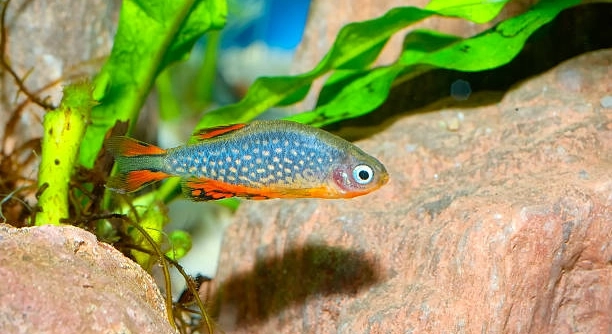
Danios are small, lively fish that often brighten up home aquariums. Their quick movements and playful behavior can make them a joy to watch throughout the day. Observing them can reveal surprising little details.
Danios display curiosity through various behaviors, including investigating new objects, following movements, nibbling at surfaces, and interacting with tank mates. These actions indicate environmental awareness and social engagement, reflecting both instinctual and learned responses in their daily activities.
These subtle actions may seem ordinary, yet each moment gives insight into their inquisitive nature and daily life within the aquarium.
Approaching New Objects in the Tank
Danios often swim directly toward anything new placed in their tank. I noticed this when adding a small decoration; they circled it slowly, sometimes pausing to nudge it with their mouths. Their fins flare slightly, and their bodies move in careful, deliberate motions. This behavior isn’t random—they are assessing the item, testing if it poses a threat, or simply deciding whether it’s worth exploring further. Watching them, I realized how attentive they are to changes in their environment. Even subtle movements or reflections on the glass can attract their attention, prompting similar cautious approaches. Over time, I could see patterns in their curiosity. Some individuals were bolder, touching new objects first, while others hung back, observing. These small interactions added layers to their personalities, making each fish feel more distinct.
Danios’ attention to new objects shows their natural curiosity and need to understand changes in their surroundings.
Their behavior demonstrates a mix of instinct and learning. When new items are introduced, they assess risks, investigate textures, and sometimes interact playfully, revealing intelligence beyond simple swimming patterns. Over weeks, I observed that repeated exposure decreased hesitancy, indicating memory and recognition.
Following Movements Outside the Tank
When someone walks past the aquarium, danios often swim in the same direction, keeping track of movement.
This behavior reflects their alertness and sensitivity to changes in light and motion. Even small hand movements or shadows can capture their attention. They seem to track with purpose, often pausing as if to assess whether the moving object is significant or harmless. Sometimes, a single fish initiates the response, and the others quickly join, forming synchronized patterns. This collective attention reinforces social bonds while satisfying their innate curiosity. I observed that they rarely follow without reason; it’s not random. Their swimming intensifies near the tank glass, and they sometimes circle the area where motion is most noticeable. Over time, I noticed that they remembered frequent visitors or repeated gestures, adjusting their behavior accordingly. The more familiar the movement, the less cautious but still observant they became, highlighting both learning and natural vigilance.
Nibbling at Plants
Danios often nibble at plants in the tank, testing textures and investigating their environment. It’s a subtle behavior that shows curiosity rather than hunger, as they rarely consume significant portions. Watching them interact with plants can be surprisingly engaging.
This nibbling behavior usually starts slowly, with a fish approaching a plant and lightly touching leaves with its mouth. Sometimes they circle the plant before resuming other activities, demonstrating careful exploration. I noticed that different species of plants elicited different levels of interest. Soft, flexible leaves were tested more frequently, while rigid stems received brief inspections. Over time, this interaction can indicate which areas of the tank the fish prefer to explore and which plants they find more intriguing.
Beyond simple contact, the nibbling can reveal social dynamics within the tank. Some fish will gently push others aside to investigate first, while more cautious individuals watch and wait their turn. This shows both curiosity and subtle hierarchy. Additionally, nibbling may serve as sensory enrichment, keeping their environment mentally stimulating.
Inspecting Tank Corners
Danios often pause in corners of the tank, carefully examining the area for changes or potential hiding spots. Their movements are deliberate and observant.
Corners are frequently the first places they inspect when new items are added. I noticed they would hover near the glass, looking closely at any reflections or shadows. Sometimes, they repeatedly return to the same spot, suggesting memory and environmental mapping. This behavior also allows them to check for potential threats or areas of interest without straying far from the safety of open water.
Repeated observations showed that corners became points of fascination, where fish interacted with small objects, substrate, or plants nearby. They seemed to coordinate with tank mates, often exploring together but maintaining personal space. The consistent checking and rechecking indicate a combination of curiosity, caution, and intelligence, reflecting their awareness of both physical surroundings and social dynamics within the tank.
Watching Reflections
Danios often react to their own reflections in the glass, swimming closer and inspecting the “other fish.” This behavior is gentle and exploratory, showing interest without aggression.
They may approach slowly, pause, and circle the reflection. Sometimes they tap lightly with their mouths, as if confirming what they see.
Exploring Substrate
I observed that danios frequently swim close to the substrate, inspecting the gravel and small decorations. They appear to search for tiny particles or simply examine textures. Substrate exploration varies among individuals, with some fish moving quickly and others lingering carefully. Their interest often leads them to pick up small grains or gently move objects, revealing a mix of curiosity and tactile investigation. This behavior also encourages them to navigate the tank thoroughly, preventing boredom and stimulating natural instincts. Watching them interact with the bottom layer gives insight into how they mentally map their environment and engage with familiar surroundings over time.
Interacting with Tankmates
Danios often swim close to each other, following and mimicking movements. This is both social and investigative.
What does it mean when my danios follow me around the tank?
When danios follow movements outside the tank, it shows alertness and interest in changes. They are sensitive to light, shadows, and motion, often swimming toward areas where movement occurs. This behavior can be repeated when the same person or object appears, indicating recognition and memory. Following can also be a social behavior, as other tankmates may join, creating synchronized swimming patterns. It’s not aggression or fear; it’s curiosity and engagement with their environment.
Why do my danios nibble at plants?
Nibbling at plants is a natural way for danios to explore textures and surroundings. They rarely consume large amounts, making it an investigatory action rather than a feeding one. Soft leaves are usually tested more than rigid stems, and repeated nibbling can indicate preferred areas for interaction. This behavior also provides mental stimulation, encouraging activity and preventing boredom. Watching their nibbling can reveal personality differences, with bolder individuals approaching first while more cautious ones observe before interacting.
Do danios inspect tank corners for a reason?
Corners are natural points for exploration and observation. Danios pause in these areas to check for changes, possible hiding spots, or reflections. Returning to corners repeatedly shows memory and spatial awareness. They often coordinate with tankmates, exploring together while maintaining personal space. Corners also allow them to assess safety before moving into open areas. This behavior highlights their curiosity and intelligence, showing how they map their environment mentally.
Why do my danios react to reflections in the glass?
Reflections act as intriguing visual stimuli. Danios may swim closer, circle, or tap lightly, exploring what appears to be another fish. This is gentle, investigative behavior rather than aggression. Repeated interest in reflections indicates recognition of movement, shapes, and possibly learning over time. It also helps them practice spatial awareness and coordination. Watching their reactions can reveal individual personalities, with some more interactive and others cautious or indifferent.
Is it normal for danios to explore the substrate?
Yes, substrate exploration is common. Danios swim close to gravel or small decorations to inspect textures, search for tiny particles, or gently move objects. Some fish explore quickly, while others linger carefully. This behavior stimulates natural instincts, keeps them mentally active, and helps prevent boredom. Observing substrate interaction provides insight into environmental engagement and how each fish navigates its tank.
Do danios show curiosity toward new objects in the tank?
Danios are naturally drawn to changes. New decorations or plants elicit cautious inspection, circling, nudging, or light tapping. Bold individuals approach first, while others observe from a distance. This behavior allows them to assess safety and learn about their environment. Repeated exposure to the same objects can reduce hesitancy, showing memory and adaptability over time.
Why do my danios interact closely with tankmates?
Following, circling, or mimicking other fish is both social and investigative. Danios coordinate movements, maintain awareness of each other, and sometimes compete gently for attention around objects or corners. This social curiosity strengthens bonds and encourages environmental engagement. Observing interactions highlights their intelligence and natural instincts for exploration and companionship.
Can danios learn from repeated observations?
Yes, they can. Patterns such as following movements, inspecting familiar corners, or approaching previously introduced objects show learning and memory. Repeated experiences reduce hesitation and refine behavior. This capacity for observation and adaptation demonstrates that their curiosity is not just instinctual but also informed by prior experiences.
How can I encourage my danios’ natural curiosity?
Introducing small, safe changes to the tank, like new plants, decorations, or subtle movements, engages their curiosity. Varying light and offering tactile or visual stimuli encourages exploration and activity. Maintaining a calm environment and observing without interference allows them to investigate freely. Providing these opportunities enhances their mental and physical well-being while revealing interesting behaviors.
Do danios ever show signs of boredom?
Yes, lack of stimulation can lead to repetitive swimming patterns or reduced interaction. Curiosity-driven behaviors, such as inspecting objects or following movements, help prevent boredom. Offering new items or rearranging the tank subtly can re-engage them and encourage natural exploratory behaviors. Regular observation helps identify signs of disengagement early.
How can I tell which danios are bolder or more cautious?
Bold fish approach new objects, reflections, or tankmates first, while cautious ones observe from a distance before engaging. Personality differences can also appear during substrate exploration or nibbling at plants. Over time, observing reactions to repeated stimuli shows patterns, revealing individual traits and social roles within the group.
Why do some danios seem more interactive than others?
Individual temperament varies, influenced by genetics, prior experience, and social dynamics. Some are naturally more curious, exploring new objects or following movements more actively. Others may prefer to observe before engaging. These differences are normal and reflect distinct personalities within the same tank.
What is the benefit of observing danios’ curiosity?
Watching their interactions helps understand environmental preferences, social dynamics, and learning capacity. It also guides tank maintenance, enrichment, and decoration choices. Observing curiosity reveals personalities, strengthens engagement, and ensures a stimulating and healthy environment for all fish.
Observing danios can be a surprisingly rewarding experience. Their small size and energetic movements make them captivating to watch, and their curiosity adds layers of personality that go beyond simple swimming patterns. Each fish interacts with its environment differently, showing subtle preferences for areas of the tank, objects, or even tankmates. Some are bold, immediately approaching anything new, while others prefer to observe from a safe distance. These differences create a dynamic atmosphere in the aquarium, making it more interesting and engaging to monitor daily. Paying attention to these behaviors can help in understanding their comfort levels, habits, and how they respond to changes in their surroundings. Over time, it becomes easier to recognize individual personalities and anticipate how each fish might react to new stimuli. These small, everyday moments of exploration or interaction are what make caring for danios feel more personal and connected, even in a small tank environment.
Danios’ curiosity is not limited to one type of behavior. They investigate reflections, explore the substrate, nibble at plants, follow movements outside the tank, and check corners or decorations with care and intent. Each of these behaviors serves a purpose, whether it is understanding their environment, engaging socially, or stimulating mental activity. Their curiosity also shows signs of learning and memory. Repeated exposure to objects, reflections, or movements often leads to reduced hesitation, indicating that they remember past experiences and adjust accordingly. This ability to adapt highlights their intelligence and demonstrates that even small fish can possess complex behavioral patterns. Observing these actions allows for a better understanding of how danios interact with their surroundings and each other, which can guide the way the tank is arranged, enriched, or maintained. It also emphasizes that providing an environment that encourages exploration and social interaction is beneficial for their overall well-being.
Paying attention to danios’ curious moments can make aquarium care more engaging and informative. Noticing how they respond to subtle changes or interact with their tankmates provides insight into their natural instincts and preferences. Simple actions, like placing a new decoration or adjusting the layout slightly, can trigger a variety of behaviors that reveal their personalities and social dynamics. These observations can help create a balanced and stimulating environment that keeps them active and mentally engaged. Over time, understanding their patterns can make it easier to recognize signs of stress, boredom, or discomfort, allowing for timely adjustments to their habitat. Appreciating these quiet moments of curiosity highlights the richness of their behavior and encourages a closer connection to the fish. In this way, caring for danios becomes not only about maintenance but also about observing, understanding, and supporting the natural curiosity that defines their daily life.

Hello,
If you enjoy the content that we create, please consider saying a "Thank You!" by leaving a tip.
Every little bit helps us continue crafting quality advice that supports the health, happiness, and well-being of pets around the world, for pets of all shapes, sizes, and species.
We really appreciate the kindness and support that you show us!