
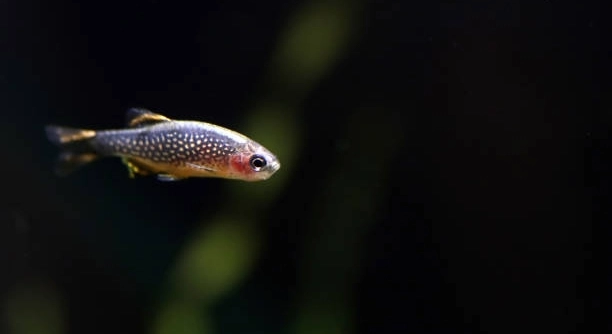
Are your danios spending more time at the bottom of the tank than swimming freely? Many fish owners notice this behavior and wonder what could be causing their usually active pets to stay low.
Danios staying at the bottom of the aquarium is often linked to water quality, stress, disease, or improper tank conditions. Poor oxygen levels, incorrect temperature, overcrowding, and dietary issues can also contribute to lethargic or bottom-dwelling behavior in these fish.
Understanding these common causes will help you create a healthier environment and encourage your danios to swim actively once again.
Water Quality Issues
Poor water quality is one of the main reasons danios stay at the bottom. High ammonia, nitrite, or nitrate levels can make them lethargic and stressed. Even slightly unbalanced pH levels or hard water can affect their behavior. Regular testing and maintenance are essential to keep the tank safe. Sudden changes in water chemistry may shock the fish, causing them to hide or remain inactive at the bottom. Using a reliable water conditioner can help neutralize harmful chemicals. Partial water changes, about 20 to 30 percent weekly, prevent buildup of waste and maintain oxygen levels. Filtration systems must be adequate for tank size, as stagnant water decreases oxygen and increases toxins. Overfeeding also worsens water quality, as uneaten food decomposes and adds pollutants. Observing your danios for signs of stress, such as clamped fins or gasping, helps identify water problems early. Healthy water encourages active swimming and normal behavior.
Regular monitoring of water keeps danios healthy and reduces stress-related bottom-dwelling behavior.
Maintaining proper temperature, pH, and cleanliness ensures your danios thrive. Clean water improves oxygen levels, reduces harmful bacteria, and supports natural activity. Tank size, fish density, and filtration all influence water conditions, so addressing these aspects creates a stable environment for swimming and feeding.
Temperature Fluctuations
Danios are sensitive to sudden changes in temperature. Even minor drops or rises can make them sluggish and remain near the tank floor.
Temperature instability can suppress their metabolism, making them less active. Heaters, thermometers, and stable room temperatures help maintain consistency. Avoid placing the tank near vents or direct sunlight.
Sudden cold water slows digestion and weakens the immune system, increasing susceptibility to disease. Rapid heating can cause stress and erratic swimming. Maintaining a steady temperature between 70–78°F suits most danios. A gradual adjustment during water changes prevents shock. Small, frequent changes in water temperature are safer than large, sudden ones. Consistent warmth helps danios stay active, feed well, and interact normally with tank mates. Proper temperature management is vital for their long-term health and prevents them from lingering at the bottom unnecessarily.
Stress from Tankmates
Aggressive or overly active tankmates can cause danios to stay at the bottom. They may hide to avoid being chased or bullied, which reduces their swimming activity and affects feeding patterns.
Stress weakens the immune system and can lead to illness over time. Danios are fast, social fish, and they thrive in calm, compatible groups. Overcrowding or mixing with territorial species increases tension, making them reluctant to explore the tank. Providing ample hiding spots, plants, and smooth decorations helps danios feel secure. Observing interactions between species is important. If aggression continues, separating the fish or rearranging the tank can reduce stress. Stable social conditions allow them to swim freely and maintain normal behavior.
Proper selection of tankmates and careful observation minimizes stress, helping your danios regain confidence and activity in the aquarium.
Dietary Deficiencies
A poor or unbalanced diet can make danios sluggish and prone to staying at the bottom. They need a mix of protein, vitamins, and occasional plant matter to stay healthy and active.
Feeding only flakes or low-quality food can result in nutrient deficiencies. Danios benefit from a varied diet including high-quality flakes, pellets, frozen foods, and live options like brine shrimp or daphnia. Deficiency in essential nutrients may lead to dull colors, slow swimming, and weakened immunity. Overfeeding can also contribute to bottom-dwelling behavior because it reduces water quality and increases lethargy. Proper feeding routines, controlled portions, and varied nutrition promote energy, growth, and normal activity levels.
A consistent, balanced diet ensures your danios maintain their natural behavior, vibrant colors, and overall health.
Illness or Parasites
Illness or parasites can cause danios to remain at the bottom, appearing weak or inactive. Common signs include clamped fins, unusual spots, or rapid gill movement. Immediate attention is required to prevent worsening conditions.
Quarantining affected fish and using appropriate treatments helps control disease. Observing behavior closely allows early detection, improving recovery chances and reducing tank-wide impact.
Poor Oxygen Levels
Low oxygen levels in the tank make danios sluggish and prone to stay near the bottom. Insufficient aeration reduces swimming activity and overall health, especially in densely stocked aquariums.
Inadequate Tank Size
A small tank limits swimming space, causing danios to stay at the bottom. They require ample room to move freely and maintain normal activity.
Overcrowding
Overcrowding increases stress, reduces oxygen, and encourages bottom-dwelling. Adequate spacing, proper filtration, and controlled population are essential for a healthy, active group of danios.
FAQ
Why are my danios staying at the bottom even though the water looks fine?
Even if water appears clear, chemical levels like ammonia, nitrites, or nitrates may still be harmful. Testing water regularly ensures that all parameters, including pH and hardness, are within the suitable range for danios. Hidden toxins or uneven temperatures can also stress the fish.
Can stress from other fish cause this behavior?
Yes, danios are social but sensitive. Aggressive or larger tankmates can intimidate them, leading to hiding and bottom-dwelling. Providing hiding spaces, plants, and rearranging tank decorations can reduce stress. Sometimes separating aggressive fish is necessary to maintain peace.
Could temperature fluctuations be a factor?
Temperature changes affect metabolism and activity. Sudden drops or rises can make danios sluggish. Maintaining a steady 70–78°F range with a reliable heater and thermometer prevents stress and encourages normal swimming patterns. Avoid placing the tank near vents or direct sunlight.
Does diet affect their swimming behavior?
Absolutely. A poor diet can reduce energy levels. Feeding only flakes or low-quality food may result in lethargy. A mix of high-quality flakes, pellets, frozen, and live foods provides proper nutrition, supporting active behavior and vibrant colors. Overfeeding can also contribute to inactivity.
Could illness or parasites be the reason?
Illnesses, bacterial infections, and parasites can make danios weak and bottom-dwelling. Look for clamped fins, rapid gill movement, or unusual spots. Quarantining affected fish and using proper treatment is critical to prevent the spread of disease. Early detection improves recovery chances.
Can low oxygen cause my danios to stay at the bottom?
Yes, low dissolved oxygen reduces activity. Tanks with poor circulation or overcrowding may develop oxygen-poor zones. Using air stones, proper filtration, and maintaining open swimming areas ensures adequate oxygen for all fish, preventing lethargy.
Does tank size really matter?
Small tanks restrict swimming and natural behavior. Danios need room to move in schools. Providing sufficient space reduces stress, promotes normal swimming, and prevents them from staying at the bottom. A minimum of 20 gallons is recommended for a small group.
How often should I clean the tank?
Regular partial water changes, typically 20–30% weekly, remove waste and prevent harmful buildup. Cleaning the substrate, filter, and decorations maintains water quality, preventing stress and encouraging active swimming. Avoid complete cleanings that disrupt beneficial bacteria.
Can overcrowding affect their behavior?
Overcrowding leads to stress, competition for food, and oxygen depletion. Proper stocking density ensures all fish have space, reducing bottom-dwelling and promoting healthy interactions. Maintaining the right population is essential for a balanced, active tank environment.
Are there signs I can watch for to know if things are improving?
Active swimming, regular feeding, bright coloration, and interaction with tankmates indicate recovery. Reduced hiding and exploring all areas of the tank show that water conditions, diet, and social environment are supportive. Consistent observation helps maintain long-term health.
How can I prevent bottom-dwelling behavior in the future?
Maintaining clean water, steady temperature, varied diet, compatible tankmates, and adequate tank size prevents recurring bottom-dwelling. Observing behavior and addressing minor issues early ensures your danios remain healthy, active, and vibrant in the aquarium.
Is it normal for danios to rest at the bottom sometimes?
Occasional resting at the bottom is normal, especially at night or after active periods. Persistent bottom-dwelling during the day usually indicates a problem with water quality, health, or stress and requires attention.
What is the fastest way to encourage them to swim more?
Ensuring clean water, proper temperature, oxygenation, and a balanced diet is the most effective way. Minimizing stress from tankmates and providing open swimming areas encourages activity quickly. Observing improvements daily helps fine-tune tank conditions for optimal behavior.
Can rearranging tank decorations help?
Yes, rearranging plants, hiding spots, and decorations can reduce stress from aggression or territorial behavior. Changing the layout encourages exploration, reduces hiding, and increases swimming activity, helping danios regain confidence.
Should I worry about disease if they stay at the bottom occasionally?
Occasional resting is normal, but prolonged inactivity with other symptoms like clamped fins, rapid breathing, or loss of appetite signals illness. Prompt diagnosis and treatment are important to protect both the affected fish and the rest of the tank.
How important is monitoring water chemistry?
Monitoring water chemistry is crucial. Even small imbalances in ammonia, nitrites, nitrates, or pH can stress danios. Regular testing ensures stable conditions, preventing lethargy and promoting natural swimming behavior, which keeps the fish healthy and active over time.
Taking care of danios requires attention to their environment, diet, and social conditions. When these factors are balanced, danios are active, healthy, and display natural behaviors throughout the tank. Observing your fish regularly helps identify early signs of stress or illness. Even small changes in water quality, temperature, or tankmates can have noticeable effects on their behavior. Maintaining stable conditions ensures that your fish remain comfortable and reduces the likelihood of them staying at the bottom for extended periods. Proper care is not just about keeping the water clean but also about creating an environment that supports their natural instincts and activity levels. When the tank is well-managed, danios enjoy swimming freely, interacting with each other, and exploring different areas, which makes the aquarium a lively and enjoyable space.
Regular maintenance and attention to their needs are crucial for long-term health. Water quality is the foundation of a healthy tank, and regular testing, filtration, and partial water changes are essential. Temperature consistency is equally important because danios are sensitive to fluctuations that can affect their metabolism and energy levels. Providing a balanced diet ensures they receive essential nutrients, keeping them energetic and vibrant. Social dynamics within the tank also play a significant role; compatible tankmates and adequate space reduce stress and prevent behavioral issues. Overcrowding or aggressive species can make danios hide or stay at the bottom, so careful planning and observation are necessary to maintain a peaceful environment. Paying attention to these factors not only improves their behavior but also helps prevent diseases and other health issues.
Finally, it is important to understand that occasional resting at the bottom is normal for danios, but persistent inactivity may indicate underlying issues. By monitoring behavior and addressing potential problems promptly, you can provide the best care for your fish. Ensuring proper water conditions, a varied diet, sufficient tank space, and compatible companions creates an environment where danios can thrive. Small steps, like adding hiding spots, rearranging decorations, and adjusting tank conditions, can make a significant difference in their activity levels. Being attentive and proactive allows you to maintain a healthy and balanced aquarium, helping your danios remain active, comfortable, and happy. Regular observation, maintenance, and thoughtful adjustments are key to preventing bottom-dwelling behavior and ensuring a positive, long-lasting experience with your fish.

Hello,
If you enjoy the content that we create, please consider saying a "Thank You!" by leaving a tip.
Every little bit helps us continue crafting quality advice that supports the health, happiness, and well-being of pets around the world, for pets of all shapes, sizes, and species.
We really appreciate the kindness and support that you show us!