
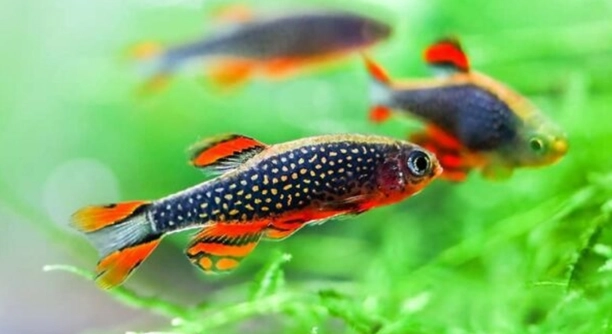
Celestial Pearl Danios are small, colorful fish that have captured the hearts of many aquarium enthusiasts. Their shimmering scales and gentle movements make them a charming addition to any home tank environment. Observing them can be calming and enjoyable.
Celestial Pearl Danios are unique due to their vibrant coloration, distinctive pearl-like patterns, peaceful temperament, small size, schooling behavior, adaptability to aquarium conditions, and ease of care, making them a highly desirable species for both beginner and experienced fishkeepers.
Learning about their traits can help you create a healthier, more engaging tank environment. These details also reveal why they stand out among other freshwater fish species.
Vibrant Coloration
Celestial Pearl Danios are instantly recognizable for their bright, eye-catching colors. Their bodies are usually covered with a mix of blue, orange, and red spots that resemble tiny pearls scattered across a dark background. This coloration can vary slightly between males and females, with males often showing more intense hues. Their striking appearance adds a lively touch to any aquarium, making them one of the most visually appealing small fish available. Over time, their colors can become even more vivid with proper nutrition and care. They respond well to diets rich in protein and small live foods, which help maintain their natural brilliance. Proper lighting in the tank also enhances the reflective quality of their scales, making the pearl-like patterns stand out even more. These factors together ensure the fish not only survive but thrive, showing off their unique appearance in a comfortable environment that mimics their natural habitat.
The bright colors of Celestial Pearl Danios are influenced by genetics, diet, and environment. Males tend to display stronger pigmentation than females.
When you see them swimming together, the vibrant patterns create a lively display. Observing their colors can make tank care feel more rewarding.
Peaceful Temperament
Celestial Pearl Danios are known for their calm and gentle nature. They get along with most small, non-aggressive fish, which makes them a reliable choice for community tanks. Their social behavior encourages harmony in shared aquarium spaces, reducing stress levels for all inhabitants. Even when kept in larger groups, these fish rarely show signs of aggression or territorial disputes. Instead, they focus on swimming in synchronized patterns, which can be soothing to watch. Because of their peaceful disposition, they adapt well to tanks with varied species, provided the other fish are not overly aggressive or much larger. Their gentle temperament also makes feeding time simple, as they don’t compete aggressively for food and are willing to share resources. This quality ensures that all individuals in the tank have an opportunity to eat and remain healthy. Maintaining a balanced environment helps preserve their calm behavior.
Their gentle nature makes them a safe addition to community aquariums.
These fish thrive in groups of six or more, promoting social interaction. Their calm swimming and shared movements bring a serene and balanced energy to the tank, making observation consistently enjoyable over time.
Small Size
Celestial Pearl Danios are tiny fish, usually growing up to one inch in length. Their small size allows them to fit comfortably in smaller tanks while still providing visual appeal. Despite their size, they are active swimmers and maintain a noticeable presence in the aquarium.
Their compact body makes them ideal for nano tanks or smaller community setups. Small size does not mean fragile; these fish are hardy and adapt well to varied conditions. Because they remain small, they require less space for swimming, but still benefit from a tank with enough room to explore, plants to hide among, and open areas to school. Maintaining water quality is easier in smaller tanks, but attention is needed to ensure stability since their small size means they are more sensitive to sudden changes. Regular feeding of small portions keeps them healthy without polluting the water.
Keeping them in smaller aquariums allows you to enjoy their activity and colors without needing a very large tank. Observing their movements and interactions becomes more personal and satisfying, as each fish is easy to track. Their small size also makes tank maintenance simpler, giving more time to appreciate their behaviors.
Schooling Behavior
Celestial Pearl Danios prefer to be in groups of six or more, which encourages natural social interaction. They swim together in coordinated patterns, giving the tank a lively, dynamic appearance.
Schooling is important for their overall well-being. Fish in groups feel more secure, and their confidence improves, which reduces stress and enhances coloration. Alone, they can become shy, hiding frequently and failing to display their natural charm. Group behavior also helps maintain a natural hierarchy without aggression, as the fish interact continuously. Observing their schooling can be mesmerizing, with synchronized swimming creating a sense of harmony. Proper group size supports feeding, as no single fish dominates, allowing all to eat adequately. Additionally, schooling helps them respond better to environmental changes, like shifts in lighting or tank activity. Ensuring a tank is large enough for movement and planting is crucial.
Maintaining a stable school enhances activity, reduces stress, and improves their overall health. These social interactions create a balanced tank environment where the fish are more confident and consistently display vibrant colors, making the aquarium both beautiful and lively.
Adaptability
Celestial Pearl Danios adjust well to different freshwater aquarium conditions. They tolerate a range of temperatures and water parameters, making them easier to care for than many other small fish species. Their adaptability helps them thrive in varied home tank environments.
They respond well to changes in tank setup, plants, and decorations. Gradual adjustments prevent stress and maintain their health.
Ease of Care
These fish are low-maintenance, requiring basic feeding and regular water changes. They accept flake, pellet, and occasional live food, making nutrition straightforward. Their small size keeps the tank easy to manage, and their hardiness reduces the risk of illness. Proper care allows them to live several years.
Distinct Pearl Patterns
Celestial Pearl Danios have small, reflective spots across their bodies, giving them a pearl-like appearance. This unique pattern makes each fish visually striking and easily recognizable.
FAQ
How many Celestial Pearl Danios should be kept together?
Celestial Pearl Danios are schooling fish and do best in groups of six or more. Smaller groups can make them shy and stressed, causing them to hide or lose coloration. A proper group allows natural social behaviors, synchronized swimming, and a calmer tank environment.
What size tank is suitable for them?
A 10-gallon tank is the minimum recommended size for a small group. This provides enough space for swimming, hiding spots, and plants. Larger tanks are always better for stability, better water quality, and accommodating future additions without overcrowding.
What temperature do they need?
They thrive in water between 72°F and 78°F. Sudden temperature changes should be avoided, as small fish are sensitive to stress. Using a reliable heater and thermometer ensures their environment stays consistent and comfortable.
What water parameters are best?
Celestial Pearl Danios prefer slightly acidic to neutral water, with a pH between 6.5 and 7.5. Hardness should be low to moderate, around 2–12 dGH. Maintaining these parameters supports healthy skin, scales, and behavior. Frequent testing and gradual adjustments prevent stress.
Can they live with other fish?
Yes, they do well with other small, peaceful fish. Avoid larger, aggressive species that might intimidate or eat them. Good tank mates include small tetras, rasboras, and small shrimp, which share similar temperature and water preferences.
What should I feed them?
They are omnivores and eat high-quality flakes, small pellets, and occasional live or frozen foods like daphnia, brine shrimp, or bloodworms. Feeding small amounts two to three times a day prevents overfeeding and maintains water quality. Variety improves coloration and overall health.
How long do they live?
With proper care, Celestial Pearl Danios can live for 3–5 years. Stable water conditions, proper feeding, and social interaction increase their lifespan. Regular observation for signs of illness or stress helps catch problems early.
Do they breed easily in home aquariums?
Yes, they can breed if conditions are right. A separate breeding tank with soft, slightly acidic water encourages egg laying. They scatter eggs among plants, and adults should be separated afterward to prevent eating the eggs. Proper care ensures healthy fry growth.
What signs indicate they are stressed or unhealthy?
Stress can show as hiding, loss of color, clamped fins, or lack of appetite. Illness may appear as white spots, frayed fins, or rapid breathing. Monitoring behavior and maintaining water quality helps prevent problems and keeps the group healthy.
How often should the tank be cleaned?
Regular water changes of 25–30% weekly help maintain stable conditions. Cleaning substrate and checking filters prevent debris buildup. Avoid over-cleaning, which can remove beneficial bacteria. Proper maintenance supports their health and vibrant coloration.
Can they tolerate cooler water?
They tolerate slight drops in temperature but prolonged exposure below 68°F can stress them. They do best in a stable, warm environment. Avoid sudden temperature swings and ensure the heater is reliable for consistent conditions.
Are they good for beginners?
Yes, their small size, peaceful nature, and adaptability make them excellent for first-time fishkeepers. They teach basic care skills like feeding, water testing, and observing social behaviors while rewarding owners with beautiful colors and active movement.
What decorations or plants are best for them?
Dense plants, moss, and hiding spots provide security and encourage natural behavior. Open swimming spaces combined with shaded areas balance activity and shelter. Live plants improve water quality and give the tank a natural feel that Celestial Pearl Danios enjoy.
How can I enhance their colors?
A balanced diet with protein-rich foods, stable water conditions, and good lighting enhance their natural pigmentation. Group dynamics also help; healthy, confident fish display brighter colors while moving actively in schools. Consistency in care maintains their striking patterns over time.
Is it necessary to quarantine new fish?
Yes, quarantining new additions prevents the spread of disease. A separate tank for at least two weeks allows observation for illness and ensures that the main tank population stays healthy. This step is simple but critical for long-term success.
Do they require special lighting?
Standard aquarium lighting is sufficient, but moderate lighting highlights their reflective spots. Too intense lighting can stress them, while very dim lighting reduces color vibrancy. Lighting should mimic a natural day-night cycle to support healthy behavior.
Are they sensitive to water changes?
Gradual water changes are best. Sudden shifts in temperature, pH, or hardness can stress them. Using dechlorinated water that matches tank conditions ensures safe adjustments and keeps the fish healthy and active.
Can they live in planted tanks?
Yes, they thrive in planted tanks, which provide hiding spaces, breeding grounds, and a natural environment. Plants help maintain water quality, and the fish often interact with foliage, adding visual interest and promoting natural behaviors.
Do they interact with humans?
While not interactive like some species, they recognize movement outside the tank and may swim closer. Observing their behavior can be engaging, and their active schooling patterns make them enjoyable to watch regularly.
Are they prone to disease?
They are generally hardy but can develop common freshwater fish illnesses if water quality is poor. Regular maintenance, proper diet, and a stable environment reduce risk. Prompt action at early signs of illness ensures recovery and longevity.
What is the best group size for vibrant behavior?
Groups of at least six are recommended, but 8–12 fish show the most natural and active schooling. Larger groups enhance movement, confidence, and overall display, making the tank more lively and visually appealing.
How much maintenance do they require?
They need moderate care: regular feeding, water changes, and occasional health checks. Their small size and adaptability reduce complex maintenance, making them manageable for most aquariums while still rewarding observation and care.
Are they suitable for nano tanks?
Yes, their small size makes them ideal for nano tanks, but stability is key. Even in a small tank, water quality, temperature, and group size must be carefully monitored to maintain a healthy environment and natural behavior.
How do they respond to stress?
Signs include hiding, loss of color, and reduced movement. Stress often comes from poor water quality, overcrowding, or aggressive tank mates. Addressing these issues quickly restores confidence, activity, and coloration in the fish.
Do they need live food?
Live food is optional but beneficial. It encourages natural hunting behaviors, improves nutrition, and enhances colors. A mix of flakes, pellets, and occasional live or frozen food ensures a balanced diet and overall well-being.
Can they coexist with shrimp?
Yes, small peaceful shrimp are suitable tank mates. Shrimp occupy different tank levels, reducing conflict while adding interest. They also contribute to tank cleanliness without threatening the Danios, creating a balanced ecosystem.
Are they sensitive to light cycles?
They respond well to a consistent day-night cycle. Around 8–10 hours of light supports activity, while darkness allows rest. Irregular lighting can stress them, reduce coloration, and affect feeding habits, so consistency is important.
Do they require special filtration?
Standard filtration is enough, but gentle flow is best to avoid exhausting small fish. Filtration helps maintain water quality, oxygen levels, and clarity, supporting their health and the appearance of their pearl-like patterns.
How fast do they grow?
Growth is steady, reaching about one inch in 6–8 months. Proper diet, water quality, and social interaction support healthy development. Small tanks do not stunt growth if conditions are adequate and stable.
Are males more colorful than females?
Yes, males display brighter and more intense colors. Females are slightly duller but still show distinct patterns. Sexual dimorphism is common and helps identify genders for breeding purposes.
Do they prefer any specific water current?
They prefer gentle currents. Strong currents can stress them and interfere with schooling. Moderate flow supports swimming and oxygenation without tiring the fish, helping maintain natural behaviors.
Can they live with bettas?
Caution is needed. Peaceful bettas may coexist, but aggressive ones can stress Danios. Monitoring interactions and providing plenty of hiding spaces reduces conflict and promotes harmony in shared tanks.
How often should I feed them?
Two to three small feedings daily are sufficient. Overfeeding can harm water quality and fish health. Small, consistent portions support metabolism, coloration, and activity without creating excess waste.
Are they suitable for breeding in community tanks?
Community tanks make breeding difficult. Eggs may be eaten, and fry can be stressed. A dedicated breeding tank with soft plants or spawning mops ensures higher survival and healthier offspring.
Can they adapt to planted aquascapes?
Yes, they thrive in densely planted aquariums. Plants offer shelter, reduce stress, and improve water quality. They interact naturally with plants, swimming through foliage and hiding when needed, which supports both physical and mental health.
Do they require supplements for color?
A varied diet naturally enhances their colors. Occasional supplements like carotenoid-rich foods can improve vibrancy, but a balanced diet with protein and plant matter is the main factor in maintaining their bright patterns.
Are they sensitive to tankmates’ behavior?
Yes, aggressive or larger fish can stress them. Calm, small fish create a harmonious environment, allowing Danios to display natural schooling, coloring, and active behaviors without fear or hiding.
Do they need frequent health checks?
Regular observation for signs of illness or stress is important. Checking for fin damage, discoloration, or unusual swimming ensures problems are caught early, keeping the group healthy and active.
Can they live in cooler, unheated tanks?
Short periods of slightly cooler water are tolerable, but prolonged exposure below 68°F can stress them. Maintaining stable temperatures with a heater is recommended for consistent health and coloration.
How do I identify males and females?
Males are smaller with brighter colors and more intense patterns. Females are slightly larger, rounder, and have subdued hues. Recognizing these differences helps with breeding and understanding social dynamics.
What is the ideal pH for long-term health?
A pH of 6.5–7.5 is ideal. Consistency matters more than exact values. Gradual adjustments prevent stress, supporting coloration, behavior, and immune system strength.
Can they live alone?
No, solitary Danios become stressed, hide frequently, and lose color. Group interaction is crucial for mental stimulation, schooling, and displaying natural behaviors.
Are they compatible with snails?
Yes, small snails are safe tank mates. They do not compete for food and help with cleaning algae, maintaining a balanced ecosystem without affecting the Danios.
Do they require specific tank substrate?
They do well on sand or fine gravel. Substrate choice affects plant growth and egg-laying, but does not strongly impact overall health if other water conditions are stable.
How quickly do they eat?
They eat small portions quickly, often finishing in a few minutes. Observing feeding behavior ensures all fish get adequate nutrition and prevents leftover food from fouling water.
Can they adapt to slightly brackish water?
No, they are strictly freshwater species. Even small amounts of salt can stress them. Keeping them in stable freshwater ensures health, coloration, and long-term survival.
Are they sensitive to tank decorations?
They enjoy plants, rocks, and hiding spaces, which provide security. Sharp or rough decorations can cause injury, so smooth, natural materials are best to maintain safety and comfort.
Do they require frequent water testing?
Regular testing is important for pH, temperature, and hardness. Small changes can stress them, so monitoring ensures a stable environment for long-term health and vibrant coloration.
Are they good for beginner breeders?
Yes, they are relatively easy to breed in controlled conditions. Proper water parameters, plants, and separation from adults increase egg and fry survival, providing a rewarding breeding experience.
Can they live with goldfish?
No, goldfish are too large and may eat small Danios. They also have different temperature and water requirements, making long-term cohabitation risky.
Do they require any tank cycling before introduction?
Yes, a fully cycled tank ensures stable ammonia, nitrite, and nitrate levels. Proper cycling prevents stress, illness, and early mortality in newly introduced fish.
Are they sensitive to sudden light changes?
Yes, abrupt changes can stress them. Gradual transitions between light and dark periods support natural behavior, color retention, and overall comfort.
Can they be kept in outdoor ponds?
They can survive in mild climates but are generally better indoors. Outdoor ponds may expose them to temperature swings, predators, and water instability. Controlled conditions provide safer long-term care.
Do they require any special cleaning routine?
Standard tank maintenance is sufficient. Regular water changes, substrate cleaning, and filter checks maintain water quality without causing stress. Over-cleaning should be avoided to preserve beneficial bacteria.
Are they sensitive to sudden noise or vibrations?
Yes, they can be startled by vibrations or loud sounds near the tank. Keeping the aquarium in a stable, quiet location reduces stress and supports calm schooling behavior.
How do I encourage natural behavior?
Providing plants, hiding spots, open swimming space, and stable water conditions encourages active schooling, foraging, and interaction. Proper care ensures they display natural patterns and maintain vibrant colors consistently.
Are they prone to overpopulation in community tanks?
If breeding occurs, yes. Eggs can survive if adults do not eat them, leading to high fry numbers. Careful monitoring and separate breeding tanks prevent unintended overpopulation.
Can they live with dwarf cichlids?
Small, peaceful cichlids may coexist, but aggressive species can stress them. Adequate hiding spaces and careful observation reduce conflicts, supporting healthy behavior for all fish.
Do they require frequent observation for health?
Yes, daily observation helps detect early signs of stress or illness. Monitoring color, swimming, and feeding ensures prompt action and long-term well-being.
Are they compatible with tetras?
Yes, most small tetras make good companions. Similar size, temperament, and water preferences create a harmonious tank with minimal stress.
Do they need extra oxygenation?
Moderate water movement and a healthy filter generally provide sufficient oxygen. Extra aeration may be used in densely stocked tanks or during warmer months.
How do I prevent fin damage?
Avoid sharp decorations, aggressive tank mates, and sudden water changes. Proper care, stable water, and smooth tank items maintain fin health.
Can they adapt to slow water flow?
Yes, they prefer gentle currents. Strong currents can cause stress, while slow, steady flow supports natural swimming without tiring them.
Do they require specific lighting duration?
Around 8–10 hours of light daily supports activity and coloration. Maintaining a consistent schedule simulates a natural day-night cycle.
Are they affected by fluctuating pH?
Yes, rapid pH changes can stress them. Gradual adjustments and regular testing maintain stability, supporting health, behavior, and color intensity.
Do they interact with plants?
Yes, they swim among plants for security, breeding, and exploration. Plants also provide natural shelter and improve water quality.
Are they sensitive to water hardness?
They tolerate soft to moderately hard water. Extreme hardness or sudden changes can stress them, so gradual adjustments and consistent monitoring are important.
How often should I check their health?
Daily visual checks for swimming, feeding, and color patterns help detect early issues. Prompt action prevents stress-related illness and maintains long-term vitality.
Can they live in tanks with strong filtration?
Yes, but the flow should be gentle. Strong currents can tire small fish, so filters with adjustable flow are ideal.
Are they suitable for planted aquariums with moss?
Yes, moss provides hiding spots and encourages natural behaviors. It also helps with egg-laying during breeding.
Do they require isolation when sick?
Yes, isolating sick fish prevents disease spread. A separate tank allows targeted treatment and reduces stress for the main group.
Can they be kept with snails like nerites?
Yes, snails are safe tank mates. They do not compete for food and help maintain cleanliness without disturbing the Danios.
Are they affected by sudden temperature drops?
Yes, sudden drops cause stress. Maintaining stable, warm conditions is essential for health, activity, and vibrant coloration.
Do they need a quarantine period for new additions?
Yes, quarantining new fish prevents introducing diseases to the main tank. Observing for two weeks ensures safety and long-term health.
Can they coexist with rasboras?
Yes, similar size and temperament make them compatible. Both species thrive under similar water conditions and schooling requirements.
Do they require substrate for spawning?
Soft substrate or fine gravel is ideal for egg scattering. Plants or spawning mops also encourage successful reproduction.
Are they sensitive to overcrowding?
Yes, overcrowding increases stress, reduces coloration, and may lead to aggression or illness. Proper stocking density is key for healthy behavior.
How do I prevent stress in a community tank?
Maintain compatible tank mates, stable water conditions, and adequate hiding spaces. Observing group behavior ensures confidence and reduces stress.
Do they respond to feeding routines?
Yes, consistent feeding times encourage activity and maintain social harmony. Irregular feeding can cause competition or stress in the group.
Can they adapt to artificial plants?
Yes, they use artificial plants for hiding and exploration. Smooth, safe materials prevent injury while offering similar benefits to live plants.
Are they suitable for visually striking aquascapes?
Yes, their small size, colors, and patterns complement aquascapes, making planted or decorated tanks more lively and appealing.
Do they require frequent monitoring of ammonia levels?
Yes, small fish are sensitive to ammonia spikes. Regular testing ensures water safety and prevents stress or illness.
Can they survive short-term neglect?
They are hardy, but consistent care is necessary. Short gaps in feeding or minor maintenance issues are tolerated, but prolonged neglect affects health and color.
Do they need social interaction for health?
Yes, schooling behavior supports mental and physical well-being. Solitary fish show stress and reduced color intensity.
Are they sensitive to high nitrate levels?
Yes, high nitrates can harm their health and stress them. Regular water changes and proper filtration keep nitrate levels low.
Do they interact with reflections in the glass?
Yes, reflections may trigger mild curiosity or chasing behavior. This is normal and not harmful if they remain relaxed.
Can they be kept with snails that breed quickly?
Yes, snails are compatible. Fast-breeding snails do not harm Danios and may help control algae or detritus.
Are they affected by sudden water parameter changes?
Yes, sudden shifts in pH, hardness, or temperature can
Celestial Pearl Danios are small, colorful fish that bring life to any aquarium. Their gentle nature and calm behavior make them easy to keep in community tanks. They are active swimmers, and watching them move together in synchronized schools can be very relaxing. Despite their tiny size, they stand out because of their shimmering scales and distinctive pearl-like patterns. The small size of these fish makes them suitable for smaller tanks, yet they are still hardy enough to adapt to a variety of freshwater conditions. Their adaptability is one of the reasons they are popular among people who enjoy keeping fish without facing complex care requirements.
These fish are also easy to care for. They do not need special food, as they will happily eat flakes, pellets, and occasional live or frozen foods. Regular small feedings help them stay healthy while avoiding water quality problems. A simple routine of weekly water changes and monitoring of water parameters is usually enough to keep them thriving. Adding live plants or smooth decorations provides hiding spots and open spaces for swimming, which supports both their comfort and natural behavior. Because they are peaceful, they do well with other small, non-aggressive species, making it easy to create a balanced community tank. Proper lighting enhances their colors, and keeping them in a group ensures they display active schooling patterns.
Breeding Celestial Pearl Danios is also manageable if conditions are right. They scatter eggs among plants, and separating adults after spawning increases the chances of fry survival. With stable water conditions, a proper diet, and social interaction, these fish can live for several years. Observing them regularly allows you to notice changes in behavior, coloration, or health, which helps address issues quickly. Overall, their combination of vibrant color, peaceful temperament, ease of care, and social behavior makes Celestial Pearl Danios a rewarding choice for anyone interested in freshwater fish. They offer visual appeal, engaging behavior, and a sense of balance to the aquarium, all while being low-maintenance and enjoyable to watch.

Hello,
If you enjoy the content that we create, please consider saying a "Thank You!" by leaving a tip.
Every little bit helps us continue crafting quality advice that supports the health, happiness, and well-being of pets around the world, for pets of all shapes, sizes, and species.
We really appreciate the kindness and support that you show us!