
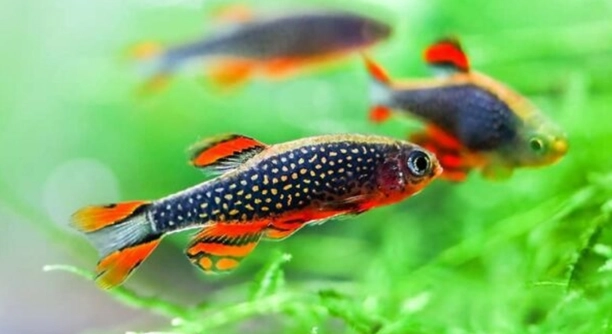
Danios are lively and colorful fish that bring energy to any aquarium. Observing their behavior closely can reveal when they are preparing to spawn, offering a rewarding glimpse into their natural instincts.
Subtle indicators that danios are ready to spawn include increased chasing between males and females, brightening of their colors, frequent rubbing against surfaces, and nest-building tendencies. Recognizing these signs allows aquarists to prepare optimal breeding conditions efficiently.
Knowing these behaviors can help you create the right environment for successful breeding and support your danios’ natural reproductive cycle.
Recognizing Early Signs of Spawning Behavior
Danios often show subtle changes in behavior before spawning. Males may swim more actively around females, displaying brighter colors and increased fin movement. You might notice them gently nudging each other or chasing around the tank. Females may appear slightly fuller as eggs develop, and their movement can become more deliberate. These signs are natural and indicate readiness for reproduction. Watching closely helps you identify patterns, such as repeated chasing or rubbing against surfaces, which are early indicators. Tank conditions can also influence their behavior, so maintaining proper temperature and water quality ensures their natural instincts are expressed. Observing these small shifts daily gives you insight into timing and readiness, making it easier to provide suitable breeding conditions. Even minor changes in diet or environment can encourage activity. By paying attention, you can support your danios’ natural cycle without disruption, promoting a calm and healthy tank atmosphere.
Monitoring these signs allows you to prepare breeding areas in advance and maintain a stress-free environment.
Understanding these early behaviors improves your success with breeding. Adjusting water flow, providing plants or spawning mops, and keeping tank mates minimal can enhance comfort. These actions create a stable and suitable habitat, helping the fish feel secure. With consistent observation, you can recognize patterns that indicate peak readiness, giving you better control over timing. Simple changes, like slightly increasing feeding or adjusting temperature, can make a noticeable difference. Tracking color changes, activity level, and interactions allows for precise planning. Preparation reduces stress for both males and females, ensuring eggs are laid safely and fertilized efficiently. Attention to detail in water chemistry and tank setup supports natural behavior, leading to healthier fry. Consistent care and observation make the breeding process smoother, increasing the likelihood of successful spawning and healthy offspring.
Environmental Cues That Trigger Spawning
Water temperature, lighting, and tank arrangement play a significant role in triggering danios to spawn.
Adjusting temperature gradually to mimic seasonal changes can prompt natural behavior. Bright lighting and adding plants or spawning mops provide suitable conditions. Removing aggressive or competing tank mates reduces stress, encouraging interaction. Clean, stable water with minimal fluctuations supports readiness. Proper nutrition also contributes to reproductive health, ensuring females carry healthy eggs. Monitoring these factors carefully can result in a higher success rate and more consistent spawning behavior, making the process predictable and manageable. Paying attention to cues allows you to support the fish without unnecessary interference, fostering a balanced tank environment.
Environmental cues are essential for stimulating spawning behavior in danios. Gradual increases in temperature can replicate seasonal changes, signaling that it is time to reproduce. Providing floating plants or spawning mops gives surfaces for egg-laying and a sense of security for the fish. Lighting adjustments help simulate natural cycles, reinforcing readiness. Clean, well-maintained water with regular changes ensures optimal conditions and reduces stress. Nutrient-rich food supports egg development and overall health, allowing females to produce viable eggs. Observing fish interactions alongside these adjustments helps track readiness. Removing overly aggressive tank mates or minimizing competition promotes calmer behavior, encouraging natural courtship. By aligning tank conditions with their instincts, you create an environment conducive to successful spawning. Consistent monitoring and minor adjustments allow for predictable outcomes, making the breeding process more manageable while supporting the welfare of your fish.
Feeding Practices That Encourage Spawning
Offering high-quality, protein-rich food can stimulate spawning behavior. Live or frozen foods like brine shrimp and daphnia help condition both males and females, enhancing their health and readiness for reproduction.
Consistent feeding with varied, nutritious options supports egg development and energy levels. Females carrying eggs benefit from extra protein, while males need adequate nutrition to maintain vibrant colors and active chasing behavior. Small, frequent feedings throughout the day are more effective than one large meal, as they reduce waste and maintain water quality. Observing how your danios respond to food can indicate overall health and readiness. Avoid overfeeding, which can lead to water issues and stress. By carefully balancing diet and portion size, you encourage natural spawning behavior while keeping the tank environment clean and stable. Proper feeding creates conditions that support both successful breeding and overall vitality of your fish.
Feeding practices directly affect spawning readiness. Providing live foods, high-quality flakes, and supplements ensures optimal health. Observation of feeding responses gives insight into fish condition and reproductive potential, making dietary management essential.
Tank Preparation for Spawning
Remove aggressive or overly active fish to reduce stress and create a calm environment. Spawning success often depends on minimizing disturbances and providing adequate space.
Adding plants, spawning mops, or fine-leaved surfaces gives females a place to lay eggs safely. Soft lighting and stable water conditions reduce stress and encourage natural behaviors. Regular water changes help maintain cleanliness without shocking the fish, keeping them comfortable. Adjusting flow so eggs are not swept away ensures better fertilization rates. Observing interactions after changes lets you confirm readiness, allowing intervention only when necessary. Clear separation of fry from adult fish after spawning prevents predation and ensures survival. Small details like subtle decor adjustments and consistent water parameters make a significant difference in successful spawning outcomes, creating a supportive and effective breeding environment for danios.
Careful tank preparation enhances spawning success. Proper layout, clean water, and minimal stressors encourage natural behavior, supporting both egg laying and fertilization. Observing fish after adjustments ensures optimal conditions.
Observing Courtship Behavior
Males often chase females around the tank, displaying vibrant colors and quick movements. This activity signals readiness to spawn and helps stimulate females to release eggs.
Frequent rubbing against plants or tank surfaces is another sign of courtship. It indicates the fish are preparing a safe place for egg laying.
Timing and Frequency of Spawning
Danios tend to spawn multiple times in a season if conditions are stable. Spawning often occurs in the morning, shortly after the lights turn on. Maintaining consistent temperature, lighting, and water quality supports regular breeding cycles. Monitoring these patterns allows you to predict and manage spawning more effectively.
Post-Spawning Care
Removing adults from the tank after spawning prevents them from eating the eggs or fry. This ensures better survival rates and a safer environment for the young.
FAQ
How can I tell when my danios are ready to spawn?
Danios display several subtle behaviors when ready to spawn. Males become more active, chasing females around the tank while showing brighter colors. Females may appear slightly fuller as eggs develop. Rubbing against plants or tank surfaces is common, indicating preparation for egg laying. Observing daily changes helps confirm readiness.
What type of food encourages spawning?
High-protein foods such as live or frozen brine shrimp, daphnia, and finely chopped bloodworms help condition both males and females. Providing small, frequent meals ensures energy levels remain high, while avoiding overfeeding prevents water quality issues. Proper nutrition supports egg development and maintains males’ vibrant colors.
How should I prepare the tank for spawning?
Remove aggressive or overly active tank mates to reduce stress. Add spawning mops, fine-leaved plants, or other surfaces for egg-laying. Ensure soft lighting, stable water conditions, and minimal water flow to keep eggs safe. Regular water changes maintain cleanliness without shocking the fish.
When is the best time for danios to spawn?
Danios typically spawn in the morning after the lights turn on. Consistent lighting, temperature, and clean water encourage predictable spawning cycles. Observing courtship behaviors during this time allows for better management of breeding conditions.
Do I need to separate the adults after spawning?
Yes, removing adults prevents them from eating eggs or fry. Separation ensures higher survival rates for the young and reduces stress for both adults and offspring. Placing eggs in a separate tank or using a breeding box is highly effective.
How often do danios spawn?
Danios can spawn multiple times during a breeding season if conditions are stable. Regular monitoring of water quality, temperature, and feeding schedules supports repeated spawning events. Observing behavioral patterns helps predict cycles and optimize breeding success.
What water conditions are ideal for spawning?
Stable, clean water is critical. Temperatures between 72–78°F support reproductive activity. Slightly softer water encourages egg-laying, and regular partial water changes maintain cleanliness. Avoid sudden temperature or pH fluctuations, as these can stress the fish and inhibit spawning.
How can I ensure the eggs are fertilized?
Observing males during courtship is important. Active chasing, bright coloration, and nudging behavior help stimulate females to release eggs. Fertilization occurs quickly after eggs are laid if males are attentive. Providing multiple males can increase fertilization success.
What should I feed the fry once they hatch?
Fry benefit from infusoria or liquid fry food for the first few days. As they grow, gradually introduce newly hatched brine shrimp or finely crushed flakes. Small, frequent feedings support growth and reduce waste buildup, maintaining water quality.
How long do eggs take to hatch?
Danio eggs typically hatch within 24–36 hours, depending on water temperature. Warmer temperatures accelerate development, while cooler water may slow it. Monitoring the tank during this period ensures eggs remain safe and healthy.
Can stress prevent danios from spawning?
Yes, stress from aggressive tank mates, poor water quality, or sudden environmental changes can inhibit spawning. Creating a calm, stable environment and observing fish behavior carefully increases the likelihood of successful breeding.
Are there signs that spawning attempts failed?
Unfertilized eggs may appear cloudy or get eaten by adults. Lack of courtship behavior or sudden lethargy in females can indicate readiness issues. Adjusting conditions, monitoring diet, and separating adults from eggs can improve outcomes.
What is the ideal number of danios for breeding?
A ratio of one female to two or three males is often effective. This encourages healthy competition among males without overwhelming females. Observing interactions ensures a balanced environment and reduces stress during spawning attempts.
Do danios need special lighting for spawning?
Natural or consistent artificial lighting helps establish regular spawning cycles. Gradual increases in light mimic morning conditions and support morning spawning. Avoid sudden or harsh lighting, which may stress fish and disrupt behavior.
How can I prevent fungal infections on eggs?
Maintaining clean water and gentle flow reduces the risk of fungus. Using antifungal treatments sparingly or adding small amounts of methylene blue can protect eggs. Removing unfertilized or damaged eggs prevents contamination of healthy ones.
What is the best way to track spawning behavior?
Daily observation is key. Note changes in chasing, rubbing, and color intensity. Tracking patterns over time helps predict readiness and optimize conditions. Keeping a simple log can improve breeding success and help identify environmental factors that influence behavior.
Are certain danio species easier to breed than others?
Yes, common zebra danios are generally easier to breed than more exotic varieties. They adapt well to tank conditions and show clear courtship behaviors. Knowing species-specific needs ensures better preparation and higher spawning success.
How long should I keep the tank quiet after spawning?
Minimal disturbance for 24–48 hours post-spawning helps eggs develop safely. Avoid sudden movements, loud noises, or vigorous water changes that could stress adults or fry. Gentle maintenance maintains a stable environment while protecting vulnerable eggs.
Can temperature changes trigger spawning?
Yes, slight, gradual increases in water temperature can mimic seasonal changes and stimulate spawning. Sudden shifts should be avoided, as they may stress fish. Observing reactions helps determine optimal conditions for reproductive activity.
What should I do if eggs fail to hatch?
Check water quality, temperature, and fertilization success. Remove adults from eggs promptly to prevent predation. If conditions were suboptimal, adjust slowly and try again. Patience and careful monitoring increase the chance of successful hatching in subsequent attempts.
Observing danios closely and understanding their behavior is the key to successful spawning. These small, active fish show subtle signs when they are ready, such as increased chasing, rubbing against plants, and color changes. Recognizing these behaviors allows you to prepare the tank and adjust conditions to support their natural instincts. By providing proper nutrition, stable water parameters, and appropriate tank arrangements, you create an environment that encourages healthy reproduction. Watching these interactions daily helps you anticipate when the fish are most ready to spawn, making the process more predictable and manageable. It also builds confidence in handling the breeding process without stressing the fish, which is essential for both the adults and the future fry. Paying attention to these details ensures the fish remain healthy while increasing the likelihood of successful breeding.
Creating the right tank environment goes beyond just having water and a few decorations. Temperature, lighting, water quality, and tank layout all influence spawning readiness. Gradually adjusting temperature and maintaining stable conditions help mimic natural seasonal changes, which can trigger courtship and egg-laying behaviors. Adding fine-leaved plants, spawning mops, or other surfaces gives females safe places to lay eggs, while minimal water flow protects the eggs from being disturbed. Separating aggressive or overly active fish reduces stress, allowing courtship behaviors to occur naturally. Proper feeding routines with protein-rich foods improve energy levels, support egg development, and maintain males’ vibrant colors. Even small adjustments, like lighting changes to simulate morning hours, can make a noticeable difference in spawning behavior. Combining careful observation with thoughtful preparation creates a supportive environment that meets the biological needs of the fish.
Patience and consistency are crucial throughout the breeding process. Danios may spawn multiple times in a season if conditions are stable, but success requires monitoring and attention to detail. Removing adults from eggs or fry prevents predation and improves survival rates, while careful feeding of fry supports growth without compromising water quality. Understanding their natural patterns, observing interactions, and adjusting tank conditions when needed allows for predictable outcomes without forcing the fish. Each successful spawn contributes to healthier fry and stronger adult fish, reinforcing the importance of creating the right environment. By staying attentive, maintaining stability, and supporting their natural behavior, you help your danios thrive while ensuring that the breeding process is both effective and safe. This approach allows for a controlled, healthy, and rewarding experience in caring for your fish.

Hello,
If you enjoy the content that we create, please consider saying a "Thank You!" by leaving a tip.
Every little bit helps us continue crafting quality advice that supports the health, happiness, and well-being of pets around the world, for pets of all shapes, sizes, and species.
We really appreciate the kindness and support that you show us!