
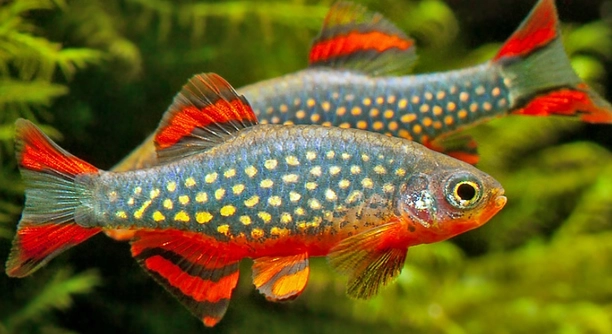
Creating a Danio tank can be a fun way to enjoy small, lively fish. Organizing their space properly can help them thrive and make your tank more visually appealing. Even small tanks benefit from thoughtful planning.
Creating seven micro zones in a Danio tank requires careful consideration of space, plants, and decorations. Each zone should provide unique conditions, including hiding spots, swimming areas, feeding zones, and resting spaces, ensuring the fish can exhibit natural behaviors.
Understanding how to set up these zones can improve fish health and activity. Properly designed spaces allow for easier maintenance and a more harmonious tank environment.
Planning Your Danio Tank Layout
Before setting up your Danio tank, it helps to plan where each micro zone will go. Start by thinking about the needs of your fish. They enjoy open swimming spaces, but they also need hiding spots and resting areas. Using plants, rocks, and decorations strategically can create these distinct zones without overcrowding. Try sketching a simple layout on paper, marking areas for each function. Consider lighting and filtration as well, since these affect the behavior of your fish. By organizing these elements ahead of time, you ensure that every zone serves a purpose. This also makes maintenance easier, since you’ll know where to clean and feed. A well-planned tank reduces stress for the fish, helping them stay active and healthy. Even small adjustments, like moving a plant or rock, can improve the balance of the tank. Thoughtful placement is key for creating a comfortable and natural environment for Danios.
Planning your tank helps avoid mistakes and keeps your fish comfortable, active, and healthy in every zone.
Taking time to plan allows you to use the tank space efficiently. Open areas give Danios room to swim freely, while dense plant clusters create hiding spots and resting areas. Rocks and decorations can define borders between zones, adding variety. Proper placement also ensures even water flow and filtration. This helps prevent stagnant areas, keeping the tank clean and oxygenated. You can mix tall and short plants, floating leaves, and substrate variations to create layers of interest. Feeding zones should be separate from resting areas to reduce stress and competition. Lighting can highlight certain zones while keeping others dim, mimicking natural habitats. Regular observation will help you see which zones are used most and adjust if necessary. With careful planning, each micro zone will serve a purpose, making your tank a lively and balanced home for your Danios.
Setting Up Plants and Decorations
Plants and decorations define the micro zones and give your Danios places to explore. Use a mix of live and artificial plants to create texture.
Live plants like Java fern, Anubias, and hornwort provide cover and oxygenate the water, while artificial plants can fill in gaps and add color without maintenance. Arrange taller plants near the back or corners, creating visual depth, while shorter plants can be placed in the middle. Rocks, driftwood, and small caves provide hiding spots and resting areas, making fish feel secure. Vary substrate height to define different zones and create gentle slopes or open swimming spaces. Floating plants can offer shade, helping fish regulate their activity levels. Avoid overcrowding; each zone should be distinct but still connected so fish can swim freely. Test placement before finalizing, as fish behavior may change how zones are used. Regularly trim live plants to prevent them from overtaking swimming areas. By carefully arranging plants and decorations, you provide Danios with a balanced, stimulating environment that encourages natural behaviors.
Plants and decorations not only enhance the look of your tank but also give fish necessary spaces for hiding, resting, and exploring. Proper arrangement helps maintain health and activity, making each micro zone functional and enjoyable.
Creating Open Swimming Zones
Open swimming zones give Danios the space they need to move freely and exercise. Keep these areas free of plants, rocks, or decorations to allow uninterrupted swimming. Place them in the center or along one side of the tank for balance.
These zones should be wide enough for several fish to swim side by side without obstruction. Avoid cluttering with tall plants or dense decorations nearby, as this can reduce their usable space. Open swimming areas also improve water flow, helping keep the tank clean and oxygenated. Fish use these zones most actively, so observe their behavior and adjust placement if necessary. A well-defined open space encourages healthy movement, reduces stress, and prevents aggressive behavior by giving fish a place to escape or chase each other safely.
Open swimming zones can be paired with hiding spots along the edges to create a natural balance. By planning clear paths between micro zones, Danios can explore without feeling trapped. Positioning open areas near moderate lighting ensures fish feel comfortable while moving around. Floating plants or low decorations can gently shade parts of the swimming zone, offering occasional cover. Regularly check that fish can navigate easily and avoid overcrowding, as this can limit exercise. Properly designed swimming zones support natural activity patterns, reduce territorial disputes, and contribute to overall tank harmony, making them a key component of a functional micro zone layout.
Establishing Hiding and Resting Spots
Hiding and resting spots give Danios safe areas to retreat and reduce stress. Use rocks, plants, or small caves to create these zones throughout the tank.
Place hiding spots near the edges or corners, where fish naturally feel safer. Dense plant clusters and artificial decorations can also serve as resting areas. Ensure each spot is large enough for multiple fish if needed, and avoid placing them in high-traffic zones. Hiding areas close to feeding zones allow fish to rest nearby after eating without needing to travel far. Combining different materials like wood, stones, and leaves adds texture and variation. Rotate or adjust spots occasionally to see which areas are preferred, ensuring all fish have access. Well-placed hiding and resting zones reduce stress, improve health, and encourage natural behavior patterns.
Hiding spots should balance with open swimming areas to maintain activity while offering refuge. Position caves or plant clusters near shaded or low-light sections for calmer zones. Avoid overcrowding these areas, as Danios may compete for the same spots. Multiple small hiding areas can be more effective than one large zone. Using varied materials gives fish tactile experiences, making the environment more enriching. Consistently monitoring usage helps identify popular zones and ensures all fish have access to shelter. Well-planned resting spots allow Danios to recover energy, reduce aggression, and maintain a healthy, stress-free tank ecosystem.
Feeding Zones
Feeding zones help keep food in one area and make it easier to monitor fish eating habits. Position these zones away from strong currents to prevent food from scattering too quickly. Use small dishes or designated open areas for consistent feeding.
Separating feeding zones from hiding spots reduces competition and stress. Fish can eat at their own pace without interference. Placing zones near mid-tank areas allows fish of all sizes to access food easily. Rotate feeding locations occasionally to encourage exploration and activity. Well-defined feeding zones also make cleaning leftover food simpler and maintain water quality over time.
Introducing Substrate Variations
Using different substrates defines micro zones and adds visual interest. Fine sand, gravel, and small rocks can mark open swimming areas, feeding zones, or resting spots. Mixing textures encourages natural digging and exploration behaviors while keeping each zone distinct and functional.
Lighting Zones
Varying light intensity across the tank creates comfortable zones. Brighter areas support plant growth, while dimmer sections give fish calm resting spaces.
FAQ
How many micro zones does a typical Danio tank need?
A well-organized Danio tank usually benefits from seven micro zones. These include open swimming areas, hiding spots, resting zones, feeding areas, substrate variations, plant clusters, and lighting zones. Each zone serves a specific purpose to encourage natural behavior and reduce stress. Proper spacing ensures fish can move freely between zones without crowding.
Can I use only artificial plants for creating micro zones?
Yes, artificial plants can be used, but combining them with live plants is ideal. Live plants improve water quality, provide oxygen, and create natural hiding spots. Artificial plants are low maintenance and can fill gaps or add color. Together, they give Danios variety and help define distinct zones efficiently.
How do I choose the best substrate for my micro zones?
Select substrates based on the zone’s purpose. Fine sand works well in resting or feeding areas. Gravel or small rocks create natural boundaries for swimming or hiding zones. Mixing textures encourages exploration and makes the tank feel more natural for the fish. Avoid sharp or rough substrates that could harm delicate fins.
How should I arrange open swimming zones?
Keep open swimming zones free from obstacles, ideally in the center or along one side of the tank. Make sure the area is wide enough for multiple Danios to swim comfortably. Avoid placing dense plant clusters nearby, which could restrict movement. Floating plants can provide occasional shade without blocking space.
Do Danios need shaded areas in their tank?
Yes, shaded areas are important. Dimly lit zones, created with floating plants or taller plants, allow fish to rest and reduce stress. Alternating light intensity across the tank helps mimic natural conditions, making fish more comfortable and active during brighter periods while giving them calm spaces to retreat.
How often should I adjust decorations and plants in the tank?
Adjustments should be minimal and based on fish behavior. Move or rotate plants and decorations if certain zones are underused. Observing which areas are preferred helps balance the tank. Avoid frequent changes, as constant rearrangement can stress the fish and disrupt established territories.
Where should feeding zones be placed?
Place feeding zones in open areas with moderate water flow to prevent food from scattering. Keep them separate from hiding spots to reduce competition. Rotate feeding locations occasionally to encourage movement and exploration. Well-defined feeding zones also make leftover food easier to clean.
Can micro zones help reduce aggressive behavior in Danios?
Yes, proper micro zones reduce aggression. Open swimming zones give space for chasing or fleeing. Hiding spots provide refuge for weaker fish. Separating feeding areas prevents competition. Overall, structured zones create a balanced environment, allowing each fish to feel secure and interact naturally without constant conflict.
How do lighting zones affect plant growth and fish behavior?
Brighter zones support plant photosynthesis, helping live plants thrive. Dimmer areas give fish calm resting spaces. Alternating light intensity mimics natural habitats, encouraging natural activity patterns. Careful placement of lights ensures plants grow where needed and fish have comfortable zones for movement, feeding, and resting.
What’s the best way to monitor zone effectiveness?
Observe your Danios regularly to see which zones are used most. Notice if fish avoid certain areas, compete heavily, or show stress signs. Adjust plant density, decorations, or substrate if needed. Effective zones support natural behavior, reduce stress, and improve overall tank health.
Can I change micro zones as my Danios grow?
Yes, zones may need adjustment over time. As fish grow or numbers change, space requirements and hiding spots may need modification. Open areas may be expanded, and new resting zones can be added. Observing behavior ensures that zones continue to meet the fish’s needs and maintain a balanced environment.
Is it necessary to separate plants by type in different zones?
Separating plants by type can help define zones visually and functionally. Taller plants near corners or back edges provide shelter, while shorter plants can fill mid-tank areas. Floating plants create shaded spots. This arrangement enhances both aesthetics and the usability of each micro zone for the fish.
How does water flow impact micro zones?
Strong currents in swimming zones support exercise and circulation, while gentle flow near resting or feeding areas prevents food from drifting away. Proper flow ensures clean water, healthy oxygen levels, and prevents debris from accumulating. Balancing flow across zones makes the tank more comfortable for all Danios.
Are there any tips for keeping micro zones low maintenance?
Use a mix of artificial and hardy live plants, smooth substrates, and easy-to-clean decorations. Position zones for accessible cleaning, especially feeding areas and substrate variations. Observing which zones require frequent maintenance allows adjustments to simplify upkeep without sacrificing functionality or comfort.
How do I know if my micro zones are successful?
Successful micro zones are evident when fish actively use all areas, show natural behaviors, and appear stress-free. Open zones should be swum through, resting spots occupied, and hiding areas frequented. Even distribution of activity across zones indicates a balanced, well-planned tank environment.
This FAQ provides practical guidance to design and maintain micro zones, ensuring Danios thrive in a structured and stimulating tank setup. Proper planning, observation, and occasional adjustments create a comfortable, low-stress environment that supports both fish and plant health.
Creating seven micro zones in a Danio tank takes careful planning, but it is worth the effort for the health and happiness of your fish. Each zone has a clear purpose, whether it is for swimming, resting, feeding, or hiding. By organizing the tank in this way, you provide an environment that encourages natural behavior and reduces stress. Danios are active and social fish, so giving them enough space to swim freely while also offering safe places to retreat is essential. Open swimming areas allow them to move without obstacles, while hiding spots and shaded areas provide comfort when they need it. Even small adjustments, like adding a plant or moving a decoration, can make a noticeable difference in how the fish interact with the tank. Taking the time to plan each zone carefully ensures that the tank remains balanced and functional over time.
Proper placement of plants, rocks, and decorations can also enhance the overall look of your tank. By combining live and artificial plants, you can create visual depth and variation while supporting water quality and oxygen levels. Rocks, driftwood, and small caves provide structure, making zones feel natural and distinct. Using different substrates, like sand and gravel, helps separate areas and adds texture for the fish to explore. Lighting zones further contribute to the comfort of the fish, giving them areas for both activity and rest. When all these elements are combined thoughtfully, the tank becomes more than just a container of water. It transforms into a carefully structured habitat that promotes healthy behavior, reduces stress, and allows your Danios to thrive. Observation is key, as watching how your fish use each zone will help you adjust and improve the layout over time.
Maintaining seven micro zones also makes routine care easier and more efficient. Feeding zones keep food contained and reduce waste, while open swimming zones help prevent stagnant water. Regular trimming of plants and monitoring of decorations ensures that no area becomes overcrowded or unusable. Adjusting zones as your fish grow or as plant density changes ensures long-term balance. Over time, you will notice your Danios becoming more active and confident as they navigate the tank. Structured micro zones make a big difference in creating a healthy, low-stress environment. A well-organized Danio tank not only supports the physical needs of the fish but also makes observing their natural behavior more enjoyable. Thoughtful setup and ongoing care lead to a harmonious tank where each fish has its place and every zone serves a purpose.

Hello,
If you enjoy the content that we create, please consider saying a "Thank You!" by leaving a tip.
Every little bit helps us continue crafting quality advice that supports the health, happiness, and well-being of pets around the world, for pets of all shapes, sizes, and species.
We really appreciate the kindness and support that you show us!