
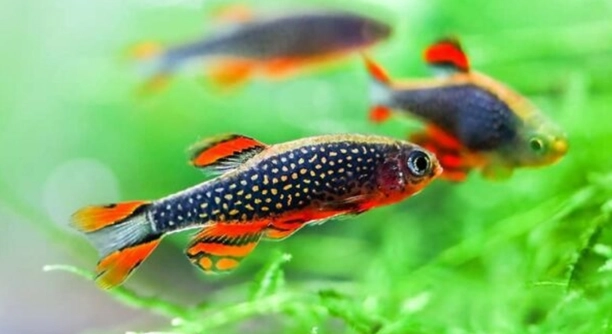
Lonely Celestial Pearl Danios often seem shy and withdrawn, swimming quietly at the edges of the tank. Their delicate nature makes them sensitive to changes in their environment, social interactions, and even the layout of decorations around them.
Helping a lonely Celestial Pearl Danio involves providing companions of its own species, maintaining optimal water conditions, offering a varied diet, enriching the tank environment, monitoring for stress signs, encouraging gentle interaction, and ensuring regular observation of health and behavior.
These simple adjustments can make a noticeable difference in the well-being of your fish and foster a more active, social, and healthy tank environment.
Provide Companions of Their Own Species
Celestial Pearl Danios are social fish that thrive when surrounded by others of their kind. Keeping a single fish alone can lead to stress, lethargy, and a lack of appetite. Adding a small group of three to six danios helps them feel secure and encourages natural schooling behavior. When choosing companions, make sure they are healthy and similar in size to prevent aggression or dominance. Observing how they interact in the first few days is important to ensure harmony. Gradually introducing new fish helps reduce sudden stress. Even small tanks benefit from a modest group, as these fish are active swimmers. Proper acclimation to water conditions is crucial to avoid shock or illness. Their social dynamics create movement and liveliness in the tank, making it more visually appealing. Over time, the fish develop patterns of swimming together, which can be fascinating to observe and rewarding for the caretaker.
Adding companions significantly reduces loneliness and encourages natural behavior.
When Celestial Pearl Danios feel secure with others, they swim actively, explore more, and display their bright colors more often.
Maintain Optimal Water Conditions
Regular water checks are essential for a healthy environment. Testing pH, ammonia, nitrite, and nitrate levels ensures the tank is safe and stable. Temperature should stay between 22°C and 26°C, avoiding sudden fluctuations that stress fish. Clean water reduces the risk of disease and supports normal behavior. A gentle filtration system helps circulate water without creating strong currents that can overwhelm small fish. Performing partial water changes weekly removes waste and replenishes essential minerals. Using dechlorinated water prevents chemical damage, and monitoring hardness ensures comfort for sensitive species. Plants and hiding spots contribute to stability by reducing stress and giving shelter. Proper lighting cycles mimic natural conditions, promoting regular feeding and activity. Observing fish daily allows early detection of unusual behavior or health issues. Consistent maintenance builds a predictable environment, which is critical for keeping shy or lonely fish active and content. A stable tank encourages confidence in exploring, socializing, and interacting naturally with companions.
Clean, stable water directly improves their health and social interactions.
Consistent monitoring and adjustments prevent stress and disease, helping Celestial Pearl Danios thrive in a small or community tank.
Offer a Varied Diet
Feeding only one type of food can make Celestial Pearl Danios less active and dull their colors. A mix of high-quality flakes, frozen brine shrimp, and occasional live foods keeps them healthy and stimulated.
Providing variety ensures they receive all necessary nutrients for growth, immunity, and vibrant coloration. Rotating between flakes, micro pellets, and small live foods like daphnia or baby brine shrimp encourages natural hunting behavior. Overfeeding should be avoided, as excess food can pollute the tank and cause health issues. Observing how quickly they eat each type helps adjust portion sizes. Supplementing with occasional vegetable matter supports digestion and provides minerals often missing from protein-only diets. Young fish benefit from smaller, frequent meals, while adults thrive on slightly larger, measured portions. A balanced diet strengthens their immune system and reduces stress, which is especially important for a fish living alone or newly introduced to companions. Feeding routines also create predictable behavior, making the tank feel more structured and secure.
Proper nutrition directly impacts activity, color, and social behavior, helping lonely fish feel more comfortable.
Healthy feeding habits prevent malnutrition and improve energy, encouraging Celestial Pearl Danios to explore and interact naturally with the environment.
Enrich the Tank Environment
Adding plants, rocks, and hiding spots gives Celestial Pearl Danios areas to explore and feel safe. Open swimming space combined with sheltered spots reduces stress and promotes confidence.
Live or artificial plants provide cover and simulate a natural habitat. Rocks and driftwood create vertical and horizontal territories, which encourage exploration and movement. Open swimming lanes allow the fish to school and interact freely, while hiding areas offer protection from perceived threats or overactive tank mates. Rearranging decor occasionally stimulates curiosity and prevents boredom. Using soft substrate reduces injury during bottom exploration. Gentle currents created by filters or air stones mimic natural water flow and add dynamic movement. Decorations should be placed to balance swimming space and hiding areas without overcrowding the tank. Observing how the fish use these areas can guide future adjustments, ensuring a comfortable and engaging environment. Enriched tanks support mental stimulation, encourage natural behaviors, and help reduce signs of loneliness or stress.
Interactive environments improve activity levels and mental health, keeping Celestial Pearl Danios engaged and less withdrawn.
Properly designed tanks with both open areas and shelter encourage schooling, play, and natural behaviors, leading to healthier, happier fish.
Monitor for Stress Signs
Watching behavior daily helps catch early signs of stress in Celestial Pearl Danios. Lethargy, hiding, loss of appetite, or faded colors often indicate discomfort or illness.
Stress can result from poor water quality, aggressive tank mates, or sudden changes in the environment. Early detection allows prompt action, preventing more serious health problems.
Encourage Gentle Interaction
Hand-feeding or moving slowly near the tank lets fish get used to your presence. Sudden movements can startle them and increase anxiety. Consistent, calm interactions build trust over time.
Ensure Regular Observation
Checking the tank at least once daily allows noticing changes in swimming patterns, color, or appetite. Small adjustments to food, temperature, or layout can make a big difference in their comfort and health.
Keep a Routine
Maintaining consistent feeding times, light cycles, and water changes creates predictability. This stability reduces stress and supports healthy behavior, especially for shy or solitary Celestial Pearl Danios.
FAQ
How many Celestial Pearl Danios should I keep together?
Keeping at least three to six together is ideal. They are social fish that feel safer and more active in groups. Small schools encourage natural swimming patterns and reduce signs of loneliness. Too few can make them shy, while too many in a small tank can cause overcrowding.
Can a single Celestial Pearl Danio survive alone?
Yes, but it is not ideal. A lone fish may become stressed, inactive, and less colorful. Loneliness can impact appetite and overall health. Adding companions improves social interaction and reduces anxiety. Even a small, compatible group makes a big difference in behavior and vitality.
What is the best diet for Celestial Pearl Danios?
A varied diet works best. Flakes, micro pellets, and frozen or live foods like brine shrimp or daphnia provide necessary nutrients. Occasional vegetable matter supports digestion. Feeding small amounts multiple times a day keeps them active and prevents overfeeding. Rotating foods maintains interest and encourages natural hunting behavior.
How often should I change the water?
Partial water changes weekly are recommended. Replace about 20–30% of the tank water with dechlorinated water. Regular changes remove waste and prevent ammonia or nitrite spikes. Monitoring water parameters frequently helps maintain stability, which is essential for shy or solitary fish to stay healthy.
What water conditions are ideal?
Temperature should stay between 22°C and 26°C with stable pH levels around 6.5–7.5. Moderate hardness is best. Gentle filtration prevents strong currents while maintaining cleanliness. Sudden changes in water quality can stress the fish, so regular testing and careful adjustments are necessary.
Can I keep Celestial Pearl Danios with other fish?
Yes, but choose peaceful species of similar size. Avoid aggressive or fin-nipping fish. Observing interactions during the first days is important to prevent bullying. Small, calm tank mates like small rasboras or tetras usually work well. Proper space and hiding areas help reduce stress.
How do I know if my fish is stressed?
Signs include hiding, lethargy, faded colors, or loss of appetite. Erratic swimming or rubbing against objects also indicates discomfort. Stress can result from poor water quality, aggressive tank mates, or sudden changes. Early recognition allows corrective measures to prevent illness.
Do decorations help reduce loneliness?
Yes, plants, rocks, and hiding spots give security and reduce anxiety. They encourage exploration and natural behavior. Open swimming space combined with shelters allows fish to interact or retreat as needed, which promotes a sense of safety and reduces signs of stress.
How can I encourage my fish to be more active?
Gentle interaction and enrichment work well. Hand-feeding, rearranging decorations occasionally, and providing varied foods encourage exploration. Proper companions and stable water conditions also increase activity levels. Observing their behavior regularly helps identify what stimulates them most.
Is it normal for Celestial Pearl Danios to hide a lot?
Hiding is normal if the fish is shy or new to the tank. However, prolonged hiding may indicate stress or illness. Ensuring proper companions, hiding spots, and consistent water conditions helps them feel secure and gradually become more active and social.
How do I introduce new fish safely?
Acclimate slowly by floating the bag in the tank for 15–20 minutes, then gradually mixing tank water before release. Quarantining new fish for at least a week reduces disease risk. Monitoring interactions after introduction ensures harmony and prevents bullying or stress.
Can Celestial Pearl Danios live in small tanks?
Yes, but space is important. A minimum of 10–15 gallons is recommended for a small school. Adequate swimming room, hiding areas, and proper filtration make even a small tank suitable. Overcrowding leads to stress, poor water quality, and reduced activity.
What should I do if my fish stops eating?
Check water quality first, as poor conditions are often the cause. Observe for signs of stress or illness. Offering a variety of foods, including live or frozen options, can stimulate appetite. Reducing tank disturbances and ensuring proper companions also helps encourage normal feeding behavior.
How can I make my fish feel secure?
Stable water parameters, regular feeding, companions, and enriched environments all contribute. Predictable routines and minimal sudden changes reduce stress. Providing plants, rocks, and shelters allows them to retreat when needed, creating comfort while still encouraging natural activity and social behavior.
What is the average lifespan of Celestial Pearl Danios?
With proper care, they live around 3–5 years. Maintaining stable water conditions, providing a varied diet, and reducing stress all contribute to a longer, healthier life. Observing daily behavior helps detect issues early, supporting longevity and well-being.
Are Celestial Pearl Danios easy to breed?
Yes, under the right conditions. They prefer soft, slightly acidic water and fine-leaved plants for egg-laying. Separating males and females beforehand can encourage spawning. Proper care of fry with small live foods supports healthy growth. Consistent conditions increase the chances of successful breeding.
Can stress affect coloration?
Yes, stressed or lonely fish often appear dull. Bright colors return when they feel secure, have proper companions, and receive a balanced diet. Monitoring behavior, maintaining water quality, and providing enrichment all contribute to restoring natural vibrancy.
How often should I observe my tank?
Daily observation is ideal. Checking for behavior changes, color, and swimming patterns allows early detection of stress or illness. Regular attention helps maintain a stable, safe environment and ensures that all companions interact harmoniously and remain healthy.
Is lighting important for Celestial Pearl Danios?
Yes, consistent light cycles mimic natural conditions and regulate feeding and activity. About 8–10 hours of light per day with periods of darkness is recommended. Proper lighting enhances colors and encourages normal swimming and social behavior. Too much or inconsistent lighting can increase stress.
How can I reduce aggression in a community tank?
Provide enough space, hiding spots, and compatible tank mates. Monitor interactions closely, separating aggressive fish if needed. Avoid overcrowding and maintain stable water conditions, as stress often triggers aggression. Observing the tank daily ensures peaceful coexistence and supports healthy social behavior.
What are the signs of illness in Celestial Pearl Danios?
Faded colors, clamped fins, abnormal swimming, loss of appetite, or white spots may indicate illness. Early detection is key. Isolating sick fish, checking water quality, and providing appropriate treatment helps prevent spread and supports recovery.
Can environmental enrichment replace companions?
It helps but cannot fully replace social interaction. Plants, hiding spots, and varied foods reduce boredom, but Celestial Pearl Danios still benefit from the presence of their own species to feel secure, active, and healthy.
How do I prevent sudden stress in my tank?
Maintain stable water parameters, avoid abrupt changes in temperature, lighting, or decorations, and introduce new fish slowly. Consistent feeding times, gentle interactions, and enriched environments minimize stress and encourage natural behavior. Observing fish daily helps spot early signs of discomfort.
Is it normal for Celestial Pearl Danios to sometimes hide together?
Yes, grouping in a sheltered area is natural. It provides a sense of safety and helps regulate stress. Ensuring enough space and hiding spots allows them to choose when to retreat while still having open areas for swimming and socializing.
Can tank mates influence loneliness?
Definitely. Peaceful, compatible species reduce stress, while aggressive or overly active fish can worsen loneliness or anxiety. Proper selection, spacing, and monitoring ensure harmonious interactions and promote social behaviors in Celestial Pearl Danios.
What is the best way to clean the tank without stressing fish?
Perform partial water changes, clean surfaces gently, and avoid strong currents. Use dechlorinated water and keep decorations in place to maintain familiar surroundings. Slow, consistent maintenance reduces stress and supports healthy behavior.
How do I tell if my fish is thriving?
Bright colors, active swimming, normal appetite, and social interaction indicate good health. Regular observation of behavior and body condition helps ensure the fish are comfortable and adjusting well to their environment.
Can Celestial Pearl Danios recognize their companions?
Yes, they form small social groups and recognize familiar fish. Consistent schooling behavior and cooperative swimming indicate strong social bonds. This recognition reduces stress and promotes a sense of security in the tank.
Do they need hiding spots even in a school?
Yes, even social fish require retreat areas. Plants, rocks, and decorations provide shelter when they feel threatened or want rest. Adequate hiding spots contribute to reduced stress and encourage natural, confident swimming.
Can changes in tank decor cause stress?
Sudden rearrangements can confuse or frighten fish. Gradual adjustments and maintaining familiar landmarks help them adapt. Properly timed and minimal changes prevent unnecessary stress, especially in shy or solitary individuals.
Are they sensitive to water quality changes?
Yes, Celestial Pearl Danios are sensitive to ammonia, nitrite, nitrate spikes, and pH shifts. Maintaining stable water chemistry is essential to prevent stress, illness, and behavioral changes, ensuring healthy and active fish.
What should I do if one fish is bullying others?
Observe interactions closely and separate aggressive fish if needed. Adding hiding spots and rearranging decor can reduce tension. Ensuring adequate space and compatible companions minimizes bullying and helps maintain a peaceful, social environment.
Can stress affect breeding?
Yes, stressed fish are less likely to spawn. Stable water conditions, companions, enrichment, and proper nutrition encourage natural breeding behavior and increase success rates. Stress reduction is crucial for healthy reproduction.
Is it normal for fish to dart around suddenly?
Occasional quick swimming is normal, especially during feeding or excitement. Frequent, erratic movements may indicate stress, water quality issues, or illness. Observing patterns helps determine if intervention is needed.
How can I improve water stability?
Regular testing, partial water changes, proper filtration, and avoiding overfeeding all help. Consistent temperature, pH, and hardness levels reduce stress and support healthy, social behavior.
Do they need a specific tank shape or size?
Wide, shallow tanks allow active swimming and schooling behavior. Minimum 10–15 gallons for a small school is recommended. Adequate space, hiding spots, and open swimming lanes support natural activity and reduce stress.
Can they coexist with snails or shrimp?
Yes, peaceful invertebrates like snails and small shrimp usually coexist without issue. Avoid large or aggressive species that may harm the fish. Proper spacing and hiding spots help both species thrive together.
How can I tell if water temperature is right?
Observe activity and appetite. Lethargy or hiding may indicate temperature stress. Using a reliable aquarium thermometer ensures proper range between 22–26°C. Stable temperature supports immune health and natural behavior.
Is it normal for them to explore at night?
Some movement is normal, but excessive activity or erratic swimming at night may indicate stress or insufficient hiding spots. Proper lighting and shelters support natural rest patterns.
Can stress shorten lifespan?
Yes, prolonged stress weakens the immune system and can lead to illness or premature death. Stable water, proper companions, enrichment, and diet all contribute to longevity and overall well-being.
Do they need plants even if I provide hiding spots?
Plants add visual complexity, oxygen, and natural cover. Even with rocks or other shelters, live or artificial plants improve the environment, reduce stress, and encourage natural behavior and exploration.
Can overfeeding cause stress?
Yes, excess food increases waste, pollutes water, and can lead to obesity. Feeding small, measured portions and removing uneaten food prevents water quality issues and keeps fish healthy and active.
Are Celestial Pearl Danios sensitive to light intensity?
Yes, too bright light can stress them. Moderate, consistent lighting with shaded areas allows them to regulate exposure, rest, and feel secure while displaying natural colors and behavior.
Can isolation affect breeding success?
Yes, isolated fish are less likely to spawn. Social interaction and proper companions stimulate mating behavior. Ensuring stable water and enrichment also supports reproductive readiness.
Do they require a specific type of substrate?
Soft, smooth substrate is best to prevent injury while exploring. Sand or fine gravel allows natural foraging behavior and reduces stress compared to rough or sharp surfaces.
How do I reintroduce fish after illness?
Quarantine affected fish until fully recovered. Gradually acclimate them to the main tank and monitor interactions. Ensure water parameters match previous conditions to reduce stress.
Can sudden noise or vibrations stress them?
Yes, loud or repeated disturbances can cause hiding, erratic swimming, or loss of appetite. Placing the tank in a calm area reduces stress and promotes normal activity.
Are they sensitive to pH changes?
Yes, sudden shifts in pH can cause stress and illness. Maintaining a stable range of 6.5–7.5 ensures comfort, supports natural behavior, and reduces the risk of disease.
Do they require a heater in cooler climates?
Yes, maintaining 22–26°C is important. A reliable heater prevents temperature fluctuations, which can stress the fish and affect appetite, activity, and overall health.
Can tank mates influence color intensity?
Peaceful companions reduce stress, helping natural colors shine. Aggressive or overly dominant fish may cause hiding or dull colors. Social harmony and proper care enhance vibrancy and overall well-being.
How often should I check for health issues?
Daily observation is ideal. Monitoring swimming, color, appetite, and behavior allows early detection of stress or illness. Prompt action ensures fish remain healthy, active, and social.
Do they need hiding spots during feeding?
Yes, hiding areas reduce stress and competition. Fish feel secure while exploring for food and can retreat if startled. Balanced space encourages confident foraging and natural social interactions.
Can Celestial Pearl Danios get along with bettas?
It depends on the betta’s temperament. Peaceful, non-aggressive individuals may coexist, but many bettas are territorial. Close observation and ample hiding spots are essential to prevent stress or injury.
How important is tank location?
Calm areas with minimal vibration and noise are best. Constant disturbances can stress fish, reduce appetite, and cause hiding. A stable environment supports natural behavior and social interaction.
Are they sensitive to water hardness?
Moderate hardness is ideal. Very soft or very hard water can stress fish, affecting behavior and coloration. Maintaining consistent hardness supports health and natural activity.
Do they need a break from bright lights?
Yes, shaded areas or floating plants give rest periods. Proper light-dark cycles of 8–10 hours light and 14–16 hours darkness mimic natural rhythms, reduce stress, and encourage healthy activity.
Can Celestial Pearl Danios live with goldfish?
Not recommended. Goldfish are larger, produce more waste, and may outcompete danios for food. Keeping compatible, similarly sized species ensures a safe and stress-free environment.
How do I recognize aggressive behavior?
Chasing, nipping fins, or prolonged dominance indicate aggression. Early detection allows adjustments to tank mates, layout, or hiding spots to reduce stress and promote peaceful coexistence.
Is it normal for them to stay near the surface?
Occasional surface activity is normal, especially during feeding. Persistent surface staying may indicate oxygen issues, temperature stress, or water quality problems. Monitoring parameters ensures safety and comfort.
How can I reduce stress during water changes?
Perform partial changes slowly, maintain temperature and pH, and avoid strong currents. Keeping a calm, consistent routine prevents startling shy or solitary fish and supports healthy behavior.
Do Celestial Pearl Danios require a specific pH buffer?
Not necessarily, if water is naturally stable within 6.5–7.5. Sudden shifts should be avoided. Using buffers only when necessary prevents stress and maintains a safe, healthy environment.
Can they get stressed by reflections or outside movement?
Yes, reflections, shadows, or frequent movement nearby can cause hiding or erratic swimming. Placing the tank away from high-traffic areas reduces stress and encourages natural activity and social behavior.
How do I know if my tank is overcrowded?
Signs include frequent chasing, poor water quality, stress behaviors, and reduced activity. Following proper stocking guidelines ensures enough space for swimming, hiding, and social interaction, promoting a healthy tank environment.
Are they sensitive to changes in tankmates’ behavior?
Yes, sudden aggression, illness, or death of companions can stress fish. Maintaining calm, compatible groups and monitoring behavior prevents anxiety and encourages normal social patterns.
Can stress affect appetite long-term?
Yes, chronic stress reduces feeding, leading to weight loss, weakened immunity, and dull colors. Addressing environmental issues, companions, and enrichment restores normal appetite and overall health.
Do Celestial Pearl Danios need regular health check-ups?
Observing behavior, color, and swimming patterns daily serves as an effective health check. Prompt action when abnormalities appear prevents serious illness and maintains a comfortable, secure environment.
Can environmental changes trigger hiding?
Yes, rearranging decorations, sudden water parameter shifts, or new tankmates can cause prolonged hiding. Gradual adjustments and stable conditions minimize stress and encourage normal activity and social behavior.
How important is tank size for social behavior?
Adequate space allows schooling, exploration, and reduced competition. Small tanks can work for tiny schools, but insufficient room increases stress and can lead to behavioral problems, making space essential for healthy social interaction.
Can stress cause physical signs?
Yes, faded colors, clamped fins, and erratic swimming often result from stress. Early detection and corrective actions, like stable water and companions, help restore health and normal behavior.
Do Celestial Pearl Danios respond to their owners?
Yes, gentle, calm interactions can reduce stress and encourage feeding. Consistent presence without sudden movements allows them to recognize routine and feel secure while remaining active and social.
How can I prevent sudden deaths in the tank?
Maintaining stable water quality, proper diet, compatible companions, and minimal stress factors are key. Early detection of illness or aggression, along with gradual changes, prevents unexpected mortality.
Is it normal for them to sometimes swim alone?
Yes, brief periods of solo swimming occur even in schools. Persistent isolation may indicate stress, illness, or dominance issues, requiring observation and adjustments to companions or environment.
How do I know if my tank is peaceful enough?
Active schooling, normal feeding, bright colors, and minimal hiding suggest harmony. Persistent chasing, hiding, or stress signs indicate the need for adjustments in layout, companions, or enrichment.
Can sudden light changes stress fish?
Yes, turning lights on or off abruptly can cause hiding or erratic swimming. Gradual changes or using timers create predictable cycles and reduce anxiety.
Do Celestial Pearl Danios need oxygenation?
Yes, gentle aeration helps maintain oxygen levels. Avoid strong currents that overwhelm small fish. Proper aeration supports activity, health, and social behavior.
How can I help shy fish become more confident?
Celestial Pearl Danios are small, delicate fish that respond strongly to their environment and companions. Ensuring they live in a tank that meets their needs is important for their health and happiness. Loneliness can affect their behavior, appetite, and even their colors, making it essential to create a supportive habitat. Providing companions of the same species allows them to school naturally, which reduces stress and encourages more active swimming. Observing how they interact with each other helps in understanding their comfort level and adjusting the tank environment as needed. Even small adjustments, like adding a few hiding spots or rearranging decorations, can improve their sense of security and stimulate natural behavior.
Water quality plays a major role in the well-being of Celestial Pearl Danios. Stable temperature, pH, and hardness are critical, as sudden changes can cause stress or illness. Regular partial water changes, gentle filtration, and monitoring ammonia, nitrite, and nitrate levels help maintain a safe environment. Clean water supports their immune system, encourages natural activity, and prevents diseases that can develop when conditions are poor. Consistent feeding routines and a varied diet also play a role in keeping them healthy. Offering flakes, micro pellets, frozen or live foods, and occasional vegetable matter ensures they receive proper nutrition while reducing boredom during feeding time. Balanced care encourages both physical and mental health.
Tank enrichment is another important factor in keeping Celestial Pearl Danios comfortable and active. Plants, rocks, and other decorations provide hiding spaces and stimulate curiosity. Open swimming areas combined with shelters allow fish to choose when to explore or retreat, which reduces stress and promotes natural social behavior. Calm, predictable interactions with their surroundings and companions also help them feel secure. Over time, these elements make the fish more confident and active, showing off bright colors and healthy energy levels. By focusing on companionship, clean water, balanced feeding, and environmental enrichment, these small, sensitive fish can thrive and display natural behaviors, providing an enjoyable and engaging aquarium experience.

Hello,
If you enjoy the content that we create, please consider saying a "Thank You!" by leaving a tip.
Every little bit helps us continue crafting quality advice that supports the health, happiness, and well-being of pets around the world, for pets of all shapes, sizes, and species.
We really appreciate the kindness and support that you show us!