
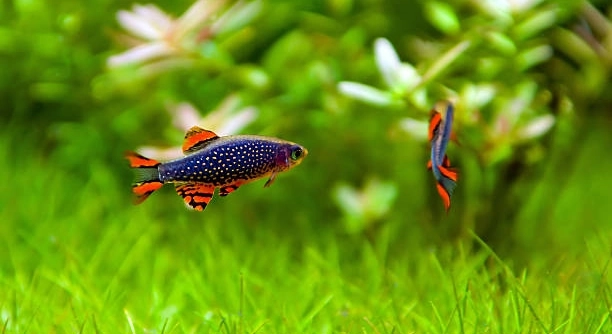
Danios are lively, small fish that brighten any aquarium. They are generally hardy but can be sensitive to stress. Handling them directly can cause unnecessary harm, so knowing when to avoid it is important for their well-being.
Handling danios directly should be avoided during periods of illness, molting, breeding, high stress, after water changes, when introducing new fish, and during tank maintenance. Direct contact can damage their protective slime coat and increase susceptibility to infections.
Learning these precautions will help you maintain healthier, less stressed danios. Proper handling practices ensure their comfort and long-term vitality in your aquarium environment.
Illness or Injury
When danios are sick or injured, handling them can worsen their condition. Their protective slime coat is already compromised, and touching them increases the risk of infection. Even gentle handling can create stress, slowing recovery. It’s better to observe them from a distance and ensure clean, stable water conditions. Adding medication or adjusting the environment without direct contact helps them heal safely. Avoiding unnecessary movement reduces the risk of accidental injury, especially for fish with torn fins or wounds. Keeping a careful eye on their swimming patterns, appetite, and coloration can alert you to issues early. Providing hiding spots and maintaining optimal water parameters supports healing. Handling should only be considered when absolutely necessary, like transferring them to a medicated tank using a net. Using proper nets and avoiding direct hand contact ensures the least stress. Their recovery depends on patience, careful observation, and minimal interference.
Stress from handling can significantly delay recovery and weaken their immune system.
Even minor handling during illness can lead to fin damage, scale loss, or secondary infections. Stress hormones affect their metabolism, causing decreased appetite and slower healing. Maintaining a calm environment with stable temperature and water chemistry is more beneficial than intervention. Using a quarantine tank for sick fish ensures they do not transmit disease to healthy tank mates. Observing their behavior without physical contact provides insights for timely treatment, keeping them safer overall.
Breeding and Spawning
Handling danios during breeding can disturb the eggs or fry.
Direct contact during this time may crush eggs or stress adults, reducing spawning success. Careful observation without interference is key.
During breeding, stress can trigger adults to abandon eggs or even eat them. The fry are extremely delicate, and any sudden movement or touch can be fatal. Providing a safe, secluded area with proper filtration and plant cover helps eggs and fry survive. Observing water temperature, pH, and feeding habits is critical to successful spawning. Intervening only with nets for tank cleaning or controlled transfers minimizes risk. Adult danios are protective of their eggs, and excessive handling can alter their natural behavior, leading to lower survival rates. Maintaining stable lighting and avoiding loud noises near the tank supports a calm environment. Ensuring minimal disturbance during this sensitive period encourages natural development. Adjusting feeding to meet higher nutritional needs helps both adults and fry thrive without unnecessary stress. Managing breeding conditions thoughtfully reduces mortality and promotes healthy growth.
After Water Changes
Handling danios immediately after water changes can stress them. Their environment has shifted, and sudden contact increases shock risk.
Water changes alter temperature, pH, and chemical balance slightly. Even minor fluctuations can make danios more sensitive. Touching them during this time can trigger rapid stress responses, including erratic swimming or hiding. Allowing them time to acclimate ensures their slime coat remains intact and their behavior stays normal. Avoiding direct contact during this adjustment period supports overall health. Keeping the tank stable and observing from a distance helps them recover naturally. Minimizing disturbance protects both their physical and mental well-being.
Observing their behavior after water changes is enough to monitor health. Interacting physically is unnecessary and can lead to avoidable stress. Patience during these adjustments strengthens their resilience.
High Stress Situations
Danios under stress from overcrowding or aggressive tank mates should not be handled.
Handling stressed fish worsens cortisol levels, which impacts immunity and appetite. Overcrowded tanks or sudden changes in environment create anxiety in danios, making them prone to injury if touched. Stress can lead to fin clamping, lethargy, or increased susceptibility to disease. It is better to address the source of stress, such as rearranging hiding spots or separating aggressive individuals. Direct contact may provoke frantic swimming, collisions with decorations, or scale damage, further weakening their health. Minimizing handling allows them to regain calm and normal routines without interference.
Providing a stable, quiet environment reduces stress naturally. Removing factors causing agitation ensures danios regain confidence and normal behavior. Observing them without physical intervention helps monitor recovery efficiently and safely. Adjusting feeding routines and tank maintenance schedules can further support calm conditions. Over time, careful management strengthens their overall health and resilience, making handling less risky in the future.
Introducing New Fish
Newly added danios need time to adjust and should not be handled.
Handling during acclimation increases stress and can trigger illness. Giving them space allows them to explore their new environment safely.
Monitoring from a distance is more effective than physical intervention.
During Molting or Shedding
Danios shedding scales or fins are fragile and sensitive to touch. Handling at this time can cause injury or infection. Carefully observing their behavior and ensuring clean water supports recovery without direct contact.
Tank Maintenance
Moving or handling danios during routine tank cleaning can lead to accidental harm. Nets or hands can damage fins or scales if used improperly. Scheduling maintenance when fish are settled and using gentle techniques prevents unnecessary stress and injury.
FAQ
Why should I avoid handling danios directly?
Handling danios can stress them and damage their protective slime coat. This layer protects against bacteria, parasites, and infections. Even gentle contact can trigger stress responses, such as erratic swimming or hiding, which can affect their appetite, behavior, and long-term health. Avoiding direct handling whenever possible keeps them safer.
Can I use a net to move danios?
Yes, but it should be done carefully. Nets can still harm fins or scales if used roughly. Using soft, fine-mesh nets and moving slowly reduces stress and risk of injury. Always allow the fish to swim into the net instead of chasing them.
What if my danio is sick and needs treatment?
Avoid direct handling unless absolutely necessary. Use a quarantine tank to isolate sick fish, and deliver medication through water rather than by hand. Monitoring behavior, appetite, and swimming patterns from a distance provides better information without causing additional stress or injury.
Is it safe to pick up danios with my hands?
No, even gentle hand contact can remove their slime coat and cause micro-injuries. Bacteria or oils from your skin can further compromise their health. Direct contact should only happen in emergencies, using clean, wet hands or a soft net.
When is handling completely unavoidable?
Handling may be necessary during tank relocation, transferring to a quarantine tank, or emergency rescue from poor water conditions. Even in these situations, minimizing touch and using nets or containers to move the fish is safer than using hands directly.
How can I reduce stress when I need to move danios?
Ensure the tank environment is calm and water parameters match the new location. Dim lighting and slow movements help prevent sudden panic. Handling should be quick and precise, using soft nets or containers to reduce physical contact and maintain control.
Do danios remember handling?
Danios can become cautious after stressful experiences. Repeated handling can increase anxiety, leading to hiding or clamped fins. Reducing unnecessary interactions and maintaining a stable environment encourages normal behavior and helps them recover confidence in their surroundings.
Can handling affect danio breeding?
Yes, touching adults or eggs during breeding can cause them to abandon eggs or fry. Stress disrupts natural behavior and can reduce spawning success. Observation without interference is the safest approach during sensitive reproductive periods.
Are young danios more vulnerable than adults?
Yes, fry and juvenile danios are far more delicate. Even minimal handling can injure them or remove their protective coatings. Avoid contact entirely unless using nets for careful relocation, and ensure environmental conditions are stable.
What precautions should I take during tank cleaning?
Avoid direct contact during routine maintenance. Move decorations carefully and allow fish to swim freely while using nets only when necessary. Performing maintenance when the tank is calm and fish are settled reduces stress and prevents accidental injury.
How can I tell if my danios are stressed from handling?
Signs include clamped fins, rapid breathing, erratic swimming, hiding, or loss of appetite. Immediate observation and reducing interaction allow recovery. Long-term stress can impact immunity, so preventing repeated handling is crucial for health.
What is the best way to interact with danios safely?
Observing them from a distance, providing hiding spots, and keeping water conditions optimal ensures engagement without risk. Feeding routines, tank enrichment, and gentle environmental adjustments promote natural behavior while minimizing the need for direct handling.
Can handling increase disease risk?
Yes, direct contact removes protective slime and can transfer bacteria or parasites. Even healthy fish are vulnerable when handled unnecessarily. Limiting physical interaction supports immune defenses and reduces the chance of infection spreading.
How often should I check on danios without touching them?
Daily observation is enough. Watch for changes in swimming patterns, coloration, appetite, or social behavior. Monitoring from outside the tank is safer than frequent handling and provides better insight into overall health and well-being.
What should I do if accidental handling occurs?
Rinse your hands thoroughly, avoid touching other fish immediately, and observe the affected danio for signs of stress or injury. Providing stable water conditions and minimal disturbance helps recovery. Minimize future handling to prevent repeat incidents.
Are some danio species more sensitive to handling?
Yes, smaller or more delicate varieties, like Celestial Pearl danios, are particularly vulnerable. Their fins and scales are fragile, and stress responses can be stronger. Extra caution and minimal contact are essential for these species.
Can handling affect danio lifespan?
Repeated stress and physical damage from handling can reduce overall lifespan. Maintaining a stable environment, limiting direct contact, and observing rather than touching supports long-term health and vitality.
What tools can help me handle danios safely if needed?
Soft-mesh nets, small containers, and acclimation cups allow safe movement without hand contact. Wetting tools before use and moving fish slowly minimizes physical harm and stress during transfers or emergencies.
How do I create a low-stress environment for my danios?
Stable water temperature, clean tank conditions, hiding spaces, and consistent lighting reduce anxiety. Limiting sudden movements, loud noises, and direct contact allows them to thrive naturally without unnecessary stress.
Can handling trigger aggression in danios?
Yes, stressed fish may become more territorial or aggressive. Avoiding physical contact helps maintain social balance in the tank and reduces conflict among individuals. Proper tank size and enrichment also support peaceful interactions.
Is it safe to pick up danios for brief inspections?
Even brief handling can cause stress or scale damage. Observation through the glass or using a net for controlled movement is safer. Only handle if absolutely necessary, and do so quickly and gently.
How can I prevent injuries when moving danios?
Use soft, fine-mesh nets or containers, move slowly, and avoid sudden splashes or jerks. Preparing the destination tank in advance ensures minimal handling time, reducing stress and physical harm.
Can handling affect feeding behavior?
Yes, stressed danios may eat less or become overly cautious around food. Minimizing handling and maintaining a calm environment encourages normal feeding patterns and supports healthy growth.
How do I know if handling caused long-term stress?
Indicators include prolonged hiding, clamped fins, poor appetite, or recurring health issues. Reducing further interactions and maintaining stable tank conditions helps recovery. Patience and careful observation are essential.
What’s the safest way to acclimate new danios?
Float the bag in the tank to equalize temperature, then gradually mix tank water with the bag water. Avoid direct contact; let them swim out naturally into the tank when ready. This reduces stress and prevents injury or shock.
Can handling spread disease between tanks?
Yes, bacteria and parasites can transfer via hands, nets, or containers. Cleaning tools between tanks and avoiding direct contact with multiple fish prevents cross-contamination and protects overall tank health.
How do I handle emergencies without stressing danios?
Prepare containers or nets in advance, move fish slowly, and maintain proper water conditions. Limit duration of handling, and observe them carefully after the procedure to ensure recovery and prevent further stress.
Is it better to avoid handling altogether?
Whenever possible, yes. Observing behavior, maintaining water quality, and using tools for essential transfers provide care without unnecessary risk. Minimal contact supports health, reduces stress, and ensures longer, healthier lives for danios.
Handling danios may seem harmless at times, but it carries risks that are easy to overlook. These small fish are delicate, and their protective slime coat is essential for keeping them healthy. Even brief contact can remove this layer, leaving them vulnerable to bacteria, parasites, and stress-related health issues. Observing them without touching allows you to monitor their behavior, appetite, and overall well-being without causing harm. Stress from handling can lead to erratic swimming, hiding, or loss of appetite, all of which can weaken their immune system over time. Maintaining stable water parameters, consistent feeding routines, and a calm environment contributes significantly to their long-term health. Understanding when to avoid handling is as important as knowing how to care for them daily.
Direct interaction is only necessary in limited situations, such as emergencies, relocation, or treatment that cannot be administered through water alone. Even then, using nets, containers, or other tools designed for gentle movement is far safer than using hands. Being mindful of timing is equally important. Danios should never be handled during illness, molting, breeding, or high-stress periods, including after water changes or during tank maintenance. During these times, even minor disturbances can disrupt natural behavior, slow healing, or cause injury. Providing hiding spaces and ensuring the tank is well-organized helps them feel secure while reducing the temptation to interfere. Patience and observation are key; small adjustments to their environment often prevent problems that might otherwise prompt unnecessary handling.
Following these guidelines not only protects the physical health of danios but also supports their mental well-being. Fish are responsive to changes in their surroundings, and minimizing stress creates a more balanced and harmonious aquarium. Regularly monitoring water quality, adjusting feeding routines, and maintaining stable conditions allow them to thrive with minimal interference. Over time, you will notice healthier fins, brighter colors, and more natural behavior, which reflects the benefits of careful handling practices. Avoiding unnecessary contact ensures that the risks of injury, infection, and stress are minimized. By prioritizing these precautions, your danios can enjoy a safer, more comfortable life while you continue to appreciate their lively, engaging presence in the tank. Observing them responsibly demonstrates a level of care that contributes to their long-term vitality and creates a stable, enjoyable aquarium environment.

Hello,
If you enjoy the content that we create, please consider saying a "Thank You!" by leaving a tip.
Every little bit helps us continue crafting quality advice that supports the health, happiness, and well-being of pets around the world, for pets of all shapes, sizes, and species.
We really appreciate the kindness and support that you show us!