
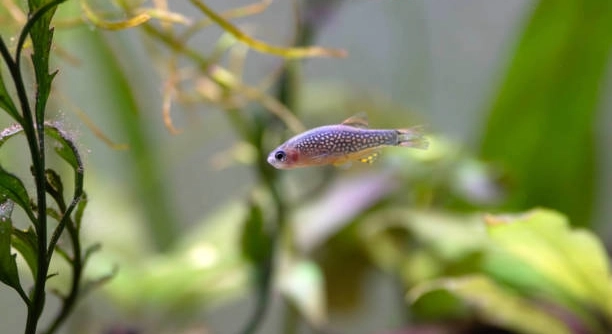
Keeping a Danio tank can be very rewarding, but maintaining balance takes attention. The right combination of fish, plants, and water conditions ensures a healthy environment where your Danios can thrive without stress or illness.
A balanced Danio tank requires stable water parameters, appropriate stocking levels, sufficient filtration, and consistent feeding. Monitoring ammonia, nitrite, and nitrate levels, along with observing fish behavior, is essential to maintain equilibrium and promote a healthy aquatic ecosystem.
Observing small details in your tank can reveal much about its overall health. Simple changes in behavior or water clarity may indicate adjustments are needed to restore balance.
Observing Fish Behavior
Watching your Danios closely is one of the easiest ways to tell if your tank is balanced. Healthy Danios are active, swim smoothly, and interact well with each other. If you notice erratic swimming, hiding, or lethargy, it can indicate stress or poor water conditions. Sometimes, aggression or nipping occurs when the tank is overcrowded, or there isn’t enough hiding space. Feeding patterns are also telling; healthy fish will eat readily without overfeeding, which can pollute the water. Signs like gasping at the surface suggest low oxygen levels, while clamped fins can indicate illness or poor water quality. Observing how fish behave around decorations, plants, and filtration equipment helps you understand if the environment is suitable. Even small changes in their routine can point to issues before they become serious. Keeping a log of daily behavior makes it easier to notice trends over time. Overall, behavior is a clear reflection of the tank’s balance and should be monitored regularly.
Regular observation helps prevent major problems. Active, alert fish usually signal a well-maintained tank.
Paying attention to feeding, swimming, and interaction patterns is critical. Healthy Danios display consistent energy, explore the tank, and rarely show signs of stress, making behavior a reliable indicator of stability in their environment.
Monitoring Water Quality
Water quality is the foundation of a balanced Danio tank. Testing ammonia, nitrite, nitrate, and pH levels frequently ensures that conditions remain safe for fish. High ammonia or nitrite levels can be deadly, while elevated nitrate may stress fish over time. Temperature fluctuations also affect metabolism and immune response. Filtration should be strong enough to remove waste but not create excessive current. Regular partial water changes help maintain clarity and prevent harmful buildup of toxins. Plants can support water quality by absorbing nitrates and offering shelter, though decaying plants should be removed promptly. Keeping a routine schedule for testing, cleaning, and water changes creates stability. Even small imbalances can lead to visible changes in fish health, algae growth, or water odor. Being proactive with water quality keeps your tank balanced and reduces the risk of sudden problems that can impact your Danios’ wellbeing. Maintaining records of water tests allows you to spot trends and address issues before they escalate. Consistency is key to ensuring a healthy, thriving tank.
Keeping track of ammonia, nitrite, nitrate, and pH levels is essential to prevent stress.
Regular testing, careful filtration, and partial water changes form the backbone of tank stability. Observing plants, removing waste, and maintaining consistent temperature ensures the environment supports healthy fish activity, growth, and natural behaviors over the long term.
Proper Stocking Levels
Overcrowding can stress Danios and disrupt tank balance. Keeping the number of fish appropriate for your tank size ensures healthy swimming space and reduces aggression.
Too many fish in a tank can cause rapid waste buildup, leading to ammonia spikes and poor water quality. Danios are active swimmers, and crowded conditions limit their movement, increasing stress and vulnerability to disease. A standard guideline is one inch of fish per gallon of water, but activity level and filtration efficiency should also be considered. Overstocking can also make feeding uneven, with some fish receiving too much and others too little. Maintaining the right population promotes natural behavior, easier maintenance, and a stable environment.
Maintaining proper stocking levels allows plants and filtration systems to function optimally. Fish have room to explore, interact, and stay healthy without compromising the tank’s balance or water quality.
Consistent Feeding Practices
Feeding too much or too little can quickly unbalance a Danio tank. Establishing a regular schedule with measured portions prevents waste buildup and keeps fish healthy.
Overfeeding produces excess uneaten food that decomposes, raising ammonia and nitrate levels and stressing fish. Danios should receive small amounts they can eat within a few minutes, once or twice daily. Variety is also important; a mix of flakes, pellets, and occasional live or frozen food ensures proper nutrition. Monitoring how quickly fish consume their meals helps adjust portions. Underfeeding, on the other hand, can weaken fish and make them more susceptible to disease. By keeping feeding consistent, you support stable water conditions and healthy fish behavior, reducing the chance of aggression or competition for food.
Consistent feeding encourages predictable waste output, which helps maintain water clarity and chemical balance. Fish grow steadily, stay active, and their natural patterns remain observable, contributing to an overall balanced tank.
Adequate Filtration
A strong filter keeps water clear and removes harmful substances. Choosing the right size and type for your tank prevents buildup of waste and maintains oxygen levels.
Filters should run continuously and match your tank’s volume. Proper flow ensures even circulation, preventing stagnant areas where debris and toxins can accumulate.
Healthy Plant Life
Plants help maintain water quality by absorbing nitrates and providing shelter for Danios. They also reduce algae growth by competing for nutrients. Regular trimming of dead leaves prevents decay and maintains balance. Healthy plants contribute to a stable, natural environment that supports fish activity and overall tank stability.
Observing Water Clarity
Clear water reflects proper maintenance. Cloudy or discolored water signals imbalances, excess waste, or bacterial blooms that need prompt attention.
FAQ
How often should I test my Danio tank water?
Testing water once a week is generally enough for a stable tank. However, after adding new fish, changing filtration, or noticing unusual behavior, it’s wise to test more frequently. Key parameters to check include ammonia, nitrite, nitrate, and pH, as these directly affect fish health. Consistent monitoring helps prevent sudden spikes that can stress or harm your Danios. Recording test results over time also makes it easier to spot trends and respond before problems escalate.
What is the ideal tank size for Danios?
Danios are active swimmers and require ample space. A 20-gallon tank is often recommended for a small school of five to six fish. Larger tanks provide more stable water conditions and reduce territorial stress. Proper stocking ensures fish have room to explore, swim, and display natural behaviors without overcrowding. Overcrowding can cause aggression, uneven feeding, and rapid waste accumulation. Even with proper filtration, cramped conditions compromise overall balance and increase the risk of disease.
How many Danios can I keep in one tank?
A common guideline is one inch of fish per gallon of water, but activity level and tank setup also matter. Danios are schooling fish, so keeping at least five together is important for social interaction. Overstocking leads to poor water quality, stress, and health problems. It can also cause fights or hiding behavior that disrupts the tank’s balance. Spacing fish properly and providing hiding spots with plants or decorations reduces tension and supports natural behavior. Adequate stocking maintains stability in water chemistry and fish activity.
How much should I feed my Danios?
Feed only what they can consume in two to three minutes, once or twice daily. Overfeeding leads to uneaten food that decays, raising ammonia and nitrate levels. Underfeeding weakens fish and increases susceptibility to disease. A varied diet including flakes, pellets, and occasional frozen or live foods ensures proper nutrition. Observing how quickly fish eat allows you to adjust portions. Maintaining a regular feeding routine supports consistent waste production, which helps filtration and keeps water chemistry stable.
Why is my water cloudy even with a filter?
Cloudy water often results from bacteria blooms, overfeeding, or inadequate filtration. Even with a filter, excess nutrients from leftover food or fish waste can cause temporary turbidity. Check that your filter is appropriately sized and functioning correctly. Perform partial water changes and vacuum substrate to remove debris. Ensure you are not overstocking the tank, as too many fish can overwhelm filtration capacity. Cloudy water usually resolves once nutrient levels stabilize and maintenance practices are followed consistently.
What plants are best for a Danio tank?
Hardy plants like Java fern, Anubias, and hornwort are ideal because they tolerate active fish and variable water conditions. Fast-growing species help absorb nitrates and reduce algae. Floating plants can provide shade and reduce stress for Danios. Regular trimming prevents decay, which could otherwise affect water quality. Live plants also create hiding spots and promote natural behavior. Choosing resilient species ensures the tank remains balanced and visually appealing while contributing to a healthy ecosystem.
How can I tell if my Danios are stressed?
Signs of stress include clamped fins, hiding, rapid gill movement, or erratic swimming. Stress can result from poor water quality, overcrowding, temperature fluctuations, or sudden changes in lighting. Observing daily behavior helps identify subtle changes before they worsen. Maintaining stable water parameters, consistent feeding, and proper stocking are key to reducing stress. Stress management is essential to prevent disease and ensure long-term health in a Danio tank.
What temperature should my Danio tank be?
Danios thrive in water between 70 and 78°F (21–26°C). Maintaining a stable temperature supports metabolism and immune function. Sudden fluctuations can stress fish and increase susceptibility to disease. Using a reliable heater and thermometer helps ensure consistency. Avoid placing the tank near drafts or heat sources that could cause rapid temperature swings. Stable conditions create a balanced environment where Danios can swim actively, feed properly, and remain healthy.
How often should I clean my tank?
Performing partial water changes of 20–30% weekly keeps water chemistry stable. Clean substrate and remove debris to prevent waste buildup. Avoid over-cleaning, as beneficial bacteria are necessary for filtration and nutrient cycling. Rinsing filter media in old tank water preserves beneficial bacteria while maintaining filtration efficiency. Regular, measured maintenance supports long-term stability and reduces stress on your fish. Cleaning frequency may increase temporarily during illness, overfeeding, or noticeable water quality issues.
Can Danios live with other fish?
Danios are generally peaceful and can coexist with similar-sized, non-aggressive species. Avoid fin-nipping or overly territorial fish. Providing ample space, plants, and hiding spots reduces conflict. Monitor interactions to ensure compatibility, as individual temperament varies. Mixing species with similar water parameter requirements and activity levels helps maintain a balanced and harmonious tank environment.
Final Thoughts
Keeping a Danio tank balanced requires attention to several small but important details. Fish behavior, water quality, filtration, feeding, and stocking levels all play a role in maintaining a healthy environment. Each of these factors interacts with the others, and even minor changes in one area can affect the entire tank. For example, overfeeding may lead to cloudy water and higher nitrate levels, which can stress fish and encourage algae growth. Similarly, too many fish in a small tank can cause aggressive behavior and make it harder for filtration to keep up. Observing your Danios regularly helps you notice any changes early, allowing you to correct issues before they affect their health. Paying attention to these details and maintaining consistent routines creates a tank that is not only visually appealing but also stable and healthy for its inhabitants. A well-maintained tank will support active, happy fish that display natural behavior and interact positively with each other.
Plants also play a significant role in creating a balanced tank. They provide shelter and reduce stress by giving fish areas to hide or explore. Plants absorb excess nutrients, which helps prevent water chemistry from becoming unbalanced and reduces algae growth. Dead or decaying plant matter can have the opposite effect, releasing toxins and increasing nitrate levels, so trimming and removing old leaves regularly is important. Choosing hardy plant species that tolerate active swimmers like Danios ensures the plants survive and continue to benefit the tank. The combination of proper stocking, clean water, and healthy plants creates a natural and stable environment that encourages your fish to thrive. Even small, consistent efforts like trimming plants, testing water, and observing fish behavior make a big difference over time. A tank with healthy plants and properly cared-for fish is easier to maintain and requires fewer sudden interventions when problems arise.
Consistency is key to keeping a Danio tank balanced. Establishing routines for feeding, water testing, and maintenance helps prevent sudden changes that stress fish. Using a reliable filter and monitoring temperature keeps the environment stable. Recording water test results and noting fish behavior allows you to see trends over time and make informed adjustments. Understanding how each factor affects the tank as a whole helps you anticipate potential issues and respond quickly. Balancing a Danio tank is not difficult, but it requires attention to detail and care. By maintaining proper water conditions, feeding schedules, and a healthy population of plants and fish, your tank will remain stable and enjoyable. Healthy Danios display lively behavior, interact naturally, and contribute to a peaceful, balanced aquarium. Over time, your attention and care create an environment where your fish can live long, active, and healthy lives.

Hello,
If you enjoy the content that we create, please consider saying a "Thank You!" by leaving a tip.
Every little bit helps us continue crafting quality advice that supports the health, happiness, and well-being of pets around the world, for pets of all shapes, sizes, and species.
We really appreciate the kindness and support that you show us!