
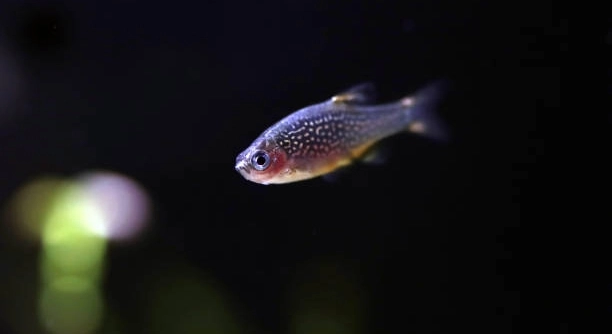
Have you ever watched your danios swimming and wondered what makes their behavior change throughout the day? Observing them closely can reveal patterns and interactions that are easy to miss in a busy home aquarium.
The best times to observe natural danio behavior are during morning feeding, midday activity, early evening rest periods, breeding moments, post-feeding exploration, light transitions, and when environmental changes occur. Each time provides unique insights into their social and survival behaviors.
Knowing these optimal observation times will help you better understand their habits, interactions, and overall health in ways that casual watching might not reveal.
Morning Feeding Activity
In the morning, danios are usually very active and alert. They swim quickly near the top of the tank, searching for food, and often interact with each other more than at other times of the day. Their behavior is easier to observe because they are motivated by hunger, which makes them more predictable. You can notice subtle differences in how individuals respond to food, such as which fish are bold and which hang back. Watching this pattern regularly can help you identify any changes in appetite or health. Morning feeding also shows how danios communicate visually, often flicking fins or darting past each other. Observing these early interactions provides insight into their hierarchy and personality traits. Lighting in the morning can affect how clearly you see colors and patterns, making this a good time to note their natural markings. Overall, the morning is a reliable window to observe consistent, active behaviors that reflect natural instincts in a controlled environment.
Morning feeding is the best time to observe danios being active, interacting socially, and displaying natural foraging behaviors, giving insight into health and hierarchy.
Spending a few minutes each morning watching your danios eat can help you understand their energy levels and notice early signs of illness, aggression, or stress, making care easier to manage.
Midday Exploration
During midday, danios often slow down slightly after morning activity. They explore different areas of the tank, swim in small groups, or investigate new objects.
Midday observation shows natural curiosity and spatial awareness. Danios may adjust their swimming patterns, avoid dominant fish, and explore corners they ignored in the morning. Their behavior is less driven by hunger and more by environmental interest. Watching at this time helps you see how they interact without the immediate pressure of feeding. You can note how they handle changes in water flow, decorations, or new plants. Midday also highlights resting behaviors intermixed with bursts of movement, giving a full picture of daily activity. Observing during this window allows for comparison between active and relaxed states, helping track mental stimulation and tank enrichment effectiveness. It also helps identify shy or territorial individuals, which is useful for maintaining balanced tank dynamics. Overall, midday provides a quieter but informative period to study natural movement patterns and social interactions.
Early Evening Activity
Danios often become more active again in the early evening. Swimming patterns change, and social interactions increase as light levels drop. This period allows observation of their natural rhythm and response to dimming light.
During early evening, danios may form small groups or chase one another in bursts of energy. Their movements are less frantic than morning feeding but still lively, offering a clear view of social hierarchies and dominance behaviors. You can see which fish lead groups and how others respond. Watching these patterns consistently helps track behavior changes and can indicate health or stress issues. Environmental changes like light dimming or slight temperature shifts may influence activity levels, making this an ideal period to study natural responses to subtle daily variations. Early evening behaviors often highlight how danios balance energy expenditure with social engagement and environmental exploration.
Observation in this period can reveal patterns not visible during feeding times. Movement is deliberate yet playful, offering a window into their natural instincts. Watching interactions now shows leadership tendencies, exploration habits, and potential conflicts within the group.
Breeding and Courtship Moments
Breeding behavior is usually brief and selective, appearing when conditions are suitable. Danios may display chasing, fin flicking, or positioning to attract mates.
Courtship involves careful observation of subtle gestures and rapid movements. Males often display brighter colors and approach females with quick, circular swims. Females respond with changes in body position or slight evasive maneuvers. Observing these interactions shows which fish are dominant or more receptive to mating. The timing, frequency, and intensity of these behaviors indicate overall reproductive health and social stability. Environmental factors like lighting, water quality, and temperature strongly influence these patterns. Recognizing these signals helps in understanding natural reproductive strategies, hierarchy, and stress indicators within the tank. Detailed monitoring can also aid in planning breeding setups or managing population balance. Observing these moments regularly reveals both predictable cycles and unique individual behaviors.
Post-Feeding Exploration
After feeding, danios often explore the tank more calmly. They investigate decorations, plants, and open spaces while resting from active swimming earlier.
This period is ideal to watch their natural curiosity without the rush of competition. Fish may nibble at leftover food, interact lightly, or explore areas previously ignored, showing subtle social dynamics and individual preferences.
Light Transition Periods
During changes from light to dim or vice versa, danios adjust swimming patterns and positioning. These transitions trigger brief bursts of activity or cautious movement as they acclimate to new lighting levels. Observing during this time highlights sensitivity to environmental changes and how lighting impacts behavior, stress, and group coordination.
Response to Environmental Changes
Danios react quickly to new objects, altered water flow, or temperature shifts. Watching these responses shows adaptability and natural instincts.
How often should I observe my danios?
Observing your danios daily is helpful to understand their behavior patterns. Short sessions in the morning, midday, and early evening give insight into activity levels, feeding habits, and social interactions. Regular observation helps detect early signs of illness, stress, or changes in hierarchy. Even five to ten minutes at consistent times can provide valuable information about individual fish behavior.
Can I disturb their natural behavior while watching?
Minimal disturbance is key. Avoid tapping the glass, sudden movements, or loud noises near the tank. Watching from a slight distance or using indirect lighting ensures that danios display natural behaviors. Over time, they become accustomed to your presence, which allows you to observe their authentic movements without influencing their activity.
What signs indicate healthy behavior in danios?
Healthy danios are active, swim smoothly, and show normal feeding responses. They interact socially without excessive aggression or hiding for long periods. Bright coloration, consistent swimming patterns, and curiosity toward the environment indicate good physical and mental health. Watching for these signs regularly helps maintain proper tank conditions.
How do I know if a danio is stressed?
Signs of stress include erratic swimming, hiding for extended periods, or reduced appetite. Clamped fins, pale colors, or isolation from the group can also indicate discomfort. Stress may result from poor water quality, overcrowding, or sudden environmental changes. Observing these behaviors allows for quick adjustments to reduce stress and improve well-being.
Is it necessary to record observations?
Keeping notes on daily or weekly behavior patterns is very useful. Recording feeding times, activity levels, and social interactions helps detect trends or changes. Over time, patterns emerge, making it easier to identify health issues or adapt tank setups to meet natural behavioral needs.
Do danios have individual personalities?
Yes, each danio may behave differently. Some are bold and lead groups, while others are shy and stay on the edges. Observing interactions over time reveals these personality differences, which affect group dynamics, feeding order, and exploration habits. Recognizing individual traits can help manage tank harmony.
Can tank size affect behavior?
Tank size influences movement, exploration, and social interactions. Smaller tanks may limit swimming space and increase competition, while larger tanks allow natural schooling and territorial behavior. Observing how danios use space helps determine if the tank meets their activity and social needs, supporting long-term health and behavior expression.
How do light and temperature changes influence behavior?
Danios respond quickly to light transitions and temperature variations. Sudden changes can trigger bursts of movement or cautious hiding. Gradual adjustments help maintain normal behavior and reduce stress. Observation during these changes reveals adaptability and helps fine-tune tank conditions for comfort and activity.
What is the best way to encourage natural behavior?
Providing a well-structured environment with plants, decorations, and open swimming areas encourages exploration and social interactions. Regular feeding at consistent times and maintaining stable water conditions allow danios to act naturally. Observing in such a setting highlights normal patterns and minimizes artificial stress responses.
How can I tell if feeding times are affecting behavior?
Feeding stimulates high activity, chasing, and competition. Observing before, during, and after feeding shows which fish are bold or shy, how quickly food is consumed, and social responses. Consistent observation ensures that feeding schedules support health and natural foraging instincts while preventing aggressive interactions or overfeeding.
Are there specific times that reveal more than others?
Morning feeding, midday exploration, early evening activity, light transitions, post-feeding periods, and breeding moments all show different aspects of behavior. Observing at multiple times captures a full picture of social hierarchy, energy levels, curiosity, and responsiveness to the environment. Combining these periods provides comprehensive insight.
Should I be concerned about sudden changes in behavior?
Yes, sudden or dramatic changes can indicate stress, illness, or environmental problems. Quick reactions, hiding, loss of appetite, or aggression are warning signs. Recording observations and addressing water quality, temperature, or social factors promptly helps prevent long-term issues and maintains natural behavioral patterns.
Can observing behavior improve tank management?
Absolutely. Regular observation helps optimize feeding schedules, tank layout, lighting, and social arrangements. Understanding activity cycles and preferences supports healthier, more active fish. Adjustments based on careful observation enhance both behavior expression and overall well-being in the aquarium environment.
How long should each observation session be?
Short, focused sessions of five to fifteen minutes are often enough. Long observations may stress fish if done with constant presence or interference. Frequent, brief sessions across different times of the day capture a complete behavioral profile without causing disruption, allowing natural activity to be clearly seen.
What tools can assist in observation?
Notes, photos, or video recordings help track patterns and changes. Timers, consistent lighting, and minimal-disturbance setups ensure accurate observation. Using these tools allows comparison over days or weeks, helping identify subtle changes in health, activity, or social interactions.
Are group dynamics important to monitor?
Yes, danios are social, and group interactions reveal hierarchy, leadership, and cooperation. Observing how fish respond to each other during feeding, exploration, or light transitions highlights balance within the school. Noticing consistent patterns or conflicts can guide interventions to reduce stress and maintain harmony.
Do environmental enrichments change behavior?
Adding plants, decorations, or new objects stimulates curiosity and exploration. Observing how danios respond to enrichment shows adaptability, interest, and social responses. Proper enrichment encourages natural behaviors, reduces boredom, and highlights individual personalities within the group.
Can observation help detect breeding readiness?
Yes, watching for chasing, fin displays, and position changes signals reproductive readiness. Recognizing these behaviors early allows for management of breeding setups or protection of fry. Observation ensures that natural courtship patterns are maintained while preventing stress or aggression during breeding periods.
Is it normal for behavior to vary daily?
Daily variations are natural due to light, feeding, temperature, and social factors. Observing consistently helps differentiate normal fluctuations from concerning changes. Tracking behavior over time builds a clear understanding of routine patterns, energy levels, and social balance in the tank.
How can observation improve long-term fish care?
Consistent monitoring identifies trends in health, stress, social dynamics, and activity. This allows adjustments in feeding, tank conditions, or social arrangements. Understanding natural behavior through observation ensures proactive care, reduces illness risks, and supports a stable, engaging environment for danios over time.
Observing danios regularly is a simple yet powerful way to understand their behavior and keep them healthy. Watching them at different times of the day, during feeding, exploration, or light transitions, reveals patterns that might otherwise go unnoticed. Each fish has its own personality, and paying attention to how individuals interact in the group can help you recognize bold leaders, shy followers, or those that need extra care. Even small changes in swimming patterns, appetite, or social behavior can indicate something important about their well-being. By making observation a routine, you become more attuned to the needs of your danios and can respond quickly if anything seems off. Over time, this practice allows you to notice subtle behaviors that reflect their comfort, curiosity, and energy levels, helping maintain a stable and balanced aquarium environment.
The way danios respond to feeding, environmental changes, and light shifts provides useful insights into their natural instincts. Observing them during morning feedings shows how competitive or social they are, while watching post-feeding exploration highlights curiosity and calm behaviors. Light transitions and temperature changes give further clues about adaptability and stress responses. Breeding or courtship moments reveal social structure, dominance, and reproductive readiness, which can guide tank management decisions if you plan to maintain a healthy population. Paying attention to these different behaviors not only improves care but also makes the experience of keeping danios more engaging. Each observation builds a better understanding of their natural tendencies and needs, and it encourages a more responsive and attentive approach to maintaining their environment.
Taking the time to watch danios carefully strengthens both your knowledge and the quality of life for the fish. Simple observations, even if brief, can reveal important trends, highlight potential issues early, and support proper feeding and tank conditions. Noticing social interactions, energy levels, and curiosity helps prevent stress, reduces aggression, and ensures all fish thrive. Incorporating observation into daily routines can also make caring for danios more enjoyable and meaningful, allowing a deeper appreciation for their natural behavior. By focusing on these moments, you create an environment where danios can express themselves fully, remain active, and maintain health, making the aquarium a dynamic and balanced space for both the fish and the keeper.

Hello,
If you enjoy the content that we create, please consider saying a "Thank You!" by leaving a tip.
Every little bit helps us continue crafting quality advice that supports the health, happiness, and well-being of pets around the world, for pets of all shapes, sizes, and species.
We really appreciate the kindness and support that you show us!