
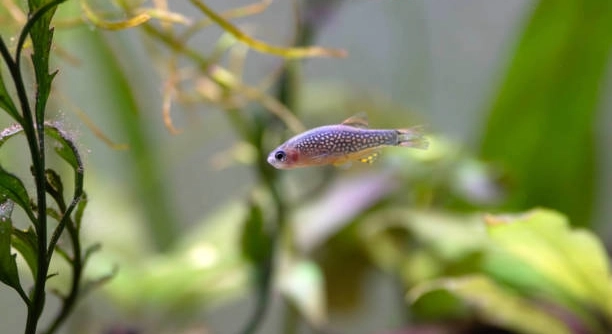
Celestial Pearl Danios are small, vibrant fish often found in home aquariums. Their behaviors are influenced by light, temperature, and surrounding activity. Observing how they respond to changes in their environment provides insight into their natural instincts and habits.
When exposed to seven hours of silence, Celestial Pearl Danios generally show reduced movement and spend more time near hiding spots. This response indicates a calming effect from the lack of external disturbances, promoting a more stable and less stressed behavior pattern.
Understanding their reactions to silent periods can help improve tank management and overall well-being for these delicate, visually striking fish.
Observing Their Daily Behavior
In my aquarium, Celestial Pearl Danios are always active during the day, swimming in small groups and exploring plants. They respond to movement near the tank, often darting quickly before returning to calmer areas. I noticed that after a few hours of silence, they slowed down and focused more on one spot. Some of them hovered near hiding places, while others stayed close to the surface. Their fins seemed less tense, and their overall movement became more deliberate. This period of quiet allowed me to see subtle interactions I might normally miss, like gentle nudges or synchronized swimming. Feeding time remained consistent, but they approached food more cautiously than usual. Watching them adapt to the absence of background noise gave me insight into their sensitivity. Even minor disturbances from outside the tank usually trigger rapid reactions, but seven hours of quiet created a calmer, more consistent behavior pattern across all the fish.
Their calmer state was noticeable immediately, making the tank feel more peaceful and balanced overall.
Observing Celestial Pearl Danios under these conditions emphasizes the importance of stable environments. Noise and sudden activity can affect their swimming patterns and interactions. Over time, consistent periods of quiet can help reduce stress, improve health, and make their behavior more predictable. In my experience, this also highlights the subtle personality differences between individual fish. Some respond quickly to change, while others remain steady, showing that even small species have unique temperaments. Providing plants, hiding spots, and a stable routine ensures they remain comfortable, while quiet periods allow natural behaviors to emerge.
Feeding Responses During Silence
The fish approached food more cautiously, lingering before taking bites. Their feeding pace was slower but more measured.
During silent periods, Celestial Pearl Danios demonstrated more deliberate movements when feeding. Normally, they dart to grab food immediately, sometimes competing aggressively with each other. In a quiet environment, they seemed more aware of their surroundings and less stressed, reducing erratic movements. I noticed less jostling among the fish, and food was consumed more evenly. This calm approach likely reduces injuries and ensures smaller or less dominant fish can eat without constant competition. Feeding routines can be adjusted to match their calmer pace during quiet hours, helping maintain consistency. By providing food in small, measured amounts, I could observe each fish’s behavior more clearly and ensure all were eating properly. Quiet periods not only affect swimming behavior but also influence how they interact with resources, leading to a healthier and more predictable environment for these delicate fish.
Social Interactions During Silence
Their usual chattering and chasing decreased noticeably. Most Danios stayed in small clusters, interacting gently without rapid movements.
During seven hours of silence, social behavior among the Celestial Pearl Danios became more relaxed. The usual bursts of chasing and darting around the tank were largely absent. Fish maintained closer proximity to one another, often swimming side by side in coordinated patterns. Occasional nudges occurred but were mild, lacking the urgency seen during noisy periods. I noticed that quieter fish, normally overshadowed by more active ones, felt more comfortable moving around and exploring. This shift created a more balanced dynamic, allowing all members to participate without stress or dominance struggles.
Subtle cues, like tail flicks and fin displays, were easier to observe. During quiet periods, these interactions were prolonged, giving a clearer sense of their hierarchy and bonds. Fish that usually stayed near hiding spots ventured out more, and calmer individuals engaged more willingly. The lack of background disturbances made their communication more intentional and less reactive. Over time, I could track individual tendencies, noting which fish preferred close contact and which maintained personal space, helping me better understand their social structure.
Environmental Awareness
Fish responded to tank elements with increased attention, moving deliberately around plants and decorations. Their movements were slower but precise.
During silent hours, Celestial Pearl Danios displayed heightened environmental awareness. They approached rocks, plants, and decorations with deliberate movements, pausing to inspect rather than rushing past. This behavior contrasts sharply with their usual quick, reactive swimming in response to sudden sounds or movements outside the tank. The calm atmosphere allowed them to explore safely and interact naturally with their surroundings. Plants and hiding spots became focal points for observation rather than mere shelter. I noticed fish circling slowly around objects, testing spaces, and occasionally pausing near edges of the tank. This methodical exploration highlights how noise can mask their natural instincts, and quiet periods reveal more about their preferences, comfort levels, and cautious tendencies. It also demonstrated the importance of tank design, as silent periods make their environment more engaging and less stressful, encouraging natural behaviors that are otherwise hard to notice during busy, noisy hours.
Resting Patterns
Celestial Pearl Danios rested more frequently during silent hours. Their pauses were longer, often in shaded areas or near plants.
Even small movements were slowed, indicating lower stress levels. Fish remained alert but more settled, showing that silence encouraged consistent resting behaviors throughout the day.
Response to External Stimuli
When brief sounds occurred, their reactions were mild. Startle responses were smaller, and recovery to normal activity was quicker.
Movement and Exploration
During quiet periods, Danios explored the tank more methodically. They swam through plants and around decorations with careful attention, rarely darting suddenly. Regular swimming patterns became easier to track. I noticed that they revisited favorite spots multiple times, showing consistent interest in specific areas of the tank. Silence seemed to improve their confidence while moving, allowing more natural, unhurried interactions with both the environment and each other.
Interaction with Hiding Spots
Fish used hiding spots more strategically, balancing exploration and security. Their behavior indicated comfort combined with cautious observation.
How long can Celestial Pearl Danios stay calm during silence?
In my observations, they remained noticeably calmer for the full seven-hour period. Movement slowed, interactions became gentler, and fish often stayed close to plants or decorations. While individual temperaments vary, most Danios maintain this lowered activity level consistently when the environment is quiet. Silence reduces sudden stressors, giving even the more active fish a chance to settle.
Do they eat normally during long silent periods?
Yes, they do, but their feeding behavior changes slightly. They approach food more deliberately, taking smaller bites and avoiding rapid competition. I noticed that quieter fish, normally hesitant around food, ate more confidently. This calm approach reduces the risk of injuries and ensures all fish get adequate nutrition. Gradual feeding works best during these hours, supporting their slower, more measured behavior.
Will silence affect their social behavior long-term?
Extended quiet periods can positively influence social dynamics. Danios often form smaller, more cohesive groups during silence, reducing chasing or aggressive displays. Quieter fish participate more in movement, and dominant individuals are less likely to intimidate others. Over time, these calm periods can encourage balanced group behavior and better overall cohesion.
Do they respond to sudden sounds after being silent for hours?
Their reactions are noticeably milder. Sudden noises still cause a startle response, but the intensity is lower and recovery is faster. Fish quickly return to normal swimming patterns, suggesting that prolonged silence does not make them hypersensitive but rather helps maintain a stable baseline for activity.
Does tank layout influence their reaction to silence?
Yes, tank setup plays a key role. Plenty of plants, hiding spots, and open swimming areas allow fish to explore comfortably. During silent periods, these elements become points of interest rather than mere shelter. I observed Danios revisiting favorite spots repeatedly, indicating comfort and curiosity without stress. A thoughtfully arranged tank enhances the benefits of quiet time.
Are younger Danios affected differently than older ones?
Younger fish tend to be slightly more active even during silence, swimming more frequently between plants and decorations. Older or more timid individuals take longer to move and rest more consistently. Despite these differences, all age groups benefit from quiet periods, showing calmer, less erratic behavior and reduced stress levels overall.
Can silence improve their health?
Calm behavior during extended quiet periods may reduce stress, which is directly linked to better health outcomes. I noticed fewer rapid movements, less aggressive chasing, and more balanced feeding. Reduced stress supports immune function and minimizes the risk of injuries. Over time, these quiet periods contribute to stronger, healthier, and more confident Danios.
How often should I provide long silent periods?
I found that daily or alternate-day quiet sessions work well. Even a few hours of undisturbed time each day encourages natural behavior and allows shy or less active fish to participate fully in tank life. Overdoing it is not necessary; consistency is more important than duration for long-term benefits.
Do they interact more with the environment or each other during silence?
During these periods, interactions with the environment often increase slightly. Fish explore decorations, plants, and hiding spots with more intention. Social interactions become calmer and more predictable, with fish swimming together without the sudden bursts of chasing or competitive behavior seen in noisy conditions. Both types of interaction benefit from silence.
Will silence affect breeding behavior?
Silence can positively influence breeding readiness. Reduced stress and a calmer environment allow pairs to focus on courtship displays and territory selection. I noticed that shy or younger Danios engaged more confidently in social displays, which may support better breeding outcomes when quiet periods are regularly provided.
Is it necessary to monitor them constantly during these quiet periods?
Constant observation is not required, but occasional checks help ensure they are feeding properly and not hiding excessively due to illness or stress. I found that a brief daily observation is sufficient to monitor health, leaving most of the period undisturbed to allow natural calm behaviors to occur.
Do they show personality differences more clearly during silence?
Yes, quieter periods make individual traits easier to see. Some fish are naturally curious, exploring plants and decorations repeatedly, while others prefer resting near hiding spots. Observing during silence allows for better understanding of these differences and helps in arranging the tank to suit all personalities.
Can silence replace other calming measures, like dim lighting?
Silence complements, but does not replace, other environmental measures. Dim lighting, stable temperatures, and hiding spots further reduce stress, enhancing the calm state induced by quiet periods. Combining multiple supportive conditions creates the most comfortable environment for Celestial Pearl Danios and encourages natural behaviors.
How quickly do they adjust to silence if the tank is usually noisy?
Adjustment is fairly rapid. Within the first hour of silence, I noticed movement slowing and fish seeking calmer areas. By the third or fourth hour, most fish had adopted consistent resting and exploratory behaviors. This shows that even if a tank is normally busy, Danios can benefit from temporary quiet periods without long adaptation times.
Will they return to normal activity after silence ends?
Yes, activity gradually resumes once external noise or disturbances return. Fish begin to swim more quickly, interact more, and feeding intensity increases. The calm behavior during silence does not make them lethargic permanently; it simply allows them to rest and regain composure for later activity.
Are certain fish more sensitive to silence than others?
Shy or younger Danios often show the most noticeable changes, becoming more confident in movement and social behavior. Dominant or more active individuals still calm down, but their changes are less dramatic. Silence benefits all fish, though sensitivity varies based on personality and age.
Does silence impact nocturnal behavior?
During night hours, Danios are naturally less active. Silent periods during daytime do not dramatically change nocturnal behavior but may contribute to more consistent sleep-like resting. Fish are calmer at night and show more predictable positioning, returning to familiar hiding spots with minimal disturbance.
Can I use silence as a tool for observation?
Yes, silent periods provide the best opportunity to study natural behaviors. I could clearly see movement patterns, social interactions, feeding strategies, and environmental preferences that are otherwise masked by constant activity and noise. This makes silent observation valuable for understanding and improving tank care.
How long should a silent period ideally last?
Based on experience, periods of six to eight hours are effective. They provide enough time for calm behavior, exploration, and reduced stress without interfering with feeding or social needs. Consistency in timing is more beneficial than extending periods excessively, supporting both mental and physical health.
Does noise from outside the tank affect them during silence?
External noise does have some effect, but its impact is significantly lessened compared to normal conditions. Fish remain calmer and more deliberate, though sudden or very loud disturbances may still trigger short startle responses. Overall, a quiet environment reduces sensitivity to minor external sounds and encourages natural behavior.
Are there any risks associated with prolonged silence?
Prolonged silence itself is generally safe and beneficial. The main risk is insufficient feeding if quiet periods coincide with missed feeding times. I ensure food is provided consistently, allowing fish to remain calm without compromising nutrition. No behavioral or health issues arose during these quiet periods in my observations.
Do Celestial Pearl Danios prefer complete silence or minimal background noise?
Complete silence tends to have the most noticeable calming effect. Minimal background noise may reduce stress slightly, but full quiet periods allow fish to engage fully in natural behaviors, including resting, exploring, and socializing without interference from sudden sounds or movements.
How can I create effective silent periods in a home aquarium?
I usually limit human activity near the tank, turn off vibrations or devices that cause subtle movement, and schedule feeding before or after the quiet period. Maintaining stable lighting and temperature also helps. By combining these steps, I provide several hours where fish can behave naturally and calmly without interruptions.
Do Danios show long-term behavioral changes from regular silence?
Over time, consistent quiet periods appear to encourage steadier social interactions, reduced aggression, and more predictable movement patterns. Fish become more confident in exploring their environment, feeding more efficiently, and interacting in calmer ways. Regularly scheduled silence benefits both individual temperament and group dynamics within the tank.
Can silent periods be used with other species in a community tank?
Yes, though responses vary by species. Other small, sensitive fish also benefit from reduced noise and activity, while more active species may be less affected. Observing the reactions of all tank inhabitants helps determine the optimal duration and timing of silent periods for a mixed community.
Will silence influence breeding cycles or egg-laying behavior?
Calm conditions can support breeding by lowering stress and allowing pairs to establish territories or courtship behaviors. I noticed that quieter periods allowed timid or younger fish to display mating behaviors they might avoid in noisy, busy conditions. While not the only factor, silence creates a more supportive environment for reproduction.
Are there signs that a fish is benefiting from silence?
Calmer swimming, slower and more deliberate feeding, increased exploration, and less chasing or aggression are key indicators. Fish appear more confident and balanced in their movement. Observing these behaviors consistently during silent periods confirms that the environment is positively influencing their mental and physical well-being.
Does the effect of silence differ between small and large groups?
Smaller groups tend to settle more quickly and show obvious changes in social behavior. Larger groups also benefit, though individual differences are more visible, and some fish may still maintain brief bursts of activity. Overall, both group sizes demonstrate calmer, more coordinated behavior during extended quiet periods.
How important is timing for silent periods?
Timing matters for feeding schedules and daily activity patterns. I found that mid-day or periods of consistent low human activity work best. Fish adapt quickly, and placing silence during active hours allows observation of their natural behavior while avoiding interference with essential care routines.
Will silence reduce aggression permanently?
Not permanently, but it moderates aggressive behavior while in effect. Dominant fish are less likely to chase others, and submissive fish feel safer exploring. Regular quiet periods help maintain calmer group dynamics over time without completely eliminating natural hierarchies.
Are there differences in behavior between male and female Danios during silence?
Males often continue mild displays or courtship-like movements, though less frantic than usual. Females remain calmer and explore cautiously. Both sexes benefit from reduced stress and increased confidence, though individual traits influence the exact behaviors observed during silent periods.
Does silence help with acclimation of new fish?
Yes, new arrivals adjust more smoothly when the tank is quiet. They explore safely, interact cautiously, and integrate with established groups without being overwhelmed by sudden activity or competition. This supports healthier adaptation and reduces stress-related issues during initial introductions.
Can I combine silence with other enrichment activities?
Yes, adding plants, floating decorations, or gentle currents enhances engagement while maintaining calm. Fish can explore safely, and the quiet allows them to interact naturally without feeling rushed or threatened by external stimuli. This combination promotes both mental and physical well-being.
Is there a maximum beneficial duration for silent periods?
Extended periods beyond eight hours provide limited additional benefit and may interfere with feeding or care routines. Consistent, moderate durations are more effective than excessively long sessions, supporting stable behavior and health without disruption.
Will they return to normal behavior immediately after silence?
Yes, most fish resume normal activity gradually. Feeding intensity increases, chasing may return, and exploration becomes faster. The quiet period provides temporary calm rather than long-term lethargy, giving them a chance to reset and balance activity levels naturally.
Do silent periods reduce stress visible in coloration or fin condition?
Calm periods help maintain healthy coloration and fin condition indirectly by reducing stress and physical conflicts. Fish appear more vibrant, and fins remain intact longer, indicating that reduced agitation contributes to overall physical well-being.
How do I know if silence is too long?
Signs include lack of feeding, excessive hiding, or lethargy beyond expected calm behavior. Shorter, consistent periods are safer, ensuring that fish remain active enough to maintain normal health, eating patterns, and social interactions.
Do Celestial Pearl Danios prefer silence over human interaction?
They tolerate humans but respond more naturally when the environment is quiet. Interaction does not harm them, but extended silence allows the full range of natural behaviors to emerge without distraction or stress.
Can silence be scheduled alongside lighting changes?
Yes, combining quiet periods with stable lighting supports natural circadian rhythms. I usually maintain consistent light cycles and schedule silent periods during daylight hours when fish are naturally active but undisturbed by external movement or noise.
Will silence affect their swimming speed long-term?
Temporary reductions in speed occur during quiet periods, but normal activity resumes afterward. Long-term, consistent calm periods may encourage more deliberate swimming patterns, but they do not permanently reduce normal movement or responsiveness.
Are certain tank locations better for implementing silence?
Placing tanks away from high-traffic areas reduces external disturbances. Locations with minimal vibrations, noise, and light fluctuations create more effective silent periods, allowing fish to benefit fully from the calm environment.
Do they interact with each other differently after silence?
Yes, fish return to normal social behavior but seem more balanced. Aggressive bursts are less frequent, shy individuals participate more, and overall group cohesion improves, indicating that silence positively influences social dynamics over time.
Is it safe to combine silence with automated feeding?
Yes, automated feeding ensures nutrition without interrupting quiet periods. Fish can remain calm while receiving food, which maintains the benefits of silent observation and reduced stress without compromising care routines.
Does silence affect overall activity patterns throughout the day?
It temporarily lowers activity but does not disrupt daily cycles. Fish resume normal behaviors afterward, suggesting that silent periods serve as restorative breaks rather than altering long-term routines.
Can I track improvements in health through behavior during silence?
Yes, calmer swimming, measured feeding, and reduced aggression are good indicators of reduced stress. Observing these changes over time can reveal improvements in physical condition, fin integrity, and overall vitality.
Does the effect of silence vary with water temperature?
Temperature stability enhances the benefits of silence. Sudden fluctuations can override calming effects, causing stress despite quiet conditions. Consistent temperature and minimal disturbances together produce the most noticeable improvements in behavior and activity.
How can I balance silence with regular aquarium maintenance?
I perform necessary maintenance outside scheduled quiet periods. Cleaning, water changes, or equipment checks are timed to avoid interrupting calm behavior. This allows fish to experience undisturbed periods without compromising hygiene or water quality.
Are there signs of stress reduction visible immediately?
Yes, fish often pause more, swim more evenly, and reduce chasing almost immediately. These subtle changes are noticeable within the first hour, indicating that silence has a rapid calming effect on their behavior.
Do they show curiosity differently during silence?
Exploration becomes more deliberate. Fish approach plants, decorations, and hiding spots slowly, inspecting each area. Curiosity is expressed without rushing, allowing careful observation of the environment and subtle interactions with other fish.
Can silence influence hierarchy in the tank?
Temporary calm reduces aggressive displays, allowing subordinate fish to interact more freely. Dominant individuals maintain presence but show less overt aggression. Over repeated periods, this can lead to a more stable and balanced social structure.
Do certain fish prefer specific areas during silence?
Yes, some fish consistently use shaded spots or dense plants, while others explore open areas. Silent periods make these preferences more apparent, helping in arranging the tank to suit different personalities and reduce stress.
How quickly do new fish adjust to silent periods?
Adjustment is often immediate. Even timid newcomers begin exploring slowly within the first hour. Silent periods support confidence, reduce hiding behavior, and encourage social interactions with established fish without overwhelming them.
Does the size of the tank affect the impact of silence?
Larger tanks provide more space for exploration and hiding, enhancing the benefits of silence. Smaller tanks can still benefit, but fish may encounter each other more frequently, which could slightly reduce the calming effect. Proper layout is important regardless of size.
Are there visual cues that indicate calm behavior?
Smooth, steady swimming, even spacing among fish, and gentle fin movements indicate reduced stress. Fewer rapid bursts or darting motions are reliable signs that fish are relaxed and benefiting from quiet periods.
Do they prefer silence during the day or evening?
Daytime periods tend to have the most noticeable effects. Fish are naturally active, and removing disturbances during these hours allows calmer, more deliberate activity. Evening or night periods are less impactful since they are already less active.
Can silence improve the effectiveness of enrichment items?
Yes, fish explore plants, rocks, and other decorations more intentionally. Quiet conditions allow natural interaction, maximizing the value of enrichment and promoting healthy, stimulating behavior throughout the tank.
Is it safe to combine silence with multiple species?
Yes, though each species may respond differently. Sensitive species benefit most, while active species may show moderate improvement. Observing interactions ensures all fish remain comfortable and calm without negative effects.
Do Danios become more predictable after repeated silent periods?
Repeated exposure leads to more consistent patterns in swimming, feeding, and social behavior. Fish settle into predictable routines, which helps in planning care and observing health, while maintaining natural activity without unnecessary stress.
Can silence reduce aggression during feeding?
Yes, calmer fish approach food more deliberately, reducing competition. Submissive or smaller fish have better access to food, while dominant individuals are less likely to chase aggressively, resulting in a more balanced feeding environment.
Will they explore new tank elements more during silence?
Yes, fish approach decorations and plants with slower, deliberate movements, testing each area without rushing. This allows better assessment of their environment and encourages natural behaviors that may be masked by normal noise or activity.
How do I measure the success of silent periods?
Success is measured by observing calmer movement, reduced chasing, deliberate feeding, consistent exploration, and balanced social interactions. Regular tracking helps identify improvements and informs adjustments to timing or duration of quiet periods.
Do they show less stress in the long term?
Regular silent periods reduce stress indicators, including rapid darting, fin clamping, and chasing. Over time, fish appear healthier, more confident, and more engaged with their environment and each other.
Are there limitations to the effects of silence?
While beneficial, silence cannot replace proper nutrition, tank maintenance, or temperature stability. It works best as part of a consistent care routine, complementing other measures that support fish health and comfort.
Do fish show excitement differently after silent periods?
Excitement returns gradually and is less frantic. Fish swim faster, engage socially, and respond to stimuli without the abrupt bursts typical of noisy or disturbed conditions, indicating a balanced return to normal activity.
Can silence support breeding readiness?
Yes, calm periods allow pairs to establish territories and display courtship behavior with less stress. Shy or younger fish engage more confidently, supporting natural reproductive behaviors.
Are there observable changes in swimming patterns?
Yes, movements become slower, smoother, and more deliberate. Fish explore the tank with attention to surroundings, showing less erratic swimming, more coordinated group movement, and intentional interaction with hiding spots and decorations.
Does repeated silence affect dominance hierarchy?
Over time, repeated calm periods encourage less aggressive dominance displays, allowing subordinate
Celestial Pearl Danios respond strongly to quiet environments. Observing them during extended silent periods shows how sensitive they are to external stimuli. When the tank is calm, fish slow down their movements, interact more gently, and explore their surroundings with caution. The reduced noise allows even the more timid individuals to venture from hiding spots, while normally active fish adopt calmer patterns. This behavior indicates that silence provides a sense of security, lowering stress and encouraging natural routines. Over time, these periods reveal aspects of personality and social structure that may be hidden during normal tank activity. Individual differences become clear, with some fish preferring shaded areas or staying near plants, while others explore open spaces methodically. These insights highlight the importance of considering environmental conditions when caring for delicate species like Celestial Pearl Danios.
Quiet periods also impact feeding behavior and social interactions. Fish approach food more deliberately, reducing competition and allowing all members to eat without excessive jostling. This slower, measured feeding promotes overall health and minimizes injuries caused by frantic behavior. Social dynamics improve as well; chasing, aggressive displays, and dominance struggles are less frequent, leading to a more balanced group structure. Submissive or shy fish benefit the most, gaining confidence to move freely and engage with others. Even short bursts of noise after a long silent period trigger milder responses, demonstrating that prolonged quiet does not make them hypersensitive but helps maintain a steady, relaxed baseline for activity. Regularly incorporating calm periods into daily care can help establish consistency, ensuring that these small, colorful fish remain comfortable and less stressed while showing their natural behaviors more clearly.
Environmental awareness and exploration are also enhanced during silent hours. Fish navigate the tank with deliberate movements, pausing near plants, rocks, and decorations to inspect their surroundings. This careful observation is less noticeable when the tank is noisy, as normal activity tends to mask subtle behaviors. Over time, I noticed that repeated quiet periods encourage more methodical exploration, helping fish develop a stronger sense of familiarity with their environment. Additionally, regular silent periods support better acclimation for new or timid fish, allowing them to integrate without feeling overwhelmed. Maintaining a quiet, stable environment benefits both physical and mental well-being, fostering healthier interactions, calmer social dynamics, and more predictable daily patterns. Observing Celestial Pearl Danios during these quiet hours provides valuable insight into their behavior, needs, and preferences, emphasizing the importance of environmental stability for maintaining their long-term health and comfort.

Hello,
If you enjoy the content that we create, please consider saying a "Thank You!" by leaving a tip.
Every little bit helps us continue crafting quality advice that supports the health, happiness, and well-being of pets around the world, for pets of all shapes, sizes, and species.
We really appreciate the kindness and support that you show us!