
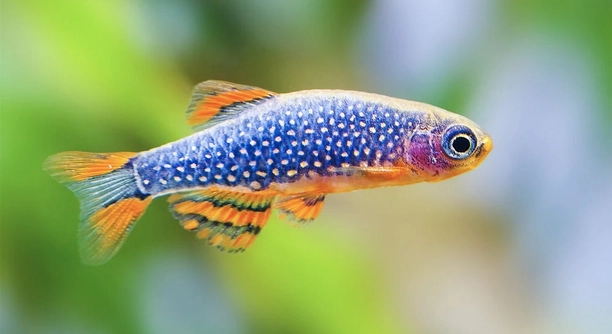
Are your Celestial Pearl Danios swimming in constant circles, leaving you puzzled about their unusual behavior? Observing these small, vibrant fish can be enjoyable, yet repetitive circling may indicate an underlying issue affecting their well-being in your aquarium.
Celestial Pearl Danios swim in circles primarily due to stress, poor water conditions, illness, or territorial behavior. Identifying environmental factors, dietary deficiencies, or health problems is crucial to correct their swimming patterns and maintain their overall health and comfort.
Understanding the reasons behind this behavior will help you provide a safer and more comfortable environment for your fish, ensuring their health and long-term happiness in your tank.
Stress and Overcrowding
Celestial Pearl Danios are small, active fish that thrive in calm, stable environments. When their tank is overcrowded, they may swim in circles as a sign of stress. Stress can weaken their immune systems, making them more vulnerable to illness. Overcrowding increases competition for food and hiding spots, leading to constant motion as each fish searches for space and security. Even minor disturbances, like sudden movements outside the tank or changes in lighting, can trigger repetitive swimming. Providing sufficient space, at least 10 gallons for a small group, helps reduce this behavior. A proper community setup with compatible species ensures that the fish are not constantly challenged or harassed. Additionally, adding plants or decorations can create hiding spots that offer refuge. Monitoring fish interactions regularly is important to catch any signs of bullying or dominance, which can also lead to continuous circling. Ensuring proper tank size and environment is critical for their well-being.
Reducing stress in the tank often resolves circular swimming. Adequate space and hiding spots are essential.
Observing how your Danios interact in their environment provides insight into their needs. Overcrowding not only stresses them but may lead to aggression or illness. Ensuring clean water, stable temperature, and a peaceful environment supports natural swimming behavior. Regular maintenance and careful monitoring prevent repeated stress-induced swimming, allowing your fish to thrive calmly.
Water Quality and Parameters
Poor water quality can cause your Danios to swim in circles, signaling discomfort or health issues. Maintaining proper pH, ammonia, nitrate, and temperature levels is essential for their well-being.
Regular water testing is crucial for keeping parameters safe. Sudden changes can provoke erratic behavior or stress in the fish.
Keeping water quality stable prevents stress-related swimming. Ammonia or nitrite spikes can irritate gills and cause constant movement. Chlorine or improper filtration may further harm delicate fish. Frequent partial water changes, proper filtration, and monitoring of chemical levels ensure a clean, stable habitat. Water temperature should remain consistent, around 22-26°C, as fluctuations disturb their natural rhythm. Using a reliable thermometer and testing kit helps track conditions accurately. Overfeeding can also affect water quality, increasing waste and promoting harmful bacteria. Ensuring a balanced diet and removing uneaten food supports better water conditions. With careful attention to water quality, Celestial Pearl Danios swim naturally and remain active without stress-driven circling, making their tank environment both safe and enjoyable.
Illness and Parasites
Illnesses or parasites can make Celestial Pearl Danios swim in circles. Common issues include bacterial infections, protozoan parasites, or swim bladder problems. Observing other symptoms like lethargy, clamped fins, or discoloration can help identify the problem early. Prompt treatment is important to prevent worsening.
Swim bladder issues often result from poor diet, sudden temperature changes, or genetic factors. Affected Danios may struggle to maintain balance, causing continuous circular swimming. Bacterial infections can irritate internal organs or fins, creating discomfort and erratic motion. Parasites like gill flukes or external protozoans may also stress fish, leading to repetitive swimming as they attempt to alleviate irritation. Quarantining sick fish and administering appropriate treatments improves recovery chances. Maintaining consistent water conditions and high-quality food reduces susceptibility to illness, keeping swimming behavior normal.
Observation is key. If multiple fish show signs of illness, isolating them prevents the spread of infection. Healthy fish typically swim in short bursts and explore the tank. Correcting underlying causes like diet or temperature helps restore natural behavior, allowing your Danios to regain balance and swim naturally without constant circling.
Nutrition and Diet
An improper diet can affect Danios’ swimming patterns. Nutritional deficiencies, overfeeding, or low-quality food may lead to unusual behavior, including circling. Ensuring a balanced diet is crucial for their health.
High-protein foods support growth and energy, while occasional vegetables or algae supplements provide essential nutrients. Overfeeding can cause digestive issues, bloating, or swim bladder problems, triggering circular swimming. Feeding small amounts two to three times daily reduces waste accumulation and maintains water quality. Rotate between flake food, micro-pellets, and live or frozen foods to provide variety. Nutrient-rich diets strengthen immunity, improve coloration, and support normal activity. A well-planned feeding routine prevents repetitive swimming caused by internal discomfort.
Proper nutrition keeps Celestial Pearl Danios active and healthy. Lack of essential vitamins or excess food affects digestion, causing stress and erratic movement. Observing how they respond to dietary adjustments helps determine the best feeding approach. Gradually introducing new foods and monitoring their effect on swimming behavior ensures that each fish receives balanced nutrition, supporting stable health. Consistent diet management, combined with clean water and adequate space, minimizes the chances of circling behavior, helping your fish maintain natural, comfortable movement throughout the tank.
Tank Size and Space
Limited tank space can cause Celestial Pearl Danios to swim in circles. Small or overcrowded tanks restrict movement, forcing fish to repeat patterns as they navigate the confined area. Proper space allows natural swimming and reduces stress.
Providing at least 10 gallons for a small group helps prevent constant circling.
Territorial Behavior
Celestial Pearl Danios may establish small territories within the tank. Dominant fish can chase others, causing repetitive circular swimming as subordinates attempt to escape or find space. Maintaining group harmony and monitoring interactions minimizes aggressive displays and promotes natural behavior.
Water Flow and Filtration
Strong currents or uneven water flow can influence swimming patterns. Danios may circle repeatedly to adjust to currents or stay in preferred areas of the tank. Proper filtration and gentle flow allow comfortable movement and reduce stress-related behaviors.
Lighting and Environmental Changes
Sudden changes in lighting or tank decorations can disrupt routine. Danios may swim in circles while assessing new conditions. Gradual adjustments and stable lighting help maintain normal behavior and reduce disorientation.
Why is my Celestial Pearl Danio swimming in circles all the time?
Continuous circular swimming is usually a sign of stress, illness, or environmental imbalance. Factors such as overcrowding, poor water quality, swim bladder issues, or parasites can trigger this behavior. Observing other symptoms like clamped fins, loss of appetite, or discoloration can help identify the underlying cause. Adjusting tank conditions and ensuring proper nutrition often resolves repetitive swimming.
Can stress alone cause circling behavior?
Yes, stress can significantly affect swimming patterns. Overcrowding, sudden movements outside the tank, loud noises, or aggressive tank mates can make Danios swim in circles. Stress weakens their immune system and may lead to illness if not addressed. Providing sufficient space, hiding spots, and stable conditions reduces stress.
Could water quality be the reason my Danio swims in circles?
Poor water quality is a common cause. High levels of ammonia, nitrites, or nitrates irritate gills and internal organs, prompting erratic swimming. Chlorine or improper filtration may worsen the issue. Frequent water testing, partial changes, and stable parameters prevent stress-induced circling. Proper filtration ensures consistent flow and cleanliness.
Do swim bladder problems make fish swim in circles?
Yes, swim bladder issues can disrupt balance. This condition may result from overfeeding, sudden diet changes, constipation, or genetic predispositions. Affected fish struggle to maintain orientation, often circling or floating unevenly. Adjusting diet, fasting briefly, or providing daphnia can help regulate buoyancy and restore normal swimming.
Can diet affect circular swimming?
Improper nutrition can lead to digestive issues or nutrient deficiencies that affect swimming. Overfeeding or feeding low-quality food may cause bloating and swim bladder problems. A balanced diet with high-quality flakes, micro-pellets, and occasional live or frozen foods supports health. Monitoring feeding habits prevents digestive stress and reduces circling.
Is aggressive behavior from other fish a factor?
Territorial or dominant tank mates may chase smaller Danios, causing them to circle repeatedly as they attempt to escape or find space. Observing fish interactions and maintaining a peaceful community setup helps reduce stress and aggressive swimming behavior. Adequate hiding spots improve comfort.
Can sudden environmental changes trigger circling?
Yes, rapid changes in lighting, decorations, or water parameters can cause disorientation. Danios may circle while adjusting to new conditions. Gradual adjustments, consistent lighting, and stable temperature reduce disorientation and promote natural swimming. Ensuring a predictable environment minimizes stress responses.
Should I isolate a Danio that swims in circles?
Isolation is recommended if the fish shows signs of illness or if aggression from tank mates is suspected. Quarantining affected fish prevents the spread of disease and allows focused treatment. Maintaining clean water and a calm environment during isolation supports recovery.
How long does it take for Danios to stop circling once conditions improve?
Recovery time varies depending on the cause. If stress or overcrowding is addressed, behavior may normalize within a few days. Illness or swim bladder problems may take longer, requiring proper treatment and monitoring. Consistent care and observation are essential for restoring normal activity.
Can continuous circling harm my fish?
Extended repetitive swimming increases stress and can worsen health problems. Stress weakens immunity, making fish more vulnerable to infections and organ strain. Correcting underlying causes and providing a stable, comfortable environment helps prevent long-term harm. Observing behavior closely ensures timely intervention.
Are certain tank setups better for preventing circling?
Yes, providing adequate space, gentle water flow, proper filtration, and hiding spots reduces stress and encourages natural swimming. A balanced community of compatible fish and stable water conditions support calm behavior and prevent constant circling. Regular monitoring and maintenance are key.
Does age affect circling behavior?
Younger Danios may circle due to energy or exploration, but persistent circling in older fish often indicates health or environmental problems. Monitoring age-related behavior helps differentiate between normal activity and concerning patterns, allowing appropriate adjustments to tank care.
Can seasonal changes or temperature fluctuations cause circling?
Yes, sudden temperature drops or seasonal changes in room conditions can stress fish, leading to circular swimming. Maintaining a consistent temperature within the recommended range of 22-26°C supports stability. Using reliable heaters and thermometers ensures optimal conditions year-round.
Is medication ever required to stop circling?
Medication is only necessary if illness, parasites, or bacterial infections are identified. Treating swim bladder or stress-related behavior does not require drugs. Correct diagnosis and targeted treatment prevent unnecessary use of medication and help restore normal swimming naturally.
Can multiple factors combine to cause circling?
Often, circling results from several overlapping issues, such as poor water quality, stress, and minor illness. Addressing all potential factors together improves recovery chances. Observing behavior closely and making incremental adjustments helps identify contributing causes and restore balance.
How can I monitor if my Danios are improving?
Track swimming patterns, appetite, coloration, and interactions with other fish. Gradual reduction in circling and return to normal exploration indicates improvement. Regular water testing and consistent tank maintenance reinforce recovery, ensuring your fish remain healthy and active.
Understanding why Celestial Pearl Danios swim in circles requires attention to their environment, health, and diet. These small, active fish are sensitive to changes in water conditions, tank size, and social dynamics. When they swim repeatedly in circles, it is often a signal that something in their habitat needs adjustment. Observing their behavior closely can help identify the cause, whether it is stress from overcrowding, poor water quality, illness, or nutritional issues. Each factor plays an important role in maintaining their overall health and ensuring they can swim naturally without repetitive or unusual patterns. Paying attention to subtle changes in swimming behavior can prevent long-term problems and support a thriving aquarium.
Maintaining proper water parameters is one of the most important steps to ensure Danios remain healthy and comfortable. Ammonia, nitrite, and nitrate levels should be monitored regularly, and partial water changes should be performed consistently to maintain cleanliness. The water temperature should remain stable between 22 and 26 degrees Celsius to prevent stress. Filtration systems should create gentle water flow without strong currents that force the fish to swim continuously. Tank decorations and plants can provide hiding spots, giving fish a sense of security. Providing an appropriate tank size for the number of Danios is essential to reduce stress from overcrowding. A minimum of ten gallons is recommended for a small group, allowing room for swimming and social interactions.
Diet and overall care also influence swimming behavior. Overfeeding or providing low-quality food can lead to swim bladder problems, bloating, and general discomfort, which may result in circling. Feeding small portions multiple times a day, including a mix of high-quality flakes, micro-pellets, and occasional live or frozen foods, supports digestion and health. Monitoring how fish respond to diet adjustments can reveal if nutrition is contributing to unusual swimming. Additionally, quarantining new fish, observing for signs of illness or parasites, and addressing any aggressive behavior in the tank help maintain stability. By combining careful observation, proper tank management, and balanced nutrition, Celestial Pearl Danios can swim naturally, stay active, and live healthy lives without repeated circling.

Hello,
If you enjoy the content that we create, please consider saying a "Thank You!" by leaving a tip.
Every little bit helps us continue crafting quality advice that supports the health, happiness, and well-being of pets around the world, for pets of all shapes, sizes, and species.
We really appreciate the kindness and support that you show us!