
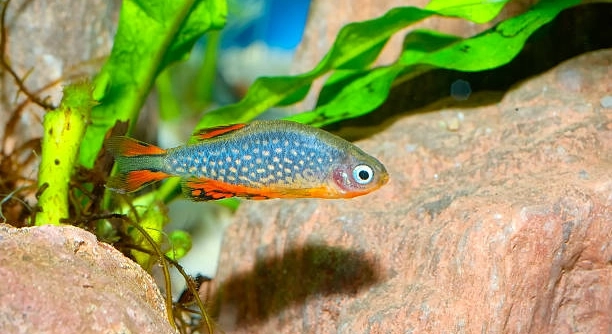
Danios are small, lively fish often kept in home aquariums. Their activity and health depend heavily on regular feeding. Missing meals for an extended period can affect their behavior, appearance, and overall well-being in noticeable ways.
When danios are starved for seven days, they experience weight loss, reduced activity, and slower swimming patterns. Their digestive system slows down, and they may become more prone to stress and disease, which can negatively impact their long-term health and survival.
Monitoring feeding schedules closely is important for maintaining their vitality. Observing their reactions to changes in diet offers insights into proper care and sustainable aquarium management.
Physical Changes in Danios During Starvation
When danios go without food for seven days, their bodies begin to show clear physical changes. Their scales may appear duller, and the normally bright colors can fade. The body becomes thinner as fat reserves are used for energy. You might notice their eyes looking slightly sunken, and fins may appear less spread out. Swimming patterns change as well, with movements becoming slower and less coordinated. Energy levels drop, so fish spend more time near the bottom of the tank or resting in corners. Muscle tone decreases, making them look frailer. Internal organs begin consuming stored nutrients, which can weaken the immune system. Even minor disturbances in the tank, like water changes or light fluctuations, may stress the fish more than usual. These physical effects can be subtle at first but become noticeable by the seventh day, indicating the severity of prolonged food deprivation. Careful observation is essential to detect early signs.
Physical appearance is the first indicator that danios are undernourished and stressed.
Consistent monitoring of their condition is important. By observing weight, color, and activity, owners can prevent lasting damage. Adjusting feeding habits and water quality ensures a safer environment. Timely reintroduction of food helps the digestive system recover. Regular observation can catch issues early, improving long-term health and maintaining a stable tank ecosystem.
Behavioral Effects of Starvation
Danios may become more lethargic and less responsive after extended periods without food.
Reduced feeding affects swimming behavior and social interactions. Danios that are usually active and playful may isolate themselves, avoiding group swimming or chasing behaviors. Feeding routines impact stress levels, making them less likely to explore the tank or respond to stimuli. Aggression can either increase or decrease depending on the group, as competition for limited resources becomes apparent. Stress from hunger may lead to hiding more often and minimizing exposure to light or open areas. They may appear restless at times, hovering near surfaces searching for food, but quickly return to inactivity. These changes show how sensitive danios are to nutritional balance, and careful observation is necessary to detect these behavioral shifts early. Long-term behavioral stress can affect reproduction and overall survival if not addressed promptly.
Behavioral changes reveal the fish’s discomfort and guide owners toward corrective measures.
Observing how danios react under starvation provides insight into their resilience and limitations. Seven days without food can alter daily activity, making previously active fish slow and unresponsive. Social dynamics in a school may change, with some individuals withdrawing while others compete for available resources. Stress hormones rise, influencing both behavior and health, potentially weakening immunity. Once food is reintroduced, normal behavior can return gradually, but prolonged deprivation can leave lasting effects. Tracking behavior alongside physical changes allows for a more complete understanding of their condition. Maintaining a balanced diet and consistent feeding schedule is essential for their well-being, as it minimizes stress, preserves energy, and supports natural swimming and social patterns in the aquarium.
Metabolic Impact of Starvation
Starvation slows down danios’ metabolism significantly. Energy reserves are used up, causing slower movements and reduced responsiveness to their environment. Digestive activity decreases, and nutrient absorption efficiency drops, leaving the fish weaker and more vulnerable to illness.
With reduced food intake, the body prioritizes essential organs, breaking down fat and some muscle tissue for energy. Blood sugar levels drop, affecting energy availability for swimming and normal behaviors. The liver and other organs adjust to conserve energy, which can suppress growth and repair processes. Hormonal changes may also occur, influencing stress response and appetite. These shifts are the body’s attempt to survive during food scarcity, but prolonged stress can have long-term consequences.
The immune system is also affected by metabolic slowdown. Starved danios produce fewer immune cells, making them more prone to infections. Recovery requires careful refeeding and monitoring, as sudden diet changes can overwhelm weakened systems. Consistent observation helps ensure the fish regain strength safely.
Refeeding and Recovery
Reintroducing food must be gradual to avoid digestive shock or bloating. Small portions are best initially, gradually increasing over days.
Recovery depends on restoring normal feeding and water conditions. Starved danios regain energy and normal swimming patterns once metabolism adjusts. Color and body tone gradually return. Fish may remain cautious or inactive at first, needing time to rebuild strength. Digestive enzymes restart, and nutrient absorption improves slowly, allowing the fish to regain lost weight and muscle mass. Monitoring water quality is critical during this phase, as stress and weakened immunity make them sensitive to environmental changes.
Long-term recovery requires patience. Overfeeding too quickly can cause digestive issues or further stress. Providing a balanced diet, stable temperature, and minimal disturbances supports full restoration. Observing social interactions helps ensure all fish are feeding adequately, preventing weaker individuals from being outcompeted. Proper care during refeeding encourages resilient, healthy fish and reduces the risk of lingering effects from the starvation period.
Stress Response in Danios
Extended starvation triggers stress in danios. Cortisol levels rise, making fish more reactive to environmental changes and less tolerant of tank disturbances.
Stress affects both behavior and immunity. Fish may hide more often, avoid swimming actively, and show irregular schooling patterns, increasing vulnerability to disease and aggression within the group.
Long-Term Health Consequences
Chronic starvation can lead to lasting damage in danios. Prolonged nutrient deficiency weakens organs, slows growth, and may reduce lifespan. Repeated or extended periods without adequate food make fish more susceptible to infections and internal organ failure. Even after recovery, some behavioral or physical changes can persist, requiring careful monitoring to prevent recurrence. Maintaining consistent feeding schedules is essential to safeguard long-term health and prevent permanent harm to both individual fish and the overall aquarium ecosystem.
Observing Recovery Progress
Monitoring physical condition and activity levels helps track recovery. Gradual improvements indicate successful refeeding and adaptation.
FAQ
What happens to danios after seven days without food?
Danios start using stored fat and muscle for energy, causing weight loss and weaker swimming. Their colors fade, fins may look less vibrant, and activity decreases. The digestive system slows down, and stress levels increase, making them more prone to illness.
Can danios survive more than seven days without food?
Survival depends on the fish’s size, age, and prior health. While some may last up to ten days, prolonged starvation increases the risk of organ damage, infections, and death. Recovery after extended starvation becomes more difficult and slow.
How can I tell if my danios are underfed?
Signs include faded colors, thin bodies, sunken eyes, and reduced swimming. They may stay near the bottom of the tank or hide more than usual. Aggressive or lethargic behavior can also indicate nutritional stress.
Is it safe to skip feeding for a week?
Occasionally, healthy adult danios may tolerate a short fast, but a full week is risky. Stress and immune suppression increase, and even a single week without food can lead to lasting behavioral or physical changes.
What is the best way to refeed starved danios?
Start with very small portions, offering food two to three times a day. Gradually increase the amount over several days. Soft or easily digestible foods reduce digestive stress. Monitor behavior, swimming, and digestion closely during this period.
Can starvation affect danios’ social behavior?
Yes. Hungry fish may compete aggressively for limited food or isolate themselves. Schooling patterns can be disrupted, and weaker individuals may be bullied or stressed. Careful feeding ensures all fish get adequate nutrition and restores normal social interactions.
How long does it take for danios to recover fully?
Recovery depends on how long they were starved and overall health. With proper refeeding, stable water conditions, and minimal stress, most fish regain normal activity, color, and weight within one to two weeks. Some behavioral changes may take longer to normalize.
Does starvation make danios more prone to disease?
Yes. Reduced nutrition weakens the immune system, leaving fish vulnerable to bacterial, fungal, and parasitic infections. Maintaining clean water, balanced feeding, and careful observation helps prevent illness during and after recovery.
Can juvenile danios survive starvation as well as adults?
Juveniles are more vulnerable because they have smaller energy reserves. Starvation can quickly stunt growth and cause severe health problems. Extra care is needed to maintain consistent feeding for younger fish to ensure proper development.
Should I change water conditions while my danios are starved?
Maintain stable water quality, temperature, and pH. Stress from food deprivation combined with poor water conditions can worsen health problems. Regular monitoring and gentle water maintenance are recommended to support weakened fish.
Are all danios affected the same way by starvation?
Individual health, age, and genetics affect responses. Some may remain active longer, while others show rapid physical decline. Observing each fish’s condition helps tailor care and feeding strategies during recovery.
What types of food are easiest for starved danios to digest?
Soft flakes, crushed pellets, or finely chopped live foods are easier to digest. Avoid large, dense foods that may overwhelm the digestive system. Gradually reintroducing normal diet helps restore strength safely.
How often should I feed danios after a starvation period?
Initially, small portions two to three times a day work best. Over the next week, gradually return to normal feeding schedules, typically once or twice daily, ensuring they eat all the offered food without waste.
Can stress from starvation affect breeding?
Yes. Prolonged underfeeding reduces energy for reproduction and may delay or stop spawning. Even after recovery, stress effects can linger, so consistent nutrition is important for breeding success.
Is monitoring behavior enough to know if danios are recovering?
Behavior is a good indicator, but physical signs like color, fin condition, and body weight should also be checked. Combining behavioral observation with physical monitoring gives a clearer picture of recovery progress.
What long-term precautions should I take to prevent starvation?
Maintain consistent feeding schedules, keep backup food, and monitor all fish for signs of reduced intake. Regular tank checks and observing social dynamics ensure weaker fish are not left behind. Proper planning prevents future starvation and keeps the aquarium healthy.
Can I use supplements during recovery?
Yes, vitamins or fortified foods can help restore strength. Introduce supplements gradually and monitor fish for tolerance. Over-supplementation can stress the digestive system or water conditions, so balance is key.
How do environmental factors influence recovery?
Stable temperature, clean water, and low stress levels support faster recovery. Sudden changes can delay healing, weaken immunity, and affect behavior. A calm environment ensures starved fish regain strength safely.
Is it possible for some effects of starvation to be permanent?
Yes. Prolonged nutrient deprivation can cause lasting muscle loss, stunted growth in juveniles, or behavioral changes. Early detection, gradual refeeding, and careful monitoring reduce long-term damage.
Should I separate starved danios from others during recovery?
If some fish are much weaker, temporarily separating them can reduce stress and competition for food. Once they regain strength, they can be safely reintroduced to the main tank.
How do I know when my danios have fully returned to normal?
Full recovery is indicated by normal swimming patterns, active schooling, restored color, healthy body weight, and regular feeding behavior. Continuous observation ensures no lingering health issues remain.
Can stress from starvation affect appetite after recovery?
Yes. Some fish may be hesitant to eat immediately. Gradual introduction of small, soft meals helps rebuild confidence and stimulates normal feeding behavior.
Are there any signs that indicate irreversible damage from starvation?
Severe, persistent weight loss, sunken eyes, faded colors, or continued lethargy despite proper care may indicate lasting damage. Early intervention improves chances, but severe starvation can have permanent consequences.
Does tank size or population density affect starvation outcomes?
Yes. Overcrowded tanks increase competition for limited food and stress, worsening starvation effects. Proper stocking density and sufficient feeding distribution reduce risk and support recovery for all fish.
What is the safest way to resume regular feeding?
Introduce small portions multiple times daily, observe digestion and activity, then gradually return to normal quantity. Avoid overfeeding, which can cause bloating or digestive issues in weakened fish.
Can water temperature influence how danios handle starvation?
Yes. Lower temperatures slow metabolism, slightly prolonging survival but delaying recovery. Higher temperatures increase energy use, making starvation effects appear faster. Stable, appropriate temperatures support recovery and maintain health during fasting periods.
How long should I observe my danios after recovery?
Monitor for at least two weeks after refeeding. Watch for color return, swimming activity, and feeding behavior. Any lingering lethargy or abnormal behavior may indicate incomplete recovery or additional health issues.
Are some danio species more resistant to starvation?
Hardier species may cope slightly better, but all danios need regular food. Even resistant types show weight loss, color fading, and behavioral changes if starved for seven days or more.
Can supplements alone replace normal feeding during recovery?
No. Supplements aid recovery but cannot replace the energy and nutrients provided by regular food. Balanced meals remain essential for full restoration of strength, color, and normal activity.
What signs show the immune system is recovering?
Reduced infections, fewer lesions, and normal responses to environmental changes indicate improving immunity. Healthy appetite and increased activity also reflect stronger resistance to disease.
Is gradual feeding more important than food type?
Yes. Reintroducing food slowly prevents digestive shock, which is more critical than the exact type of food. Easy-to-digest foods further reduce stress and allow the fish to regain strength safely.
Can starved danios resume normal growth rates?
Juveniles may catch up partially if fed properly, but prolonged starvation can permanently slow growth. Adults regain muscle and weight, but some long-term effects may persist.
How often should I check for physical and behavioral signs post-starvation?
Daily monitoring is ideal during recovery. Observe swimming, color, fin condition, and appetite. Prompt attention to any setbacks ensures successful restoration of health and prevents complications.
Is it necessary to adjust tank mates during recovery?
If other fish are aggressive or dominate feeding, temporarily separating weaker danios ensures equal access to food and reduces stress. Gradually reintroduce them once they regain strength.
What is the most important factor for full recovery?
Consistent, gradual feeding combined with stable water conditions and minimal stress ensures the best chance of restoring health, color, and normal behavior. Recovery is a balance of nutrition, observation, and patience.
How can I prevent starvation in the future?
Maintain routine feeding, check all fish regularly, and ensure sufficient food distribution. Observing social dynamics and keeping backup supplies help avoid accidental underfeeding, protecting long-term health and activity.
What is the role of observation in preventing complications?
Careful daily observation of swimming, feeding, and physical condition allows early detection of undernourishment. Acting quickly prevents severe stress, organ damage, and social disruption, supporting healthier, more resilient fish.
Can minor starvation affect reproduction long-term?
Yes. Nutrient deprivation may reduce fertility and delay spawning. Providing a balanced diet and stable conditions post-starvation helps restore reproductive potential gradually.
How do I know if my refeeding plan is too aggressive?
Signs include bloating, abnormal swimming, regurgitation, or increased stress. Reduce portion size, offer smaller meals, and monitor digestion closely to ensure safe recovery.
Are behavioral changes reversible after starvation?
Most behavioral changes improve with proper care, feeding, and stable conditions. Persistent aggression or withdrawal may require additional observation, but gradual normalization is common if fish regain health.
What is the safest approach to gradual feeding?
Small portions multiple times daily, starting with easily digestible foods, while observing for digestive stress. Gradually increase quantity and return to normal feeding schedules over one to two weeks.
How does starvation affect energy levels long-term?
Extended food deprivation reduces stored energy, slows metabolism, and can leave fish weaker temporarily. Proper nutrition and care restore energy gradually, though prolonged starvation may cause lasting effects in some cases.
Can environmental enrichment aid recovery?
Yes. Hiding spots, plants, and gentle water flow reduce stress, encourage natural behaviors, and support recovery by allowing weakened fish to regain strength without competition or disturbance.
Is it better to feed smaller amounts more often or one large meal?
Smaller, frequent meals are safer during recovery. Large meals can overload the digestive system, causing bloating or stress. Gradual increase in portion size is more effective for restoring health safely.
Can I use live food during recovery?
Yes, live food is highly digestible and encourages feeding behavior. Introduce gradually to prevent overfeeding or stress. Monitor fish closely to ensure all individuals consume enough.
How do I ensure all fish eat equally after starvation?
Distribute food across the tank and observe feeding. Separate weaker or smaller fish if necessary to prevent competition. Even feeding promotes uniform recovery and reduces stress-related aggression.
Does water flow affect feeding during recovery?
Strong currents can stress weakened fish and make feeding harder. Gentle water flow ensures food is accessible and fish expend minimal energy, supporting recovery.
What long-term monitoring is necessary after a starvation event?
Continue checking color, swimming, appetite, and social behavior for several weeks. Monitor for recurring lethargy or weight loss, adjust feeding, and maintain stable water conditions to prevent future issues.
Can starved danios fully regain their pre-starvation appearance?
Most regain normal colors, fins, and body weight with proper care. Some minor long-term effects may remain, especially after severe or repeated starvation, but gradual restoration is generally achievable.
How important is patience during recovery?
Very important. Rapid feeding or excessive handling can stress fish and slow recovery. Gradual, consistent care allows safe restoration of health, energy, and normal behavior.
Is professional advice necessary after severe starvation?
For extreme cases or juvenile fish, consulting an aquatics specialist helps ensure proper feeding, water conditions, and monitoring to maximize survival and recovery outcomes.
Can dietary supplements accelerate recovery?
They can help restore nutrients and support immune function, but cannot replace proper food and careful refeeding. Balance and gradual introduction are key for safe recovery.
How do I avoid accidental starvation in mixed-species tanks?
Observe all species during feeding, ensure equal access to food, and adjust portion sizes. Using multiple feeding spots prevents dominant fish from monopolizing meals and reduces stress for smaller or weaker fish.
What is the best way to balance stress reduction and nutrition?
Maintain stable water parameters, gentle handling, hiding spaces, and small, frequent meals. Reducing stress supports digestion, immunity, and energy restoration simultaneously.
How long should recovery monitoring continue for juvenile danios?
Juveniles require at least two weeks of careful observation. Monitor growth, swimming, feeding, and social interactions to ensure full recovery and proper development.
Are there signs that indicate incomplete recovery?
Persistent lethargy, weight loss, faded colors, irregular swimming, or poor appetite suggest ongoing recovery needs. Adjust feeding and environmental conditions to support complete restoration.
Can water quality issues worsen starvation effects?
Yes. Poor water conditions add stress, reduce immunity, and slow recovery. Stable temperature, pH, and clean water are essential for safe refeeding and long-term health.
What role does observation play in preventing starvation recurrence?
Daily checks of behavior, appetite, and physical condition catch underfeeding early. Prompt action prevents severe stress, health problems, and social disruptions in the tank.
Is it possible to predict how long a starved danio will take to recover?
Recovery time depends on age, health, starvation severity, and environmental conditions. Most adults recover within one to two weeks, while juveniles may need longer for growth and full strength restoration.
Does diet composition affect recovery speed?
Yes. Balanced foods with protein, vitamins, and minerals help rebuild tissues, restore energy, and support immune function faster than low-quality or single-ingredient diets.
Can stress from previous starvation affect future feeding behavior?
Yes. Fish may initially be hesitant to eat or compete. Gradual reintroduction of food and observation encourages normal appetite and reduces stress over time.
Is continuous observation necessary after full recovery?
Yes, intermittent monitoring ensures fish remain healthy, feeding well, and free from lingering effects of starvation. Early detection of any setbacks prevents further complications.
What is the safest feeding frequency for recovering fish?
Start with small, multiple meals daily, then reduce to regular adult feeding schedules once digestion and activity normalize. Gradual adjustment prevents digestive overload and supports energy restoration.
How can I ensure equal feeding in a large school?
Spread food throughout the tank and observe weaker fish. Temporary separation may help ensure smaller or less aggressive fish get adequate nutrition without competition.
Can environmental enrichment improve appetite after starvation?
Yes. Plants, hiding spots, and calm water flow reduce stress, encourage exploration, and stimulate natural feeding behaviors, supporting safe recovery.
Are there any permanent behavioral changes after severe starvation?
Some fish may remain slightly cautious or less active, but most behaviors normalize with consistent care, proper feeding, and stable environmental conditions.
How does starvation affect energy storage long-term?
Extended starvation depletes fat and muscle reserves. With proper recovery, energy stores rebuild gradually, but repeated or severe deprivation can cause lasting reductions in stored energy.
Can starved fish still breed successfully?
If recovery is complete and nutrition is restored, many fish can reproduce normally. Severe or repeated starvation may delay spawning or reduce fertility temporarily.
Should tank lighting or flow be adjusted during recovery?
Yes. Gentle lighting and reduced water flow minimize stress, allowing weakened fish to feed, rest, and regain strength safely.
Is there a limit to how quickly starved danios can recover?
Yes. The body can only rebuild tissues and restore metabolism gradually. Overfeeding or rushed care can harm health rather than speed recovery.
How do I balance feeding, stress reduction, and water quality?
Provide small, frequent meals, maintain stable water parameters, and reduce disturbances. Balanced care supports digestion, immunity, and energy restoration simultaneously.
Can starved danios fully regain lost weight?
Most adults regain lost weight with proper feeding, though juveniles may experience slower growth. Gradual refeeding prevents digestive problems and supports safe restoration of body mass.
Does social hierarchy affect recovery?
Yes. Dominant fish may monopolize food. Ensure weaker fish have access by spreading food or temporarily separating them. Balanced feeding reduces stress and promotes uniform recovery.
What is the role of consistent feeding in preventing future starvation?
Regular meals, monitoring, and observing social dynamics ensure all fish are nourished, reducing stress and preventing health issues caused by accidental underfeeding.
How do I safely transition from recovery feeding to normal diet?
Gradually increase portion size and reintroduce standard foods over several days. Monitor digestion, appetite, and energy to ensure a smooth transition without stress or digestive issues.
Can repeated short-term starvation have cumulative effects?
Yes. Even brief periods of underfeeding can weaken immunity, reduce growth, and alter behavior over time. Consistent nutrition prevents cumulative health problems.
How important is observation for long-term health after starvation?
Observation allows early detection of physical, behavioral, or feeding issues. Prompt intervention prevents stress, illness, and further nutritional deficits, ensuring lasting well-being.
Does stress from previous starvation influence growth in juveniles?
Yes. Nutrient deprivation slows development. Even after recovery, growth may remain slightly stunted compared to consistently fed individuals, highlighting the importance of uninterrupted nutrition.
Can minor health problems from starvation be reversed?
Yes, with proper care, balanced feeding, and stable conditions. Most minor physical and behavioral changes improve over time, though severe damage may be permanent.
How do I know if my refeeding strategy is effective?
Indicators include improved activity, regained color, restored weight, normal swimming patterns, and regular appetite. Adjust portions and frequency based on these signs for optimal recovery.
Should I monitor tank mates during recovery?
Yes. Ensure stronger or more aggressive fish do not monopolize food. Proper feeding distribution and temporary separation of weaker fish support safe and even recovery.
How long before starved danios show visible improvement?
Some improvement in swimming, color, and activity can appear within two to three days. Full recovery may take one to two weeks, depending on age, health, and starvation severity.
Can starvation affect stress tolerance long-term?
Yes. Fish previously starved may be more sensitive to environmental changes, requiring careful management to prevent additional stress or health issues.
Is it necessary to change feeding methods after starvation?
Sometimes. Using multiple feeding points, smaller portions, and easily digestible foods helps weaker fish access nutrition and supports safe recovery.
**Can starved fish overeat once
Starvation affects danios in multiple ways, and understanding these effects is important for maintaining a healthy aquarium. A seven-day period without food can have serious consequences, including weight loss, dull colors, slower swimming, and weakened immunity. These physical changes are visible and provide clear signs that the fish are under stress. Even subtle shifts in behavior, like reduced activity or hiding more often, indicate that the fish are struggling to cope with the lack of nutrition. Monitoring both appearance and behavior helps identify problems early, allowing timely intervention to prevent lasting harm. While adult danios may survive a short period without food, juveniles and weaker fish are much more vulnerable. Extended starvation can cause permanent effects on growth, muscle tone, and overall health, making prevention and careful observation essential for all aquarium owners.
Recovery from starvation requires patience and careful management. Refeeding should be gradual, starting with small, easily digestible portions to avoid digestive stress. Overfeeding too quickly can harm weakened fish, causing bloating or further complications. Water quality and environmental stability play an important role in supporting recovery. Maintaining consistent temperature, pH, and gentle water flow reduces stress while the fish regain strength. Observing interactions among tank mates is also important, as weaker or smaller fish may struggle to compete for food. By distributing food carefully and monitoring consumption, owners can ensure that all fish receive adequate nutrition. Full recovery includes the return of normal swimming, coloration, appetite, and social behavior, though some minor long-term effects may persist in individuals that were severely affected.
Preventing starvation is easier than managing its consequences. Consistent feeding schedules, proper portion sizes, and careful observation are key to maintaining healthy danios. Noticing small changes in activity, appearance, or appetite can prevent a short-term issue from becoming a serious problem. Ensuring all fish have access to food, particularly in larger or more crowded tanks, is also critical. Providing high-quality, balanced diets supports overall health, resilience, and proper growth. While a short fast may not immediately endanger adult fish, repeated or prolonged food deprivation can have cumulative effects on health, behavior, and reproduction. By combining careful observation, thoughtful feeding practices, and attention to tank conditions, owners can protect danios from the negative impacts of starvation and support long-term well-being.

Hello,
If you enjoy the content that we create, please consider saying a "Thank You!" by leaving a tip.
Every little bit helps us continue crafting quality advice that supports the health, happiness, and well-being of pets around the world, for pets of all shapes, sizes, and species.
We really appreciate the kindness and support that you show us!