
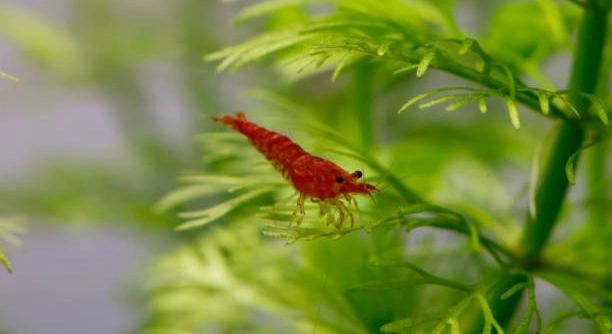
Do you ever notice how shrimp seem to choose certain foods over others in your aquarium? Their tiny movements and feeding habits can be surprisingly particular, making them fascinating creatures to observe and understand.
Shrimp can alter their feeding preferences as they age due to changes in metabolism, sensory development, and environmental adaptation. Younger shrimp often favor easily digestible foods, while adults display more selective behavior influenced by nutritional needs and habitat conditions.
Observing these shifts can offer valuable insights for proper care and diet planning, ensuring your shrimp remain healthy and active throughout their lifespan.
Early Feeding Habits of Shrimp
Young shrimp tend to prefer softer, easily digestible foods that provide quick energy for growth. They often start with algae, biofilm, or tiny particles floating in the water. At this stage, their digestive systems are still developing, making it easier for them to absorb nutrients from simpler foods. Observing their eating behavior, it is common to see them nibble constantly, rarely letting a feeding opportunity pass. Over time, as their bodies grow and their exoskeletons harden, their metabolism shifts slightly, requiring more substantial and varied sources of nutrition. This stage is critical because proper feeding ensures healthy molting and development. Improper or insufficient feeding can lead to slower growth, weaker shells, or even increased vulnerability to stress. By providing the right type of food at this stage, shrimp can build a strong foundation for healthier adult habits. Watching them adapt to their food environment reveals how flexible these creatures can be even at a young age.
Proper early feeding sets the stage for healthier adult shrimp. Their preferences are shaped by nutrition and growth demands during these formative weeks.
Introducing young shrimp to a variety of soft foods early can encourage adaptability later. While they may initially favor biofilm or microalgae, small amounts of specialized shrimp pellets or blanched vegetables can broaden their palate. This early exposure supports digestive development and helps prepare them for the more selective eating patterns adults exhibit. Regular monitoring ensures they consume enough, preventing malnutrition and promoting overall vitality. Even small adjustments in feeding methods can have lasting impacts on their long-term health and activity levels. Observing them adapt to new foods can also be rewarding, as it shows their natural ability to learn and thrive in their environment.
Adult Shrimp Preferences
Adult shrimp show more selective feeding patterns, often choosing nutrient-rich foods over general options. Their diet reflects accumulated experience and physical needs rather than just availability.
As shrimp age, their nutritional requirements become more complex. Adults require a balanced mix of protein, fiber, and micronutrients to maintain their exoskeletons, reproductive health, and energy levels. Unlike juveniles, adult shrimp may ignore foods that do not meet these requirements, making diet management more critical. Feeding schedules and food types should account for these selective tendencies, providing high-quality pellets, blanched vegetables, and occasional protein-rich supplements. Environmental factors such as water quality, temperature, and tank mates also influence what adults will eat, as stress or competition can alter consumption patterns. By paying close attention to these changes, it becomes possible to tailor feeding practices that encourage both health and natural behavior. Adults also tend to feed less frequently than juveniles, focusing on optimal nutrition rather than constant grazing. Recognizing these shifts allows caretakers to adjust portions, maintain water quality, and ensure that each shrimp receives adequate nutrition to support longevity and vitality.
Environmental Influences on Feeding
Water temperature and quality significantly affect shrimp feeding behavior. Warmer water increases metabolism, making shrimp more active and likely to eat. Poor water conditions can reduce appetite and slow growth, regardless of food type offered.
Environmental factors shape feeding in multiple ways. High water temperatures boost metabolism, leading to more frequent grazing and faster digestion. Conversely, low temperatures slow activity, causing shrimp to eat less. Water quality is equally critical; high ammonia or nitrite levels can stress shrimp, suppressing appetite and leading to malnourishment. Even light levels and tank decorations can influence feeding patterns. Shrimp tend to graze more in well-lit areas with hiding spots, balancing safety and access to food. Monitoring these conditions allows better control over feeding outcomes, helping shrimp maintain steady growth and healthy behavior. Consistency in water parameters supports predictable eating habits, reducing stress-related issues.
Adjustments in water chemistry or temperature often produce immediate changes in feeding activity. Observing these shifts helps identify ideal tank conditions and improve diet planning for different shrimp ages.
Social Dynamics and Feeding
Shrimp behavior is influenced by tank mates and population density. Crowded conditions can lead to competition, while solitary or small groups often feed more calmly and efficiently.
Feeding in social contexts requires careful observation. When multiple shrimp share limited space or food, dominant individuals may consume more, leaving weaker or younger shrimp underfed. Overcrowding can increase stress levels, leading to aggressive behavior or hiding, which further reduces food intake. Providing multiple feeding points or spreading food throughout the tank can reduce competition and allow all shrimp to access proper nutrition. Social dynamics also affect food choice; some shrimp may prefer safer areas to graze, avoiding open spaces where competition or threats occur. Understanding these behaviors allows more effective feeding strategies that accommodate both age differences and social hierarchies.
Managing tank population and feeding setup helps prevent underfeeding. Proper spacing, varied food locations, and monitoring can ensure all shrimp receive enough nutrition and maintain healthy growth.
Seasonal Changes and Feeding
Seasonal shifts can subtly influence shrimp behavior. Temperature fluctuations, daylight length, and food availability affect how often and what shrimp eat in both natural and tank environments.
Shrimp may slow down feeding in cooler months or during periods of lower light. Warmer periods usually increase appetite and activity. Seasonal changes can also impact molting cycles, indirectly influencing dietary needs. Observing these patterns helps adjust feeding schedules and portions, ensuring shrimp maintain consistent growth and health year-round. Minor adjustments in temperature, lighting, or food type can prevent stress-related appetite loss. Recognizing these seasonal behaviors allows for better long-term care and supports shrimp vitality.
Texture Preferences
Shrimp often show clear preferences for food texture. Softer, flake-like foods are usually favored by younger shrimp, while adults may prefer firmer or more fibrous options.
Feeding Frequency and Age
As shrimp age, their feeding frequency naturally decreases. Juveniles graze nearly constantly, while adults feed at intervals, focusing on nutrient-rich portions rather than quantity.
Impact of Stress on Appetite
Stress from environmental changes, tank disturbances, or aggressive tank mates can significantly reduce shrimp appetite, sometimes causing temporary fasting.
FAQ
Do shrimp eat the same food throughout their life?
Shrimp do not eat the same food at every stage of life. Young shrimp tend to prefer soft, easily digestible foods such as algae, biofilm, or finely crushed flakes. As they mature, their digestive systems develop, and they can handle more complex foods like blanched vegetables, protein-rich pellets, and fibrous plant matter. Adult shrimp also become more selective, often choosing foods based on nutritional content rather than availability. Their feeding behavior adapts to their energy needs, molting cycles, and environmental conditions, making their diet more varied over time.
How often should shrimp be fed at different ages?
Juvenile shrimp require almost constant access to food because their metabolism is high and growth is rapid. Providing small, frequent feedings ensures they get enough nutrients without overloading the tank. Adults feed less frequently, often once or twice daily, depending on tank size, population, and food type. Overfeeding adults can lead to poor water quality and stress, while underfeeding can reduce growth and weaken shells. Monitoring leftover food and adjusting portions ensures shrimp receive the right amount without causing tank issues.
Do environmental conditions affect what shrimp eat?
Yes, water temperature, pH, light levels, and cleanliness all influence shrimp feeding behavior. Higher temperatures increase metabolism, making shrimp more active and likely to consume more food. Poor water quality or high ammonia levels can suppress appetite, even if food is abundant. Light and hiding spaces also play a role; shrimp tend to graze in areas where they feel safe. Adjusting environmental factors carefully can encourage regular feeding and prevent stress-related appetite loss.
Can shrimp be picky about food texture?
Shrimp often show preferences for certain textures. Young shrimp usually favor soft, finely crushed or flake-like foods. Adults may prefer firmer or fibrous options, such as blanched vegetables or specialized pellets. Providing a variety of textures ensures all shrimp can find something suitable, helping maintain steady nutrition and growth. Observing their choices can also guide caretakers in optimizing diets for different age groups.
Does social behavior influence feeding?
Yes, tank population and social hierarchy affect feeding. In crowded tanks, dominant shrimp may eat first, leaving weaker or younger shrimp with less food. Overcrowding can increase stress and reduce overall feeding activity. Providing multiple feeding points or spreading food evenly helps all shrimp access nutrition. Solitary or lightly populated tanks often result in calmer, more consistent feeding behavior. Understanding social dynamics allows for better management of diet and portion control.
Do seasonal changes affect shrimp feeding habits?
Seasonal shifts, including temperature and daylight changes, can alter shrimp activity and appetite. Cooler periods may slow metabolism, causing shrimp to eat less, while warmer periods increase feeding frequency and growth. Seasonal influences also impact molting and overall health, so monitoring feeding behavior throughout the year helps maintain proper nutrition. Minor adjustments to feeding schedules and food types can ensure shrimp remain healthy regardless of seasonal changes.
How does stress impact shrimp appetite?
Stress from environmental disturbances, aggressive tank mates, or sudden changes in water parameters can reduce feeding activity. Stressed shrimp may hide or refuse food temporarily, which can affect growth and molting. Maintaining stable water conditions, proper population density, and consistent feeding schedules helps minimize stress and supports healthy appetite. Observing shrimp behavior closely allows early intervention before prolonged fasting becomes a concern.
Can diet influence shrimp coloration and vitality?
Yes, proper nutrition directly impacts shrimp health, coloration, and activity levels. Foods rich in carotenoids, proteins, and essential vitamins help maintain vibrant colors and strong shells. Lack of variety or insufficient nutrients can lead to dull coloration, slower growth, and weakened immunity. Offering a balanced mix of plant matter, protein sources, and fortified pellets ensures shrimp remain active and visually healthy.
Is it necessary to adjust diet after molting?
Molting increases nutritional requirements, especially for calcium and protein needed to rebuild the exoskeleton. Feeding nutrient-rich foods before and after molting supports recovery and reduces vulnerability. Adults may consume slightly larger portions, while juveniles benefit from soft, easily digestible foods that provide quick energy for regrowth. Consistent observation during molting cycles allows proper adjustments to feeding practices, ensuring shrimp maintain strength and vitality.
How can I tell if my shrimp are getting enough food?
Healthy shrimp are active, regularly grazing, and show consistent growth. Observing leftover food, activity levels, and shell condition helps assess feeding adequacy. Too much uneaten food may indicate overfeeding, while lack of grazing or slow growth suggests underfeeding. Adjusting portions based on these observations ensures all shrimp receive proper nutrition and maintain good health. Monitoring behavior closely allows timely changes to diet and feeding frequency.
Final Thoughts
Shrimp are fascinating creatures, and their feeding habits reveal a lot about their growth, health, and environment. Observing how they choose food at different ages shows that they are not simply eating to survive—they adapt their preferences based on nutritional needs and physical development. Young shrimp start with soft, easily digestible foods, which support rapid growth and help their digestive systems mature. As they age, their feeding becomes more selective, focusing on items that provide the right balance of nutrients. Adult shrimp often choose protein-rich foods, fibrous vegetables, and fortified pellets over more general or basic options. These changes are natural and reflect how their metabolism and physical needs evolve over time. Understanding this helps caretakers provide the right diet at each stage of life, which contributes to healthier shrimp and a more stable aquarium environment.
Environmental conditions play a key role in shrimp feeding habits. Temperature, water quality, lighting, and available hiding spaces all influence appetite and behavior. Warmer water increases metabolism, making shrimp more active and likely to feed more frequently, while poor water conditions or sudden changes in parameters can suppress appetite. Seasonal changes also impact feeding, as cooler periods may slow metabolism and activity, while warmer periods increase energy demands. Social factors are equally important—shrimp in crowded tanks may compete for food, leaving some underfed. Observing these dynamics and adjusting feeding strategies accordingly ensures that all shrimp have access to sufficient nutrition. Even small changes, such as spreading food in multiple locations or providing varied textures, can improve feeding efficiency and overall health. Monitoring shrimp behavior closely allows timely adjustments to diet and environment, reducing stress and promoting longevity.
Feeding shrimp is not just about offering food; it is about understanding their needs and behaviors over time. Consistent observation helps identify shifts in preference, appetite, and activity, allowing care to match their evolving requirements. Stress, overcrowding, or insufficient nutrition can all negatively affect growth and coloration, making careful management essential. Providing a balanced diet with a variety of textures and nutrient sources supports proper molting, shell strength, and overall vitality. Adjusting portions and feeding schedules according to age, social dynamics, and environmental conditions ensures shrimp remain healthy and active throughout their lives. By paying attention to these factors, caretakers can create a stable, supportive environment where shrimp thrive, and feeding becomes a predictable, manageable part of their care routine. Observing and responding to these patterns not only improves shrimp well-being but also makes maintaining an aquarium more rewarding and effective.

Hello,
If you enjoy the content that we create, please consider saying a "Thank You!" by leaving a tip.
Every little bit helps us continue crafting quality advice that supports the health, happiness, and well-being of pets around the world, for pets of all shapes, sizes, and species.
We really appreciate the kindness and support that you show us!