
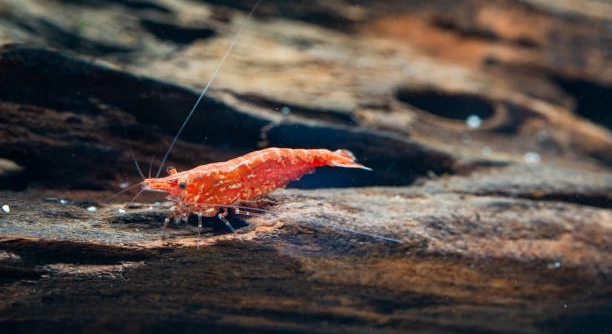
Shrimp are fascinating creatures often kept in home aquariums. Many people watch them closely, noticing their movements and interactions with their surroundings, including how they react to other animals or changes in their environment.
Shrimp can detect predators through glass due to their sensitive eyes and antennae, which pick up subtle movements and vibrations in water. This allows them to respond defensively, even when a threat is separated by a transparent barrier.
Observing these reactions offers insight into shrimp behavior and how they interact with their environment in captivity and in the wild.
How Shrimp Use Their Senses
Shrimp rely heavily on their senses to stay safe. Their eyes are highly sensitive to motion, which helps them spot predators even through glass. Antennae play a crucial role, detecting vibrations and chemical signals in the water. This combination allows them to respond quickly to potential threats. In aquariums, shrimp may twitch, swim away, or hide when they notice a predator outside the tank. Their behavior may seem exaggerated to us, but it is an instinctive survival mechanism. Even subtle changes in lighting, reflections, or movements nearby can trigger these reactions. Shrimp are also able to detect currents and slight pressure changes caused by moving animals. These adaptations help them survive in natural habitats, where predators can strike without warning. Watching shrimp respond this way can teach a lot about their alertness and intelligence. Their careful and measured reactions reveal how evolution shaped these small yet highly aware creatures to live safely in complex aquatic environments.
Shrimp reactions to threats are instinctive and consistent. Their senses work together to ensure survival in both wild and controlled environments.
Aquarium observation shows that shrimp not only respond to visible movement but also to vibrations from tapping or sudden water displacement. Over time, shrimp can learn patterns of behavior around the tank and even become cautious of repeated disturbances. These small animals exhibit surprising awareness of their surroundings. Their reactions can range from a slow retreat to a quick dash, depending on perceived danger. Studies suggest that even without direct physical contact, visual and chemical cues trigger defensive behavior. This demonstrates the importance of providing a stable environment and minimizing unnecessary stress in captivity. Understanding shrimp behavior helps in designing aquariums that support their natural instincts and wellbeing, ensuring they thrive rather than just survive.
Glass Barriers and Predator Perception
The glass of an aquarium does not fully block a shrimp’s ability to detect threats. Even separated, their senses remain alert.
Research shows that shrimp can perceive both visual and vibrational cues through glass, allowing them to react almost as if the predator were present in the water. The transparency of glass does not stop the detection of motion, and vibrations travel through water efficiently. For example, a fish moving near the tank may create subtle pressure waves or reflections that shrimp can sense, prompting hiding or defensive postures. Shrimp also respond to shadows and rapid changes in light caused by movement outside the tank. These abilities demonstrate that shrimp have evolved to respond to potential dangers without needing direct contact. Maintaining a calm environment and avoiding sudden disturbances helps reduce stress, improving health and behavior. In both natural and captive conditions, these sensory adaptations highlight the shrimp’s remarkable ability to survive and adapt to its environment efficiently.
Visual and Vibrational Sensitivity
Shrimp eyes are highly adapted to detect motion, even through glass. Their antennae pick up vibrations and chemical cues, which help them sense nearby predators. This combination allows shrimp to respond quickly, moving to safety without direct contact.
Observations in aquariums show shrimp reacting to subtle disturbances. Even slight movements outside the tank, like a hand approaching or shadows passing by, can trigger defensive behaviors. Shrimp may retreat to hiding spots or freeze temporarily, evaluating the threat. Their antennae detect changes in water pressure and currents, helping them judge the direction and intensity of potential danger. These behaviors are instinctive and show how finely tuned shrimp senses are, allowing them to survive in unpredictable environments.
These reactions are consistent across species. Shrimp that seem calm may suddenly dart or flick when they sense vibrations or visual cues. This demonstrates that even small, seemingly passive animals maintain constant vigilance, balancing energy use with survival instincts.
Impact of Glass on Behavior
Glass changes the way shrimp perceive their surroundings, but does not eliminate their alertness. Reflections, light shifts, and vibrations still trigger responses.
Even when predators cannot reach them, shrimp may behave as though threatened. The glass may distort signals slightly, making them more cautious or hesitant. Over time, shrimp learn to differentiate between harmless movements and real threats, but instinct remains strong. Studies indicate that constant exposure to visual stimuli outside the tank can increase stress, affecting feeding and interaction with other shrimp. This shows that maintaining a calm environment is essential. By limiting sudden movements and controlling lighting, aquarists can reduce unnecessary stress, helping shrimp feel secure. These adaptations underline the resilience and intelligence of shrimp as they navigate both natural and artificial habitats.
Reflexive Reactions
Shrimp react almost instantly to perceived threats. Their antennae and eyes work together to detect movement and vibrations, triggering sudden retreats or freezing behavior.
These reflexes are protective, helping shrimp avoid danger even in artificial environments like aquariums. Their survival instincts remain strong despite barriers.
Learning and Adaptation
Over time, shrimp can adapt to repeated stimuli. They may become less reactive to harmless movements near the tank while maintaining caution toward genuine threats. This learning helps them conserve energy and focus on real dangers. Adaptation shows shrimp are not just instinct-driven but can adjust behavior based on experiences in their environment.
Environmental Stress
Excessive vibrations, shadows, or rapid movements outside the tank can stress shrimp. Limiting disturbances helps maintain health and natural behaviors.
How do shrimp detect predators through glass?
Shrimp rely on their highly sensitive eyes and long antennae to sense potential threats. Their eyes detect motion, while the antennae pick up vibrations and chemical signals in the water. Glass does not block these signals entirely. Even through a tank wall, shrimp can respond to movement, water pressure changes, and subtle environmental shifts. This allows them to react instinctively by retreating, freezing, or hiding, as they would in the wild. These responses are protective and show how evolution shaped shrimp to survive even when direct contact with predators is impossible.
Do shrimp get stressed in aquariums?
Yes, shrimp can experience stress in captivity. Sudden movements, tapping on the tank, or changes in lighting can trigger stress responses. Stress may show as hiding, loss of appetite, or unusual aggression. Shrimp are sensitive to vibrations and visual cues, so frequent disturbances outside the tank can affect their wellbeing. Maintaining a calm, stable environment with minimal abrupt changes helps reduce stress. Providing hiding spots, consistent water conditions, and avoiding unnecessary interference are key strategies. Stress management is essential for shrimp health and longevity, as chronic stress can weaken immune systems and disrupt normal behavior.
Can shrimp recognize repeated threats?
Shrimp are capable of learning from repeated experiences. Over time, they can distinguish between harmless disturbances and actual dangers. For example, regular movement outside the tank that poses no threat may become less alarming, allowing shrimp to conserve energy and maintain normal activities. This ability to adapt shows that shrimp behavior is not purely instinctive but includes a form of learning. By observing shrimp responses, it is clear they adjust to their environment, responding strongly to true risks while ignoring repeated, non-threatening stimuli. Adaptation helps them maintain balance between alertness and normal behavior.
Why do shrimp flick their tails when sensing danger?
Tail flicking is a defensive response. When a shrimp senses a threat, it rapidly flicks its tail to propel itself backward, often to a hiding spot. This movement is quick and instinctive, allowing shrimp to escape potential predators efficiently. Even in a tank, this reflex is triggered by vibrations, shadows, or sudden movements outside the glass. Tail flicking shows how shrimp combine sensory input and motor reflexes for survival. It is a reliable indicator that a shrimp has perceived a threat, demonstrating the importance of their sensory systems in guiding immediate defensive behavior.
Do all shrimp species respond the same way to threats?
Responses vary by species, but most shrimp share similar defensive mechanisms. Sensory organs like eyes and antennae are common across species, enabling detection of movement and vibrations. Differences may occur in the intensity or speed of reactions, depending on size, habitat, and natural predators. Some species may be more skittish, retreating quickly, while others are calmer but still aware of threats. Observing multiple species in captivity highlights both shared instincts and individual variations in behavior. Understanding these differences can help aquarists create suitable environments that accommodate species-specific needs for safety and stress reduction.
How can I reduce shrimp stress caused by predators outside the tank?
Limiting sudden movements, shadows, and tapping near the aquarium is essential. Avoid placing tanks in high-traffic areas or where pets frequently pass by. Providing hiding spots, plants, and stable water conditions helps shrimp feel secure. Gradually introducing changes in the environment allows shrimp to adapt without triggering excessive stress. Monitoring behavior and adjusting surroundings accordingly ensures shrimp maintain natural routines and remain healthy. Reducing external threats outside the glass is crucial for long-term wellbeing, showing that environmental management is just as important as diet and water quality in shrimp care.
Can shrimp communicate danger to other shrimp?
Shrimp do not communicate verbally, but they can signal danger through movement and behavior. Sudden retreats, tail flicks, or freezing can alert nearby shrimp to potential threats. Antennae may also play a role in sensing chemical signals released when stressed. These indirect signals allow shrimp to react collectively, increasing survival chances. Observing tanks with multiple shrimp shows that when one shrimp responds to a threat, others often follow or hide immediately. This behavior demonstrates a form of social awareness, where shrimp benefit from the reactions of their peers, even without complex communication methods.
Do reflections in glass confuse shrimp?
Yes, reflections can cause shrimp to react as though another animal is present. Shadows, mirrored images, or light fluctuations may trigger defensive movements like hiding or tail flicking. While shrimp can eventually learn to ignore harmless reflections, repeated exposure may temporarily increase stress. Adjusting tank lighting, positioning, and background can reduce misleading reflections, helping shrimp distinguish between real threats and visual illusions. This is particularly important in aquariums placed near windows or bright lights, where reflections are more likely to occur. Proper management ensures shrimp behavior reflects genuine responses rather than confusion caused by glass effects.
How quickly do shrimp react to perceived danger?
Shrimp reactions are nearly instantaneous. Their eyes and antennae detect motion and vibrations, triggering reflexive movements within milliseconds. This rapid response helps them avoid predators effectively. In a tank, this quick reaction is observed when a hand moves nearby or a shadow passes across the water. Despite being small, shrimp demonstrate remarkable speed and coordination, highlighting the efficiency of their sensory and motor systems. These rapid responses are critical for survival in the wild and demonstrate the importance of minimizing unnecessary disturbances in captivity to prevent constant stress.
Do shrimp need special care to handle stress from visual stimuli?
Yes, shrimp benefit from carefully managed environments. Limiting sudden movements, bright lights, and external vibrations reduces stress. Providing plants, hiding spots, and a stable water environment helps maintain normal behavior and health. Gradual exposure to routine disturbances allows shrimp to adapt safely. Paying attention to these factors ensures they remain active and stress-free. Observing shrimp responses can guide adjustments, improving wellbeing. Stress management is a core part of responsible shrimp care, showing that even minor environmental details can significantly impact behavior and overall health.
Shrimp are small creatures with surprisingly complex behaviors. Their ability to sense predators through glass shows just how finely tuned their senses are. Eyes that detect motion and antennae that pick up vibrations and chemical signals work together to help shrimp react to potential threats. Even when a predator is separated by a transparent barrier, these sensory systems allow shrimp to respond defensively. Observing shrimp in aquariums demonstrates how instinctive their behaviors are, from tail flicks to sudden retreats. These reactions are not random but carefully timed responses designed to protect them from danger. Understanding this gives insight into their natural instincts and survival strategies, even in controlled environments.
Stress can affect shrimp significantly, especially when external disturbances are frequent. Sudden movements, shadows, tapping on glass, or bright lights can all trigger defensive behaviors that indicate heightened stress. Over time, chronic stress may affect shrimp health, reducing appetite and making them more vulnerable to disease. Providing a calm environment with consistent water conditions and places to hide allows shrimp to feel safe. Aquarists who pay attention to these factors often notice shrimp behaving more naturally, exploring the tank, feeding regularly, and interacting calmly with other shrimp. Minimizing unnecessary stress is essential for both wellbeing and longevity, showing that environmental management is just as important as diet or water quality.
Shrimp are capable of adaptation and learning from repeated experiences. While their responses are instinctive, they can adjust to repeated, harmless stimuli, allowing them to conserve energy and remain alert for real threats. They also demonstrate a form of social awareness, with movements and behaviors signaling danger to other shrimp nearby. Even small details like reflections, light shifts, or vibrations can influence behavior, showing how sensitive they are to their surroundings. By observing shrimp closely, it is possible to understand their needs and provide an environment that supports natural instincts while reducing stress. These small creatures remind us that even in captivity, attention to their sensory world and habits makes a meaningful difference in their overall health and wellbeing.

Hello,
If you enjoy the content that we create, please consider saying a "Thank You!" by leaving a tip.
Every little bit helps us continue crafting quality advice that supports the health, happiness, and well-being of pets around the world, for pets of all shapes, sizes, and species.
We really appreciate the kindness and support that you show us!