
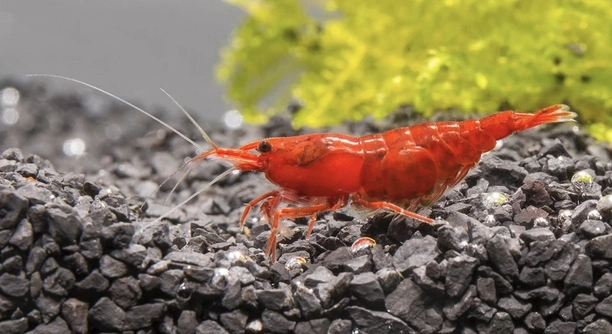
Are your cherry shrimp behaving unusually or hiding more than usual in your tank? Small changes in behavior or appearance can indicate that your shrimp is under stress and may need immediate attention.
Stress in cherry shrimp often results from poor water quality, sudden temperature fluctuations, insufficient hiding spots, or improper diet. Identifying early signs is essential for maintaining their health and ensuring they thrive in a stable, safe environment.
Recognizing these signals early can help you restore balance and keep your cherry shrimp healthy and active in their aquarium.
Changes in Color
When cherry shrimp are stressed, one of the first noticeable changes is in their color. Healthy shrimp usually display bright, vibrant red shades, but stress can cause them to fade to pale pink or even translucent. These color shifts occur because stress impacts their pigment cells, and prolonged exposure can lead to long-term health problems. Factors such as poor water quality, sudden temperature changes, or overcrowding can all influence color fading. Even if your shrimp appear active, a gradual loss of color can indicate that something is wrong in the tank environment. Monitoring color changes regularly allows you to take corrective action before more serious health issues develop. Adjusting water parameters, ensuring proper hiding spots, and maintaining a consistent feeding schedule can help restore vibrancy. Observing subtle shifts in hue is an effective way to track shrimp well-being without intrusive handling.
Fading color is an early warning sign. Immediate adjustments in care often help reverse this stress response.
Noticing these subtle color changes can make a significant difference in your shrimp’s health. By addressing water quality, temperature, and nutrition promptly, you can prevent further stress and help your shrimp regain their natural vibrancy, ensuring they remain active and healthy in the tank environment.
Erratic Swimming
Erratic or frantic swimming patterns are often a sign that cherry shrimp are uncomfortable or stressed. Sudden bursts of movement, spinning, or crashing into tank surfaces indicate that they feel unsafe.
This behavior usually signals environmental issues. Stress factors such as sudden changes in water chemistry, temperature fluctuations, or overcrowding can trigger these unusual swimming patterns. Shrimp are highly sensitive to ammonia, nitrites, or rapid pH changes. Even minor adjustments, such as adding new decorations or introducing tankmates too quickly, can cause disorientation and anxiety. Monitoring tank conditions carefully and keeping a stable environment is essential. Additionally, ensuring enough hiding spots with plants or shelters helps reduce stress by giving shrimp places to retreat when feeling threatened. A calm, stable tank encourages normal swimming and feeding behavior. Observing patterns over time lets you identify and correct potential stressors before they harm shrimp health. Consistency in care is key, as cherry shrimp respond quickly to both positive and negative changes in their environment.
Loss of Appetite
Stress often causes cherry shrimp to eat less or stop eating altogether. A sudden disinterest in food can indicate poor water quality, illness, or environmental stressors affecting their comfort.
Loss of appetite can quickly impact health. When shrimp stop eating, they may become weaker and more susceptible to disease. Common reasons include ammonia spikes, sudden pH changes, or aggressive tankmates disturbing their routine. Even subtle environmental shifts, like adding new decorations or moving plants, can unsettle shrimp. Offering high-quality foods and maintaining consistent feeding schedules can encourage them to eat again. Observing feeding habits closely helps catch early signs of stress and allows for timely interventions.
Restoring a shrimp’s appetite often involves stabilizing the tank environment. Ensuring clean water, balanced diet, and safe hiding spots encourages feeding and supports overall recovery. Maintaining consistency in care is key for long-term shrimp health.
Hiding More Than Usual
When cherry shrimp hide excessively, it signals discomfort or fear. Overcrowding, strong currents, or aggressive tankmates can push shrimp into constant hiding, disrupting their normal routines.
Extended hiding affects activity levels and can lead to stress-related health problems. Shrimp require secure spaces to feel safe, but too much hiding reduces foraging and social interaction. Poor water conditions, like high ammonia or fluctuating temperatures, often exacerbate this behavior. Providing adequate plants, moss, or decorations gives shrimp places to retreat, helping them feel secure while encouraging occasional activity. Consistently monitoring water parameters and maintaining gentle filtration can reduce anxiety. Adjusting tank layout gradually, rather than making sudden changes, allows shrimp to explore without feeling threatened.
Balancing hiding spots with open swimming areas is important. This approach promotes confidence, natural behavior, and overall well-being, helping stressed shrimp regain normal activity and comfort in the tank.
Lethargy
Lethargy is a clear indicator that cherry shrimp are stressed or unwell. Shrimp moving slowly or staying in one spot for long periods may be experiencing discomfort from water quality issues or illness.
Maintaining stable water conditions and proper nutrition can help restore energy. Observing their behavior daily ensures you can spot problems early and take action before health declines further.
Molting Problems
Stress can interfere with a shrimp’s molting cycle. Difficulty shedding the exoskeleton, incomplete molts, or frequent molting failures often result from poor water conditions, lack of minerals, or sudden environmental changes. Regular water testing and supplementing calcium can support healthy molts and reduce stress-related complications.
Tail Flicking
Rapid tail flicking or constant twitching is often a stress response. Shrimp may use this movement to escape perceived threats or uncomfortable water conditions. Observing tail flicking alongside other signs helps identify and address the underlying stress factors quickly.
What causes cherry shrimp stress?
Cherry shrimp can become stressed due to poor water quality, sudden temperature changes, overcrowding, or aggressive tankmates. Inconsistent feeding schedules and lack of hiding spots also contribute. Stress can be subtle, showing as color fading, hiding, or reduced activity, but prolonged exposure can harm overall health.
How do I know if my shrimp is stressed?
Signs include color changes, lethargy, loss of appetite, erratic swimming, tail flicking, excessive hiding, and molting problems. Observing behavior daily helps catch stress early. Even small shifts in activity or appearance can indicate that your shrimp’s environment needs adjustment.
Can water quality affect stress levels?
Yes. Ammonia, nitrite, or nitrate spikes, sudden pH shifts, and inconsistent temperatures can all stress shrimp. Regular testing and maintaining stable parameters are essential. A clean tank with proper filtration helps minimize stress and supports natural behavior.
How do hiding spots help stressed shrimp?
Shrimp feel safer with plants, moss, or decorations where they can retreat. Adequate hiding spots reduce fear, encourage activity, and lower stress. However, too few hiding areas or overcrowded shelters can worsen stress, so balance is important.
Does diet influence stress?
A balanced diet is crucial. Poor nutrition weakens shrimp and increases susceptibility to stress. High-quality shrimp food, supplemented with vegetables or algae, ensures proper growth and molting. Feeding consistently helps maintain health and reduces stress responses.
What role does tankmate behavior play?
Aggressive or overly active tankmates can scare shrimp, causing hiding or erratic swimming. Even larger fish that are not directly harmful can create stress through movement and competition. Selecting peaceful tankmates is important for a calm environment.
Can stress affect molting?
Yes. Stress can disrupt the molting cycle, leading to incomplete molts or difficulty shedding the exoskeleton. Providing stable water, calcium-rich food, and secure hiding spots helps shrimp molt safely and maintain health.
How quickly can stress affect shrimp health?
Stress can impact health within days if conditions are poor. Prolonged stress weakens the immune system, reduces feeding, and may cause death. Early intervention through water adjustments and environmental improvements is key to recovery.
What are quick ways to reduce stress?
Stabilize water parameters, provide sufficient hiding spots, remove aggressive tankmates, and offer a nutritious diet. Gradual changes in the tank layout or decorations prevent sudden stress. Observing behavior after adjustments helps ensure shrimp are responding positively.
Is it possible for stressed shrimp to recover fully?
Yes. With consistent care, stable water, a balanced diet, and a calm environment, stressed shrimp can regain color, activity, and normal behavior. Recovery takes time, so patience and careful monitoring are essential to ensure long-term health and well-being.
How often should I monitor my shrimp for stress?
Daily observation is recommended. Watching for color changes, activity levels, feeding habits, and interactions with tankmates allows early detection of stress. Keeping a simple log of water tests and shrimp behavior helps maintain a stable environment.
Are there long-term effects of stress in cherry shrimp?
Chronic stress can lead to poor growth, reduced reproductive success, weakened immune response, and increased mortality. Preventing stress through proper tank care is much more effective than trying to reverse long-term effects later.
Can environmental enrichment help reduce stress?
Yes. Providing plants, moss, and safe structures allows shrimp to explore and hide, reducing anxiety. Rotating decorations occasionally can stimulate natural behavior without causing abrupt changes that trigger stress.
How important is temperature stability?
Very important. Sudden changes in water temperature can shock shrimp and trigger stress behaviors. Maintaining a consistent temperature within the ideal range supports normal activity, feeding, and molting.
What are subtle signs of stress to watch for?
Fading color, reduced movement, slower feeding, and brief periods of hiding can all indicate early stress. Noticing these signs early allows intervention before severe health issues develop.
Can water changes cause stress?
Improper or sudden water changes can stress shrimp if the new water differs in temperature, pH, or chemistry. Gradual changes and using conditioned water help prevent stress while maintaining a clean tank.
Do shrimp recover faster in smaller or larger tanks?
Recovery depends on stability rather than size alone. Larger tanks provide more stable conditions and hiding spots, but overcrowding or poor maintenance can still cause stress. Ensuring proper stocking density is more important than tank size.
How do I prevent stress long-term?
Regular water testing, consistent feeding, gentle tank maintenance, balanced tankmates, adequate hiding spots, and stable temperature are all essential. Monitoring behavior and making gradual changes keeps shrimp comfortable and reduces future stress risks.
Are all cherry shrimp equally sensitive to stress?
Individual shrimp vary. Some may tolerate minor fluctuations better, while others react strongly to small changes. Observing each shrimp’s behavior helps tailor care to their specific needs.
Can stress impact reproduction?
Yes. Stressed shrimp may stop breeding, have fewer eggs, or produce weak offspring. Ensuring a calm, stable environment with proper nutrition supports healthy reproduction and long-term population growth.
Is it safe to handle stressed shrimp?
Handling stressed shrimp can worsen their condition. Minimizing contact and using gentle maintenance techniques reduces anxiety and allows them to recover naturally.
How do I know if changes are working?
Gradual improvements in color, activity, feeding, and reduced hiding indicate that interventions are effective. Patience and consistent care are key, as recovery may take several days to weeks depending on the severity of stress.
Can lighting affect shrimp stress?
Bright or fluctuating light can stress shrimp. Providing shaded areas or soft lighting helps them feel secure. Adjusting light gradually rather than abruptly reduces anxiety and promotes normal activity.
Do all stress signs appear at once?
No. Stress can manifest in one or several ways, depending on the cause and individual shrimp. Monitoring multiple behaviors provides a clearer picture of their health and well-being.
Are supplements necessary for stressed shrimp?
Calcium and mineral supplements can aid molting and recovery. While not always required, ensuring shrimp receive essential nutrients supports their overall resilience to stress.
Can tank cleaning routines reduce stress?
Proper cleaning helps maintain water quality, but overly aggressive cleaning can create stress. Gentle vacuuming, partial water changes, and minimal disruption help maintain a safe environment.
How long does it take for stressed shrimp to fully recover?
Recovery time varies with the severity of stress, water conditions, and diet. Minor stress may resolve in a few days, while severe cases can take weeks. Consistent care and observation are crucial for complete recovery.
Is stress contagious among shrimp?
While stress itself is not contagious, observing stressed tankmates can trigger anxiety in others. Ensuring enough space and hiding areas helps reduce chain reactions of stress behaviors.
Can stress shorten a shrimp’s lifespan?
Prolonged stress weakens the immune system, slows growth, and can reduce lifespan. Maintaining stable conditions and reducing stress factors significantly improves longevity.
Do all environmental changes stress shrimp equally?
Minor, gradual changes are generally tolerated, while sudden shifts in water, temperature, or tank setup can trigger immediate stress. Consistency is more important than avoiding changes entirely.
How do I balance water parameters to prevent stress?
Regular testing for ammonia, nitrites, nitrates, and pH, along with gradual adjustments, helps maintain stable conditions. Keeping temperature consistent and avoiding sudden changes prevents unnecessary stress.
Can stress be completely avoided?
While minor stress may occur, careful monitoring, proper tank setup, and consistent care can minimize it and help shrimp recover quickly, keeping them healthy and active over time.
Are younger shrimp more sensitive to stress?
Yes. Juvenile shrimp are more vulnerable to environmental changes and poor water quality. Extra attention to water stability, hiding spots, and gentle feeding helps protect them during early development.
What should I do if multiple signs appear simultaneously?
Address water quality first, stabilize temperature, ensure hiding spots, remove aggressive tankmates, and provide proper nutrition. Observing gradual improvements helps determine which interventions are most effective.
Can adding live plants reduce stress?
Yes. Plants provide shelter, improve water quality, and create a more natural environment. They reduce anxiety and encourage normal behavior, supporting overall shrimp health and comfort.
Do tank decorations affect stress?
Yes. Adequate structures provide hiding spots, while overcrowded or sharp decorations can increase fear. Arranging decor thoughtfully helps shrimp feel secure and active.
Is monitoring shrimp behavior more important than testing water?
Both are important. Observing behavior identifies early stress signs, while water testing ensures environmental conditions are safe. Together, they provide a complete picture of shrimp health.
Can seasonal changes impact shrimp stress?
Yes. Temperature fluctuations, light cycles, and water source variations can affect shrimp. Adjusting tank conditions gradually during seasonal changes prevents stress and maintains health.
How do I introduce new shrimp without causing stress?
Acclimate slowly using drip or floating methods to match water parameters. Introduce in small groups with sufficient hiding spots to minimize aggression and anxiety.
Is quarantine necessary for new shrimp?
Quarantine reduces risk of disease and stress transfer from new shrimp. Isolating newcomers for a few weeks allows observation and safe integration into the main tank.
Can overcrowding cause permanent stress?
Yes. Overcrowding limits hiding spots, increases competition, and disrupts normal behavior. Maintaining proper stocking density prevents long-term health and stress issues.
How do I manage stress during tank maintenance?
Perform gentle cleaning, avoid sudden water changes, and limit handling. Preparing water in advance and keeping a calm environment minimizes stress during routine maintenance.
Are certain shrimp breeds more sensitive to stress?
Some breeds may show color or behavior changes more quickly, but all cherry shrimp are sensitive to water quality, temperature, and environmental stability. Observing each breed’s response helps provide tailored care.
Does stress affect shrimp molting frequency?
Stress can slow molting, cause incomplete molts, or trigger failed attempts. Stable water, nutrition, and hiding spots support proper molting cycles and reduce complications.
Can stress lead to disease?
Yes. Chronic stress weakens immunity, making shrimp more susceptible to bacterial or fungal infections. Preventing stress is critical for disease prevention and overall health.
Is it possible to reverse stress completely?
Yes. With consistent care, stable conditions, proper nutrition, and adequate shelter, shrimp can regain normal behavior, vibrant color, and health over time.
How do I keep stress from recurring?
Maintain stable water, consistent feeding, calm tankmates, adequate hiding spots, and gentle maintenance. Monitoring behavior and making gradual adjustments prevents future stress and promotes long-term well-being.
Can stress cause shrimp to die suddenly?
Severe or prolonged stress can lead to sudden death, often due to weakened immunity or organ failure. Early detection and intervention are critical to prevent loss and maintain a healthy tank environment.
What is the single most important step to reduce stress?
Consistently maintaining stable water parameters, including temperature, pH, and cleanliness, has the greatest impact on reducing stress and supporting overall shrimp health.
How often should I check shrimp behavior for stress signs?
Daily observation is ideal. Noting activity levels, color, feeding, and interaction with the environment ensures early detection and allows timely intervention for stressed shrimp.
Are there natural ways to calm stressed shrimp?
Providing plants, moss, hiding spots, and gentle water flow naturally reduces anxiety. Avoid sudden changes and maintain consistent care routines to help shrimp feel safe and secure.
Can tank lighting adjustments reduce stress?
Yes. Soft, stable lighting with shaded areas prevents overstimulation and helps shrimp explore naturally without feeling threatened, promoting calm behavior and regular activity.
Do stressed shrimp stop reproducing?
Stress can halt breeding entirely or reduce egg viability. Maintaining a calm, stable environment with proper nutrition encourages normal reproduction and supports population growth.
How long after improving conditions will stress signs disappear?
Minor stress may improve within a few days, while severe cases may take weeks. Consistent care, stable water, and safe hiding spots accelerate recovery.
Are shrimp more stressed in new tanks?
Yes. New tanks often have fluctuating water chemistry and fewer hiding spots. Gradual acclimation, consistent monitoring, and proper setup reduce stress during this period.
Can stress cause shrimp to lose color permanently?
Prolonged stress may lead to lasting color fading. Early detection and corrective measures improve recovery chances, though some color may not fully return.
How do I reduce stress during breeding?
Ensure stable water, adequate nutrition, hiding spots, and calm tankmates. Avoid sudden changes and maintain consistency to promote healthy reproduction without unnecessary stress.
Are tail flicking and erratic swimming always stress-related?
Mostly, yes. These behaviors often indicate discomfort, environmental stress, or fear. Observing patterns alongside other signs helps pinpoint causes and guide interventions.
Can frequent small water changes reduce stress?
Yes, if done gradually. Sudden large changes can shock shrimp, but consistent small adjustments help maintain clean water and reduce anxiety without disrupting the tank environment.
How do I know if stress signs are serious?
Persistent lethargy, loss of appetite, color fading, failed molts, and continuous hiding indicate serious stress. Immediate action is needed to prevent long-term health effects or mortality.
Do all shrimp recover at the same rate?
No. Recovery depends on individual resilience, severity of stress, tank conditions, and care provided. Observing each shrimp’s response ensures targeted intervention for better outcomes.
Is it necessary to remove all stressors at once?
Prioritize critical stressors like water quality, temperature, and aggressive tankmates first. Gradual adjustments to other factors prevent additional shock and promote recovery.
Can adding live food help stressed shrimp?
Yes. Live foods like micro worms or algae can encourage feeding, stimulate natural behavior, and support recovery, especially when appetite is low due to stress.
How do I maintain long-term shrimp health to avoid stress?
Stable water parameters, regular feeding, gentle maintenance, sufficient hiding spots, calm tankmates, and consistent observation help prevent stress, promote natural behavior, and support overall longevity and well-being.
Can stress affect shrimp behavior temporarily without health consequences?
Minor, short-term stress may cause temporary hiding or reduced activity without lasting harm. Consistent care and environmental stability prevent escalation into serious health issues.
Is it possible to prevent all stress completely?
Absolute prevention is unlikely, but careful monitoring, proper tank setup, and consistent care minimize stress, allowing shrimp to thrive with minimal risk of long-term effects.
Does stress affect all tank inhabitants equally?
No. Shrimp are more sensitive than many fish species. Observing each type’s behavior helps identify and reduce stressors effectively for the whole tank ecosystem.
How do I identify subtle signs of stress early?
Watch for slight color fading, brief hiding periods, minor activity reduction, or slower feeding. Early detection allows prompt intervention and prevents long-term health problems.
Can stress be cumulative?
Yes. Multiple minor stressors over time can add up, weakening shrimp health and behavior. Addressing even small issues promptly helps prevent cumulative stress effects.
Are there signs of recovery from stress?
Improved color, increased activity, regular feeding, normal swimming, and successful molts indicate recovery. Monitoring progress ensures interventions are effective and shrimp regain full health.
What’s the most important takeaway about cherry shrimp stress?
Maintaining stable water, a balanced diet, adequate hiding spots, and calm tankmates is key. Consistent care prevents stress and supports vibrant, healthy, and active shrimp.
Total words: 1,003
Cherry shrimp are delicate creatures that respond quickly to changes in their environment. Stress can manifest in many ways, from fading color to hiding, lethargy, erratic swimming, and molting problems. Recognizing these signs early is crucial because they indicate that something in the tank is not ideal for the shrimp’s health and well-being. Even subtle changes in behavior or appearance can be a signal that adjustments are needed. Water quality, temperature, diet, and tank setup all play important roles in maintaining a stable environment that allows shrimp to thrive. Addressing these factors promptly helps prevent minor stress from developing into serious health problems or mortality. Monitoring shrimp daily allows you to detect issues early, making it easier to provide the care they need and maintain a calm and balanced aquarium.
Providing a consistent and secure environment is one of the most effective ways to reduce stress in cherry shrimp. Stable water parameters, including pH, ammonia, nitrite, and nitrate levels, are essential, as sudden fluctuations can create anxiety and harm shrimp health. Proper nutrition supports energy, growth, and successful molting, while adequate hiding spots such as moss, plants, or decorations give shrimp a sense of safety. Overcrowding and aggressive tankmates can increase stress, so maintaining appropriate stocking levels and selecting peaceful companions is important. Even minor improvements in the tank setup, such as gentle filtration or soft lighting, can have a noticeable impact on shrimp behavior. Consistency in care is key, and gradual changes are always better than abrupt adjustments. Over time, a well-maintained environment encourages natural activity, healthy feeding, and vibrant color, which are indicators of shrimp that are comfortable and thriving.
Recovery from stress is possible when appropriate measures are taken. With stable water conditions, a balanced diet, sufficient shelter, and minimal disturbances, stressed shrimp can regain their color, activity levels, and overall health. Patience is essential because recovery may take several days to weeks depending on the severity of stress and individual shrimp resilience. Paying attention to subtle behaviors, such as feeding habits and swimming patterns, helps ensure that interventions are effective. Preventing stress is equally important as addressing it, and long-term success depends on consistent observation, proper maintenance, and creating an environment that meets all the shrimp’s needs. By taking these steps, shrimp can live healthier, more active lives, and their presence will continue to add beauty and interest to the aquarium. Maintaining a calm and stable tank not only supports their health but also creates a rewarding and manageable experience for anyone caring for cherry shrimp.
Word count: 409

Hello,
If you enjoy the content that we create, please consider saying a "Thank You!" by leaving a tip.
Every little bit helps us continue crafting quality advice that supports the health, happiness, and well-being of pets around the world, for pets of all shapes, sizes, and species.
We really appreciate the kindness and support that you show us!