
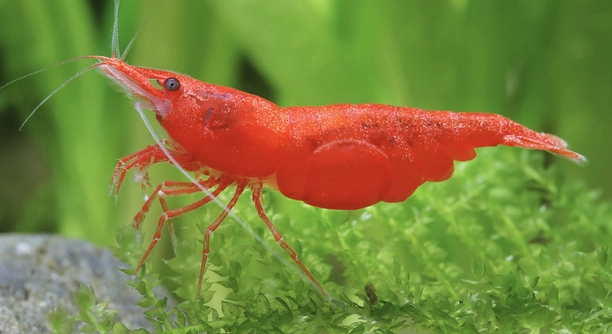
Cherry shrimp are small, delicate creatures that react quickly to changes in their surroundings. Their movements are often subtle, but certain actions can easily startle them, affecting their behavior in your tank. Observing them carefully can help.
Cherry shrimp are most startled by sudden movements near their tank, fast hand gestures, abrupt water changes, vibrations on the tank surface, rapid introduction of food, aggressive tank mates, and unexpected light shifts. Each of these factors triggers a stress response in the shrimp.
Knowing which movements cause the most stress can help you create a calmer environment. Proper handling and awareness will support the shrimp’s comfort and overall well-being in the aquarium.
Sudden Movements Near the Tank
Cherry shrimp are very sensitive to sudden movements around their aquarium. Even a quick hand wave or shifting objects nearby can make them retreat to hiding spots. Their small size and delicate bodies mean they perceive sudden motions as potential threats. If you often move quickly around the tank, shrimp may stay hidden for long periods, reducing their activity and making them harder to observe. This stress can affect their feeding habits and overall health. Over time, frequent startling may lead to long-term anxiety in your shrimp, impacting molting and reproduction. A gentle approach when near the tank will help them feel safer. Reducing sudden activity nearby creates a calmer environment, encouraging shrimp to explore more openly and interact naturally with their surroundings. Paying attention to your movements can make a noticeable difference in how comfortable your shrimp feel in their habitat.
Keeping still near the tank allows shrimp to swim more confidently. They respond best to slow, steady motions.
Providing a stable, calm environment helps shrimp thrive. Slow movements reduce stress and encourage natural behavior, making observation more enjoyable.
Fast Hand Gestures
Shrimp are startled easily by rapid hand gestures above or around the water. Quick motions suggest danger, causing them to dart into hiding or cling to plants. Even if your intention is to feed or adjust the tank, moving hands too fast disrupts their sense of safety. Observing shrimp behavior requires patience, as repeated startling can make them wary of approaching the front of the tank. Slower, deliberate gestures allow them to feel secure and maintain natural patterns of swimming and grazing. For aquariums with multiple inhabitants, limiting fast movements around the tank ensures all shrimp have consistent comfort levels. By learning which motions cause the most disturbance, you can adjust your habits to reduce stress. Gentle, steady actions help shrimp remain visible, active, and healthy, supporting their molting cycles and overall well-being. Maintaining this awareness is key to fostering a peaceful tank environment for all small aquatic life.
Abrupt Water Changes
Even small, sudden changes in water conditions can stress cherry shrimp. Fast water replacement, sudden temperature shifts, or rapid pH adjustments often startle them, making them hide or swim erratically. Gradual changes are safer and maintain their normal behavior patterns.
Maintaining stable water conditions is crucial for shrimp health. Abrupt water changes disrupt their environment, causing stress and sometimes injury. Cherry shrimp are highly sensitive to temperature fluctuations, pH swings, and sudden introduction of new water. A slow, measured approach—such as using a drip method or partial water changes—minimizes shock. Consistency in water parameters helps shrimp stay active, feed normally, and grow without interruption. Over time, avoiding abrupt changes reduces stress-related health issues, supports proper molting, and keeps the shrimp’s immune system functioning effectively.
Stress from sudden water changes can also make shrimp less visible and more likely to retreat for longer periods. Avoiding rapid alterations ensures they continue to explore plants, interact with tankmates, and maintain natural grazing habits. Gradual adjustments preserve both their comfort and the overall balance of the aquarium ecosystem, making your tank a stable home for all inhabitants.
Vibrations on the Tank Surface
Cherry shrimp react strongly to vibrations from tapping or knocking on the tank. Even light knocks make them freeze or swim away quickly. They sense these vibrations through their bodies and interpret them as potential threats.
Continuous vibrations disrupt shrimp behavior, leading to stress and hiding. Noisy appliances, cleaning near the tank, or children tapping glass can make shrimp skittish. They prefer quiet surroundings where movement outside the tank is minimal and predictable. Repeated exposure to vibrations may cause avoidance of open spaces and reduce feeding activity, affecting growth and reproduction. Shrimp rely on a calm environment to maintain natural routines like grazing on algae and exploring plants.
To protect shrimp from vibrations, position the tank on a stable surface away from heavy foot traffic and appliances. Using a soft mat under the tank can absorb minor tremors. Consistent care and mindful placement reduce stress, helping shrimp feel secure and more active in their habitat. A quiet, stable tank environment supports their long-term health and natural behavior patterns.
Rapid Introduction of Food
Cherry shrimp can be startled by suddenly dropping large amounts of food into the tank. They may scatter or hide, missing out on feeding opportunities. Introducing food slowly and in small portions helps them approach it safely and reduces stress.
Even gentle tossing of food can cause shrimp to dart away. They react better to consistent, small feedings that allow them to graze at their own pace. This method encourages natural foraging behavior and keeps them comfortable with your presence.
Aggressive Tank Mates
Shrimp share tanks better with calm, small species. Fast-moving or territorial fish can chase or nip at them, causing constant stress. Aggressive interactions reduce feeding, increase hiding, and may result in injury. Choosing peaceful companions ensures shrimp can thrive without fear.
Unexpected Light Shifts
Sudden changes in lighting startle cherry shrimp. Bright or rapidly flickering lights make them retreat into hiding. Gradually adjusting light intensity and using timers helps maintain their comfort and supports normal activity patterns.
What should I do if my cherry shrimp are constantly hiding?
If your cherry shrimp spend most of their time hiding, it usually indicates stress or discomfort in the tank. Check water parameters like temperature, pH, ammonia, nitrites, and nitrates to ensure they are stable and within the recommended range. Avoid sudden movements, vibrations, or rapid water changes that could be alarming them. Provide plenty of plants, moss, and hiding spaces so shrimp feel secure. Observing them during calm periods helps you understand their normal activity. Gradually, with a stable environment, they will become more active and visible in the tank.
How can I reduce stress from water changes?
Perform water changes slowly and carefully. Large, sudden replacements can shock shrimp. Use a siphon or drip method to introduce new water gradually. Match the temperature and pH of replacement water to the tank. Avoid strong currents that push shrimp around. Partial water changes, about 10-20% at a time, help maintain stability. Over time, this reduces hiding behavior and supports healthy molting, feeding, and reproduction. Consistency is more important than frequency, so make small changes at regular intervals rather than infrequent, large changes.
Are there specific types of food that startle shrimp more than others?
Yes, dropping large chunks of food or live food suddenly can trigger a startle response. Cherry shrimp prefer small, slow-released portions. Algae wafers, blanched vegetables, and finely crushed shrimp pellets are ideal. Introducing food gradually encourages grazing rather than panic. Avoid tossing large pieces directly into open water where shrimp are exposed. Overfeeding can also cause stress and water quality issues, so measured portions are better for both feeding and comfort. Observing their approach to food helps you gauge how comfortable they feel in their surroundings.
Can tank decorations affect shrimp stress levels?
Absolutely. Sharp, tall, or unstable decorations can make shrimp feel unsafe. Plants, moss, and smooth hiding spots reduce anxiety. Open spaces without cover make them skittish, while a mix of dense and open areas balances exploration and safety. Avoid constantly rearranging decorations, as this can trigger hiding or erratic movement. Consistency helps shrimp learn where to feel secure. Over time, they will navigate the tank confidently, feeding and interacting naturally. Proper decoration placement also reduces territorial disputes with other tank inhabitants.
Do lighting changes really startle cherry shrimp?
Yes, sudden lighting changes are stressful. Bright lights turned on abruptly or flickering lights cause shrimp to retreat. Using a timer to gradually adjust lighting intensity creates a more predictable environment. Reducing sudden shadows or glare helps them feel safe. Low, steady lighting encourages natural grazing and movement, and a consistent day-night cycle supports molting and reproduction. For planted tanks, balance light needs with shrimp comfort by avoiding intense, direct lighting for prolonged periods.
How do I know if my shrimp are stressed from tank mates?
Shrimp showing frequent hiding, erratic swimming, missing appendages, or reduced feeding may be stressed by aggressive tank mates. Fast-moving or territorial fish can chase or nip at them. Observe interactions carefully. Peaceful species like small tetras, snails, or small rasboras reduce risk. Separate aggressive or larger fish to ensure shrimp can feed, molt, and explore safely. Monitoring shrimp behavior over time reveals patterns of stress and helps adjust tank inhabitants appropriately.
What small actions can I take daily to reduce startle responses?
Move slowly near the tank and avoid tapping the glass. Feed in small portions and maintain stable water conditions. Check filters and heaters quietly without abrupt adjustments. Ensure decorations remain stable and lights transition gradually. Over time, these small routines reduce stress and allow shrimp to show natural behavior. Regular observation helps you notice early signs of discomfort.
Can vibrations from outside the tank really affect shrimp?
Yes. Vibrations from appliances, footsteps, or tapping the glass can startle shrimp. They detect movement through the water and react instinctively. Position the tank on a stable, vibration-absorbing surface. Minimizing external disturbances allows shrimp to feel safe and encourages normal swimming and grazing. Over time, a quiet environment fosters comfort and active behavior, reducing prolonged hiding.
Is it normal for shrimp to hide even when everything seems fine?
Some hiding is natural, especially during molting or after feeding. However, excessive hiding often signals stress, fear, or environmental issues. Stable water parameters, calm tank mates, gentle handling, and proper cover reduce hiding. Observing normal activity cycles helps distinguish between temporary retreat and prolonged stress. Providing both open areas and dense hiding spots encourages healthy exploration.
How long does it take for shrimp to adjust to a calm environment?
Adjustment varies, but typically a few days to a couple of weeks are needed for shrimp to feel safe after changes. Gradual introduction of food, light, and minimal disturbances helps them regain confidence. Observing consistent feeding and exploration indicates they are comfortable. Patience and consistent care are key to reducing startle responses.
Word count: 504
Cherry shrimp are small and delicate creatures that respond quickly to changes in their environment. Their natural instincts make them cautious, and even minor disturbances can startle them. Understanding what affects their comfort is key to maintaining a healthy aquarium. Sudden movements near the tank, fast hand gestures, abrupt water changes, vibrations, rapid introduction of food, aggressive tank mates, and unexpected light shifts all contribute to stress. By recognizing these triggers, it is easier to create an environment that allows shrimp to thrive. When shrimp feel secure, they are more likely to display natural behaviors like grazing, swimming, and interacting with plants and each other. A calm tank encourages consistent feeding, molting, and overall health. It also allows for better observation of their patterns and growth, which is helpful for anyone caring for them.
Maintaining stable water conditions is one of the most effective ways to reduce stress. Cherry shrimp are sensitive to temperature changes, pH shifts, and water quality fluctuations. Abrupt water changes can make them hide for extended periods and disrupt feeding routines. Using gradual methods like partial water changes or slow drips helps avoid shocking the shrimp. Similarly, light levels should be managed carefully, with gradual transitions and consistent schedules. Vibrations and sudden loud noises near the tank should be minimized, as shrimp detect these through their bodies and respond instinctively. Even seemingly minor actions, such as tapping the glass or moving nearby objects quickly, can affect their comfort. Paying attention to these details and maintaining a calm and predictable environment promotes natural behavior and reduces stress, which is essential for their long-term well-being.
Providing proper hiding spots and careful placement of decorations also contributes to a stable environment. Dense plants, moss, and smooth surfaces offer safety without restricting movement, while open areas allow shrimp to explore freely. Aggressive or fast-moving tank mates should be avoided to prevent constant stress or injury. Feeding should be done slowly and in small portions to encourage natural grazing rather than sudden bursts of activity that startle them. Observing shrimp behavior daily helps identify stress signals and make necessary adjustments. Over time, consistent care and attention to their needs create a balanced and peaceful aquarium where cherry shrimp can live comfortably. When these practices are followed, shrimp become more active, visible, and healthier, making the aquarium more enjoyable and easier to maintain.
Word count: 417

Hello,
If you enjoy the content that we create, please consider saying a "Thank You!" by leaving a tip.
Every little bit helps us continue crafting quality advice that supports the health, happiness, and well-being of pets around the world, for pets of all shapes, sizes, and species.
We really appreciate the kindness and support that you show us!