
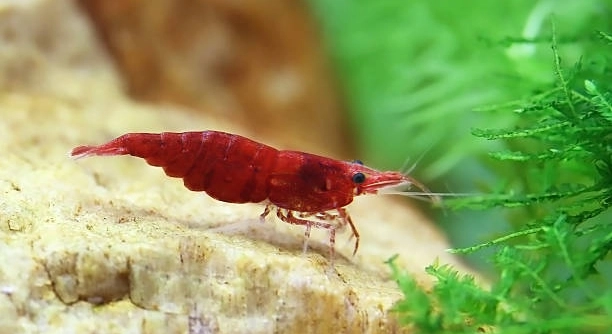
Do you enjoy keeping shrimp in your aquarium but worry about upsetting the balance when adding new ones? Managing shrimp populations requires attention to tank conditions and timing to ensure harmony among all inhabitants.
Adding new shrimp at the wrong time can stress existing shrimp, spread disease, or disrupt water parameters. Avoid introducing shrimp during unstable water conditions, recent illness, breeding periods, or after major tank changes to maintain a healthy environment.
Understanding the right moments to wait can protect your shrimp and maintain a thriving aquarium ecosystem. Following proper timing ensures their continued health and vitality.
When the Water Parameters Are Unstable
If your tank’s water parameters are fluctuating, it is best to hold off on adding new shrimp. Sudden changes in pH, ammonia, nitrite, or nitrate levels can stress shrimp and weaken their immune systems. Even small shifts in temperature or hardness can make them more susceptible to disease. Introducing new shrimp under these conditions increases the risk of losses and can upset the current balance. It is important to test water regularly and ensure all levels are stable for at least a week before considering new additions. Shrimp are sensitive creatures, and even minor instability can cause them to hide, refuse food, or show signs of stress. Waiting ensures that both existing and new shrimp have the best chance to thrive. Patience at this stage prevents unnecessary health issues and keeps the tank ecosystem balanced and peaceful.
Testing water daily and observing shrimp behavior can indicate whether it is safe to proceed with new additions.
Keeping your tank stable requires consistent monitoring, careful adjustments, and awareness of environmental conditions to support shrimp health and growth. Regular testing allows early detection of issues, making it easier to correct problems before they affect your shrimp. Introducing new shrimp only after confirming stability reduces mortality and promotes a harmonious tank. Experienced keepers know that stability in water chemistry supports breeding, molting, and natural behaviors. Minor fluctuations may not seem serious but can have cumulative effects over time. Observing shrimp activity, feeding habits, and coloration helps assess readiness. Avoiding rushed introductions prevents unnecessary stress, preserves tank balance, and ensures that new shrimp integrate smoothly. Taking the time to maintain ideal parameters fosters a thriving community and minimizes complications that could arise from premature additions.
After a Recent Illness
Adding new shrimp immediately after a disease outbreak can be risky. Pathogens may linger even if symptoms have decreased, putting newcomers in danger.
Shrimp diseases can spread quickly through water, and newly added shrimp are highly vulnerable. After an illness, it is essential to quarantine and thoroughly clean the tank, filter media, and decorations. Observe existing shrimp for at least two weeks with stable behavior and feeding habits. Only when there are no visible signs of sickness should you consider introducing new individuals. Quarantining new shrimp before adding them provides an additional safeguard. Stress from illness reduces immunity, and even minor infections can escalate in a crowded tank. Taking these precautions protects both your current shrimp and any new arrivals, ensuring the tank’s health remains intact. Proper care during recovery prevents recurring problems and supports long-term stability.
During Breeding Periods
Adding new shrimp while others are breeding can cause stress and disrupt natural behavior. Adults may become aggressive, and babies may hide, reducing survival rates and overall tank harmony.
Breeding shrimp need a calm and stable environment. Introducing newcomers can interfere with mating rituals or molting cycles. Stress from unfamiliar shrimp may lead to adults abandoning eggs or attacking juveniles. Even minor disturbances can affect egg development, larval survival, and the overall health of both adults and offspring. Timing new additions around breeding cycles ensures that shrimp populations grow naturally without unnecessary risk. Observing existing shrimp for signs of mating activity helps plan introductions safely.
Waiting until breeding periods are complete protects your shrimp’s reproductive success. It ensures babies have a safe environment, adults remain healthy, and tank balance is maintained, supporting long-term population growth.
After Major Tank Changes
Adding shrimp immediately after major tank adjustments can shock the system. Water chemistry, decorations, and substrate changes affect their comfort and safety.
Significant tank changes, such as rearranging decorations, changing filters, or altering substrate, disturb shrimp and can affect their behavior. These changes can stress shrimp, leading to molting problems, illness, or hiding for extended periods. Water chemistry may also fluctuate temporarily, increasing the risk of disease or mortality for newcomers. It is important to let the tank settle for at least a week or more after major modifications. Monitoring water parameters, observing shrimp activity, and ensuring stable conditions are key before introducing new individuals. Gradual acclimation protects both current and new shrimp.
Taking time after adjustments helps shrimp adapt naturally to their environment. A stable, familiar setting reduces stress, supports feeding and molting, and allows new shrimp to integrate smoothly without compromising the health of existing residents.
When Quarantine Procedures Are Incomplete
Introducing shrimp without proper quarantine increases the risk of disease transmission. New shrimp may carry pathogens that are not immediately visible, putting your established colony at risk.
Quarantining new shrimp for at least two weeks allows observation for illness, stress, or abnormal behavior. This step prevents spreading infections and ensures newcomers are healthy before entering the main tank.
When Water Temperature Is Fluctuating
Shrimp are highly sensitive to temperature changes. Fluctuating water can cause stress, molting problems, or even death. Maintaining a consistent temperature helps protect both existing and new shrimp during introductions.
After Overcrowding
Adding more shrimp to an already crowded tank can cause competition for food, space, and hiding spots. Overcrowding leads to stress, weaker immunity, and higher mortality, making it crucial to manage population size carefully.
What should I do if my shrimp tank shows signs of illness after adding new shrimp?
If your shrimp show signs of illness after adding newcomers, the first step is to isolate sick or new shrimp immediately. Check water parameters including ammonia, nitrite, nitrate, pH, and temperature, as imbalances often stress shrimp and trigger disease. Clean or replace filter media if necessary, and perform partial water changes to stabilize the environment. Observe shrimp behavior closely for any changes in movement, feeding, or coloration. Quarantining future additions before introducing them will reduce risk, and maintaining consistent tank conditions will help your shrimp recover faster.
How long should I wait after major tank changes before adding new shrimp?
After significant changes, wait at least one to two weeks before adding new shrimp. This allows water parameters to stabilize, decorations or substrate to settle, and existing shrimp to adjust to their environment. Sudden additions during this period can stress both new and existing shrimp, increasing the risk of molting issues, hiding, or illness. Monitoring water chemistry daily and observing shrimp behavior ensures the tank is ready for newcomers. Introducing shrimp only after stability helps maintain a balanced, healthy aquarium.
Is it necessary to quarantine new shrimp every time?
Yes, quarantining new shrimp is highly recommended. Even healthy-looking shrimp can carry pathogens or parasites that are not immediately visible. A quarantine period of at least two weeks allows you to monitor for illness, stress, or abnormal behavior without risking the main tank. This step is essential for preventing disease outbreaks and protecting the health of existing shrimp. It also gives new shrimp time to acclimate slowly, reducing stress during their eventual introduction.
Can I add new shrimp during breeding periods?
Adding shrimp during breeding periods is not advised. Adults can become stressed by the presence of newcomers, and breeding behavior may be disrupted. Stress may cause adults to abandon eggs or attack juveniles, reducing survival rates. Waiting until breeding cycles are complete ensures that both adults and offspring remain healthy and unharmed, maintaining the tank’s population growth and balance.
What precautions should I take if the tank is overcrowded?
Avoid adding shrimp to an overcrowded tank. Overcrowding increases competition for food, hiding spaces, and oxygen, leading to stress and weakened immunity. Assess the current population carefully and only introduce new shrimp when there is sufficient space. Providing plenty of hiding spots and monitoring feeding habits ensures all shrimp receive proper nutrition. Gradually adjusting population size helps maintain harmony and reduces the risk of illness or mortality.
How do temperature fluctuations affect new shrimp introductions?
Shrimp are highly sensitive to temperature changes. Introducing new shrimp while water temperature is unstable can cause stress, molting problems, or death. Maintaining a consistent temperature and avoiding sudden shifts ensures both existing and new shrimp remain healthy. Using a reliable heater and thermometer allows you to track temperature and make gradual adjustments as needed.
What signs indicate it is safe to add new shrimp?
Safe conditions include stable water parameters, no signs of disease among current shrimp, and a calm environment without recent major changes. Adults should be feeding normally, molting successfully, and showing natural behavior. Quarantine procedures should be complete, and tank population should not be overcrowded. When all these factors are met, adding new shrimp is less risky, and they can integrate smoothly into the existing colony.
Can adding new shrimp improve the health of the tank?
Adding healthy shrimp to a stable tank can help diversify the population and promote natural behaviors, but only under the right conditions. New shrimp contribute to cleaning surfaces, eating leftover food, and maintaining balance. Premature or poorly timed introductions, however, can have the opposite effect, stressing existing shrimp and increasing disease risk. Proper preparation ensures positive outcomes.
What should I do if new shrimp refuse to eat?
If new shrimp refuse to eat, it may indicate stress or water issues. Ensure the water parameters are stable and provide plenty of hiding spots. Offer high-quality food in small portions. Sometimes, shrimp need a few days to acclimate before feeding normally. Observing their behavior closely helps detect problems early.
Are certain shrimp species more sensitive to timing when adding new ones?
Yes, some species are more sensitive to environmental changes, molting, and stress than others. Researching the species’ specific requirements, including water conditions, temperature tolerance, and social behavior, is essential. Matching new shrimp species with existing ones carefully reduces conflict, stress, and health risks.
How does molting affect the timing of adding new shrimp?
Molting is a vulnerable period for shrimp. Adding new shrimp during molting cycles can stress both molting shrimp and newcomers, increasing the risk of injury or death. Waiting until shrimp have completed molting cycles ensures they are strong, healthy, and capable of interacting safely with new additions. Proper hiding spaces during this time are also crucial.
What is the best approach to gradually introduce new shrimp?
The best approach involves acclimating new shrimp slowly. Float them in the tank for 15–30 minutes to equalize temperature, then gradually mix small amounts of tank water into their transport water. After several hours, release them into the tank. This method reduces shock and allows them to adjust safely to water parameters.
Adding new shrimp to an established tank can be rewarding, but timing and preparation are crucial to ensure success. Shrimp are delicate creatures, and rushing the process can lead to stress, illness, or even death. Maintaining stable water parameters, monitoring behavior, and observing environmental conditions are essential steps before introducing new individuals. By paying attention to factors like temperature, pH, ammonia, and nitrite levels, you create a safer environment for both existing and new shrimp. A stable tank supports molting, feeding, and overall health, which helps shrimp thrive and reduces the risk of disease spreading. Even minor fluctuations in water conditions can cause significant stress, so taking the time to monitor the tank carefully is worthwhile.
Quarantining new shrimp before adding them to the main tank is another important precaution. Even shrimp that appear healthy may carry parasites or pathogens that are not immediately visible. A two-week quarantine period allows you to observe their behavior, check for illness, and ensure they are adjusting to water parameters without affecting your main population. During this time, you can also acclimate them gradually to the tank’s conditions, which reduces shock and stress. This step is particularly important after a recent illness in the main tank or if there have been recent major changes, such as new decorations, substrate adjustments, or filtration modifications. Quarantine and careful acclimation are preventive measures that protect both existing shrimp and newcomers, ensuring a smoother integration process.
Timing your additions around breeding cycles and population density is equally important. Adding shrimp during breeding periods or when the tank is overcrowded can disrupt natural behavior and increase stress for all shrimp. Breeding adults may abandon eggs or attack juveniles if the environment feels unstable, and overcrowding can lead to competition for food and hiding spaces. Observing your shrimp and waiting until they are in a calm and balanced state allows for better survival rates and healthier interactions. Overall, patience and attention to detail are key to maintaining a thriving shrimp aquarium. By taking the time to ensure stable water, proper quarantine, and careful timing, you create a safe environment where all shrimp can flourish, reproduce successfully, and live healthy lives.

Hello,
If you enjoy the content that we create, please consider saying a "Thank You!" by leaving a tip.
Every little bit helps us continue crafting quality advice that supports the health, happiness, and well-being of pets around the world, for pets of all shapes, sizes, and species.
We really appreciate the kindness and support that you show us!