
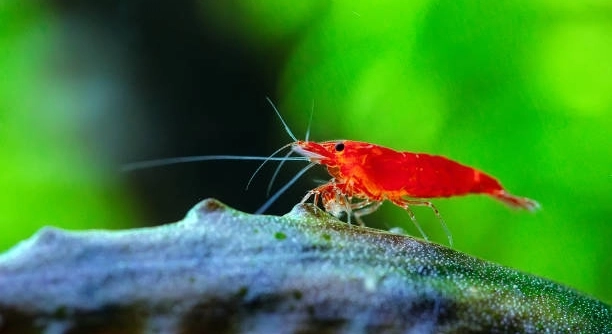
Have you ever noticed shrimp moving differently in their tanks or in the wild before bad weather arrives? Many observers find these tiny creatures seem to respond to changes in their surroundings almost instinctively.
Shrimp exhibit behavioral changes when sensing approaching storms, including increased activity, hiding, or altered feeding patterns. These responses are linked to shifts in barometric pressure, water temperature, and other environmental cues that indicate storm conditions.
These subtle behaviors reveal how shrimp interact with their environment, offering insight into their natural instincts and survival strategies in changing weather.
How Shrimp Sense Environmental Changes
Shrimp have specialized sensory organs called statocysts that help them detect movement, orientation, and changes in water pressure. These organs allow them to sense subtle shifts in their surroundings, including fluctuations in barometric pressure caused by storms. When a storm approaches, water conditions like oxygen levels, salinity, and temperature can change slightly, triggering instinctive behaviors in shrimp. In aquaculture tanks, shrimp may respond to these shifts by swimming faster, hiding under rocks, or grouping together for protection. Observations in the wild show similar patterns, with shrimp often burrowing or moving to safer areas as weather worsens. These behaviors are not random but an evolved survival mechanism. Even minor changes in their environment can be significant, and shrimp respond quickly to protect themselves. Studying these responses helps researchers understand how aquatic species adapt to changing conditions, which can be crucial for both conservation efforts and effective shrimp farming.
Shrimp’s sensitivity to environmental cues demonstrates their instinctive ability to prepare for potential threats.
By observing shrimp closely, we can see clear links between environmental changes and behavior. These patterns reveal how instinct guides their movements, feeding, and social interactions, ensuring their survival in unpredictable conditions.
Behavioral Changes Before a Storm
Before storms, shrimp may become unusually active or seek shelter more frequently.
Shrimp behavior before a storm reflects their innate survival strategies. They often show increased swimming activity, moving to safer areas or burrowing into the substrate to avoid strong currents or predators. Feeding patterns may change, with some shrimp reducing activity while others become more alert. Scientists have noted that shrimp can detect drops in barometric pressure and subtle shifts in water chemistry, prompting these behaviors. This sensitivity allows them to react before conditions become dangerous. In natural habitats, this might mean moving deeper into sediments or finding crevices for protection. In tanks or aquaculture settings, caretakers may notice shrimp clustering or darting quickly. Understanding these behaviors provides insight into their stress levels and environmental needs. For shrimp farmers, observing these changes can guide decisions about tank management, feeding schedules, and protective measures during storms. Overall, these patterns highlight the importance of environmental awareness for shrimp, ensuring their continued survival and well-being in both wild and controlled settings.
Signs of Storm Sensitivity
Shrimp often change their behavior noticeably before storms. They may move faster, hide more frequently, or group together. These changes are subtle but consistent, signaling their awareness of environmental shifts that humans might not immediately notice.
These behavioral adjustments are linked to shrimp’s ability to sense changes in barometric pressure, water currents, and oxygen levels. Increased activity may indicate stress, while seeking shelter helps them conserve energy and avoid potential danger. In aquaculture tanks, this might appear as shrimp clustering in corners or under tank decorations. In natural habitats, they may burrow or move to protected areas. These patterns are reliable indicators of how shrimp respond to environmental stressors, and tracking them can provide valuable insights into their well-being. Observing shrimp carefully over time shows that these small creatures are remarkably attuned to their surroundings, reacting instinctively to even minor fluctuations.
Stress responses in shrimp can also affect feeding behavior and social interactions. Some may eat less, while others become more alert and responsive. These changes are temporary but important for survival. By monitoring these behaviors, caretakers can better manage tanks and predict how shrimp will respond during storms, ensuring safer conditions and reducing potential losses.
Environmental Factors Influencing Behavior
Water temperature, oxygen levels, and salinity shifts are key triggers for shrimp behavior. Even small changes can prompt noticeable reactions.
Shrimp are highly sensitive to the environment around them. Fluctuations in water temperature can alter metabolism, making them more active or sluggish. Low oxygen levels may push them to the surface or closer to aerated areas. Salinity changes, even slight, can cause stress, prompting hiding or clustering behaviors. These environmental cues are often amplified before storms, making shrimp more reactive. Understanding how each factor affects shrimp helps researchers and farmers maintain healthier conditions. Proper monitoring allows adjustments in feeding, aeration, and shelter, reducing stress and maintaining normal activity patterns. Tracking these responses over time also reveals trends in behavior linked to seasonal weather changes and storm patterns.
By studying environmental factors alongside behavioral changes, it becomes clear that shrimp rely on a combination of sensory input and instinct to survive. This sensitivity ensures they are prepared for potential threats. Managing these factors in tanks or ponds can significantly improve shrimp health and reduce losses, making environmental awareness a critical part of shrimp care. Observing and responding to these cues allows both researchers and caretakers to support shrimp resilience effectively.
Predictable Patterns Before Storms
Shrimp often show consistent patterns before storms. They may gather in clusters, hide in crevices, or move more quickly across the substrate.
These patterns help shrimp protect themselves from sudden environmental changes. Increased movement and hiding reduce exposure to predators and strong currents, while clustering provides safety and stability.
Observing Behavior in Captivity
In tanks, shrimp behavior before storms is easier to notice. They may dart rapidly, avoid open areas, or stay near hiding spots. Caretakers can track these changes to anticipate stress. Observing shifts in feeding or activity levels provides insight into their sensitivity. These behaviors often reflect what would occur in natural habitats. Monitoring them closely allows adjustments in tank conditions, such as aeration and shelter, to reduce stress. Over time, predictable behavioral responses can help establish a routine for care, ensuring shrimp remain healthy and less affected by sudden environmental changes.
Preparing Tanks for Storms
Adjusting aeration and providing extra hiding spaces can help shrimp stay calm.
FAQ
Do shrimp really sense storms before they happen?
Yes, shrimp can detect environmental changes that usually occur before storms, such as drops in barometric pressure, shifts in water temperature, and changes in oxygen levels. These cues trigger instinctive behaviors, like hiding, clustering, or increased movement. Observing these behaviors in tanks or in the wild shows that shrimp respond consistently to these early signals. While they do not predict storms consciously, their sensory adaptations make them highly sensitive to subtle changes that humans might overlook. This sensitivity is a survival mechanism developed over generations to help them avoid danger in unpredictable aquatic environments.
What specific behaviors indicate a storm is approaching?
Shrimp often display increased activity, darting around more than usual, or seek shelter under rocks, tank decorations, or substrate. Some cluster together, while others reduce feeding and stay near hiding spots. These actions minimize exposure to potential hazards like strong currents or predators during storm conditions. Watching for these behaviors over time makes it possible to notice predictable patterns, which can help in both aquaculture management and understanding wild shrimp behavior.
How do environmental factors trigger shrimp behavior changes?
Shrimp respond to multiple environmental triggers. Drops in oxygen or temperature can make them move to safer areas or change feeding patterns. Salinity shifts may stress them, causing hiding or clustering. Even minor changes in barometric pressure can lead to noticeable reactions. These responses are instinctive, helping them adjust to avoid danger. In controlled environments, monitoring these factors allows caretakers to maintain proper conditions, reduce stress, and ensure shrimp remain healthy.
Are all shrimp equally sensitive to storms?
Not all shrimp react the same way. Sensitivity can vary by species, age, and environment. Juvenile shrimp may hide more, while adults show increased movement or altered feeding. Species that live in more stable habitats might respond less dramatically compared to those from dynamic or shallow waters. Understanding species-specific behavior is important for predicting responses and managing conditions effectively. Observing patterns over time helps identify which shrimp are most responsive to environmental changes.
Can tank shrimp be trained or conditioned to respond to storms?
While shrimp cannot be trained in the traditional sense, they can develop predictable behaviors based on repeated environmental cues. For example, consistent changes in lighting, temperature, or aeration can make certain behaviors like clustering or hiding more noticeable before storms. Caretakers can use these cues to anticipate stress periods and adjust tank conditions. However, these responses are still instinct-driven rather than learned behavior, reflecting natural adaptations to changing environments rather than deliberate conditioning.
How does storm sensitivity affect shrimp health?
Stress from environmental changes can temporarily affect feeding, activity, and social behavior. If not managed properly, prolonged stress can weaken immune function and increase vulnerability to disease. Providing hiding spaces, maintaining stable water conditions, and monitoring oxygen and salinity levels can reduce stress. Recognizing early behavioral changes before storms allows caretakers to make adjustments that keep shrimp healthy and active, even during unpredictable weather.
Is there a way to predict shrimp behavior during severe storms?
Behavior before severe storms is usually more pronounced, including rapid movement, heavy hiding, and clustering. By observing patterns over time, caretakers can anticipate how shrimp are likely to react. While exact timing cannot be predicted, consistent behaviors indicate the approach of significant environmental changes. These observations help prepare tanks and manage feeding schedules to minimize stress and ensure shrimp remain protected.
Do wild shrimp show the same storm-related behaviors as those in captivity?
Yes, wild shrimp display similar responses. They may burrow, move to deeper water, or cluster near structures for safety. Captive shrimp behaviors mimic these natural instincts, though observation is easier in tanks. Studying both wild and captive shrimp provides insights into how environmental cues consistently trigger survival behaviors across settings. This understanding helps researchers and caretakers support shrimp in both habitats.
How can caretakers support shrimp before and during storms?
Providing extra hiding places, maintaining water stability, and ensuring adequate oxygen levels are key strategies. Minimizing disturbances and monitoring feeding patterns helps reduce stress. Observing shrimp behavior carefully before storms allows proactive management, ensuring that their natural instincts are supported rather than disrupted. These steps maintain overall health and improve survival rates during unpredictable environmental changes.
Are there signs that indicate shrimp have fully adapted to storm conditions?
Shrimp that adapt well may continue feeding, maintain normal activity, and interact socially despite changes in water conditions. Reduced panic movements and balanced behavior suggest they are coping effectively. Monitoring these signs helps caretakers understand when shrimp are resilient and when additional intervention may be necessary to support their health.
Shrimp are surprisingly aware of the changes happening around them, even when those changes are subtle. Their sensitivity to environmental shifts, such as drops in barometric pressure, changes in water temperature, or variations in oxygen levels, allows them to respond before storms strike. These responses are mostly instinctive, driven by survival rather than conscious thought. Observing shrimp in both tanks and natural habitats shows clear patterns of behavior, including increased movement, clustering, hiding, or changes in feeding habits. Over time, these responses become predictable, which can be very helpful for caretakers, researchers, and anyone studying shrimp behavior. Understanding that these small creatures are constantly reacting to their surroundings highlights the complexity of even the simplest aquatic life. Their behavior demonstrates how evolution has equipped them with mechanisms to cope with unpredictable conditions and potential threats, ensuring they can survive in both controlled environments and the wild.
In aquaculture or home tanks, noticing these behavioral changes can help maintain healthier conditions. Shrimp that become more active, hide more frequently, or adjust their feeding patterns are signaling that the environment is shifting. Caretakers can respond by adjusting aeration, ensuring water quality remains stable, or providing additional hiding spaces. Even small adjustments can make a significant difference in reducing stress and supporting shrimp well-being. Monitoring shrimp behavior also provides insights into how environmental factors affect them, from temperature and salinity to oxygen levels and lighting. By paying attention to these cues, it is possible to maintain a balance that helps shrimp thrive, even during periods when storms or sudden changes in weather are approaching. Over time, observing these patterns builds an understanding of how shrimp interact with their environment, helping improve both scientific knowledge and practical care practices.
Overall, shrimp behavior before storms shows how sensitive and adaptable these animals are. Their instinctive responses are not random but finely tuned to help them survive in unpredictable conditions. By observing their actions closely, it is possible to learn a lot about how aquatic animals interact with their environment and the importance of maintaining stable, safe conditions for them. Whether in a tank or the wild, shrimp rely on their senses to guide them through potential threats. Recognizing these behaviors can also inform better care practices, reduce stress, and support long-term health. The small but consistent changes in movement, hiding, and social behavior reveal a level of awareness that is easy to overlook but critical for survival. These insights remind us that even tiny creatures like shrimp have complex ways of navigating their environment, and by understanding their needs, we can provide better support while appreciating the natural instincts that help them endure challenging conditions.

Hello,
If you enjoy the content that we create, please consider saying a "Thank You!" by leaving a tip.
Every little bit helps us continue crafting quality advice that supports the health, happiness, and well-being of pets around the world, for pets of all shapes, sizes, and species.
We really appreciate the kindness and support that you show us!