
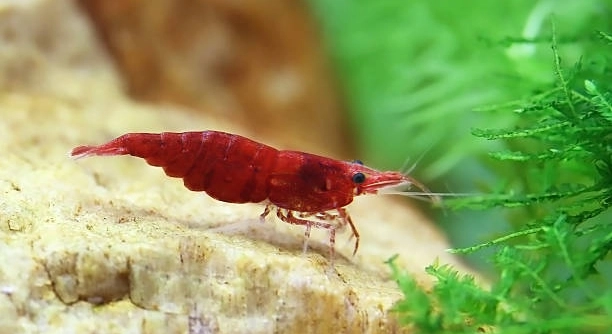
Shrimp are small creatures, yet they often catch our attention with their unusual behavior. Observing them closely can reveal surprising habits and patterns that many people may overlook in their daily interactions.
Shrimp watch their surroundings to detect movement, identify potential threats, and locate food sources. This attentive behavior is driven by instinct, aiding in survival and ensuring efficient foraging. Understanding these moments provides insight into their natural behavior and interaction patterns.
These attentive little creatures show more than just random movements, and noticing their focus can reveal fascinating behaviors in your aquarium.
When Shrimp Notice Movement
Shrimp are highly sensitive to any movement in their environment. Even subtle changes in water currents or nearby activity can catch their attention. I have often watched as they pause mid-swim, their eyes fixed on something small and barely visible. This behavior helps them stay alert and avoid potential threats. In my own tank, I noticed how even my hand approaching the glass caused a cluster of shrimp to freeze, antennas twitching. They are constantly processing their surroundings, and this awareness is key to their survival. Observing them carefully, it becomes clear that shrimp are not just reactive but thoughtful in their own way, balancing feeding and safety. Their attention to movement also shows how adaptable they are, responding instantly to shifts in their environment. Watching this can be surprisingly calming, almost meditative, as they coordinate with one another, shifting positions while keeping track of everything around them. It’s a subtle yet fascinating behavior.
Shrimp notice movement primarily for safety and feeding purposes. Their reactions are quick, showing strong instinctive awareness in their environment.
Even in a calm tank, shrimp constantly scan for changes. They detect vibrations, shadows, and currents, adjusting their position or speed accordingly. This alertness is essential for avoiding predators and finding food. Over time, observing these responses reveals patterns, like favorite hiding spots or areas they avoid, giving insight into their habits. Tracking movement reactions also helps maintain a healthier tank, as unusual responses can signal stress or environmental issues, making attentive observation both practical and rewarding.
Eye Contact and Curiosity
Shrimp sometimes lock eyes with movement nearby, signaling curiosity or attention. I often see them slowly turning to follow objects with their gaze.
This behavior indicates that shrimp are aware of their surroundings and can focus visually, not just instinctively reacting.
Their eyes are highly adapted to detect light, shapes, and motion. When they focus on something, it’s a combination of curiosity and survival instinct. In my experience, they respond differently to familiar and unfamiliar movements. Feeding time is a clear example—they notice my presence immediately and adjust behavior accordingly. Even small gestures, like dropping a piece of food, are detected with precision. Over time, observing these moments reveals their personalities and habits. They may hesitate, retreat, or approach cautiously, showing an individual level of awareness. Noticing eye contact and curiosity can improve tank care, as it reflects overall well-being and engagement with the environment. Watching shrimp interact visually is surprisingly engaging, as they balance caution with interest in subtle ways, making these creatures more interactive than one might expect.
Feeding Time Focus
Shrimp become extremely attentive during feeding. I notice how they quickly gather, antennas moving constantly, as they track the food and each other’s actions in the tank.
They can detect tiny particles in the water almost immediately. When I sprinkle food, shrimp converge on the area, pausing mid-swim to inspect the particles. Their antennae sweep constantly, gauging size and position. This behavior is not just about eating—it also reflects social dynamics. Some shrimp are bolder, moving first, while others hang back, waiting for the right moment. Over time, I have seen certain shrimp claim spots or pieces of food, showing that they are strategic and observant, balancing feeding with safety.
During feeding, shrimp display both focus and coordination. Their ability to detect and react quickly demonstrates instinctive precision, making me appreciate their attentiveness even more.
Hiding and Observing
Shrimp often retreat to hiding spots while keeping a watchful eye on their surroundings. Their cautious behavior is apparent in my tank.
They rely on hiding not just for safety but also to monitor the environment. I notice how they peer out from behind rocks or plants, antennas twitching constantly. This behavior helps them detect changes and potential threats without exposing themselves. By observing quietly, shrimp assess when it is safe to emerge. Their hiding spots also serve as vantage points for spotting food or other shrimp movements, blending protection with awareness.
Hiding does not mean inactivity. Shrimp stay alert, tracking movements, light changes, and nearby vibrations. I find it fascinating how they balance concealment and observation, responding to both subtle and obvious shifts in the tank. Their cautious vigilance allows them to act quickly when needed, whether for feeding or avoiding danger. This dual behavior highlights their intelligence and adaptability, making their seemingly small actions very meaningful.
Territorial Awareness
Shrimp are sensitive to space and can react when others enter their area. I often notice subtle shifts in posture or movement when boundaries are approached.
They use antennas and quick movements to assert presence. Even small intrusions can trigger defensive behaviors, showing their strong sense of territory.
Cleaning and Watching
While cleaning, shrimp remain alert to nearby activity. I see them pausing, scanning the tank, and then resuming their tasks carefully. Their movements are precise, avoiding collisions and assessing surroundings before each step. This combination of cleaning and observation reflects both instinct and intelligence, balancing hygiene with safety.
Reacting to Shadows
Shrimp quickly respond to changes in light or shadows. I often watch them freeze or move cautiously when light shifts across the tank.
Social Interactions
Shrimp communicate and observe each other constantly. I notice patterns of following, mimicking, or avoiding others, showing a dynamic awareness of group behavior.
Why do shrimp watch me closely?
Shrimp watch closely mainly to stay aware of their environment. Their eyes are highly sensitive to movement, light, and shadows. I’ve noticed in my tank that even small gestures, like reaching toward the glass, can make shrimp pause and track the motion. This attentiveness is instinctive, helping them avoid predators and locate food efficiently. Over time, observing this behavior has shown me that shrimp are far from passive; they are constantly analyzing their surroundings, responding to subtle changes, and adjusting their movements to maintain safety and awareness.
Do shrimp recognize humans?
Shrimp don’t recognize humans in the way mammals do, but they can distinguish patterns of movement and associate them with feeding or potential threats. In my experience, they often react faster when I approach during feeding time compared to random movement. This indicates they learn routines and link certain actions to food availability. Although they don’t form attachments or emotional connections, their consistent responses suggest memory and recognition of repeated events, making them more predictable and easier to observe in a controlled environment.
Why do shrimp freeze when I move?
Freezing is a survival tactic. In my tank, I often see shrimp suddenly stop and hold still when I shift position. This behavior minimizes attention from predators, as sudden motion can trigger attacks. It also allows them to assess the source of the disturbance before deciding on a safe response. Freezing shows that shrimp are cautious and prioritize safety over immediate action. This reaction is common in all aquatic environments and reflects their natural instincts to detect and react to potential dangers efficiently.
How do shrimp communicate with each other?
Shrimp communicate primarily through movement and chemical signals. I’ve observed subtle gestures like antenna waving, nudging, or synchronized swimming, especially during feeding or territorial disputes. These signals help establish social hierarchy and coordinate actions without vocal sounds. Chemical cues, often released into the water, can indicate stress, readiness to mate, or alert others to food. Observing these interactions reveals a surprisingly complex social structure. Even in small tanks, shrimp display patterns of cooperation, avoidance, and competition, showing that they are aware not only of their environment but also of each other’s presence.
Do shrimp get stressed by human presence?
Yes, shrimp can become stressed by sudden or repeated disturbances. I’ve seen them retreat to hiding spots when the tank is tapped or when shadows pass overhead. Prolonged stress can impact feeding behavior, molting, and overall health. To reduce stress, I make movements slow and predictable, avoid tapping the glass, and provide plenty of hiding spaces. Stress responses are subtle but noticeable through changes in activity level or antenna movements. Understanding these signs helps maintain a healthy environment and ensures that shrimp remain active, alert, and capable of displaying their natural behaviors.
Why do shrimp seem to follow objects or movement?
Shrimp track objects for both curiosity and survival. In my experience, when I drop food or add decorations, shrimp often follow the motion with precise antenna sweeps. This behavior allows them to locate food quickly and remain aware of potential threats. Following movement is also a way to explore their environment efficiently without exposing themselves to danger. Their ability to focus and react quickly to even minor changes highlights how observant they are. Watching shrimp follow objects demonstrates a combination of instinct, attention, and subtle intelligence that makes them more interactive than one might assume.
Can shrimp learn routines or schedules?
Yes, shrimp can adapt to routines, particularly related to feeding. Over weeks, I noticed they appear near specific areas at regular feeding times, anticipating food even before I approach. While they don’t understand time like humans, their behavior shows pattern recognition. Repetition allows shrimp to link certain cues, like movement near the tank or food being added, to expected outcomes. This learned behavior improves their efficiency in foraging and responding to their environment. Providing consistent routines can reduce stress, encourage natural behaviors, and make observing shrimp more engaging and predictable.
What does it mean when shrimp stare at each other?
When shrimp stare or focus on one another, it usually relates to social assessment. I often see pairs or small groups pausing while observing another shrimp’s movements, often during feeding or territory disputes. This behavior helps them gauge size, dominance, or readiness to engage. Staring is not aggression by itself but a form of communication, combining visual cues with subtle chemical signals. It allows shrimp to make informed decisions without unnecessary confrontation. Observing these moments gives insight into their social dynamics and highlights how aware shrimp are of both their environment and each other.
Why do shrimp retreat and watch from hiding?
Retreating is both defensive and observational. In my tank, I notice shrimp duck behind rocks or plants while keeping antennas and eyes extended. This allows them to monitor activity without exposing themselves to risk. Hiding provides safety while still enabling feeding, movement tracking, and social awareness. It’s a balance of caution and engagement, reflecting the shrimp’s natural instincts.
How can I encourage natural shrimp behaviors?
Providing hiding spots, gentle water flow, and consistent feeding routines encourages natural behaviors. I arrange rocks, plants, and small caves so shrimp can explore safely. Minimal disturbances and predictable interactions allow them to display curiosity, social interaction, and feeding strategies naturally. Observing these behaviors is rewarding and helps maintain a healthy, attentive group of shrimp.
Shrimp are small creatures, yet they demonstrate a remarkable level of awareness and attentiveness. Watching them closely reveals behaviors that are both instinctive and surprisingly nuanced. They are constantly scanning their environment, responding to subtle movements, changes in light, and the presence of other tank inhabitants. This awareness is essential for their survival in the wild and remains evident even in a home aquarium. From pausing mid-swim to track movement to carefully navigating their surroundings during feeding, shrimp show that even tiny animals can exhibit focused attention and complex responses. Observing these behaviors over time makes it clear that shrimp are not passive or random in their actions. Every twitch of an antenna, freeze in movement, or glance toward another shrimp serves a purpose, whether for safety, social interaction, or food acquisition. Understanding these habits allows anyone keeping shrimp to better appreciate their intelligence and natural instincts.
Maintaining an environment that supports these behaviors is important for their overall well-being. Providing spaces to hide, areas to explore, and consistent feeding routines helps shrimp feel secure and encourages natural responses. In my experience, when tanks are set up thoughtfully, shrimp become more confident and exhibit a broader range of behaviors. They explore cautiously, interact with one another, and display subtle social hierarchies without stress or aggression. Even seemingly minor adjustments, such as adding plants or arranging decorations to create shelter, can make a noticeable difference in their activity levels. By observing carefully, one can notice patterns in behavior, like favorite feeding spots or preferred hiding areas, which reflect both individual personalities and species tendencies. This attentiveness also helps in identifying early signs of stress or illness, as deviations from normal behavior often indicate an environmental issue that needs attention. In this way, observing shrimp closely is not only interesting but practical, improving care and maintaining a healthy tank.
Ultimately, shrimp offer a unique opportunity to study behavior in small, delicate creatures. Their constant vigilance, reactions to movement, and social interactions provide insight into the balance of survival and curiosity. While they may be tiny, shrimp demonstrate focus, awareness, and adaptability that are impressive for their size. Watching them in a well-maintained environment allows us to appreciate these traits and develop a deeper understanding of their needs. The small gestures they make—whether following movement, retreating to hide, or interacting with others—highlight their attentiveness and the subtle intelligence they possess. Providing a stable, thoughtfully arranged tank encourages these behaviors, allowing shrimp to thrive while giving observers the chance to witness their fascinating habits firsthand. These moments, though subtle, remind us that even the smallest creatures have intricate ways of perceiving and responding to the world around them.

Hello,
If you enjoy the content that we create, please consider saying a "Thank You!" by leaving a tip.
Every little bit helps us continue crafting quality advice that supports the health, happiness, and well-being of pets around the world, for pets of all shapes, sizes, and species.
We really appreciate the kindness and support that you show us!