
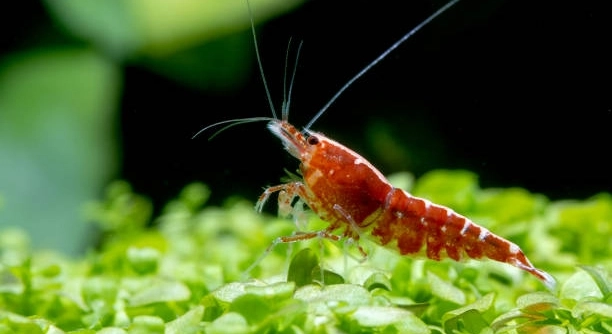
Shrimp are fascinating little creatures that spend much of their time exploring their environment. Their interactions with the surfaces around them can affect their health, behavior, and overall comfort in an aquarium setting. Observing their preferences can be rewarding.
Shrimp thrive best on substrates that provide both stability and microhabitats. Fine sand, smooth gravel, and specialized aquarium soils offer shelter, foraging opportunities, and a surface for biofilm growth, which supports their feeding habits and natural behaviors.
Choosing the right substrate can make a noticeable difference in shrimp activity and overall well-being. Small adjustments to their environment often yield significant improvements in their comfort and health.
Fine Sand
Fine sand provides a soft and even surface for shrimp to explore. Its smooth texture reduces the risk of injury to delicate appendages and allows shrimp to dig and sift naturally. This substrate encourages natural behaviors such as burrowing and foraging, which can help shrimp feel secure and active. Over time, fine sand also helps establish a stable environment for plants, promoting biofilm growth, a primary food source for many shrimp species. Regular rinsing before use prevents dust and debris from clouding the water. Fine sand comes in various colors, which can enhance the visual appeal of the aquarium while remaining safe for inhabitants. Pairing fine sand with small decorations or hiding spots can further enrich the shrimp’s environment, providing both physical and mental stimulation. Overall, sand substrates are simple, low-maintenance, and highly compatible with most freshwater shrimp species, making them a reliable choice for any shrimp keeper.
Shrimp interact with fine sand by burrowing lightly and grazing on the surface biofilm. This substrate supports feeding and movement while remaining safe.
Using fine sand allows shrimp to perform natural behaviors that are often restricted on rough or uneven substrates. Its ability to retain beneficial bacteria helps maintain water quality. Additionally, sand is easier to clean in localized areas without disturbing the entire tank. Pairing sand with live plants creates hiding spots and encourages territorial behavior, supporting overall shrimp activity. Sand’s uniform texture makes it ideal for observing shrimp up close, as movements are easy to track and patterns of foraging become more visible. Over time, sand can also trap leftover food and waste in its upper layers, which can be gently siphoned during maintenance. Many shrimp species prefer the stability and softness of sand over gravel or rocky surfaces. By offering a fine sand substrate, caretakers can enhance the health, feeding, and comfort of their shrimp while keeping the aquarium visually pleasing and manageable.
Smooth Gravel
Smooth gravel is gentle on shrimp legs and body, making it a practical choice for various species. Its rounded edges reduce injury risks and provide small crevices for exploration.
Smooth gravel allows shrimp to search for biofilm in the small gaps, offering both nourishment and engagement.
Gravel is easy to maintain and provides a firm base for plants or mosses to anchor. Its larger particle size compared to sand prevents compacting, which allows water to circulate more freely and supports beneficial bacterial colonies. Gravel can be rinsed quickly, making initial setup and ongoing maintenance simpler. Shrimp enjoy crawling over uneven textures, which stimulates natural behavior and keeps them active. Combining smooth gravel with moss pads or small rocks creates microhabitats, increasing foraging opportunities and hiding spaces. This substrate works well in community tanks and supports both aesthetic and functional purposes. Smooth gravel balances practicality, shrimp safety, and environmental enrichment, making it a solid option for any aquarium setup.
Specialized Aquarium Soil
Specialized aquarium soil is nutrient-rich and ideal for planted tanks. It encourages shrimp grazing on biofilm and microorganisms while supporting healthy plant growth. Its texture allows for easy digging and prevents shrimp from injuring themselves while exploring.
Aquarium soil enhances shrimp activity by providing a surface that retains microfauna and beneficial bacteria. The soil gradually releases nutrients, which helps plants thrive and indirectly improves water quality by stabilizing pH levels. Shrimp can sift through the soil looking for food particles and biofilm, making it a natural foraging ground. Regular gentle stirring prevents compacting, keeping the environment hospitable. The dark tones of many soils also make shrimp colors stand out more vividly, adding aesthetic appeal to the tank. Choosing the right soil ensures shrimp remain active and healthy while maintaining a balanced ecosystem.
Pairing specialized soil with mosses, small plants, or hiding spots maximizes its benefits. Shrimp feel secure while grazing and can interact with multiple layers of the substrate. Soil promotes a stable environment and encourages natural behavior, including digging, burrowing, and feeding. Over time, the soil supports a sustainable micro-ecosystem, enriching both shrimp health and plant growth. Its combination of nutrients, texture, and biological activity makes specialized aquarium soil a versatile and effective substrate choice for shrimp tanks.
Leaf Litter
Leaf litter provides shelter and a source of natural food for shrimp. It decomposes slowly, offering a continuous layer of biofilm and microorganisms.
Shrimp explore leaf litter to graze on the microorganisms and biofilm growing on the surfaces. It adds structure to the tank, giving shrimp places to hide and feel secure. The leaves also slightly soften the water, which many shrimp prefer.
Using leaf litter encourages more natural behavior in shrimp. They will move among the leaves, forage, and even rest beneath them. This substrate helps simulate their natural environment, making shrimp feel safer and more active. Different types of leaves provide various nutrients as they break down, supporting overall health. Leaf litter also promotes microfauna growth, giving shrimp a diverse food source beyond their standard diet. Regular replacement prevents excessive decay while maintaining beneficial biofilm growth. Its simplicity and effectiveness make leaf litter a practical choice for those aiming to enhance both shrimp behavior and tank ecology.
Small River Stones
Small river stones create gentle surfaces for shrimp to walk on without hurting their delicate legs. Their rounded edges make it easy for shrimp to move and explore while offering tiny gaps for hiding and grazing.
These stones also encourage biofilm growth in the small crevices. Shrimp will sift through the spaces between stones to find microorganisms, making feeding more natural. River stones are easy to clean, maintain, and arrange, which helps in designing a varied tank layout. Their neutral colors enhance shrimp visibility and tank aesthetics without overwhelming other decorations or plants.
Marbles and Smooth Pebbles
Marbles and smooth pebbles provide hard, polished surfaces that resist compacting and allow shrimp to move freely. They are easy to rinse and maintain while offering visually appealing textures.
Coconut Fiber
Coconut fiber retains moisture and creates a soft, flexible substrate. Shrimp enjoy crawling through its fibrous surface while foraging for food particles and biofilm.
FAQ
What is the best substrate for beginner shrimp keepers?
For beginners, fine sand or smooth gravel is often the easiest to manage. These substrates are low-maintenance, safe for shrimp, and support natural behaviors like foraging and grazing. They also allow for easy observation of shrimp activity and make cleaning simpler.
Can shrimp live on any type of substrate?
Shrimp can survive on a variety of substrates, but not all are ideal for long-term health. Rough or sharp surfaces can injure delicate legs and antennae. Substrates that do not support biofilm growth may limit natural feeding opportunities and reduce activity levels.
Do plants affect the choice of substrate?
Yes, plants often need nutrient-rich substrates like specialized aquarium soil to thrive. This also benefits shrimp by providing extra surfaces for biofilm and microorganisms. Sand and gravel can work with plants if root tabs or fertilizers are added, but soil is generally more supportive.
How often should substrates be cleaned?
Cleaning depends on the type of substrate and tank conditions. Sand and soil need gentle siphoning to remove waste without disturbing beneficial bacteria. Gravel can be lightly stirred during water changes. Leaf litter should be replaced before it fully decomposes to prevent water quality issues.
Is leaf litter safe for all shrimp species?
Most freshwater shrimp tolerate leaf litter well, as it mimics natural habitats and provides food and shelter. Some species may prefer specific types of leaves, like Indian almond or oak, which release beneficial tannins and support microfauna growth. Monitoring water parameters helps ensure safety.
Can substrates change water chemistry?
Yes, some substrates influence pH, hardness, or nutrient levels. Specialized soils can buffer water and provide nutrients, while certain leaf litter types can slightly soften water. Regular testing ensures conditions remain stable and suitable for shrimp health.
Do shrimp prefer soft or hard substrates?
Shrimp generally prefer softer surfaces like sand, soil, or coconut fiber for digging and grazing. Hard substrates like smooth pebbles or marbles are acceptable but may limit natural burrowing behavior. A combination of soft and firm surfaces can provide variety and enrichment.
Can shrimp survive without biofilm on the substrate?
Biofilm is a primary food source for shrimp. While they can be fed prepared foods, lack of biofilm reduces grazing opportunities and can affect overall activity. Maintaining substrates that encourage biofilm growth is essential for long-term shrimp health.
How do substrates affect shrimp molting?
Molting requires safety and stability. Soft, even substrates like sand and soil help prevent injuries during this vulnerable stage. Rough or sharp substrates increase stress and risk of damage. Providing hiding spots in combination with a suitable substrate improves molting success.
Is substrate color important for shrimp?
Substrate color can impact shrimp visibility and stress levels. Darker substrates often enhance shrimp coloration and provide contrast, making them easier to observe. Neutral tones are visually calming and still safe for shrimp interaction. Color choice should balance aesthetics with shrimp comfort.
Can substrates host harmful bacteria or parasites?
While beneficial bacteria are vital, substrates can also harbor pathogens if water quality declines. Regular maintenance, gentle cleaning, and monitoring water parameters reduce the risk. Leaf litter and soils should be rinsed or pre-treated to avoid introducing harmful organisms.
Are combinations of substrates effective?
Yes, combining substrates like sand with small gravel or leaf litter can create varied microhabitats. This approach supports grazing, hiding, and digging behaviors while enhancing the overall aesthetic and functionality of the tank. It also allows shrimp to select surfaces they prefer naturally.
How do substrates impact tank maintenance?
Different substrates influence debris accumulation and cleaning frequency. Sand can compact, soil may cloud water if disturbed, and leaf litter decomposes over time. Choosing the right substrate and understanding its maintenance needs ensures a stable, healthy environment for shrimp.
Can shrimp adapt to a new substrate quickly?
Shrimp usually adapt over a few days to weeks. Gradually introducing new substrates or creating zones with familiar surfaces helps reduce stress. Observing behavior during this period ensures they are comfortable and actively foraging.
Is substrate depth important?
Yes, depth affects plant rooting and shrimp movement. Sand or soil layers of at least 2–3 cm allow for digging and biofilm development. Deeper layers support plant growth but may require careful cleaning to prevent anaerobic spots.
Do shrimp need hiding spots on every substrate?
Hiding spots complement substrates, offering protection during molting and rest. While some substrates provide natural crevices, adding moss, rocks, or leaf litter ensures shrimp feel secure and reduces stress, encouraging healthier activity.
Can substrates affect shrimp breeding?
Substrate choice impacts egg-laying and juvenile survival. Soft, safe surfaces and biofilm-rich substrates encourage females to carry eggs comfortably. Juvenile shrimp benefit from microhabitats created by varied substrates, increasing survival rates in breeding setups.
What are low-maintenance substrate options?
Fine sand, smooth gravel, and marbles are generally easy to clean and maintain. They do not compact or release nutrients that need monitoring. Leaf litter and soils may require more attention but offer greater ecological benefits and enrichment.
How do substrates interact with water flow?
Substrates affect how water moves in the tank. Sand and soil may compact in low-flow areas, while gravel allows better circulation. Leaf litter can slow flow locally, creating microhabitats. Understanding water movement helps maintain clean and oxygenated environments.
Are there substrates to avoid for shrimp?
Sharp-edged rocks or rough gravel can injure shrimp. Substrates that drastically alter pH or hardness without monitoring should be avoided. Avoid materials that leach harmful chemicals or dyes, as shrimp are sensitive to water quality changes.
How long do substrates last?
Substrate longevity varies. Gravel and marbles can last many years with minimal maintenance. Sand may compact over time, requiring occasional replenishment. Soils and leaf litter break down and need periodic replacement to maintain a healthy, functional tank.
Can I mix artificial and natural substrates?
Yes, combining artificial gravel with natural leaf litter or soil can balance aesthetics, maintenance, and functionality. Artificial substrates provide structure, while natural elements support grazing, hiding, and beneficial microorganism growth for shrimp.
Choosing the right substrate for shrimp is more important than many people realize. The surfaces they walk on and interact with affect their behavior, health, and overall comfort in the tank. A substrate that supports natural foraging and grazing allows shrimp to stay active and healthy. Soft materials like sand, coconut fiber, and specialized soils are gentle on their delicate legs and antennae, preventing injuries. At the same time, firmer surfaces such as smooth gravel or marbles can provide stability and structure while still being safe for shrimp. Leaf litter is another excellent addition because it gives hiding spaces and slowly releases nutrients while promoting biofilm growth, a primary food source for shrimp. Choosing a substrate that balances safety, activity, and environmental enrichment ensures shrimp feel secure while allowing them to exhibit their natural behaviors.
The choice of substrate also interacts with the overall ecosystem of the tank. Certain substrates, like nutrient-rich soils, help plants grow better, which benefits shrimp by offering extra surfaces for biofilm and additional hiding spots. Leaf litter and natural fibers can soften water slightly and promote microfauna, providing extra nutrition for shrimp. Gravel and marbles may not provide as many nutrients, but they are easy to clean and maintain, making them practical for simpler setups. Combining different substrates in a single tank can create varied microhabitats that keep shrimp stimulated and comfortable. For example, sand areas can allow digging and grazing, while small river stones or pebbles can provide small crevices for exploration. This combination of soft and firm surfaces also supports molting and juvenile development, which is important for breeding or keeping multiple age groups in the same tank.
Maintenance and longevity are also important factors when selecting substrates. Soft soils may compact over time, requiring gentle stirring to prevent anaerobic pockets, while leaf litter will decompose and need to be replaced regularly. Gravel and marbles last longer and are easy to rinse, making cleaning quick and straightforward. Observing how shrimp interact with the substrate can guide minor adjustments, such as adding moss pads, small decorations, or additional layers of leaf litter. Paying attention to water chemistry is equally important, as some substrates can affect pH and hardness over time. A careful balance between aesthetics, functionality, and shrimp comfort will help maintain a healthy and visually pleasing tank. Ultimately, selecting the right substrate is not just about appearance—it is about creating an environment where shrimp can thrive naturally, stay active, and remain healthy for years to come.

Hello,
If you enjoy the content that we create, please consider saying a "Thank You!" by leaving a tip.
Every little bit helps us continue crafting quality advice that supports the health, happiness, and well-being of pets around the world, for pets of all shapes, sizes, and species.
We really appreciate the kindness and support that you show us!