
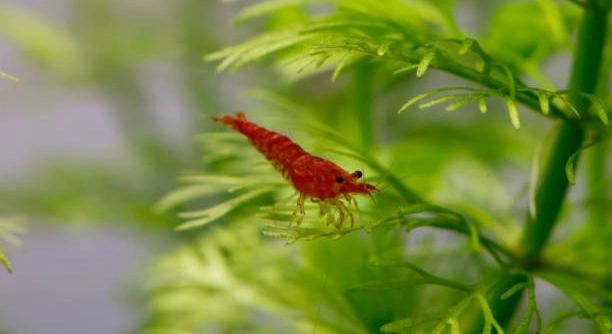
Shrimp are fascinating creatures that often climb surfaces in their tanks or natural habitats. While watching them, you may notice they stop frequently, pausing mid-climb for no obvious reason. This behavior can be surprising to observe.
Shrimp pause frequently while climbing primarily due to environmental assessment and energy conservation. Pausing allows them to evaluate their surroundings for safety, adjust their grip on surfaces, and manage limited energy reserves essential for survival and mobility in aquatic habitats.
Observing these small pauses can reveal a lot about shrimp behavior and their interaction with their environment, highlighting patterns that are easy to miss.
Why Shrimp Stop Frequently
Shrimp often pause while climbing to carefully sense their environment. These tiny pauses help them avoid predators and slippery surfaces. Observing closely, I noticed they sometimes hesitate after a sudden movement or water disturbance. Pausing gives them a chance to grip surfaces better, preventing falls. Energy conservation is another reason. Shrimp are small creatures with limited energy, so short stops help them pace their movements without exhausting themselves. Water currents, temperature, and tank layout all affect how often they pause. Even minor changes in light or noise can make them more cautious. Over time, I realized that these stops are not random; they reflect how shrimp process their surroundings, balance their movements, and protect themselves. Understanding these pauses gives a glimpse into their behavior, showing that even simple creatures make calculated decisions to stay safe and comfortable while moving.
Pausing also allows shrimp to breathe and regulate their bodies efficiently. It is a natural, necessary behavior.
Watching these small moments can help you better understand their habits and improve tank setups for safer climbing areas.
Environmental and Physical Factors
Temperature changes can make shrimp stop frequently. Sudden drops or rises in water temperature cause them to pause and adjust.
Other factors like water quality, current strength, and surface texture influence climbing behavior. Shrimp need surfaces with enough grip to move efficiently, or they risk slipping and injuring themselves. I noticed that when the water is slightly cloudy or contains debris, shrimp pause more often, seemingly to assess the risk before proceeding. Tank decorations, rocks, or plant stems play a role as well. Smooth surfaces can cause hesitation, while textured surfaces encourage movement. Physically, shrimp may pause due to molting cycles or fatigue. After shedding, their new exoskeleton is softer, so they move cautiously. Observing these behaviors over time makes it clear that pauses are a mix of instinct, environment, and physical condition. Adjusting water flow, temperature, and providing proper surfaces can reduce excessive stopping while keeping shrimp healthy and active.
Observing Climbing Patterns
Shrimp often move in short bursts, pausing frequently to check surfaces and surroundings. I noticed they rarely climb in a straight line, instead making careful stops to adjust their grip and balance. These tiny adjustments seem instinctive but are crucial for safe movement.
During climbing, shrimp appear to evaluate each step before proceeding. They use their antennae to feel surfaces and detect water currents, which helps them avoid slipping or falling. I’ve seen them pause after reaching a rough or unstable surface, staying still for several seconds before continuing. These pauses are not signs of weakness; they are adaptive behaviors that help shrimp navigate complex environments efficiently. Their small size makes them vulnerable, so careful climbing reduces the risk of injury or being swept away by currents. Observing these subtle pauses gives insight into their careful, deliberate movement style.
Energy management is another key factor. Shrimp pause to prevent fatigue, especially when climbing vertically or over uneven terrain. These brief rests ensure they maintain strength for reaching higher surfaces or escaping danger, reflecting their natural survival strategies.
Social and Behavioral Influences
Shrimp sometimes pause when other shrimp are nearby, maintaining distance or observing movement. These stops prevent collisions and reduce stress in crowded spaces.
Social interactions can significantly influence climbing behavior. I noticed that when multiple shrimp occupy the same area, they tend to wait for others to move first, creating a chain of pauses. This behavior helps reduce competition for grip points and ensures that weaker or smaller shrimp are not pushed off surfaces. In some cases, dominant shrimp may climb first, while others hesitate until the path is clear. Pausing can also signal caution if a nearby shrimp behaves aggressively or moves suddenly. These behavioral adjustments are subtle but important for maintaining harmony in a shared environment. Recognizing these patterns can improve understanding of shrimp dynamics, especially in tanks with limited climbing structures or high population densities.
Reaction to Stimuli
Shrimp pause frequently when they detect sudden changes in light or movement. I’ve seen them stop instantly when shadows shift or a hand moves near the tank, staying still to assess potential threats.
Even subtle vibrations in the water can trigger a pause. They seem to react cautiously, ensuring safety before continuing.
Molting and Physical Condition
During molting, shrimp become more vulnerable and often pause more than usual. I’ve observed that after shedding, they move slowly and take longer breaks between climbs. Their softer exoskeleton makes them cautious, and these pauses allow them to regain strength and avoid injury. Maintaining stable water conditions helps reduce stress during this sensitive period. Pausing also supports proper hardening of the new shell, which is essential for survival. Over time, I noticed that shrimp recovering from molting gradually return to their normal climbing rhythm, but temporary pauses remain longer than usual, reflecting their natural recovery needs and careful energy management.
Tank Setup Effects
Shrimp pause more on smooth or vertical surfaces. Adding textured elements encourages movement and reduces hesitation.
FAQ
Why do shrimp pause so often while climbing?
Shrimp pause while climbing to assess their surroundings and maintain balance. I’ve noticed they rarely move without stopping for a moment, even on familiar surfaces. Pausing helps them grip better, sense water currents, and conserve energy. These short rests are part of their natural behavior and are essential for safe climbing.
Do all shrimp pause in the same way?
Not all shrimp behave identically. Some species pause more frequently, especially smaller or more timid shrimp. I’ve seen larger or more confident shrimp move more continuously, but even they take occasional short breaks. Environmental conditions, tank setup, and physical condition all affect how often a shrimp pauses.
Can stress cause more pauses?
Yes. Shrimp under stress, such as sudden changes in water temperature, overcrowding, or excessive noise, will pause more often. I observed that after adding new tank decorations, shrimp stopped frequently to adjust to the unfamiliar environment. These pauses are their way of evaluating potential risks.
Does molting affect climbing pauses?
Absolutely. During and after molting, shrimp are more vulnerable and cautious. Their new exoskeleton is soft, making them more likely to pause between movements. I often notice longer, slower pauses during this period, which allow them to regain strength and avoid injury while climbing.
Do water conditions influence pausing?
Water quality has a significant impact. Poor water conditions, strong currents, or cloudy water can make shrimp more hesitant. I noticed that in stable, clean water with gentle currents, shrimp paused less often. Smooth surfaces or high-flow areas increase the need for careful assessment, resulting in more frequent pauses.
How does tank design affect climbing behavior?
Tank design matters a lot. Vertical surfaces, smooth rocks, and sparse decorations make shrimp pause more, while textured surfaces and accessible routes encourage movement. I rearranged some tank decorations to provide better grip points and observed more fluid climbing with fewer pauses.
Can shrimp pauses indicate illness?
Sometimes. While pauses are normal, excessive or unusual stopping can signal health issues. I noticed a shrimp pausing unusually long and moving weakly, which later turned out to be an early sign of stress from water imbalance. Monitoring patterns helps identify potential problems early.
Do social interactions change pausing behavior?
Yes. Shrimp often wait or pause when other shrimp are nearby to avoid collisions or aggressive behavior. I’ve seen timid shrimp pause while dominant individuals move first. This behavior keeps order and reduces stress in a crowded tank, making short stops part of social adaptation.
Are pauses linked to feeding habits?
Pauses can occur near food sources. Shrimp may stop to inspect potential food items before eating. I observed that they sometimes hover near a food pellet, moving antennae to sense it before finally grabbing it. These small pauses are part of their natural foraging strategy.
How can I reduce unnecessary pauses?
Providing stable water conditions, textured climbing surfaces, and gentle currents helps. I noticed shrimp moved more confidently and paused less after adjusting the tank setup. Reducing stressors like sudden light changes, excessive noise, or overcrowding also minimizes frequent pauses.
Can observing pauses help me understand shrimp better?
Definitely. Watching when and why shrimp pause provides insight into their health, comfort, and behavior. I often spend time noting patterns in climbing pauses, which helps me adjust tank conditions and improve their environment. Understanding these small behaviors makes maintaining shrimp easier and more rewarding.
Are pauses consistent throughout the day?
Not always. Shrimp may pause more during periods of higher activity, feeding times, or changes in light. I’ve observed that early morning and evening often show more cautious movement, with longer pauses, while mid-day activity tends to be smoother and faster, reflecting natural rhythms.
Do younger shrimp pause differently than adults?
Yes. Younger shrimp tend to pause more frequently as they are smaller, less experienced, and more cautious. I’ve watched juveniles stop often while learning to navigate surfaces. Adults pause too, but generally for shorter periods, reflecting increased confidence and stronger grip ability.
Can environmental enrichment reduce pauses?
Adding plants, moss, or rocks provides more climbing options and surfaces. I noticed that shrimp in enriched tanks moved more confidently, with fewer stops. These structures allow them to explore safely, reducing hesitation and making climbing more fluid.
Is pausing a sign of intelligence in shrimp?
In a way, yes. Pausing shows that shrimp are aware of their surroundings, evaluate risks, and make decisions based on environmental cues. I’ve come to appreciate that even small creatures like shrimp exhibit cautious, deliberate behavior, which reflects adaptive thinking in their daily movement.
Final Thoughts
Watching shrimp climb can be surprisingly engaging once you notice the small details in their behavior. Their frequent pauses are not random or signs of weakness, but deliberate actions that help them navigate safely. Each stop allows shrimp to assess their surroundings, adjust their grip on surfaces, and conserve energy for the next movement. Over time, I’ve realized that these tiny creatures rely heavily on these brief moments of stillness to maintain balance and avoid accidents. Even the smallest change in water flow, light, or tank arrangement can influence how often they pause. It’s fascinating to see how much attention they pay to their environment, reacting carefully to every detail. These pauses may seem minor, but they are a key part of their survival strategy and overall behavior. Understanding this pattern helps create a better tank environment that matches their natural instincts, allowing them to feel secure and move with confidence.
Another aspect that stands out is the link between physical condition and climbing behavior. Molting, fatigue, and even minor injuries can lead to longer or more frequent pauses. I’ve observed shrimp after molting move much more cautiously, taking longer breaks to recover strength and let their new exoskeleton harden. Younger or smaller shrimp also tend to pause more often, reflecting their inexperience or limited energy reserves. Environmental stressors, like overcrowding or sudden changes in water temperature, make pauses longer or more noticeable. Recognizing these signs is important for anyone keeping shrimp in aquariums. By observing their pauses and patterns, it is possible to identify potential problems early and adjust conditions to keep them healthy. In this way, pauses are not only natural behavior but also valuable indicators of shrimp well-being.
Social behavior and interactions add another layer of complexity to their pauses. Shrimp frequently stop when other shrimp are nearby, either to avoid collisions or to assess the movements of dominant individuals. These pauses reduce stress in shared spaces and help maintain a stable social environment. They also pause near food or unfamiliar objects, showing careful consideration before engaging with something new. Over time, I’ve found that adjusting tank structures, providing textured surfaces, and maintaining stable water conditions encourages smoother movement and fewer unnecessary pauses. Paying attention to these small behaviors reveals a lot about shrimp intelligence, adaptability, and comfort levels. Overall, their pauses are a window into their cautious, deliberate approach to life. Observing and understanding them makes caring for shrimp more rewarding and helps create an environment that supports their natural behaviors, health, and safety.

Hello,
If you enjoy the content that we create, please consider saying a "Thank You!" by leaving a tip.
Every little bit helps us continue crafting quality advice that supports the health, happiness, and well-being of pets around the world, for pets of all shapes, sizes, and species.
We really appreciate the kindness and support that you show us!