
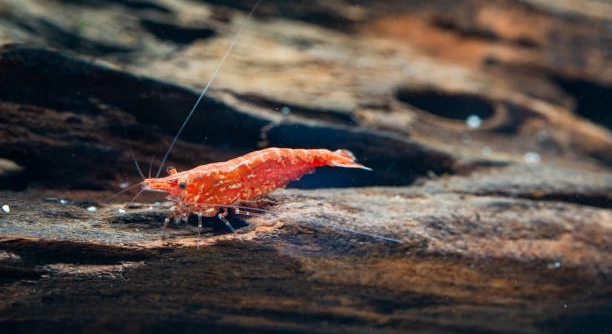
Have you ever noticed your cherry shrimp acting differently and felt unsure about what it might mean? Small changes in behavior or appearance can reveal early problems that need attention, helping you support their life.
The primary warning signs in cherry shrimp include shifts in coloration, reduced activity, labored movement, hiding, irregular molting, decreased feeding, and visible stress behaviors. Monitoring these indicators allows prompt intervention and supports stable water conditions essential for term shrimp health.
These simple signals highlight important changes that shape your shrimp’s well-being, offering insight as you continue exploring their care needs.
Color Changes
Color changes in cherry shrimp often appear early when something in their environment affects their comfort or stability. When bright reds begin fading into pale or patchy tones, it can signal stress tied to shifts in water quality, temperature, or hidden toxins. Shrimp rely heavily on stable surroundings, so even small variations may influence their appearance. Observing gradual or sudden dullness helps you understand what might be disrupting their routine. Clean, cycled water with consistent parameters supports healthier pigmentation that stays vibrant. Overcrowding, low oxygen, and poor dietary variety can also shape the way their color behaves. Feeding balanced foods and performing regular maintenance encourages a more predictable response in their shade. When their bodies show uneven or washed out tones, it offers a clear indicator that adjustments may be needed. Responding early reduces the risk of deeper issues forming within your aquarium, helping your shrimp regain their natural look.
Noticing fading tones helps you act before conditions worsen. This small visual cue often appears sooner than changes in behavior, giving you a useful signal that something in the tank may need attention. Early action supports stronger pigmentation and steadier comfort for your shrimp in their everyday aquatic living space.
Maintaining vibrant color relies on steady conditions that do not shift too quickly. Cherry shrimp respond well to consistent pH, gentle filtration, and routine water changes. Keeping nitrates low and avoiding sudden parameter swings preserves their natural shade. A varied diet supports strength while reducing stress linked to nutritional gaps. Light intensity can also influence their tone, helping or hindering their appearance depending on balance. Providing hiding spots allows them to feel secure, which further contributes to stronger pigmentation. When their environment stays even and predictable, their bodies reflect that stability through clearer, brighter shades that signal comfort and health.
Reduced Activity
Reduced activity often signals early stress in cherry shrimp, showing up as slower movement, long resting periods, or hesitation during feeding. These shifts usually appear when water conditions fluctuate or hidden waste builds up, affecting their comfort and energy as they adjust to the change in their daily tank routine.
Cherry shrimp thrive when their surroundings stay stable, and reduced activity is one of the clearest indicators that balance may be slipping. Slower movement often points to declining water quality, particularly when ammonia or nitrite begin rising beyond safe levels. These changes interrupt their natural rhythm and push them into conserving energy. Monitoring filtration performance and ensuring the tank is properly cycled reduces the chances of these issues developing. Overfeeding can also create buildup that affects their comfort, so providing small, manageable portions helps keep the water cleaner. Temperature fluctuations are another factor that can impact their activity, causing them to withdraw when the shift feels too intense. Maintaining a consistent temperature gives them a steadier environment that supports healthy behavior. Low oxygen levels may further affect their pace, especially in tanks with limited surface agitation. Adding gentle aeration or adjusting water flow improves circulation that supports their well-being. Cherry shrimp also tend to move less when feeling exposed, so offering plants and shelters encourages natural exploration. Paying close attention to these signals lets you respond early, preventing declines that could affect the rest of the tank. When their needs are met, their movement becomes steady and expressive again today.
Labored Movement
Labored movement in cherry shrimp often appears when the water conditions no longer support comfortable breathing or steady mobility. You may see slower swimming, uneven steps, or difficulty moving across surfaces as their bodies respond to stress within the tank environment.
When oxygen levels drop or toxins rise, movement becomes challenging for shrimp, leading to small but noticeable shifts in how they navigate their space. Ammonia and nitrite spikes are especially harmful, affecting their ability to move naturally and maintain balance. Strong currents can also cause them to struggle, pushing them into corners or forcing them to cling to surfaces. Testing water parameters and adjusting flow rates help bring relief. Temperature swings may tighten their movements as they fight to adjust. Providing stable, well-oxygenated water encourages smoother mobility and reduces the strain they experience during stressful moments.
Labored movement can also appear when molting does not go smoothly. Their bodies become more sensitive during this stage, and inadequate minerals or poor water stability can interrupt the process. When they cannot shed properly, they move with hesitation or stiffness. Balanced minerals, steady pH, and clean water support easier molting cycles. Sudden disruptions in their surroundings may deepen their struggle, making early observation essential for preventing long term harm. Eliminating unnecessary stressors helps their natural movement return, allowing them to explore, graze, and interact with more confidence each day.
Hiding More Than Usual
Hiding more than usual often signals discomfort in cherry shrimp, especially when they withdraw from open spaces they normally explore. This behavior appears when they feel exposed, stressed, or unsettled by changes in their environment, prompting them to search for safer, more sheltered areas to rest.
Shrimp frequently hide when tank conditions begin shifting in ways that affect their comfort. Changes in water parameters, loud disturbances around the tank, aggressive tank mates, or reduced plant coverage can all push them to retreat more often. Poor water quality is one of the most common causes, particularly during nitrate buildup or inconsistent maintenance routines. Adjusting filtration, increasing plant coverage, and maintaining gentle lighting help restore their confidence. Providing stable surroundings gives them space to move freely without feeling the need to stay hidden. Overcrowding may also lead to more hiding, especially in smaller aquariums where territory becomes limited. Offering more moss, caves, or leaf litter encourages a natural sense of security. Continuously watching for increased hiding helps you identify early stress, making it easier to correct the issue before it grows into something more disruptive.
Irregular Molting
Irregular molting often appears when water parameters shift in ways that disrupt your shrimp’s natural rhythm. Tough or incomplete molts signal stress tied to poor mineral balance, uneven temperatures, or unstable pH that affects shell development as they try to shed comfortably.
Faulty molting can weaken them over time, making movement difficult and leaving them vulnerable. Balanced calcium and magnesium levels support smoother molts, while consistent maintenance helps prevent sudden changes that interrupt their cycle. Stable surroundings allow their bodies to complete each shed with less strain.
Decreased Feeding
Decreased feeding often signals early discomfort in cherry shrimp. When they ignore food or graze less on surfaces, it usually points to declining water quality, rising toxins, or sudden environmental changes that interrupt their normal appetite and reduce their interest in exploring their space.
Visible Stress Behaviors
Visible stress behaviors include frantic swimming, sudden darting, or clinging tightly to surfaces for long periods. These actions appear when conditions become unpredictable, encouraging you to check parameters and make small adjustments that restore calm and comfort to their daily routine.
What causes cherry shrimp to lose their color?
Cherry shrimp lose their color when they experience stress tied to unstable water conditions, low-quality food, or sudden changes in their environment. Fading tones often appear when ammonia rises, temperatures shift too quickly, or they do not receive enough nutrients. A stable tank with gentle lighting and balanced minerals supports stronger pigmentation. Feeding high quality foods and avoiding overcrowding also helps preserve their natural shade. When their surroundings stay predictable, their color remains brighter and clearer, showing that their bodies feel steady and supported.
Why do cherry shrimp stop moving normally?
Cherry shrimp slow down when toxins begin building up or when oxygen levels fall. Sluggish movement often appears during ammonia or nitrite spikes, especially in tanks that are newly set up or poorly cycled. Poor circulation can also limit how much oxygen reaches them. Checking filtration, adjusting water flow, and performing routine water changes restore conditions that help them move more freely. Temperature swings may deepen their discomfort, pushing them to rest more often. When the tank remains stable, their activity becomes steady and expressive again.
What makes cherry shrimp hide more than usual?
Cherry shrimp hide more when they sense stress, loud activity around the tank, or changes in their environment. They withdraw when water parameters shift, when tank mates become too active, or when there are not enough plants or shelters. Increasing plant density, adding leaf litter, and maintaining soft lighting encourage them to come out more often. Once their surroundings feel safer, they return to grazing and exploring with greater confidence. Hiding is an early signal that helps you identify discomfort before it advances.
How often should cherry shrimp molt?
Healthy cherry shrimp molt regularly, usually every few weeks, depending on age, diet, and environmental stability. Irregular cycles appear during mineral imbalances or poor water quality. Calcium and magnesium support proper shell development, making molts smoother and less stressful. Stable pH and low waste levels prevent complications. When their environment stays even and well maintained, molting remains predictable and comfortable.
Why do cherry shrimp stop eating?
Cherry shrimp stop eating when something in the tank disrupts their comfort. Slow or absent feeding often appears during ammonia spikes, low oxygen levels, or sudden shifts in temperature. Poor food quality can also reduce interest. Offering small portions, removing leftovers, and maintaining clean water encourage steady appetite. When conditions stabilize, grazing behavior usually returns at a normal pace.
What are the earliest signs that something is wrong in the tank?
The earliest signs include fading color, slower movement, increased hiding, and irregular feeding habits. These subtle shifts often appear before severe symptoms develop, giving you time to correct the issue. Regular testing, stable temperatures, and gentle maintenance routines help you catch problems early. Keeping a steady routine encourages comfort and healthy activity.
Can cherry shrimp recover after showing stress behaviors?
Cherry shrimp often recover well when stress is addressed quickly. Improving water quality, adjusting temperature, and providing a quieter, more secure environment help them settle. Offering stable surroundings allows their bodies to regain balance. With proper care, their movement, color, and appetite frequently return to normal.
Final thoughts in cherry shrimp care come down to understanding small changes that often signal bigger issues developing in the tank. Their bodies react quickly to shifts in water quality, feeding routines, temperature, and general stability, which makes early observation essential. Each behavior you notice, whether it is hiding, fading color, or slowing down, provides information that guides you toward the areas that may need attention. A steady environment supports their comfort, helping them remain active, bright, and engaged. Clean water, careful monitoring, and thoughtful feeding play a central role in keeping their needs met consistently. Cherry shrimp do not demand complicated care, but they do respond strongly when something in the tank begins slipping out of balance. This makes your attention one of the most helpful parts of their long term well-being.
Caring for these small creatures becomes easier when you understand how their behavior reflects the conditions around them. Even subtle changes serve as valuable warnings, letting you know when something requires quick action. It is helpful to check parameters regularly and maintain habits that prevent sudden disruptions. Simple routines such as gentle water changes, consistent temperatures, and reliable filtration create the foundation they depend on. They remain much healthier when their surroundings do not shift unpredictably. Watching for feeding patterns, movement, and interactions with their space also gives you a deeper sense of how they adapt to the care you provide. With steady support, cherry shrimp thrive in an environment that is calm, predictable, and carefully maintained. Your ability to notice changes makes a meaningful difference in how they respond to their daily conditions.
Keeping cherry shrimp healthy often comes down to learning how their warning signs connect to the overall balance of the tank. These signals may appear small at first, but addressing them early prevents long term problems that could disrupt the group. Providing space, natural cover, and clean water creates conditions that give them confidence to explore and graze normally. Their behavior becomes clearer when they feel safe and supported. Over time, maintaining consistent care helps you understand what is normal for your shrimp and what may need correction. This steady awareness allows you to adjust their environment with ease whenever changes appear. With patience and attention, you create a stable home that supports their comfort, resilience, and natural activity from day to day.

Hello,
If you enjoy the content that we create, please consider saying a "Thank You!" by leaving a tip.
Every little bit helps us continue crafting quality advice that supports the health, happiness, and well-being of pets around the world, for pets of all shapes, sizes, and species.
We really appreciate the kindness and support that you show us!