
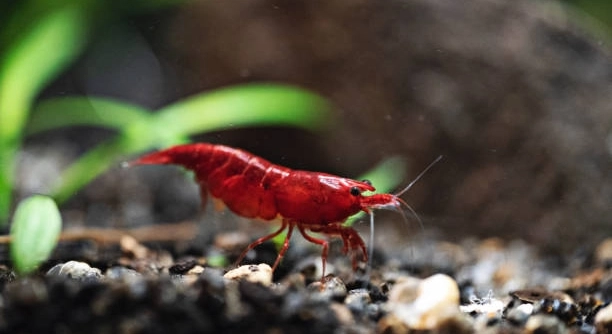
Shrimp are delicate creatures that thrive under proper care and attention. Observing them regularly can reveal a lot about their health. Small details in their behavior and appearance can indicate whether they are thriving in their environment.
Healthy shrimp display clear, vibrant coloring, active swimming patterns, and regular feeding behavior. Their exoskeleton remains intact and free of lesions, and they interact normally with tank mates. Consistent molting and responsive movement are also key indicators of well-being.
Noticing these visual cues early helps maintain a stable and healthy aquatic environment. Paying attention ensures your shrimp remain active, strong, and vibrant in their habitat.
Vibrant Coloring
Healthy shrimp exhibit bright and consistent colors, which indicate strong overall health. Their bodies should show no fading or patchiness, and their natural hues should remain vivid even under regular lighting. Color changes often signal stress, poor water quality, or nutritional deficiencies. Observing color daily helps detect issues early. Feeding a balanced diet that includes high-quality shrimp pellets, algae, and occasional vegetables supports their pigmentation. Maintaining stable water parameters, including pH, temperature, and ammonia levels, is essential for preserving vibrant coloring. Avoid sudden changes in light or tank decorations, as this can cause stress and dull their colors. Shrimp molting is another time when coloration may fluctuate, but they should quickly regain their usual appearance once the new exoskeleton hardens. Consistent observation allows you to notice subtle changes in shading that may require adjustments in diet or habitat conditions. Strong coloring is often paired with active behavior and proper feeding responses.
Color vibrancy is a direct reflection of a shrimp’s overall health and environmental stability.
Watching shrimp colors closely ensures any minor health concerns are addressed promptly. It also strengthens your ability to provide the optimal environment. Regular maintenance and careful feeding choices support both longevity and visual appeal in the tank. Maintaining proper lighting schedules, nutrient-rich foods, and stable water conditions encourages natural pigmentation. Subtle shifts in hue or brightness can be an early warning sign, so paying attention daily is important. Healthy shrimp often display their brightest colors during feeding or social interaction. Observing them at different times of the day provides a more complete picture of their color health. By combining careful monitoring with routine tank care, it becomes easier to maintain a thriving, visually striking shrimp population.
Active Swimming Patterns
Active shrimp move confidently across the tank, exploring surfaces and interacting with their environment. They should swim freely without signs of lethargy or uncoordinated movements.
Consistent movement demonstrates energy, good health, and proper water conditions.
Shrimp that swim actively are generally well-fed and comfortable in their environment. When water quality is stable, shrimp can engage in natural behaviors such as grazing on algae or scavenging for food. Reduced movement may indicate stress, illness, or poor water parameters, including inappropriate temperature, pH, or high ammonia levels. Observing swimming patterns daily helps identify these problems before they worsen. Active shrimp also molt properly and interact socially with tank mates. Proper tank setup, including hiding spots and gentle filtration, encourages movement and exploration. By providing a stable and enriching environment, shrimp can maintain natural swimming behaviors, which in turn supports growth, reproduction, and overall health. Regularly monitoring activity levels is one of the most straightforward ways to ensure your shrimp are thriving.
Regular Feeding Behavior
Shrimp that feed regularly show a clear sign of health. They actively search for food, nibble on algae, and respond quickly when food is added to the tank. Skipping meals or avoiding food can indicate stress or illness.
Observing shrimp during feeding reveals much about their condition. Healthy shrimp eagerly approach food and graze consistently, showing energy and proper digestive function. Feeding behavior can be influenced by tank conditions, including water quality, temperature, and the presence of more dominant shrimp. Providing a balanced diet with protein, plant matter, and specialized shrimp pellets ensures they get necessary nutrients. Irregular feeding or disinterest in food may signal problems that need addressing promptly. A consistent feeding routine also helps maintain a stable tank environment.
Shrimp that feed well typically display active movement, proper molting, and bright coloration. Monitoring feeding patterns allows you to detect early signs of stress or health issues. Ensuring a variety of food and consistent availability encourages natural foraging behavior, which supports both growth and vitality. Balanced nutrition prevents deficiencies that could impact color, exoskeleton strength, and overall energy. Observing feeding habits alongside other health indicators gives a complete picture of your shrimp’s well-being. Proper feeding management is essential for maintaining a thriving shrimp population.
Intact Exoskeleton
A healthy exoskeleton is firm, smooth, and free from cracks or lesions. Damage can indicate poor water quality, injury, or nutritional deficiencies. Proper molting is essential for maintaining this protective layer.
Maintaining water conditions within ideal ranges helps shrimp keep a strong exoskeleton. Ammonia, nitrite, and extreme pH shifts can weaken the shell and make shrimp more vulnerable to disease or injury. Providing calcium-rich foods or supplements supports proper shell development. Molting occurs regularly, and a smooth, hard exoskeleton after shedding indicates successful growth and overall health. Observing your shrimp’s shell closely helps identify subtle problems before they escalate.
Shrimp with intact exoskeletons move confidently and are better able to forage and interact with tank mates. Damage or discoloration may slow movement, reduce feeding efficiency, and increase susceptibility to infections. Regular observation combined with stable water parameters and appropriate diet ensures that shrimp maintain strong protective shells. Preventing stress and overcrowding in the tank also reduces the risk of exoskeleton damage. Monitoring molting patterns alongside shell condition gives insight into overall health, supporting long-term vitality and resilience in your shrimp population.
Consistent Molting
Regular molting is a sign of growth and good health. Shrimp should shed their exoskeletons at predictable intervals without difficulty or visible deformities.
Successful molting depends on stable water conditions and a balanced diet. Shrimp may experience stress or nutritional deficiencies if molting is irregular.
Clear Eyes
Healthy shrimp have clear, bright eyes. Cloudiness or discoloration can indicate stress, infection, or poor water quality. Monitoring eye clarity helps detect issues early.
Responsive Movement
Shrimp that react promptly to their surroundings demonstrate alertness and vitality. Slow or unresponsive shrimp may be stressed, ill, or experiencing water quality problems. Observing responsiveness is essential for assessing overall health.
Social Interaction
Shrimp interact with tank mates naturally, sharing space and resources without aggression. Lack of social behavior can indicate stress or illness and should be addressed promptly.
FAQ
How often should I feed my shrimp?
Shrimp benefit from small, consistent feedings rather than one large meal. Feeding once or twice daily is usually sufficient, depending on the number of shrimp and tank size. Overfeeding can pollute the water and stress the shrimp. Monitor how quickly food is consumed and remove leftovers promptly to maintain water quality. Including a variety of foods, such as high-quality shrimp pellets, algae, and occasional vegetables, ensures proper nutrition and supports growth, coloration, and overall vitality.
What are signs of stress in shrimp?
Shrimp under stress may hide excessively, show irregular swimming patterns, or refuse to eat. Changes in coloration, lethargy, or frequent loss of limbs can also indicate problems. Stress is often linked to poor water conditions, sudden temperature changes, overcrowding, or aggressive tank mates. Keeping the tank environment stable and providing hiding spots helps minimize stress. Regular monitoring of water parameters and observing shrimp behavior ensures stress is addressed before it affects health or molting cycles.
How can I tell if a shrimp is molting properly?
Proper molting involves shedding the old exoskeleton completely and developing a firm, intact new shell. Signs of successful molting include smooth, consistent coloring and active movement after shedding. Difficulty molting or incomplete exoskeleton removal may indicate calcium deficiency, poor water quality, or stress. Maintaining balanced water conditions and providing calcium-rich foods supports healthy molting cycles. Observing molting patterns over time can help identify potential issues before they become serious, ensuring your shrimp grow and maintain strong exoskeletons.
What should I do if I notice discolored shrimp?
Color changes in shrimp often indicate stress, illness, or nutritional deficiencies. Pale or faded colors can result from poor water conditions, insufficient food variety, or high stress levels. Adjusting water quality, stabilizing pH and temperature, and providing nutrient-rich foods can help restore natural coloring. Keep a close eye on behavior and feeding to identify any additional signs of health problems. Early intervention is important, as prolonged discoloration may affect growth, molting, and overall vitality.
Are shrimp social creatures?
Yes, shrimp interact naturally with their tank mates. They graze, explore, and share spaces without aggression in healthy communities. Observing shrimp clustering or interacting regularly indicates comfort and proper environmental conditions. Lack of interaction or unusual hiding can signal stress or illness, prompting adjustments in water quality, tank setup, or diet. Providing plants, decorations, and adequate space supports natural social behavior and encourages active, healthy shrimp.
How do I maintain water quality for shrimp?
Maintaining clean, stable water is essential for shrimp health. Regular testing of ammonia, nitrite, nitrate, and pH helps prevent issues. Perform routine water changes, avoid overfeeding, and ensure proper filtration. Stable temperature and gentle water flow reduce stress. Using water conditioners and cycling the tank before adding shrimp ensures a safe environment. Consistent monitoring allows you to identify problems early and maintain a thriving population. Proper maintenance supports feeding, molting, coloration, and social behavior.
Can shrimp recover from illness?
Shrimp can recover if issues are identified early and addressed promptly. Adjusting water quality, correcting diet deficiencies, and separating sick individuals when necessary improve recovery chances. Observing behavior, coloration, feeding patterns, and molting helps detect early signs. Preventive care, including maintaining proper tank conditions and avoiding overcrowding, reduces illness risks. Even small changes in environment or nutrition can significantly impact shrimp health. Quick action and consistent care often restore shrimp to full vitality.
Is it normal for shrimp to hide frequently?
Shrimp hide to feel safe, especially during molting or when stressed. Occasional hiding is normal, but constant retreat may indicate poor water quality, sudden temperature changes, or aggressive tank mates. Providing hiding spots with plants or decorations helps reduce stress. Regular observation of hiding patterns allows you to identify potential problems and make adjustments to support comfort, proper feeding, and social interaction.
How do I encourage natural behavior in shrimp?
Encouraging natural behavior involves creating a stable, enriched environment. Provide plants, rocks, and other decorations to allow exploration and grazing. Maintain consistent water parameters, feed a balanced diet, and avoid overcrowding. Observing daily activity, feeding, and social interactions ensures shrimp remain active and healthy. Supporting natural behavior improves growth, molting, coloration, and overall vitality.
Can shrimp live in community tanks?
Yes, shrimp can thrive in community tanks with compatible species. Avoid aggressive or larger fish that may harm shrimp. Provide hiding places to reduce stress and allow safe molting. Monitor interactions to ensure shrimp remain active and comfortable. Maintaining stable water conditions supports coexistence and long-term health. Community tanks can offer stimulation while preserving natural behaviors.
Final Thoughts
Keeping shrimp healthy requires attention to small but significant details. Observing their behavior, appearance, and interactions with the environment allows you to notice early signs of stress or illness. Regular monitoring of water parameters, including temperature, pH, ammonia, nitrite, and nitrate levels, is essential. Even slight fluctuations can affect shrimp health and molting cycles. Providing a stable, clean environment ensures that shrimp maintain bright coloration, active swimming patterns, and proper feeding habits. Paying attention to these basics creates a foundation for long-term well-being. It is important to act quickly when changes are observed, as shrimp can be sensitive to stressors that may seem minor but have significant effects on their overall health. Regular care and vigilance are key to supporting a thriving shrimp population.
Diet also plays a critical role in shrimp vitality. A balanced diet that includes high-quality shrimp pellets, algae, and occasional vegetables supports proper growth, molting, and coloration. Calcium and other minerals are particularly important for maintaining a strong exoskeleton and preventing molting issues. Avoid overfeeding, as leftover food can degrade water quality and introduce stress. Observing feeding patterns helps determine whether shrimp are receiving enough nutrients and whether water conditions are suitable. Consistency in feeding times and the type of food provided can encourage natural foraging behavior. Ensuring a nutrient-rich diet works hand in hand with stable water conditions to promote healthy shrimp that display vibrant colors, active behavior, and strong shells. A focus on diet and water quality together provides the best chance for shrimp to thrive over the long term.
Finally, understanding shrimp behavior and their environment is essential for maintaining a balanced tank. Healthy shrimp interact with their surroundings and other tank mates without aggression, exploring and grazing as they would naturally. Providing hiding spots, gentle filtration, and a spacious environment encourages these natural behaviors. Regular observation of movement, social interaction, and responsiveness allows you to detect subtle issues early. Changes in hiding habits, lethargy, or irregular molting can signal that adjustments are needed. Maintaining this balance helps shrimp stay active, comfortable, and resilient against stressors. Overall, attentive care, consistent feeding, proper water management, and a well-structured environment are the foundation of shrimp health. By focusing on these core aspects, it is possible to support a vibrant, thriving shrimp population that continues to grow and remain healthy in its habitat.

Hello,
If you enjoy the content that we create, please consider saying a "Thank You!" by leaving a tip.
Every little bit helps us continue crafting quality advice that supports the health, happiness, and well-being of pets around the world, for pets of all shapes, sizes, and species.
We really appreciate the kindness and support that you show us!