
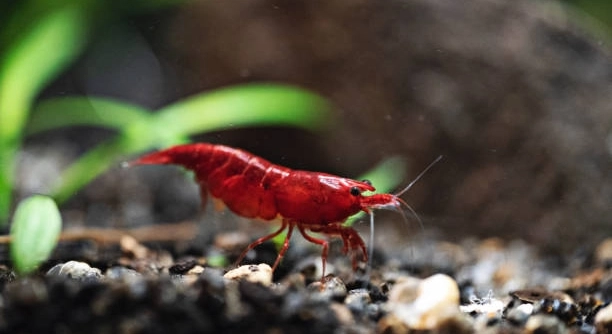
Shrimp are popular in many kitchens, loved for their delicate flavor and quick cooking time. Yet, even the most careful preparation cannot always prevent them from rejecting certain foods unexpectedly. Understanding these tendencies helps in planning meals more effectively.
Shrimp may reject foods due to factors such as strong flavors, chemical residues, or unsuitable textures. Certain vegetables, fruits, and processed items can cause avoidance. Awareness of these triggers ensures shrimp receive proper nutrition while minimizing stress and promoting healthy feeding behavior.
Knowing which foods shrimp might refuse can save time and prevent wasted ingredients. Paying attention to their preferences supports both enjoyment and optimal care.
Strong Flavors That Overpower Shrimp
Shrimp have sensitive taste receptors, so foods with strong, pungent flavors can easily turn them away. Garlic, onions, and heavily spiced dishes may seem tempting to us, but shrimp often avoid them. Even mild herbs can affect their willingness to eat. When preparing meals, it’s important to balance flavors carefully. Some shrimp may tolerate a hint of seasoning, while others may completely refuse food with even a small amount. Overly acidic ingredients, such as citrus or vinegar, can also disturb their appetite. Observing how your shrimp respond to different tastes can help you tailor their diet. It’s not just about avoiding strong flavors; texture and freshness also play a role in their feeding behavior. Fresh seafood or lightly cooked vegetables tend to be more acceptable. By adjusting both taste and texture, you can improve your shrimp’s overall eating habits. Paying attention to their responses will make feeding less stressful for both of you.
Strong flavors often cause shrimp to reject food quickly, even when prepared carefully and served fresh.
Finding the right balance in seasoning requires patience. Start with small amounts of mild herbs or lightly cooked vegetables to see how they react. Avoid heavily spiced or acidic ingredients at first. Gradually introduce new flavors while keeping meals simple. Observe for changes in appetite or avoidance behaviors. If shrimp refuse a certain food repeatedly, remove it from their diet. Consistency and careful monitoring help them develop reliable feeding habits. Over time, you’ll learn which flavors and textures they accept most readily. Preparing meals in a controlled way also reduces waste and ensures they receive proper nutrition. Adjusting cooking methods, such as steaming or lightly sautéing, can make a difference. Some shrimp prefer softer textures, while others respond better to firm bites. Taking note of these preferences ensures a more pleasant feeding experience. Maintaining simplicity in ingredients allows for easier observation of their reactions. Careful planning and observation ultimately support their health and daily nutrition.
Processed and Unfamiliar Foods
Processed foods often contain additives that shrimp instinctively avoid.
Many store-bought items, like pre-packaged meals or frozen mixes, have preservatives or flavor enhancers that interfere with natural feeding instincts. Shrimp are particularly sensitive to unfamiliar compounds, making these foods unappealing. Even small amounts can trigger refusal. Consistently offering fresh, natural foods encourages them to eat properly. Vegetables, algae, and live or frozen seafood tend to be more accepted, while anything heavily processed is often ignored. Some shrimp may nibble occasionally, but consistent feeding with processed foods can lead to nutritional imbalances. Observing what they naturally gravitate toward helps in planning better meals. Fresh ingredients also reduce the risk of contamination or digestive issues. By avoiding processed items, you ensure their diet remains safe, balanced, and predictable. Over time, shrimp become more responsive to foods that match their natural preferences, making mealtime smoother and healthier. Adjusting portion size and frequency further supports proper feeding. Consistency is key to maintaining their appetite and overall well-being.
Vegetables That Shrimp Often Avoid
Some vegetables have textures or flavors shrimp dislike. Lettuce, cabbage, and raw carrots are often left untouched. Hard or fibrous pieces can frustrate shrimp, making them less likely to eat. Soft, blanched vegetables tend to be more accepted and easier to digest.
Shrimp often reject certain vegetables because of their rough texture or strong taste. Raw cabbage can be too tough to handle, while fibrous carrots may be difficult to grasp and chew. Leafy greens like lettuce can wilt quickly and lose appeal. Cooking or lightly steaming vegetables softens them, making them more attractive. Even small adjustments, such as cutting into smaller pieces or removing stems, can improve acceptance. Observing which vegetables shrimp consistently avoid allows you to focus on those they actually consume. Consistency and attention to detail help maintain a balanced diet, ensuring shrimp stay healthy while minimizing waste in their feeding routine.
Offering a variety of vegetable textures can encourage better eating habits. Soft, blanched options or thinly sliced pieces are usually safer. Avoid fibrous, hard vegetables unless you know your shrimp will accept them. Experimenting gradually with small portions can reveal hidden preferences. Keeping vegetables fresh and free from excess moisture or chemicals further increases the likelihood of consumption. Observing responses and adjusting preparation methods ensures shrimp remain interested and receive proper nutrition without unnecessary frustration. Paying attention to individual preferences is crucial.
Fruits That May Discourage Shrimp
Shrimp are often hesitant around sweet or acidic fruits, such as apples, oranges, and pineapples. Sugary or tart flavors can overwhelm their taste buds, causing them to avoid these foods completely.
Fruits can be rejected due to strong sweetness or acidity. Citrus fruits, like lemons or limes, create a sharp flavor that shrimp instinctively avoid. Apples and pears may seem mild, but their firmness and sugar content can still discourage feeding. Even ripe fruits with softer flesh can be off-putting if their scent is too strong. Cutting fruits into tiny, manageable pieces or lightly steaming can improve acceptance, but not all shrimp respond. Observing reactions over several feedings is essential to determine which fruits, if any, are tolerated. Feeding fruits sparingly is recommended to prevent digestive upset and maintain a balanced diet. Familiarity and gradual introduction are key factors.
Some shrimp will nibble at softer fruits if prepared carefully, while others consistently avoid them. Offering small, manageable portions helps reduce waste and encourages gradual adaptation. Observing their natural responses allows you to adjust both type and preparation method. Balancing fruit intake with preferred foods ensures proper nutrition without stress. Preparing fruits in a controlled manner, like peeling or softening, increases the chance of acceptance. Patience and consistency are necessary, as each shrimp may react differently. Over time, careful experimentation can reveal limited fruit options that complement their regular diet. Recording preferences improves long-term feeding routines.
Grains and Starches
Shrimp often avoid grains like rice, pasta, or bread. These foods have textures that are difficult for them to grasp and digest. Even small amounts are frequently ignored, making grains an unreliable source of nutrition.
Processed starches, especially those with additives, can further discourage feeding. Shrimp prefer natural textures that are easier to handle.
Dairy Products
Shrimp are not equipped to process dairy efficiently. Milk, cheese, and yogurt are often rejected due to both flavor and consistency. Even small portions can lead to disinterest or avoidance. Feeding dairy is generally unnecessary and may disrupt their normal diet, so it’s best to skip these items entirely.
Citrus and Acidic Ingredients
Acidic foods, including lemons, limes, and vinegar, are usually avoided. The sharp, sour taste is unappealing to shrimp, affecting appetite and feeding consistency.
Processed Meats
Processed meats, such as deli slices or sausages, contain preservatives and spices that shrimp instinctively reject. Even finely chopped pieces can be ignored. Fresh seafood alternatives provide better nutrition and are far more likely to be accepted.
FAQ
Why do shrimp suddenly reject certain foods?
Shrimp can be sensitive to changes in flavor, texture, or freshness. Even a minor shift in preparation, seasoning, or ingredient quality may trigger avoidance. They rely on instinct to select what is safe and palatable, so unfamiliar foods or strong flavors can lead to sudden rejection. Observing patterns over several feedings helps identify which items they consistently avoid.
Can shrimp eat vegetables at all?
Yes, but they prefer soft, blanched, or finely chopped vegetables. Hard, fibrous, or raw vegetables like cabbage or carrots are often ignored. Lightly cooking or cutting vegetables into manageable pieces increases the likelihood that shrimp will accept them. Leafy greens that wilt slightly when prepared are generally better tolerated.
Are fruits safe for shrimp?
Fruits are not harmful but are often avoided. Sweet or acidic fruits, such as oranges, pineapples, or apples, can overwhelm their taste buds. Offering small, soft portions may encourage nibbling, but many shrimp will consistently ignore fruit. Limiting fruit to occasional treats prevents digestive issues while maintaining a balanced diet.
Do shrimp need grains or starches?
Grains and starches are generally unnecessary. Rice, pasta, and bread have textures that shrimp find difficult to consume. Processed starches can contain additives that reduce interest. Shrimp receive better nutrition from natural foods like algae, vegetables, and fresh seafood, which are easier to handle and digest.
Can shrimp eat dairy products?
Shrimp are not adapted to digest dairy. Milk, cheese, and yogurt are typically rejected due to flavor and consistency. Even small amounts are often ignored. Avoiding dairy ensures their diet remains natural and balanced without introducing ingredients that may disrupt feeding behavior.
How do strong flavors affect shrimp?
Strong flavors like garlic, onions, or heavily spiced foods often cause shrimp to avoid a meal. Their sensitive taste receptors detect pungent compounds that humans enjoy. Mild seasoning, careful preparation, and attention to texture help make foods more acceptable, ensuring proper nutrition without stress.
Why do processed foods fail with shrimp?
Processed foods often contain preservatives, flavor enhancers, or unfamiliar compounds. Shrimp instinctively avoid these items, even in small amounts. Fresh, natural ingredients encourage regular feeding. Consistency and observation of preferences help maintain a balanced diet and prevent stress caused by unappealing processed options.
Can shrimp learn to accept new foods?
Shrimp may gradually accept new foods if introduced slowly and consistently. Starting with small portions of mild, soft, or cooked items allows them to adjust. Observing their responses over several feedings helps determine tolerance. However, individual preferences vary, and some foods will always be rejected regardless of preparation.
Is it important to monitor feeding closely?
Yes. Careful observation of reactions to different foods ensures shrimp receive proper nutrition. Noting which textures, flavors, or preparation methods work helps reduce waste, prevent digestive issues, and maintain consistent feeding habits. Consistency in diet is key to their long-term health and well-being.
Should acidic or citrus ingredients ever be given?
Acidic foods like lemon, lime, or vinegar are usually avoided. They can disrupt appetite and feeding consistency. Small experiments with softened portions rarely change this. It’s safer to focus on preferred foods that match natural tastes and textures, supporting healthy, stress-free feeding habits.
How can I ensure my shrimp eat properly?
Offer fresh, natural foods in manageable pieces. Avoid strong flavors, processed items, and hard vegetables. Monitor feeding patterns and adjust portion size, preparation, and texture according to observed preferences. Gradual experimentation and consistent observation ensure shrimp receive balanced nutrition while minimizing stress.
Are there signs shrimp are rejecting food?
Yes. Ignoring food, swimming away from offered meals, or only nibbling small portions indicate rejection. Observing these behaviors regularly allows adjustments in food type, texture, or preparation. Early recognition of avoidance helps maintain proper nutrition and prevents wasted ingredients.
What foods are safest for shrimp?
Soft vegetables, algae, and fresh seafood are the most accepted. Lightly cooked or finely chopped options improve accessibility. Avoid strong-flavored, processed, or acidic foods. Consistency in offering safe foods supports healthy eating habits and reduces frustration during feeding times.
Can food rejection harm shrimp?
Occasional rejection is usually harmless if alternative accepted foods are provided. Persistent refusal of key foods may affect nutrition, so it’s important to observe feeding patterns and ensure they receive sufficient intake from preferred sources. Adjusting diet gradually supports their health.
How often should I offer new foods?
Introduce new foods sparingly and in small portions. Observe responses over several feedings before increasing quantity. Gradual introduction allows shrimp to adapt while minimizing waste and stress. Maintaining consistency with accepted foods ensures stable nutrition.
Shrimp can be surprisingly selective eaters, and understanding their preferences is essential for maintaining their health. Many factors influence whether they accept or reject certain foods, including flavor, texture, freshness, and preparation methods. Strong-flavored ingredients, processed foods, or items with unusual textures are often avoided. Even vegetables and fruits, which may seem safe to us, can be rejected if they are too hard, fibrous, or acidic. Paying close attention to how shrimp respond to different foods helps identify what works best. Observing their behavior during feeding times allows you to notice patterns, such as consistent rejection of certain vegetables or avoidance of sweet or citrus fruits. By keeping track of these tendencies, it becomes easier to plan meals that are both safe and appealing, reducing wasted food and stress for the shrimp.
Providing a balanced and natural diet is key to ensuring shrimp thrive. Foods that closely match their natural preferences, like soft vegetables, algae, and fresh or frozen seafood, tend to be well accepted. Preparing these foods in ways that are easy to handle, such as lightly steaming vegetables or cutting them into small pieces, can make a noticeable difference in consumption. Avoiding processed items, dairy, strong spices, or acidic ingredients helps maintain consistency and encourages regular feeding. Gradually introducing new foods in small portions allows shrimp to adjust without overwhelming them. Paying attention to individual preferences is also important, as not all shrimp respond the same way to certain textures or flavors. Maintaining a consistent feeding routine supports both physical health and appetite stability, ensuring shrimp remain active and nourished.
Careful observation and patient experimentation are central to feeding shrimp successfully. It is natural for them to reject certain foods without warning, but by recognizing their preferences and avoiding unsuitable items, feeding can become more predictable and manageable. Small adjustments in preparation, portion size, and texture can improve acceptance significantly. Monitoring responses over time allows for a diet that meets their nutritional needs while minimizing stress and waste. Focusing on fresh, simple, and manageable foods not only supports health but also promotes more enjoyable and effective feeding times. By respecting their natural instincts and tailoring their diet accordingly, shrimp can maintain strong health and exhibit consistent feeding behaviors. Ultimately, understanding what shrimp reject and why provides the foundation for a balanced, safe, and effective approach to their care.

Hello,
If you enjoy the content that we create, please consider saying a "Thank You!" by leaving a tip.
Every little bit helps us continue crafting quality advice that supports the health, happiness, and well-being of pets around the world, for pets of all shapes, sizes, and species.
We really appreciate the kindness and support that you show us!