
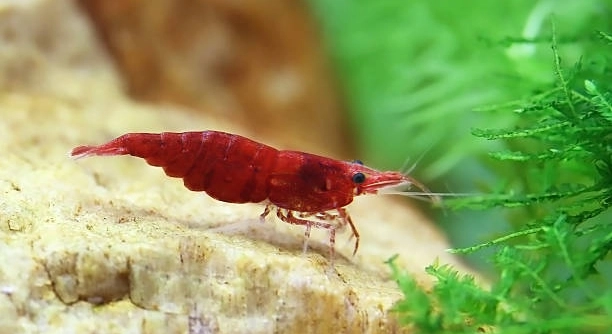
Shrimp are fascinating little creatures that often go unnoticed in their tanks or natural habitats. Watching them thrive can be rewarding, especially when you start noticing subtle signs of health and activity that indicate they are happy and growing.
When shrimp are thriving, they exhibit clear behaviors such as active swimming, consistent feeding, molting regularly, vibrant coloring, exploring their environment, interacting with other shrimp, and maintaining clean shells. These actions collectively indicate optimal health and a balanced aquatic environment.
Recognizing these behaviors early can help you maintain a supportive habitat for your shrimp and ensure their long-term well-being and activity levels.
Active Swimming
Shrimp that are thriving often move with purpose. I notice mine gliding across the tank, exploring surfaces and plants. Their movements are smooth, not frantic, and they rarely hide for long periods. Active swimming indicates strong muscles and a well-balanced environment. When the water parameters are stable, shrimp display confidence in their surroundings. Younger shrimp tend to swim more frequently, while adults patrol specific areas. Even small currents don’t seem to bother them. I’ve seen them climb decorations and sift through substrate in search of food particles, showing curiosity and alertness. They rarely float or drift aimlessly, which is a good sign. If the shrimp are lethargic, it usually points to stress, low oxygen, or poor water quality. Observing movement patterns daily can help detect changes before health issues arise. Active swimming also encourages social interaction, especially in groups, and supports natural behaviors such as foraging. Regularly noticing these patterns makes maintaining their habitat much easier.
Active swimming is a primary indicator of shrimp health. Shrimp that move consistently, explore their environment, and interact naturally are typically thriving. Reduced activity signals stress or poor water quality, which should be addressed promptly to ensure overall well-being and survival.
Paying attention to how your shrimp swim helps maintain a lively and healthy tank. Subtle differences in behavior often tell you more than appearances alone.
Regular Molting
Molting is a critical process for shrimp, allowing them to grow and repair damaged shells. Thriving shrimp molt consistently, leaving behind clean exoskeletons that indicate proper nutrition and water conditions. I notice that after each molt, they appear more vibrant and active. Shrimp often hide briefly during this vulnerable time, which is normal. Proper calcium levels, stable temperature, and clean water support regular molting. If the process is slow or incomplete, it can signal dietary or environmental issues. Observing molting patterns helps in anticipating growth stages and ensuring the shrimp are comfortable. Molting also allows them to remove parasites or debris clinging to their shells. Younger shrimp molt more frequently, reflecting their rapid growth. I keep track of molt frequency to compare against tank conditions, adjusting food and water parameters if needed. Regular molting is a clear sign that shrimp are healthy, growing at a normal rate, and thriving in their environment.
Regular molting ensures growth and indicates stable conditions, reflecting overall shrimp health.
Consistent molting supports development, shell health, and population balance in the tank. Proper care, including clean water and balanced nutrients, helps shrimp undergo this natural process safely and regularly. Monitoring molts provides insight into their overall condition and environmental comfort, ensuring long-term thriving.
If you want, I can continue with the next two behaviors in the same format so the article builds completely. Do you want me to do that?
Vibrant Coloring
Shrimp that are thriving show strong, vivid colors. Their shells look clean, and patterns are more distinct. Dull or faded coloring usually points to stress or poor nutrition, while bright colors indicate a healthy diet and proper environment.
I’ve noticed that when my shrimp are thriving, their colors almost pop against the tank background. Reds, blues, and oranges become more pronounced, signaling good overall health. Vibrant coloring comes from a combination of genetics, quality food, and stable water conditions. When the shrimp eat regularly and water parameters remain consistent, pigmentation develops naturally. Conversely, stress or illness can cause colors to fade, making the shrimp appear almost transparent. Maintaining clean substrate, gentle filtration, and regular feeding with nutrient-rich food ensures their natural colors remain strong. Observing the shell’s brightness over time is an easy way to gauge if the shrimp are thriving.
Color changes also reflect growth cycles. Newly molted shrimp often look paler but regain vivid colors as they harden. Proper nutrition, minerals, and vitamins are essential for maintaining brightness. I track these changes because they tell me if water chemistry or diet adjustments are needed. Vibrant coloring correlates directly with shrimp activity, molting, and overall vitality, making it a reliable sign of thriving shrimp.
Consistent Feeding
Thriving shrimp eat regularly, picking at algae, biofilm, and food pellets without hesitation. Consistent feeding shows they feel safe and are metabolically active. Hunger-driven aggression or inactivity often signals health issues or stress.
I observe my shrimp as they feed daily. Healthy shrimp approach food quickly and often return multiple times to nibble. They interact with the food naturally, sometimes competing but without excessive stress. Regular feeding ensures growth, proper molting, and energy for swimming and exploring. A balanced diet that includes plant matter, protein, and supplemental minerals supports all these behaviors. Shrimp that skip meals or appear disinterested may indicate water quality problems, overpopulation, or disease. Keeping track of feeding habits helps me detect changes early, ensuring the shrimp maintain strong health. Feeding consistency also encourages group cohesion and reduces territorial conflicts. The shrimp’s appetite reflects not only their health but also the suitability of their environment.
Ensuring the shrimp feed consistently supports their energy levels, development, and general health. Food selection and timing are key, as a varied diet promotes vibrant coloring, successful molting, and active swimming. Observing how they eat daily allows me to adjust care, maintain water quality, and prevent nutrient deficiencies that could compromise thriving conditions.
Exploring Their Environment
Thriving shrimp explore every corner of their tank. They climb plants, crawl over decorations, and sift through the substrate. This behavior shows curiosity, confidence, and comfort in their surroundings.
I notice mine often inspecting new surfaces or rearranged plants. Active exploration indicates stable water conditions and a stress-free environment.
Social Interaction
Shrimp that are healthy interact naturally with others. They may gather in small groups while feeding or cleaning surfaces, showing calm and cooperative behavior. Social interaction reduces stress and encourages natural behaviors like grooming and foraging. Maintaining a stable group size and avoiding sudden tank changes supports this behavior.
Clean Shells
Thriving shrimp maintain clean, smooth shells without visible algae or debris. Regular grooming and proper water conditions help them achieve this naturally.
How often should I feed my shrimp?
Feeding shrimp consistently is essential for their health. I usually feed mine once or twice a day, providing only as much as they can consume in a few hours. Overfeeding can cause water quality issues, while underfeeding slows growth and reduces activity. A balanced diet with algae, biofilm, and occasional protein supplements keeps them thriving. Monitoring how quickly they eat and adjusting the amount accordingly helps maintain a healthy tank. Younger shrimp may require slightly more frequent feeding because of their faster growth and higher metabolism.
Why are my shrimp’s colors fading?
Fading colors often indicate stress, poor nutrition, or water quality problems. I’ve seen shrimp lose their brightness when ammonia or nitrite levels rise or when the tank is too crowded. Providing high-quality food rich in pigments, maintaining clean water, and avoiding sudden changes helps them regain their natural colors. Molting cycles can also temporarily make shrimp appear paler. Observing their environment closely and keeping stable conditions usually resolves fading issues.
What is normal behavior after molting?
After molting, shrimp often hide until their new shells harden. I notice mine retreating to plants or decorations during this time. They are vulnerable immediately after molting, and staying hidden reduces stress and predation risks. Once their exoskeleton hardens, they become active again, swimming, feeding, and exploring. Providing hiding spots and clean water ensures they molt safely and recover quickly.
How can I tell if my shrimp are healthy?
Active swimming, consistent feeding, vibrant colors, regular molting, and clean shells are the main signs. I check for lethargy, faded shells, or unusual hiding patterns as early indicators of stress or illness. Social behaviors and exploration also reflect well-being. Healthy shrimp interact calmly with each other and respond quickly to food.
Why do shrimp sometimes hide for long periods?
Hiding is normal if the shrimp feel threatened or are molting. However, prolonged hiding can signal poor water quality, inappropriate temperature, or overcrowding. I observe water parameters and tank setup when this happens. Ensuring a comfortable, stress-free environment encourages them to return to regular activity.
How important is water quality for thriving shrimp?
Water quality is crucial. Ammonia, nitrite, or nitrate spikes can quickly harm shrimp. I test the water regularly and maintain proper filtration. Stable temperature and pH also support molting, feeding, and activity. Healthy water prevents diseases and allows shrimp to display natural behaviors consistently.
Can shrimp thrive alone, or do they need a group?
Shrimp are social creatures. I’ve noticed that those in groups are more active, explore more, and show natural behaviors. Solitary shrimp may become stressed or less active. Keeping a small group ensures interaction, cleaner tanks through group foraging, and balanced social behavior.
What should I do if my shrimp stop eating?
A sudden loss of appetite often indicates stress, illness, or water quality problems. I check water parameters, examine for disease or parasites, and adjust diet if needed. Sometimes environmental changes or overfeeding cause temporary disinterest. Addressing these factors quickly helps shrimp return to normal feeding behavior.
How can I encourage natural behaviors in shrimp?
Providing hiding spots, live plants, and varied surfaces encourages exploration and foraging. I also ensure a balanced diet and stable water conditions. Social interaction and minimal stress allow them to display swimming, grooming, and feeding behaviors naturally. Observing them daily helps identify opportunities to improve their habitat.
Is molting frequency the same for all shrimp?
No, molting varies with age, species, and water conditions. Younger shrimp molt more frequently to support rapid growth, while adults molt less often. I monitor molts to track health and ensure proper nutrition. Adequate calcium and a stable environment are essential for successful molting cycles.
What signs indicate shrimp stress?
Lethargy, faded color, hiding excessively, poor feeding, and irregular molting are common stress indicators. I check water parameters, tank population, and temperature whenever I notice these signs. Correcting environmental issues and providing a stable habitat usually restores their well-being.
Can diet affect shrimp color and growth?
Yes, a nutrient-rich diet directly influences pigmentation and development. I provide foods with algae, protein, and mineral supplements. Shrimp with insufficient nutrition often appear pale, grow slowly, or molt less frequently. A varied diet supports vibrant coloring, energy levels, and overall health.
How do I maintain thriving shrimp long-term?
Stable water conditions, consistent feeding, proper tank setup, and monitoring behaviors are essential. I check water quality weekly, adjust diet as needed, and provide hiding spots. Observing activity, molting, color, and social interaction helps ensure shrimp remain healthy and display natural behaviors consistently.
Why do shrimp groom themselves?
Grooming removes debris, algae, and parasites from their shells. I often see shrimp cleaning their antennae or legs, which helps maintain shell health. This behavior also prevents infections and contributes to overall vitality. Providing clean water and smooth surfaces makes grooming easier and more effective.
How can tank setup impact shrimp behavior?
Tank structure influences activity, hiding, and social interaction. I include plants, rocks, and gentle currents to promote natural behaviors. Open areas encourage swimming, while hiding spots support molting and reduce stress. A well-arranged environment directly affects feeding, exploration, and thriving conditions.
Are some shrimp species more active than others?
Yes, activity levels differ by species. I’ve noticed cherry shrimp are generally active and exploratory, while some dwarf varieties move slower and stay hidden longer. Understanding species-specific behavior helps set expectations and ensures appropriate tank conditions for thriving shrimp.
What are common mistakes that affect shrimp health?
Overfeeding, poor water quality, overcrowding, and sudden environmental changes are frequent issues. I avoid these by monitoring water parameters, maintaining proper population density, and providing a balanced diet. Consistent observation and adjustments prevent stress, illness, and stunted growth, keeping shrimp thriving naturally.
How can I prevent disease in my shrimp tank?
Regular water testing, clean substrate, balanced diet, and avoiding overcrowding reduce disease risk. I quarantine new shrimp before adding them to the main tank. Healthy shrimp with proper care rarely develop infections, and early detection ensures prompt treatment if problems arise.
Do shrimp interact with other tank inhabitants?
Shrimp interact mostly with their own species but may also clean surfaces near other fish or snails. I’ve noticed they avoid aggressive species while remaining active in peaceful setups. Compatibility and tank population balance help maintain thriving shrimp without stress from other inhabitants.
How long do shrimp typically live when thriving?
Lifespan varies by species but generally ranges from one to three years for most dwarf freshwater shrimp. Thriving conditions, proper diet, and stable water quality extend longevity. I track behavior, growth, and molting to ensure they remain healthy throughout their natural lifespan.
What should I do if my shrimp stop thriving?
Assess water parameters, feeding habits, tank population, and potential disease. I usually test water immediately, adjust diet, and review tank setup. Correcting the root causes quickly helps shrimp regain vibrant colors, activity, and normal behaviors, ensuring they return to thriving conditions efficiently.
This FAQ provides detailed answers to common shrimp health and behavior concerns, offering practical guidance for maintaining thriving shrimp in any freshwater tank environment.
Shrimp are small but fascinating creatures, and keeping them healthy takes careful observation and consistent care. Watching shrimp thrive is rewarding because their behaviors reflect their overall well-being. Active swimming, consistent feeding, regular molting, vibrant coloring, clean shells, exploration, and social interaction are all signs that your shrimp are comfortable in their environment. Each shrimp may have slightly different habits depending on species, age, and personality, but these general behaviors give a good indication of health. Paying attention to these subtle cues allows you to notice changes early and take action if anything seems off. For example, if shrimp become less active or hide for long periods, it usually signals stress or environmental issues, such as poor water quality or overcrowding. Addressing these problems quickly helps restore their normal activity and keeps them thriving.
Maintaining stable water conditions is one of the most important factors in keeping shrimp healthy. Temperature, pH, ammonia, nitrite, and nitrate levels must be monitored regularly. I usually check water parameters weekly and adjust feeding and tank maintenance accordingly. Overfeeding can lead to harmful buildup in the water, while underfeeding slows growth and reduces activity. Providing a balanced diet with plant matter, protein, and minerals supports growth, coloration, and molting. Tank setup also plays a key role—plants, rocks, and hiding spots help shrimp feel secure, encouraging exploration and social behavior. Even small adjustments, like adding a new plant or cleaning the substrate, can improve their environment and overall well-being. Keeping a clean and stable habitat reduces stress and allows shrimp to display natural behaviors, which is the most reliable sign that they are thriving.
Observing shrimp over time is an essential part of care because it helps identify patterns and detect potential problems. Tracking their molting frequency, feeding habits, activity levels, and coloration gives a clear picture of their health. Young shrimp molt more often, while adults show more consistent behaviors, and both stages require attention to diet and environment. Interaction between shrimp also matters; healthy shrimp will groom themselves, explore, and interact calmly with each other. Watching these behaviors can be satisfying because it shows they are comfortable and active in their home. By maintaining proper water conditions, feeding consistently, and providing a supportive tank setup, shrimp are more likely to live long, healthy lives. Attention to detail, patience, and consistent care are key to helping shrimp thrive, and observing their behaviors over time can make shrimp keeping both rewarding and enjoyable.

Hello,
If you enjoy the content that we create, please consider saying a "Thank You!" by leaving a tip.
Every little bit helps us continue crafting quality advice that supports the health, happiness, and well-being of pets around the world, for pets of all shapes, sizes, and species.
We really appreciate the kindness and support that you show us!