
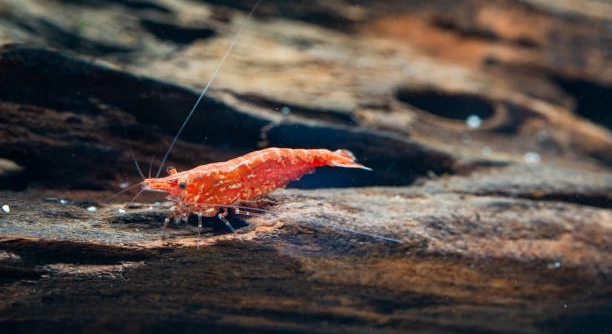
Have you ever noticed tiny details in your aquarium shrimp but weren’t sure what they meant? Observing male and female shrimp can be subtle yet fascinating, revealing differences that are important for breeding and care.
Male and female shrimp display several distinct physical and behavioral differences. Males are generally smaller with slimmer bodies and longer antennae, while females have rounder abdomens and develop a saddle when carrying eggs. These differences aid in identification and reproductive management.
Recognizing these subtle traits helps improve care and breeding success, ensuring a healthier and more vibrant shrimp population in your aquarium.
Physical Size and Body Shape
Male shrimp are typically smaller and slimmer, while females tend to have rounder, more robust bodies. Observing shrimp in your tank over time can reveal these differences, especially as females develop a visible saddle behind their head when carrying eggs. The size difference is subtle but consistent. In contrast, males often move more actively around the tank, exploring their environment. Body shape affects swimming patterns and social interactions, making it easier to distinguish genders when they are close together. Noticing the slight curve of a female’s abdomen compared to the straighter male form can provide a clear indication of sex. These traits are most noticeable in adult shrimp, though juveniles may show early signs. Even subtle differences in size and shape can impact feeding behavior and positioning in the tank, influencing overall tank dynamics. Paying attention to these traits allows you to predict reproductive readiness and understand interactions between males and females.
The size and shape differences help identify genders quickly and guide care, feeding, and breeding decisions effectively in any tank.
Observing body proportions over time reveals patterns that become more apparent with age. Females develop a broader midsection to support egg development, while males retain a narrow, streamlined form suitable for active swimming. When paired, males often chase females briefly, adding movement contrast. These differences also influence how shrimp share hiding spaces and compete for food. Noticing these traits helps maintain balanced populations and ensures both males and females thrive in the same tank environment.
Antennae Length and Sensory Behavior
Male shrimp generally have longer antennae compared to females, aiding in sensing their surroundings and detecting mates.
Antennae length directly affects behavior. Longer male antennae improve environmental awareness, helping males locate females efficiently. Females, with shorter antennae, focus more on feeding and egg care. Observing antennae movement can indicate activity levels, stress, or reproductive readiness, providing insight into tank dynamics. Antennae also play a role in social interactions, where males use them to assess competitors or communicate subtly. Noticing these differences ensures accurate gender identification, which is crucial when planning breeding setups or introducing new shrimp to a tank. The contrast in antennae length is often subtle but becomes clearer when males and females are together. Monitoring this can improve tank management and support a healthier, balanced shrimp population.
Coloration Differences
Males often display slightly brighter or more uniform coloration, while females may have muted tones, especially when carrying eggs. These subtle variations can help distinguish sexes at a glance without close inspection.
Color intensity in males is often linked to mating behavior. Brighter males attract females and signal health, while females focus on camouflage to protect eggs. In many species, females develop a soft, translucent area on the abdomen called the saddle, which may slightly alter their color. Seasonal changes, diet, and water quality also influence shrimp coloration, but the overall trend of males appearing more vivid remains noticeable. Observing these subtle shifts over time improves identification accuracy and helps in pairing shrimp correctly for breeding purposes.
Females’ colors may shift depending on reproductive stage. When carrying eggs, their abdomens appear slightly opaque or darker, highlighting the eggs. This visual cue aids in monitoring reproductive progress and ensuring that females receive proper nutrition and minimal stress during egg development.
Swimming Patterns and Activity Levels
Males are usually more active, moving around frequently and exploring their environment in short bursts. Females tend to swim slower and stay near hiding spots.
Male shrimp activity supports mate-finding and territory exploration, while females conserve energy for egg production. The difference in movement is subtle but consistent, making observation over several hours useful. Males may engage in short chases of females, while females primarily focus on feeding and maintaining shelter. Environmental factors such as temperature, light, and food availability also affect activity, but males generally remain more mobile under normal conditions. Recognizing these patterns allows for better tank management, ensuring both genders can coexist without stress. Monitoring activity helps identify potential health issues early and maintain a stable, balanced shrimp population.
Abdomen Shape
Females have a broader, rounder abdomen, while males’ abdomens remain narrow and straight. This shape difference supports egg carrying in females and affects swimming style.
The curve in a female’s abdomen becomes more pronounced as she matures. Males maintain a sleek form, which allows for faster, more agile movement around the tank.
Egg Carrying and Reproductive Features
Female shrimp develop a visible saddle behind their head, containing eggs before they are fertilized. Once fertilized, the eggs are carried under the abdomen in small clusters. This feature is absent in males. The presence of eggs or the saddle is a reliable indicator of female shrimp. Observing this feature regularly helps track reproductive cycles, predict hatching times, and manage breeding setups effectively. Environmental conditions, including water temperature and diet, influence egg development and visibility. Paying attention to these reproductive markers ensures that females are healthy and that eggs are protected, allowing for a stable and thriving shrimp population in the tank.
Tail Fan Structure
Males have narrower tail fans, while females’ tail fans are wider to accommodate egg carrying and movement during reproduction.
FAQ
How can I quickly tell male and female shrimp apart?
Males are generally smaller, slimmer, and more active. Females have rounder abdomens, a visible saddle when carrying eggs, and slightly wider tail fans. Observing size, body shape, and antennae length over time is the most reliable method for quick identification.
Do all female shrimp develop a visible saddle?
Most mature females display a saddle behind the head before carrying eggs. The saddle can vary in visibility depending on species, diet, and water conditions. It typically becomes more prominent as the female reaches reproductive maturity and prepares for egg laying.
Why are male shrimp more active than females?
Males move frequently to locate mates and explore their environment. Their slimmer bodies and longer antennae allow faster movement and better sensory perception. Females conserve energy for reproduction, focusing on feeding, hiding, and protecting eggs.
Can coloration help identify genders?
Yes, males often appear slightly brighter or more uniform in color, while females may have muted tones. When carrying eggs, females’ abdomens may appear opaque or darker. Color differences are subtle but become clearer when observing shrimp in pairs.
Do females need special care when carrying eggs?
Females carrying eggs require stable water conditions, adequate nutrition, and minimal stress. Providing hiding spots ensures safety and reduces risk of egg loss. Regular monitoring supports successful hatching and healthy offspring.
Are antennae differences noticeable in all species?
In most species, males have longer antennae, which help detect females and sense their surroundings. Females have shorter antennae, focusing more on feeding and egg care. Observing antennae movement can reveal activity levels and stress signs in the tank.
How does tail fan size affect shrimp behavior?
Females’ wider tail fans accommodate egg carrying and allow controlled movement during reproduction. Males’ narrower tail fans support faster swimming and exploration. Differences in tail structure also influence positioning in the tank and social interactions between genders.
At what age can shrimp genders be distinguished?
Physical differences are most noticeable in adult shrimp. Juveniles may show early signs, like subtle body shape differences or slight variations in antennae length, but accurate gender identification becomes reliable after maturity.
Can male and female shrimp coexist peacefully?
Yes, males and females generally coexist well if tank conditions are stable and food is sufficient. Males may chase females briefly during mating, but this is natural behavior and rarely harmful when space and hiding areas are available.
How often should I monitor my shrimp for reproductive signs?
Checking the tank several times a week helps track saddle development, egg carrying, and general health. Frequent observation ensures females receive proper care and allows timely adjustments to water conditions or feeding routines.
Do environmental factors affect gender identification?
Yes, water quality, diet, and lighting can influence color intensity, behavior, and saddle visibility. Maintaining stable conditions enhances the ability to distinguish males from females and supports overall health and breeding success.
Is it necessary to separate males and females for breeding?
Separation is not required for natural breeding, but monitoring pairs can help manage population control and ensure successful reproduction. Providing adequate hiding spots and a stress-free environment is more important than strict separation.
Can stress affect female shrimp carrying eggs?
High stress can cause females to drop eggs or reduce reproductive activity. Minimizing handling, maintaining stable water parameters, and providing shelter are essential to protect both the female and developing eggs.
How do I know when eggs will hatch?
Eggs usually develop for two to four weeks, depending on species and temperature. Females carry eggs under the abdomen until they are ready to hatch. Observing color changes and size growth in the eggs helps predict hatching time.
Are there any signs of unhealthy shrimp in males or females?
Inactive males, faded colors, or abnormal antennae movement can indicate stress or illness. In females, unusual saddle appearance, dropped eggs, or lack of activity signals a problem. Early detection and stable tank conditions prevent long-term issues and support healthy shrimp populations.
What feeding differences exist between males and females?
Females require nutrient-rich diets when carrying eggs to support development. Males focus on general feeding to maintain energy for movement. Providing balanced food benefits both genders and promotes reproductive success and overall health.
Do males compete for females?
Yes, males may display brief chases or antennae interactions to locate receptive females. This is natural and rarely harmful if space and hiding spots are available. Observing these interactions helps understand social dynamics in the tank.
How do I manage a tank with multiple breeding females?
Provide ample hiding areas and monitor water quality closely. Multiple females can carry eggs simultaneously, so maintaining stable conditions ensures egg survival and reduces stress or competition in the tank.
Can I use visual guides to identify shrimp gender?
Yes, photographs or diagrams highlighting body shape, saddle presence, and tail fan differences are helpful. Comparing live shrimp to guides over time improves identification skills and supports proper breeding management.
Are male shrimp more prone to stress than females?
Males’ higher activity levels make them more sensitive to sudden changes in water parameters or overcrowding. Maintaining stable conditions and avoiding sudden disturbances helps keep both males and females healthy.
How important is observing shrimp behavior for gender identification?
Behavior complements physical traits in identifying genders. Males’ active swimming, chasing, and antennae use contrast with females’ slower, protective, and feeding-focused behavior. Combined observation improves accuracy in distinguishing sexes and managing a thriving tank.
Understanding the subtle differences between male and female shrimp can make a big difference in maintaining a healthy aquarium. Observing body shape, size, and antennae length provides clear indicators of gender, even for those new to keeping shrimp. Females generally have rounder abdomens to carry eggs, while males remain slimmer and more active. These physical distinctions are not just cosmetic—they influence how shrimp interact, feed, and reproduce. Paying attention to these traits allows for better planning when it comes to breeding and managing tank populations. Over time, the differences become easier to notice, especially when comparing multiple shrimp together. Being able to identify males and females accurately ensures that females receive proper care during egg development, and males are provided with enough space to explore and interact without creating stress for others in the tank.
Coloration, tail fan structure, and swimming patterns also provide important cues. Males often appear slightly brighter and swim more actively, while females conserve energy, especially when carrying eggs. The tail fan of females is wider to help manage eggs, whereas males have narrower tails suited for faster movement. Observing these subtle details is practical and helps maintain balance in the tank. For example, knowing which shrimp are carrying eggs allows for better feeding and ensures that the eggs are not disturbed by more active males. Understanding behavioral patterns alongside physical differences also gives insight into social dynamics, which is useful when housing multiple shrimp together. A calm, stable environment benefits both genders, helping shrimp thrive naturally. Recognizing these distinctions early prevents misidentification and supports healthier interactions within the tank.
Regular observation and consistent care are key to long-term success. Keeping track of reproductive stages, activity levels, and minor color changes ensures that each shrimp receives appropriate conditions and nutrition. Monitoring these factors also helps identify potential health issues before they become serious. Simple actions, like providing hiding spots, maintaining clean water, and offering balanced food, have a significant impact on both male and female shrimp. Understanding and responding to these subtle differences not only enhances the overall appearance of your tank but also promotes successful breeding and the well-being of every shrimp. Paying attention to these small, consistent details can make caring for shrimp more satisfying and predictable, creating a balanced, lively, and thriving aquarium environment for both genders.

Hello,
If you enjoy the content that we create, please consider saying a "Thank You!" by leaving a tip.
Every little bit helps us continue crafting quality advice that supports the health, happiness, and well-being of pets around the world, for pets of all shapes, sizes, and species.
We really appreciate the kindness and support that you show us!