
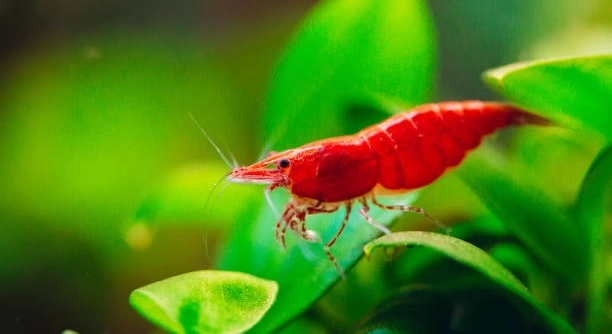
Cherry shrimp are small, vibrant creatures that often catch attention in aquariums. Their bright red color and lively movements make them a favorite among hobbyists. Observing their behavior can reveal patterns that are both fascinating and informative.
Cherry shrimp frequently stay near the top of glass due to oxygen levels and feeding habits. Surface areas provide higher oxygen concentration, essential for respiration. Additionally, leftover food and biofilm accumulate on glass surfaces, attracting shrimp for grazing and energy intake.
Understanding why they favor these areas helps improve tank care and shrimp health. Observing their preferences can guide better maintenance practices.
Understanding Their Habitat Preferences
Cherry shrimp naturally seek areas with stable conditions and easy access to resources. In aquariums, the top of glass often provides higher oxygen levels, which is critical for their survival. These small creatures are sensitive to water quality changes, including pH, temperature, and oxygen concentration. Surface biofilm and tiny food particles accumulate on glass, making it an attractive grazing area. Shrimp can feed continuously without expending much energy searching for sustenance. Additionally, glass surfaces offer visibility and a vantage point to monitor surroundings. Light from the tank can also stimulate algae growth on glass, further increasing the appeal. Many hobbyists notice shrimp congregating in these areas after water changes or when feeding. This behavior reflects their instinctive drive to maximize oxygen intake and food availability. Understanding these preferences helps create an environment that supports health, reduces stress, and encourages natural behavior patterns in the aquarium.
Surface grazing helps maintain both shrimp health and tank cleanliness, benefiting the overall aquarium ecosystem.
Cherry shrimp are also social feeders. They often move together along surfaces, exploring nooks and edges. Watching them interact reveals hierarchy, movement patterns, and feeding habits. Positioning plants and hiding spots near glass can encourage natural behaviors while preventing excessive exposure to light.
Water Quality and Oxygen Levels
Oxygen distribution varies throughout an aquarium. Shrimp tend to favor areas where water flow and oxygen concentration are higher.
Maintaining optimal oxygen levels is essential for cherry shrimp health. Low oxygen can lead to stress, reduced feeding, and vulnerability to disease. Surface areas naturally have more contact with air, allowing shrimp to access this vital resource. Small bubbles or gentle water movement at the top can create pockets of higher oxygen that shrimp consistently use. Water temperature and aeration directly influence oxygen content, so monitoring these factors is crucial. Observing shrimp behavior can indicate whether adjustments are needed. Concentrating feeding near glass may reduce waste and improve water conditions, indirectly supporting oxygen levels. Creating vertical structures or decorations can balance movement and allow shrimp to choose areas that meet their respiratory and nutritional needs. Consistently maintaining clean, oxygen-rich water ensures shrimp stay active, healthy, and vibrant, reflecting a well-managed aquarium environment.
Feeding Habits
Cherry shrimp often feed on algae and biofilm that grow on the top of glass. This behavior ensures they get a steady supply of nutrients without competing with others in the tank. Their constant grazing keeps them active and healthy.
Shrimp are opportunistic feeders, consuming microscopic organisms, plant detritus, and leftover fish food. The glass surfaces accumulate biofilm, which is rich in protein and easy to access. By staying near the top, shrimp minimize energy expenditure while maximizing nutrient intake. Regular observation shows them scraping surfaces in small groups, ensuring even food distribution. This habit also prevents uneaten food from decaying and affecting water quality. Providing supplemental feedings near these areas supports their natural grazing patterns and promotes consistent growth and molting cycles, keeping shrimp vibrant and active.
Feeding frequency influences shrimp behavior. Frequent small feedings encourage movement along surfaces and reduce stress. Overfeeding can lead to excess waste, altering tank conditions. Observing feeding patterns helps adjust schedules.
Tank Maintenance and Observation
Regular cleaning prevents algae overgrowth and excessive biofilm buildup on glass.
Maintaining a clean aquarium supports shrimp health and encourages natural behavior. Removing debris and changing water regularly prevents oxygen depletion and reduces harmful bacteria. Glass surfaces should be gently cleaned without disturbing shrimp too much. Observation during maintenance provides insight into shrimp activity, molting cycles, and social interactions. Consistent monitoring of water parameters such as temperature, pH, and hardness ensures optimal living conditions.
Observing shrimp at the top of glass can indicate tank conditions. Their movement and feeding reflect oxygen levels, water quality, and availability of biofilm. Adjustments in lighting, filtration, or feeding can improve habitat balance. By tracking behavior, you can create a stable environment that meets both nutritional and respiratory needs, supporting long-term health.
Light and Visibility
Cherry shrimp are attracted to areas with moderate lighting, which encourages algae growth on glass surfaces. This makes feeding easier and more accessible for them. Proper lighting helps them remain active and supports their natural grazing habits without causing stress.
They also stay near the top for better visibility. Being close to the glass allows them to detect movement, food, and potential threats quickly. It is a natural instinct that helps them feel secure while foraging and interacting with other tank inhabitants.
Temperature and Water Flow
Water near the top of the tank tends to be slightly warmer and more oxygenated, creating an ideal microenvironment for cherry shrimp. Gentle water flow distributes oxygen evenly and prevents stagnation, promoting consistent activity levels. Shrimp adjust their position according to these factors to stay comfortable and maintain health. Their movement patterns often reflect subtle changes in temperature or current, so observing them can provide insight into tank conditions. Managing temperature stability, combined with adequate circulation, ensures shrimp remain active and reduces stress. Small adjustments in heater placement or filter output can improve their comfort and overall behavior.
Molting Patterns
Cherry shrimp prefer the top areas during and after molting. This provides easier access to food and safer conditions while their new exoskeleton hardens.
FAQ
Why do cherry shrimp spend most of their time at the top of the glass?
Cherry shrimp spend time at the top of the glass mainly due to oxygen levels and food availability. The water near the surface has slightly higher oxygen, which helps them breathe easily. Algae and biofilm also grow on glass surfaces, giving them a steady source of nutrients without much effort. Observing their position can indicate if oxygen or water flow needs adjustment.
Is it normal for cherry shrimp to stay in one area for long periods?
Yes, it is normal. Cherry shrimp often focus on areas where food and oxygen are abundant. They may stay near the top or along decorations, plants, or substrate if these areas provide favorable conditions. Long periods of stillness can also occur during molting or rest. Regularly monitoring behavior ensures that prolonged stationary periods are not due to stress or poor water quality.
Do cherry shrimp need constant access to the top surface?
While not strictly necessary, the top surface provides an optimal microenvironment for grazing and oxygen intake. Shrimp will use other areas of the tank if oxygen and food are sufficient, but many naturally favor glass and nearby structures. Positioning food near these surfaces can support their feeding habits and encourage movement.
Can tank lighting affect their behavior?
Yes, lighting plays a role in their grazing patterns. Moderate lighting promotes algae growth on glass, which attracts shrimp. Too bright lighting may stress them, while very low lighting may reduce algae availability. Observing shrimp activity in relation to lighting schedules can help maintain a balanced environment. Adjusting light intensity and duration can improve both algae growth and shrimp comfort.
Do cherry shrimp prefer certain water flow conditions?
Cherry shrimp favor gentle water flow. Too strong a current can make feeding and movement difficult, causing stress. Moderate flow near the top helps distribute oxygen and prevents stagnation. Placement of filters and aeration devices should create balanced circulation that supports both oxygenation and safe movement, allowing shrimp to graze efficiently without being forced into areas they avoid.
How does temperature influence their position in the tank?
Slight variations in temperature influence shrimp movement. Warmer areas near the top may be more comfortable, especially if water at the bottom is cooler. Stable temperature within their ideal range supports molting, feeding, and activity. Sudden temperature shifts can stress shrimp, causing unusual clustering or hiding behavior. Monitoring heater placement and overall tank temperature helps maintain consistent behavior patterns.
Should I be concerned if shrimp rarely leave the top?
Not always. Many cherry shrimp naturally favor upper areas for oxygen and grazing. Concerns arise if accompanied by signs of stress such as lethargy, color fading, or lack of feeding. Ensuring water quality, oxygenation, and food availability can reassure that behavior is natural rather than indicative of a problem. Observing patterns over time gives a clearer picture of overall health.
How does molting affect their behavior near the top?
During molting, shrimp often seek safe and nutrient-rich areas. The top of the glass provides easier access to biofilm for quick nourishment and allows them to remain visible to detect potential threats. After molting, they may linger near these areas until their new exoskeleton hardens. Maintaining clean, oxygen-rich surfaces supports healthy molting cycles.
Can tank decorations reduce their time at the top?
Yes, adding plants, moss, or hiding spots can give shrimp alternative surfaces for grazing and shelter. However, many still prefer the glass due to oxygen levels and biofilm availability. Strategically placing decorations while maintaining open areas at the top balances habitat options without forcing them to abandon preferred zones.
Does diet influence top-of-glass behavior?
Diet impacts their movement and grazing patterns. Regular feedings with high-quality shrimp pellets or natural supplements reduce excessive clustering at the top but do not eliminate it. Biofilm remains a primary food source. Observing how different feeding routines affect shrimp position can help optimize diet and promote healthy activity throughout the tank.
How often should I observe their behavior?
Frequent observation is beneficial. Monitoring shrimp several times a week allows you to detect changes in oxygen needs, feeding habits, molting, or stress indicators. Documenting behavior patterns provides insight into tank health and helps prevent potential issues before they affect shrimp vitality.
Are there signs that their preference for the top indicates stress?
Yes, excessive clustering with minimal movement, faded coloration, or reduced feeding can indicate stress. Causes may include low oxygen, poor water quality, or temperature fluctuations. Regular maintenance and observation help distinguish natural behavior from stress responses, ensuring shrimp remain healthy and active.
Can I encourage them to explore lower areas of the tank?
Providing food, moss, or safe hiding spots on lower surfaces encourages exploration. Gradually adjusting water flow and light intensity can also make lower areas more comfortable. However, some shrimp naturally favor upper surfaces due to oxygen levels and biofilm availability. Encouragement should focus on creating balanced, comfortable conditions rather than forcing behavior.
How does tank size impact their top-of-glass behavior?
Smaller tanks often concentrate oxygen and biofilm near the surface, increasing shrimp presence at the top. Larger tanks may offer multiple suitable areas. Regardless of size, maintaining stable water parameters, gentle circulation, and accessible food sources ensures shrimp can choose preferred positions without stress.
Does water chemistry play a role in this behavior?
Yes, stable pH, hardness, and mineral content support shrimp health and influence movement patterns. Unbalanced water chemistry can stress shrimp, causing unusual clustering or hiding. Monitoring parameters regularly ensures that their preference for the top reflects natural behavior rather than a reaction to unfavorable conditions.
How do I know if their top-of-glass activity is healthy?
Healthy shrimp are active, bright in color, and feed regularly. Frequent surface grazing is normal when water quality, oxygen, and food availability are adequate. Signs of concern include lethargy, color fading, or minimal movement. Observing their patterns consistently provides reassurance and helps maintain proper tank conditions.
What maintenance practices support this behavior?
Regular water changes, gentle cleaning of glass, proper feeding, and stable water parameters maintain oxygen levels and biofilm growth. These practices ensure shrimp can continue grazing naturally while staying healthy. Observation during maintenance helps identify shifts in behavior that may require adjustments to their environment.
Final Thoughts
Cherry shrimp are small but fascinating creatures, and their behavior in aquariums can reveal a lot about their needs. Spending time near the top of glass is one of the most noticeable behaviors. This position provides them with higher oxygen levels, access to biofilm, and convenient feeding areas. Observing them at the surface is not just a visual pleasure; it also allows you to gauge the health of your tank. Healthy shrimp are active, bright in color, and constantly grazing, while unusual behavior can indicate water quality or oxygen problems that need attention. Understanding why they favor this area helps create a supportive environment for them. Their preference for surface areas is a natural instinct, influenced by a combination of factors such as oxygen, temperature, and food availability. By paying attention to these behaviors, you can ensure that their habitat meets their basic requirements while encouraging natural activity patterns. Maintaining clean glass surfaces and proper feeding routines supports both their health and comfort, making it easier to observe and enjoy their behavior.
The importance of water quality cannot be overstated when it comes to cherry shrimp. Oxygen-rich water at the top of the tank provides a suitable area for respiration, especially during molting when shrimp are more vulnerable. Temperature stability, proper filtration, and gentle water flow all play a role in their comfort and movement. Surface areas often have slightly warmer water and more consistent oxygenation, which explains why shrimp are drawn there frequently. Consistent observation of shrimp behavior gives insight into how well the tank is balanced. Watching them interact, feed, and move across surfaces can indicate if adjustments are necessary. For example, if shrimp cluster excessively or remain stationary for long periods, it may be a sign that oxygen levels, temperature, or food distribution need to be addressed. By maintaining these conditions, the tank supports not only the shrimp’s immediate needs but also long-term health, promoting a stable environment where they can thrive. This attention to detail ensures the shrimp remain active, feed properly, and exhibit their natural behaviors consistently.
Feeding and tank structure also influence surface activity. Biofilm and algae growth on glass provide a reliable and easily accessible food source, while supplemental feeding reinforces natural grazing behavior. Shrimp will move along glass and decorations in search of nutrients, conserving energy while maximizing intake. Tank decorations, plants, and hiding spots offer alternative surfaces, but many shrimp still prefer the top due to oxygen availability and visibility. Maintaining balanced lighting encourages algae growth without stressing the shrimp, supporting their grazing habits and overall activity. Monitoring shrimp behavior and adjusting water parameters, feeding schedules, and tank layout can improve comfort and encourage healthy movement throughout the aquarium. Their consistent presence near the top is a combination of instinct, environment, and nutrition. Recognizing these factors and responding with appropriate care ensures shrimp remain vibrant and active. Creating a tank that meets these needs enhances observation and enjoyment while fostering a stable, healthy environment for cherry shrimp to flourish naturally.

Hello,
If you enjoy the content that we create, please consider saying a "Thank You!" by leaving a tip.
Every little bit helps us continue crafting quality advice that supports the health, happiness, and well-being of pets around the world, for pets of all shapes, sizes, and species.
We really appreciate the kindness and support that you show us!