
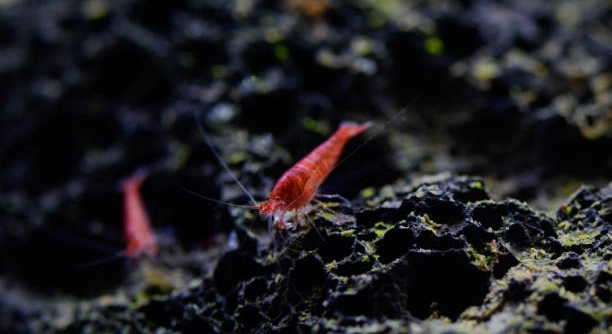
Shrimp are fascinating creatures, and their behavior can change in subtle or dramatic ways. Observing them can be rewarding, but understanding what triggers these changes is essential for maintaining a healthy aquatic environment.
Shrimp behavior can be influenced by a variety of environmental and social factors. Key triggers include water temperature, pH levels, diet, lighting, tank mates, stress, and molting cycles. Each factor can alter activity, feeding habits, and social interactions.
Learning about these triggers can help you create a stable environment for your shrimp. Awareness of these influences ensures their well-being and encourages natural, healthy behavior.
Water Temperature Changes
Shrimp are highly sensitive to water temperature. Sudden increases or decreases can stress them and trigger unusual behavior. When water becomes too warm, shrimp may become more active, sometimes swimming erratically or hiding. Cooler water slows metabolism, reducing movement and feeding. Even small fluctuations can affect molting, growth, and immune response. It’s important to monitor water consistently, using a reliable thermometer and adjusting heaters gradually. Abrupt changes can lead to aggression or lethargy, which may be misinterpreted as illness. Maintaining a stable temperature within the species-specific range supports natural behavior. Observing shrimp over time can help identify how temperature shifts influence patterns. Seasonal changes in room temperature should also be considered, especially if tanks are near windows or vents. Avoid placing the tank where sunlight or drafts can cause sudden fluctuations. Consistency provides a sense of security for shrimp, reducing stress and encouraging normal social interactions, feeding, and molting cycles.
Stable water temperature ensures shrimp feel secure, reducing stress and supporting consistent, healthy behavior throughout the day.
Proper temperature management benefits all aspects of shrimp life. Activity levels, feeding habits, and social interactions remain predictable when water conditions are steady. Sudden heating or cooling can cause hiding, unusual swimming, or refusal to eat. For species like cherry shrimp, the ideal temperature range is usually 72–78°F (22–26°C), while more sensitive species may require narrower ranges. Temperature affects oxygen levels and metabolism, influencing how shrimp interact with each other and their environment. Gradual changes are crucial during seasonal shifts or maintenance, ensuring shrimp adjust naturally. Using a thermometer and adjusting heaters slowly helps prevent stress. Understanding how temperature impacts molting is also important, as abrupt changes can cause incomplete molts or injuries. For aquarists, observing shrimp behavior daily provides insight into how water temperature affects activity, feeding, and social hierarchy. Consistent conditions reduce risk of stress-related diseases, making shrimp care more predictable and effective over time.
pH Level Fluctuations
Shrimp are sensitive to pH changes, which can alter behavior. Even small shifts can make them hide or act more aggressively.
Maintaining stable pH levels is critical for shrimp health. Sudden shifts can reduce feeding, trigger stress, and affect molting. Using buffers or regular testing helps ensure stability. Different shrimp species require specific pH ranges, typically between 6.5 and 8.0. Monitoring pH daily, especially after water changes, prevents surprises that could disrupt behavior. Acidic or alkaline spikes may make shrimp lethargic or overly active. Observing changes in swimming patterns or clustering can indicate pH stress. Adjustments should be gradual to avoid shocking the shrimp. Incorporating natural materials, like driftwood or substrates, can help maintain consistent pH. Stability supports digestion, growth, and overall social behavior, allowing shrimp to interact normally and reduce stress-related reactions. Understanding the connection between water chemistry and behavior helps in maintaining a balanced aquarium environment.
Diet and Feeding
Shrimp behavior changes noticeably with diet. Lack of proper nutrition can make them less active, while overfeeding encourages excess hiding or aggressive behavior.
Providing a balanced diet is essential for shrimp health. A combination of algae, biofilm, and commercial shrimp foods ensures they get necessary nutrients. Inadequate protein or vitamins can lead to molting problems, weakened immunity, and stress. Overfeeding can foul the water, causing shrimp to swim erratically or cluster around food aggressively. Feeding on a schedule helps establish routine behavior. Observing their response to different foods allows adjustments to meet species-specific needs. Variety in diet promotes natural foraging behavior and prevents dominance disputes. Feeding techniques, like spreading food across the tank, reduce competition and encourage healthier interactions among shrimp.
The type and timing of food significantly influence shrimp activity and social patterns. Consistency in feeding helps maintain calm behavior, proper growth, and overall tank balance. Proper nutrition ensures shrimp remain active and interact normally, supporting a healthier, stable environment.
Lighting Conditions
Lighting intensity and duration can affect shrimp activity. Bright light may drive them to hide, while dim light encourages exploration and feeding.
Shrimp rely on light cues to regulate daily activity and molting cycles. Excessive or inconsistent lighting can stress them, causing unusual swimming, hiding, or clustering behaviors. Natural light cycles or adjustable LED lighting help maintain a balanced environment. Observing shrimp during different lighting phases shows how they respond to brightness and duration. Some species are more sensitive, requiring longer periods of subdued light. Gradual changes in lighting minimize stress and prevent sudden behavioral shifts. Proper lighting supports plant growth in the tank, indirectly providing shelter and foraging opportunities. Consistent lighting helps maintain social hierarchy and reduces conflicts, supporting overall tank stability.
Adjustable and consistent lighting promotes healthy shrimp behavior and natural routines. Monitoring responses to light changes ensures shrimp remain active, stress-free, and interact normally. Proper light management also supports tank plants, enhancing habitat quality.
Tank Mates
Aggressive or incompatible tank mates can change shrimp behavior. Stress from predators or dominant fish causes hiding and reduced activity.
Peaceful species and careful planning are essential. Observing interactions helps prevent bullying and ensures shrimp feel safe. Properly chosen tank mates support normal feeding and social behavior.
Stress and Disturbances
Frequent handling, sudden movements, or loud vibrations can trigger stress in shrimp. Stress affects feeding, molting, and overall activity. Stressful environments lead to hiding, erratic swimming, or aggression. Minimizing disturbances and keeping a stable environment is critical for healthy shrimp behavior and long-term survival.
Molting Cycle
Molting affects shrimp behavior temporarily. Before and after molting, they may hide or slow down to protect themselves.
FAQ
Why do my shrimp hide more than usual?
Shrimp often hide when stressed or uncomfortable. Common reasons include sudden changes in water temperature, pH fluctuations, aggressive tank mates, or insufficient hiding spots. During molting, shrimp naturally hide to protect their soft, vulnerable shells. Observing their environment and providing stable conditions with plants, caves, or decorations encourages safer, more natural behavior. Consistent feeding and gentle handling also help reduce hiding. Hiding is usually temporary and part of normal shrimp instincts, but persistent hiding may indicate water quality or social stress issues that need addressing.
How can I tell if shrimp are stressed?
Stressed shrimp display irregular behaviors such as erratic swimming, reduced feeding, hiding constantly, or aggressive interactions with other shrimp. Molting problems, color fading, or lethargy can also be signs. Monitoring water quality, tank mates, and feeding routines helps identify causes. Providing a stable environment with consistent temperature, pH, and light, along with proper nutrition, reduces stress. Regular observation is key, as stress may not always be obvious immediately. Addressing environmental triggers quickly prevents long-term health issues and supports normal shrimp behavior patterns.
What is the best diet for shrimp?
A balanced diet includes algae, biofilm, specialized shrimp pellets, and occasional vegetables. Protein is important for growth and molting, while fiber from plant matter supports digestion. Avoid overfeeding to prevent water pollution, which can cause stress and behavioral changes. Feeding small, frequent portions ensures shrimp have access to food without overwhelming the tank. Observing which foods are preferred can guide adjustments to meet specific nutritional needs. Rotating foods encourages natural foraging and keeps shrimp engaged. Proper nutrition promotes molting success, activity, and vibrant color, directly influencing behavior.
Can water quality affect shrimp behavior?
Yes, water quality is a major factor in shrimp behavior. Poor water conditions, including high ammonia, nitrites, or fluctuating pH, stress shrimp and lead to hiding, lethargy, or erratic swimming. Maintaining clean water with regular changes, proper filtration, and monitoring ensures shrimp remain active and healthy. Stable conditions support molting, feeding, and social interactions. Sudden chemical changes, such as medications or water additives, can also trigger unusual behavior. Consistent observation and preventive care are essential to detect and address water quality issues early. Healthy water is directly linked to predictable, natural shrimp behavior patterns.
How do tank mates influence shrimp behavior?
Tank mates have a significant impact on shrimp behavior. Aggressive fish may chase or attack shrimp, causing hiding, stress, or reduced feeding. Even non-aggressive species can unintentionally crowd or compete for food. Careful selection of peaceful companions minimizes stress and encourages natural interactions. Observing interactions daily helps identify potential problems before they escalate. Providing sufficient hiding spaces and distributing food reduces conflict. Properly matched tank mates allow shrimp to explore, forage, and interact without fear, maintaining normal social behaviors. The right environment balances the needs of all species in the tank.
Why are my shrimp molting irregularly?
Irregular molting often results from stress, poor diet, or inconsistent water parameters. Shrimp need calcium, protein, and stable conditions to molt successfully. Molting may slow during sudden temperature or pH shifts or if the shrimp feel threatened by tank mates. Observing hiding behavior around molting times can indicate stress. Supplementing the diet with mineral-rich foods and ensuring clean, stable water supports regular molting cycles. Monitoring shrimp before and after molting helps identify patterns, and adjustments in care can prevent incomplete or problematic molts. Proper molting is essential for growth, color, and overall health.
How does lighting affect shrimp activity?
Lighting influences shrimp activity and feeding schedules. Bright light may make them hide, while dim or moderate lighting encourages normal exploration and foraging. Abrupt changes in light intensity or duration can stress shrimp, leading to erratic swimming or clustering in shaded areas. Gradual transitions and consistent light schedules support natural behavior. Some shrimp species are more sensitive and may require longer low-light periods. Proper lighting also promotes plant growth, which provides shelter and biofilm for grazing. Maintaining predictable lighting conditions helps shrimp feel secure and supports overall activity, feeding, and social interactions.
What signs indicate shrimp are healthy?
Healthy shrimp are active, forage regularly, molt successfully, and display vibrant colors. They interact with other shrimp calmly and respond predictably to feeding. Consistent movement, proper swimming patterns, and minimal hiding indicate good health. Regular observation of their behavior, combined with stable water conditions, adequate diet, and appropriate tank mates, ensures shrimp remain healthy. Behavioral changes often signal underlying issues, such as water quality problems or nutritional deficiencies. Maintaining a balanced, low-stress environment is key. Monitoring these signs helps detect issues early, ensuring shrimp continue to thrive and exhibit normal, natural behavior consistently.
How often should I monitor water parameters?
Water parameters should be checked at least once a week, or more frequently after changes in the tank. Key measurements include temperature, pH, ammonia, nitrites, nitrates, and hardness. Regular monitoring ensures stable conditions, which prevents stress-related behavioral changes. Rapid fluctuations can cause hiding, erratic swimming, or molting problems. Recording values helps detect trends and anticipate potential issues before they affect shrimp health. Adjustments, when necessary, should be made gradually. Consistency in water quality supports feeding, molting, and social interactions. Well-monitored water parameters create an environment where shrimp feel secure and behave normally.
Can overcrowding affect shrimp behavior?
Overcrowding leads to competition for food, hiding spots, and territory, causing stress and abnormal behavior. Shrimp may hide more, become aggressive, or display reduced activity. Providing adequate space and sufficient resources prevents these issues. Proper population density supports natural social interactions, normal feeding, and healthy molting. Observing shrimp distribution and behavior in the tank helps identify overcrowding early. Adjusting the number of shrimp or tank layout ensures they have room to explore and forage comfortably. A balanced population reduces conflict and promotes calm, predictable, and healthy behavior for all shrimp in the tank.
How does stress affect molting?
Stress can cause delayed or incomplete molting. Factors like poor water quality, aggressive tank mates, or frequent disturbances make shrimp feel unsafe, affecting their ability to shed exoskeletons properly. Molting is energy-intensive, so stressed shrimp may hide excessively or fail to molt completely, risking injury or death. Reducing stress through stable conditions, proper nutrition, and gentle handling supports successful molts. Providing hiding spaces and maintaining consistent environmental factors ensures shrimp can molt safely. Observing shrimp behavior before molting helps anticipate needs and prevent complications. Stress management is essential for healthy, predictable shrimp growth and activity.
Why do shrimp cluster in one area of the tank?
Clustering often occurs due to food availability, stress, or environmental preferences. Shrimp gather in areas with abundant algae, biofilm, or plants for shelter. Sudden movements, bright light, or aggressive tank mates can also push them together. Ensuring even food distribution, sufficient hiding spots, and stable conditions encourages exploration. Clustering is natural but persistent crowding may indicate stress, poor water quality, or competition. Monitoring behavior helps determine if adjustments are needed. By balancing environmental conditions, shrimp can distribute more evenly, engage in natural foraging, and reduce stress-induced behaviors, promoting overall tank harmony.
How do I encourage normal social behavior among shrimp?
Providing sufficient space, hiding spots, and stable water conditions encourages normal interactions. Avoid aggressive tank mates and distribute food evenly. Routine maintenance, gradual environmental changes, and balanced nutrition allow shrimp to forage, molt, and interact naturally. Consistent conditions reduce competition and stress. Observing social patterns helps identify conflicts or behavioral issues. Maintaining an environment where shrimp feel secure allows natural behaviors to emerge, including group grazing, gentle exploration, and synchronized molting. Proper care supports calm, predictable interactions and strengthens overall health, ensuring shrimp thrive in a balanced, low-stress environment.
Can sudden water changes impact shrimp behavior?
Sudden water changes can shock shrimp, causing hiding, erratic swimming, or reduced feeding. Rapid shifts in temperature, pH, or chemistry are stressful. Gradual water changes with matched parameters prevent behavioral disruptions. Stability ensures shrimp remain active, feed normally, and interact safely. Observing shrimp after changes helps detect stress. Maintaining consistent routines, using dechlorinated water, and monitoring temperature and pH during changes reduces negative impacts. Predictable water maintenance supports molting, growth, and social behavior, allowing shrimp to adjust comfortably. Gradual transitions are key to preventing stress-induced behavioral changes.
How do I know if my shrimp are eating enough?
Shrimp should actively forage and consume provided food. Uneaten food, reduced movement, or persistent hiding can indicate insufficient feeding or stress. Adjust portions and ensure variety to meet nutritional needs. Observation of feeding behavior helps track intake and maintain health. Healthy shrimp will eat consistently and display normal activity levels. Regular monitoring allows timely intervention if feeding issues arise. Balanced diets, distributed food, and safe tank conditions encourage natural foraging behavior. Ensuring adequate nutrition prevents stress-related behaviors and supports molting, growth, and vibrant coloration. Consistent feeding routines foster predictable, healthy shrimp activity.
How often should I observe shrimp behavior?
Daily observation is ideal to detect changes in activity, feeding, hiding, or interactions. Small shifts in behavior can indicate stress, water issues, or illness. Consistent monitoring allows early intervention and adjustment of environmental factors. Observing shrimp over time helps identify patterns and anticipate needs. Recording behaviors alongside water parameters and feeding schedules provides insight into triggers for unusual activity. Regular attention ensures shrimp remain healthy and exhibit predictable, natural behaviors. Tracking behavior supports effective care, reduces stress, and maintains a balanced aquarium environment where shrimp thrive.
What do I do if shrimp behave aggressively?
Aggressive behavior may result from overcrowding, competition for food, or incompatible tank mates. Providing hiding spaces, spreading food, and adjusting population density helps reduce conflicts. Aggression can also indicate stress or poor water conditions, which should be addressed promptly. Monitoring social interactions prevents injuries and promotes calm behavior. Selecting peaceful tank mates and maintaining stable environmental conditions further minimize aggressive incidents. Observing patterns helps determine root causes and implement solutions. Proper management of space, resources, and water quality supports harmonious behavior and overall shrimp well-being, ensuring all individuals remain active and stress-free.
Why do shrimp stop eating suddenly?
Sudden loss of appetite is often linked to stress, poor water quality, illness, or changes in tank conditions. Temperature shifts, pH fluctuations, aggressive tank mates, or overfeeding can also discourage feeding. Observing water parameters, tank mates, and recent changes helps identify causes. Providing stable conditions, proper nutrition, and safe hiding areas encourages shrimp to resume normal eating. Temporary fasting may occur during molting, which is normal, but prolonged refusal to eat requires immediate attention. Monitoring behavior alongside environmental factors ensures shrimp maintain consistent feeding, supporting health, molting, and overall activity levels.
Can shrimp recognize their tank environment?
Shrimp respond to familiar surroundings, including hiding spots, plants, and substrate. Changes in the environment, such as rearranged decorations, can cause temporary stress or hiding. Gradual adjustments help shrimp adapt without disrupting normal behavior. Consistent layouts and stable water parameters support predictable activity, feeding, and social interactions. Observing shrimp responses to changes provides insight into comfort levels. Familiar environments reduce stress and encourage natural behaviors, such as foraging and exploration. Providing secure and stable habitats promotes confidence, healthy growth, and long-term well-being.
How does molting affect social behavior?
During molting, shrimp become vulnerable and may hide to protect themselves from tank mates. They often avoid interaction until their new exoskeleton hardens. Providing hiding spots and maintaining calm, stable conditions ensures safety during this period. Observing behavior around molting helps prevent stress and injury. Molting is energy-intensive, so shrimp may temporarily reduce feeding and movement. Once the process is complete, normal activity and social interactions resume. Proper care and environmental management minimize disruption to social behavior, allowing shrimp to safely molt, feed, and interact with minimal stress.
What should I do if shrimp show unusual swimming patterns?
Erratic swimming can indicate stress, poor water quality, temperature fluctuations, or disease. Observing water parameters, feeding habits, and tank mates helps identify causes. Gradual adjustments and maintaining stable conditions usually restore normal behavior. Isolating affected shrimp may prevent injury or spread of illness. Unusual swimming can also result from lack of hiding spots or overcrowding. Providing secure spaces and ensuring balanced nutrition supports recovery. Monitoring shrimp closely after changes helps detect persistent problems. Addressing the root causes of abnormal swimming encourages safe, predictable activity and overall health in the tank.
How do I maintain long-term healthy shrimp behavior?
Consistent water quality, balanced diet, stable temperature, proper lighting, and peaceful tank mates are key factors. Regular observation and preventive maintenance prevent stress, disease, and behavioral disruptions. Providing adequate hiding spots and space allows natural social interactions. Gradual changes in environment minimize stress and support predictable behavior. Recording patterns of feeding, molting, and activity helps track health and behavior trends. By addressing environmental, nutritional, and social needs, shrimp remain active, healthy, and calm. Long-term care ensures normal behavior, vibrant coloration, and successful growth over time. Stable, well-monitored conditions are essential for sustainable shrimp health.
Can environmental enrichment influence shrimp behavior?
Adding plants, moss, rocks, or caves provides foraging opportunities and hiding spots, reducing stress and promoting natural behavior. Enrichment encourages exploration, grazing, and interaction with other shrimp. A varied environment helps prevent boredom, improves molting safety, and supports social hierarchy. Observing how shrimp use enrichment helps optimize tank design. Well-planned enrichment allows shrimp to engage in instinctual activities, reduces conflict, and maintains activity levels. Regularly refreshing and rearranging enrichment items stimulates natural instincts without causing stress. Proper environmental enrichment supports long-term health, predictable social interactions, and overall well-being, enhancing shrimp behavior and life quality.
Why do shrimp sometimes swarm around food?
Swarming is a natural foraging behavior. Competition for food can cause multiple shrimp to gather in one spot. Even distribution of food and adequate space reduces stress and prevents aggressive interactions. Observing feeding patterns helps determine appropriate portion sizes. Swarming indicates interest in food, but consistent behavior monitoring ensures it does not lead to overcrowding, conflict, or water quality issues. Spreading food across the tank encourages exploration and balanced feeding, promoting calmer, healthier behavior. Proper feeding techniques support growth, molting, and social harmony.
What impact does water hardness have on shrimp?
Water hardness affects molting, growth, and general activity. Soft or extremely hard water can stress shrimp, causing hiding, reduced feeding, or abnormal behavior. Maintaining moderate hardness suitable for the species ensures proper shell development and predictable behavior. Testing hardness and adjusting with minerals or buffers supports long-term health. Stable water hardness encourages normal social interactions, molting cycles, and feeding patterns. Observing shrimp behavior in relation to water hardness helps identify potential issues before they affect overall well-being. Proper water hardness is critical for predictable, healthy shrimp activity and growth.
How can I reduce stress in my shrimp tank?
Minimizing stress involves maintaining stable water parameters, providing hiding spots, and choosing compatible tank mates. Avoid sudden changes, overcrowding, and frequent disturbances. Regular observation and consistent care reduce fear and aggressive interactions. A calm environment encourages natural feeding, molting, and social behaviors. Predictable routines and gradual adjustments to light, temperature, and decor help shrimp feel secure. Balanced nutrition and well-planned enrichment further support stress reduction. Reducing stress ensures shrimp remain active, healthy, and display natural behaviors. Consistency and attention to environmental details are key to long-term shrimp well-being and harmonious tank conditions.
Why do shrimp sometimes stop interacting with each other?
Shrimp may stop interacting due to stress, illness, or molting. Poor water quality, aggressive tank mates, or sudden environmental changes can cause withdrawal. Providing hiding spots, maintaining stable conditions, and monitoring health restores normal social behavior. Observing shrimp for changes in movement, feeding, and clustering helps identify the cause. Ensuring adequate space, balanced nutrition, and low-stress conditions encourages interaction. Shrimp naturally vary in social tendencies, but persistent isolation signals environmental or health issues. Addressing triggers supports recovery, allowing shrimp to resume normal feeding, exploration, and social behaviors in the tank.
How do seasonal changes affect shrimp behavior?
Seasonal temperature and light variations can alter activity, feeding, and molting. Sudden shifts in room temperature, daylight duration, or water parameters may stress shrimp. Adjusting heaters, light schedules, and monitoring water quality minimizes impact. Gradual adaptation allows shrimp to maintain normal behavior. Seasonal changes can also affect plant growth, influencing foraging patterns. Consistent tank conditions, such as stable temperature, light, and water chemistry, reduce seasonal stress. Observing shrimp behavior throughout the year helps detect subtle changes. Proper management of environmental factors ensures shrimp remain active, healthy, and display predictable social and feeding behaviors regardless of external seasonal fluctuations.
Final Thoughts
Shrimp are small but fascinating creatures, and their behavior is influenced by many factors. Water temperature, pH, diet, lighting, tank mates, stress, and molting cycles all play a role in how shrimp act each day. Observing your shrimp closely can reveal subtle changes that indicate their comfort or discomfort in the tank. Simple adjustments to the environment, like stabilizing water conditions or providing hiding spaces, can make a noticeable difference in their behavior. Paying attention to these details not only ensures the shrimp remain healthy but also makes caring for them more predictable and less stressful. Consistency in maintenance, feeding routines, and environmental conditions helps shrimp feel secure and encourages natural behaviors like foraging, swimming, and interacting with other shrimp. Over time, careful observation allows you to anticipate their needs and address potential issues before they become serious problems. Understanding these triggers is essential for anyone looking to maintain a thriving shrimp tank.
Behavioral changes in shrimp are often linked to stress or environmental factors rather than illness. Sudden hiding, reduced feeding, or erratic swimming usually signals a disruption in their habitat. Small fluctuations in temperature, pH, or lighting can create noticeable changes in activity. Similarly, the presence of aggressive or incompatible tank mates can lead to hiding or clustering, which may look concerning but is often a protective response. Providing sufficient space, safe hiding spots, and gradual changes in the environment reduces these stress-induced behaviors. A well-balanced diet and consistent feeding schedule also help maintain normal activity. Molting is another natural process that temporarily changes behavior, causing shrimp to hide until their new exoskeleton hardens. Recognizing that these behaviors are normal in context allows you to respond appropriately without overreacting. By maintaining stable water parameters, minimizing disturbances, and observing interactions, you can create an environment that supports healthy, predictable shrimp behavior and overall well-being.
Long-term shrimp care is about balance and attention to detail. Each factor in the tank, from water quality to diet to lighting, contributes to their behavior and health. Gradual changes and consistent care are far more effective than frequent or abrupt adjustments. Observing shrimp regularly helps detect minor behavioral shifts, such as reduced activity or excessive hiding, which can indicate underlying environmental issues. Providing a variety of plants, moss, and decorations encourages natural foraging and exploration, reducing stress and promoting social interaction. Choosing compatible tank mates prevents conflicts and ensures calm behavior. Understanding how environmental triggers influence shrimp allows you to respond proactively and maintain a stable, low-stress habitat. Over time, this approach fosters vibrant, healthy shrimp that display predictable and natural behavior, making the experience of caring for them both enjoyable and rewarding. Consistency, careful monitoring, and attention to their needs are the keys to long-term success in maintaining a thriving shrimp tank.

Hello,
If you enjoy the content that we create, please consider saying a "Thank You!" by leaving a tip.
Every little bit helps us continue crafting quality advice that supports the health, happiness, and well-being of pets around the world, for pets of all shapes, sizes, and species.
We really appreciate the kindness and support that you show us!