
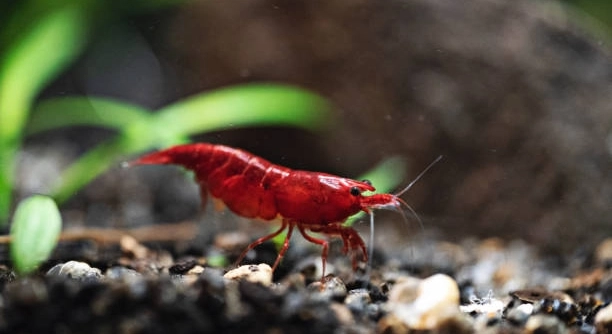
Have you ever noticed your cherry shrimp spending time near the top of the tank, seemingly enjoying the light? Observing their behavior can make you wonder about the effects of sunlight on these tiny creatures.
Cherry shrimp cannot get sunburned in the same way humans do. Their exoskeleton offers protection from UV light, and they primarily respond to light exposure by seeking shaded areas, adjusting their activity, and regulating color rather than developing skin damage.
Learning how light affects your shrimp is important for maintaining their health and keeping your aquarium environment stable and safe.
How Light Affects Cherry Shrimp
Cherry shrimp are sensitive to light, and their activity changes depending on how much they receive. Too much direct light can stress them, causing them to hide under plants or decorations. They rely on their environment to regulate exposure, moving to shaded areas when brightness becomes intense. Natural sunlight or strong artificial light can influence their color, sometimes making them appear more vibrant or dull. The intensity and duration of light in the tank can affect feeding patterns, growth, and molting cycles. Overexposure can also make algae grow faster, indirectly affecting water quality and shrimp health. Monitoring light levels is important to maintain a stable and healthy habitat. Adjusting light schedules and positioning the tank away from direct sunlight can prevent unnecessary stress. Shaded areas, floating plants, or tank decorations can provide relief and create a more balanced environment for the shrimp to thrive.
Providing shaded areas in the tank helps cherry shrimp feel secure and reduces stress caused by bright lighting.
Managing light in the tank is not just about preventing stress. It also influences shrimp behavior, feeding, and overall health. Shrimp exposed to balanced light schedules tend to molt regularly and maintain vibrant coloration. Proper lighting supports plant growth without overwhelming the shrimp, helping maintain natural hiding spots. By observing your shrimp and adjusting light intensity or duration, you can create a stable environment that encourages activity while reducing stress. Incorporating plants, moss, and ornaments can give shrimp places to retreat when light is too strong, ensuring their comfort.
Tank Placement and Protection
Positioning your aquarium away from direct sunlight is important for shrimp health.
Direct sunlight can cause rapid temperature fluctuations, algae growth, and stress for cherry shrimp. Sudden exposure may disrupt their feeding and activity, making them hide more frequently. Choosing a location with consistent, moderate light prevents these issues and keeps the water temperature stable. Using blinds, curtains, or indirect natural light can also help. Protection from strong light ensures the shrimp can move freely without experiencing stress, supporting healthier behavior and coloration over time. A well-placed tank helps maintain a balanced ecosystem, benefiting both shrimp and plants.
A carefully chosen location allows you to maintain stable water conditions, moderate lighting, and a stress-free environment. Consistent light exposure encourages natural behavior and proper feeding routines. Providing shaded areas inside the tank gives shrimp control over their environment, reducing the risk of stress. Floating plants or ornaments can shield them from sudden light changes, while ensuring they still receive enough illumination for normal activity. Proper tank placement also helps prevent rapid algae growth caused by excessive sunlight, keeping the water cleaner. By monitoring light levels and adjusting placement when necessary, you create a safe and comfortable space for your cherry shrimp to thrive. This approach supports their health, coloration, and overall well-being, making tank management simpler and more effective.
Signs of Stress from Light
Cherry shrimp may hide more often or move less when exposed to strong light. Their colors can fade slightly, and molting may become irregular. Observing these behaviors early helps prevent long-term health issues and keeps the tank environment balanced for all inhabitants.
Stress from excessive light can cause behavioral changes that are easy to notice if you watch closely. Shrimp might cling to shaded areas, plants, or tank decorations to avoid brightness. Feeding can slow down, and shrimp may delay molting, which affects growth. Sudden color changes, such as dulling or loss of vibrancy, are common signs. These reactions are protective, helping them avoid potential harm from overexposure. Adjusting the light intensity or providing more shaded spots allows shrimp to regain normal activity and reduces stress.
Monitoring water quality alongside light exposure is essential because stress makes shrimp more vulnerable to disease. Poor water conditions combined with too much light can lead to weakened immune systems, slower growth, and irregular molting. Ensuring stable temperature, clean water, and balanced light levels helps maintain healthy behavior and coloration. Observing shrimp daily gives insights into how they respond to their environment, making it easier to correct any issues promptly. Providing plenty of hiding places and floating plants ensures that even with moderate light, shrimp can retreat when needed, maintaining their comfort and safety.
Preventing Light-Related Problems
Maintaining consistent, moderate lighting reduces stress and encourages normal shrimp activity. Avoid sudden changes in brightness or prolonged direct sunlight.
Preventing issues caused by light starts with controlling the tank’s exposure. Using a timer for artificial lights helps keep a stable schedule. Position the tank away from windows that receive intense sunlight to avoid temperature spikes and algae growth. Floating plants or decorations can provide instant shade while allowing shrimp to move freely. By monitoring both light and water conditions, you create a comfortable environment that supports feeding, molting, and coloration. Gradual adjustments to light intensity prevent sudden stress reactions.
Balanced light supports natural behaviors and overall health in cherry shrimp. Shrimp rely on consistent light cycles to regulate activity and molting. Overexposure can weaken their immune system and disrupt feeding patterns, while underexposure may reduce color vibrancy. Proper tank setup, including shaded areas and indirect lighting, helps shrimp feel secure. Floating plants, moss, and tank ornaments create shelters without blocking necessary illumination, maintaining a healthy balance. Timers or dimmable lights prevent sudden fluctuations, ensuring shrimp adapt smoothly. By carefully managing light, water quality, and tank structure, you reduce stress and support a thriving shrimp population.
Adjusting Light Gradually
Cherry shrimp respond better when changes in lighting are slow. Sudden increases or decreases can cause stress and hiding. Gradual adjustments help them adapt naturally without affecting feeding or molting cycles.
Using a dimmer or moving the tank slightly can control intensity. Providing shaded areas ensures shrimp have options to escape strong light when needed.
Best Lighting Practices
Maintaining a regular light schedule of 8 to 10 hours per day supports shrimp health. Too much light encourages algae growth, while too little can reduce color vibrancy and activity. Incorporating floating plants or moss provides natural shading. Positioning lights to avoid direct sunlight and using a timer ensures stability and prevents stress. Gradual changes in intensity during day and night cycles allow shrimp to adjust their behavior naturally. Observing shrimp behavior alongside water conditions helps identify if light adjustments are necessary. Proper lighting encourages molting, feeding, and coloration, supporting a balanced and healthy aquarium environment.
Using Shade Effectively
Plants, decorations, and moss provide necessary shelter from bright light. Shrimp feel secure and maintain natural behavior when shaded.
FAQ
Can cherry shrimp actually get sunburned?
No, cherry shrimp cannot get sunburned like humans. Their exoskeleton provides natural protection from UV rays. While direct sunlight may affect their behavior or coloration, it does not cause burns. Stress from overexposure is possible, but it manifests through hiding, dulling of colors, or delayed molting rather than skin damage.
How can I tell if my shrimp are stressed from light?
Signs of light stress include hiding more often, reduced movement, slower feeding, and duller coloration. Molting may become irregular, and shrimp may cling to shaded areas or decorations. Observing daily activity patterns is helpful to detect stress before it affects overall health.
How much light do cherry shrimp need?
Cherry shrimp need moderate light for about 8 to 10 hours a day. Excessive light encourages algae growth and stress, while too little reduces activity and dulls coloration. Using a timer and indirect lighting ensures consistency and avoids sudden changes in brightness.
Are plants useful for controlling light exposure?
Yes, plants and floating moss provide natural shade. They help shrimp escape bright light and create hiding spots. This is especially useful in tanks exposed to strong sunlight. Plants also improve water quality, indirectly supporting shrimp health and comfort.
Can artificial lights harm cherry shrimp?
Artificial lights can cause stress if they are too bright or left on for too long. Using a timer, dimmer, or indirect placement helps maintain stability. Gradual changes in light intensity mimic natural day-night cycles, keeping shrimp active and healthy.
Do shrimp need complete darkness at night?
Yes, a period of darkness is important. Constant light can disrupt molting, feeding, and natural behavior. Providing 14 to 16 hours of light and 8 to 10 hours of darkness ensures a balanced cycle and reduces stress.
Will light affect shrimp color permanently?
Light influences color temporarily, making shrimp appear more vibrant or dull depending on intensity and duration. Permanent color changes are mostly determined by genetics and diet, while light mainly affects visual appearance and behavior.
How should I position my tank to avoid light problems?
Place the tank away from direct sunlight and bright windows. Use curtains, blinds, or indirect light sources. Ensure some shaded areas inside the tank using plants or decorations. This setup stabilizes temperature, reduces algae growth, and keeps shrimp comfortable.
Is it necessary to adjust light gradually?
Yes, sudden changes can stress shrimp. Gradual adjustments allow them to adapt, maintaining normal feeding and molting. Using dimmers or slowly moving the tank helps prevent behavior disruptions and promotes a stable environment.
Can stress from light make shrimp sick?
Indirectly, yes. Prolonged stress weakens the immune system, making shrimp more vulnerable to disease. Maintaining balanced light, clean water, and shaded areas supports health and reduces the risk of illness caused by environmental stress.
How often should I monitor light and shrimp behavior?
Daily observation is ideal. Checking activity, hiding patterns, feeding, and coloration ensures early detection of stress. Regular monitoring allows adjustments to light, tank placement, or shading before problems escalate, keeping shrimp healthy and active.
Do shrimp react differently to natural sunlight versus artificial light?
Natural sunlight is more intense and can cause rapid changes in temperature or algae growth. Artificial lights are easier to control with timers and dimmers. Both affect behavior, but careful management ensures shrimp remain comfortable and active in either scenario.
Are there other ways to reduce light stress besides shade?
Yes, using floating plants, moss, and decorations creates safe zones. Timers, indirect lighting, and gradual intensity adjustments also help. Combining these strategies ensures shrimp have control over their environment, reducing stress and promoting natural behavior.
Can overcrowding increase light stress?
Yes, when multiple shrimp compete for shaded areas, stress can rise. Ensuring enough hiding spots and proper tank size distributes shrimp evenly, allowing everyone access to shaded areas and reducing stress caused by bright light.
Does water clarity affect light exposure for shrimp?
Clear water allows more light penetration, which may increase stress. Slightly filtered or planted tanks can diffuse light naturally. Monitoring clarity and providing shade ensures shrimp receive appropriate lighting without overexposure.
Is it okay to change light schedules occasionally?
Occasional changes are fine if done gradually. Sudden shifts can stress shrimp and disrupt behavior. Consistency with minor adjustments helps maintain activity, molting, and feeding patterns while reducing stress.
Do shrimp need different light levels at different growth stages?
Juveniles may prefer more shaded areas as they are more sensitive, while adults tolerate moderate light better. Providing varied shaded spots allows all shrimp to find suitable light levels for comfort and growth.
Can tank decorations affect light exposure?
Yes, rocks, plants, and moss can block bright light and create shaded zones. Decorations also offer hiding places, reducing stress and encouraging natural behavior, molting, and feeding without interference from strong illumination.
How do I know if algae growth is affecting shrimp light stress?
Excessive algae can block light partially, forcing shrimp into smaller shaded areas. Observing hiding patterns and checking algae levels helps determine if light distribution needs adjustment, ensuring shrimp remain active and healthy.
What is the safest way to simulate natural day-night cycles?
Use a timer to regulate 8–10 hours of light and 14–16 hours of darkness. Gradually increase and decrease light intensity in the morning and evening. Floating plants and shaded zones help shrimp adjust, mimicking natural cycles without stress.
Can stress from light affect breeding?
Yes, stressed shrimp may delay or reduce breeding activity. Maintaining stable light, adequate shading, and consistent water conditions supports reproduction, ensures normal molting, and encourages healthy offspring.
Should I worry about seasonal changes in sunlight?
Yes, seasonal sunlight changes may increase intensity or duration. Adjust tank placement or shading to maintain consistent lighting, preventing stress and ensuring a stable environment throughout the year.
Do cherry shrimp prefer certain colors of light?
Shrimp are less sensitive to specific colors than intensity. Soft, indirect lighting is more important than hue. Using natural or full-spectrum light supports plant growth while keeping shrimp comfortable and stress-free.
How long does it take for shrimp to recover from light stress?
Recovery depends on duration and severity. With proper shading, stable light schedules, and clean water, shrimp usually return to normal behavior within a few days to a week, resuming regular feeding, molting, and activity.
Can other tank inhabitants influence light stress?
Yes, active fish may push shrimp out of shaded areas. Providing sufficient hiding spots and plant cover ensures shrimp can avoid competition and remain safe from bright light exposure.
Are there tools to measure light intensity in the tank?
Yes, light meters or smartphone apps can help track intensity. Measuring light ensures it stays within safe levels, reducing stress and promoting healthy behavior, coloration, and molting.
Does tank size affect light stress?
Larger tanks offer more shaded areas, reducing competition and stress. Small tanks may require careful plant placement or decorations to ensure all shrimp can escape excessive light exposure.
Can I use tinted glass or film to reduce sunlight?
Yes, tinted glass or window films help filter sunlight, preventing sudden brightness and temperature spikes. This protects shrimp while maintaining consistent light levels in the aquarium.
Is there a link between light stress and molting problems?
Yes, overexposure can delay or disrupt molting. Shaded zones, stable schedules, and consistent water conditions allow shrimp to molt safely without stress interfering with growth or coloration.
How important is observation for preventing light-related issues?
Observation is critical. Watching feeding, molting, activity, and hiding patterns lets you identify stress early. Early adjustments in lighting or shading prevent long-term health problems and maintain a balanced, comfortable environment for shrimp.
Can stress from light affect shrimp lifespan?
Prolonged stress may weaken immunity, slow growth, and increase vulnerability to disease. Proper lighting, shaded areas, and stable tank conditions support longevity and overall well-being of cherry shrimp.
How can I combine plants and lighting for best results?
Use floating plants for shade, moss for cover, and timed lighting. This combination provides control over exposure, encourages natural behavior, and supports healthy feeding, molting, and coloration without overexposure to bright light.
Do shrimp hide more during midday light peaks?
Yes, intense midday light often pushes shrimp to shaded areas. Providing floating plants and ornaments ensures they have safe spots to retreat while still accessing necessary light for normal activity.
Is indirect sunlight safer than direct sunlight for shrimp?
Yes, indirect sunlight reduces stress, temperature fluctuations, and algae growth. Combining indirect sunlight with shaded areas inside the tank creates a stable, comfortable environment for shrimp while supporting natural behavior.
Can I use LED lights without causing stress?
LED lights are safe if controlled with timers or dimmers. They provide consistent, moderate light and allow gradual adjustments, preventing stress while supporting plant growth and shrimp activity.
What’s the best combination of lighting and tank decor?
Moderate light with floating plants, moss, and ornaments provides shelter and prevents stress. Balanced light intensity, gradual transitions, and shaded zones ensure shrimp feel secure, remain active, and maintain vibrant coloration.
How does water temperature interact with light stress?
Excessive sunlight can heat water, increasing stress. Stable temperatures, shading, and controlled light intensity protect shrimp from combined heat and light stress, keeping behavior and health stable.
Can stress affect shrimp social behavior?
Yes, stressed shrimp may avoid others, hide more, or compete for shade. Providing enough hiding spots and moderate light maintains natural social interactions and reduces conflict or stress within the tank.
How do I know if my adjustments are working?
Monitor shrimp activity, feeding, molting, and coloration daily. Gradual improvements in behavior and reduced hiding indicate successful light adjustments and a comfortable tank environment.
Are there signs that indicate light is too low?
Shrimp may appear less active, lose color vibrancy, or reduce feeding. Adding moderate light or adjusting placement helps restore normal activity without overexposing them.
Is it necessary to combine multiple methods for light management?
Yes, using timers, shaded areas, plants, and gradual adjustments ensures optimal light exposure, reduces stress, and supports health, molting, and coloration simultaneously.
Can stress from light affect shrimp appetite?
Yes, excessive light may reduce feeding. Providing shaded zones and consistent light schedules encourages normal eating patterns, supporting growth and overall health.
Do shrimp ever adapt to brighter conditions?
Yes, with gradual exposure and sufficient hiding spots, shrimp can adjust. However, sudden bright light should always be avoided to prevent stress and behavioral changes.
How can I protect juvenile shrimp from light stress?
Juveniles are more sensitive, so shaded areas and gradual light exposure are essential. Dense plant cover and moss help them stay safe while adjusting to normal activity and feeding patterns.
Can seasonal changes require light adjustments?
Yes, summer sunlight may be stronger, requiring extra shading or tank relocation. Winter may need supplemental light to maintain consistent day-night cycles for shrimp health and behavior.
How important is water clarity in combination with light management?
Clear water increases light penetration, which may stress shrimp. Slightly diffused or planted tanks reduce intensity naturally. Monitoring clarity and providing shade ensures shrimp receive appropriate lighting without overexposure.
Do shrimp hide differently depending on light intensity?
Yes, they seek shaded areas during bright light and move more freely in moderate light. Providing multiple hiding spots ensures they can control exposure while staying active.
Can light stress affect coloration long-term?
Mostly temporary, but prolonged stress may dull colors. Stable light, proper shading, and good water conditions maintain vibrant coloration over time.
Should I change light gradually if adding new decorations?
Yes, new decor can alter shading. Gradual adjustments prevent sudden changes in brightness, helping shrimp adapt while maintaining normal behavior, feeding, and molting patterns.
Can overgrown plants create unintended light stress?
Yes, dense plants may concentrate light in certain areas or block it in others. Balancing plant growth ensures even light distribution and accessible shaded zones.
Is there an ideal light spectrum for cherry shrimp?
Soft, full-spectrum lighting works well, supporting plant growth and natural shrimp behavior. Intensity and stability matter more than specific colors, preventing stress while enhancing activity and coloration.
Do shrimp ever avoid shaded areas entirely?
If light is moderate and consistent, shrimp may spend less time hiding. Shaded zones are still necessary as safety spots, allowing shrimp to retreat if needed.
How do I know when to adjust light schedules?
Observe hiding patterns, feeding, molting, and coloration. Consistent changes in behavior indicate adjustments are needed to maintain comfort and reduce stress.
Can stress from light affect shrimp reproduction cycles?
Yes, excessive or inconsistent light can delay mating or egg-laying. Stable light cycles with shaded areas support normal reproductive behavior and healthy offspring.
Are there tools to automate light adjustments safely?
Timers, dimmers, and programmable LEDs allow gradual changes, mimicking natural cycles. This ensures consistent lighting, reduces stress, and supports overall shrimp health and behavior.
Can light stress interact with other environmental stressors?
Yes, poor water quality, temperature fluctuations, or overcrowding combined with bright light can amplify stress. Managing all factors together ensures shrimp remain healthy and active.
Do shrimp hide more during artificial light peaks?
Yes, intense artificial light can trigger hiding behavior. Gradual intensity changes, shaded areas, and plant cover help shrimp remain comfortable while staying active.
Can I mix different light types safely?
Yes, combining LED and indirect natural light works if intensity is moderate. Using shaded areas and timers ensures smooth transitions, preventing stress.
How long does it take for shrimp to adapt to a new tank lighting setup?
Typically a few days to a week, depending on intensity and availability of shaded areas. Gradual introduction reduces stress and supports normal behavior, feeding, and coloration.
Is it safe to have very bright lights for plant growth?
Only if shaded areas are available for shrimp. Bright lights without cover can cause hiding, stress, and molting problems, so balance is key.
Do shrimp prefer constant or fluctuating light?
Constant, moderate light with gradual transitions works best. Sudden fluctuations or overly bright periods can stress shrimp and disrupt normal behavior.
Can I observe shrimp without stressing them with light?
Yes, using indirect or dimmed lighting lets you watch shrimp without causing stress, maintaining natural activity and feeding patterns.
How do I know if light stress has been fully resolved?
Shrimp resume normal feeding, molting, and activity, showing vibrant coloration. Reduced hiding and calm behavior indicate light management is effective.
Can light stress affect shrimp interactions?
Yes, stressed shrimp may hide more or compete for shaded areas. Providing enough cover reduces conflict and supports natural social behavior.
Are timers essential for light management?
Timers are highly useful to maintain consistent cycles, reduce sudden changes, and prevent stress, supporting healthy feeding, molting, and activity patterns.
Can light stress cause long-term behavioral changes?
Prolonged exposure may lead to chronic hiding, reduced feeding, or irregular molting. Balanced light schedules and shaded areas prevent long-term effects.
Does the type of tank glass affect light exposure?
Some tinted or reflective glass can reduce intensity. Using glass that filters or diffuses light helps protect shrimp from stress while maintaining visibility.
Are there visual cues that indicate shrimp are comfortable with light?
Active swimming, regular feeding, consistent molting, and vibrant coloration indicate they are comfortable and not stressed by lighting conditions.
Can seasonal artificial lighting adjustments help mimic nature?
Yes, minor changes in intensity or duration mimic seasonal cycles, keeping shrimp behavior natural without causing stress.
Do shrimp ever stop responding to light stress?
If stress is prolonged without relief, shrimp may hide constantly or show reduced activity. Proper shading and stable schedules are necessary to restore normal behavior.
Can I combine LED, fluorescent, and natural sunlight safely?
Yes, if intensity is moderate and consistent. Shaded areas and timers help shrimp adapt and prevent overexposure, maintaining health and behavior.
Is it better to have many small shaded areas or one large one?
Many small shaded spots allow more shrimp to retreat safely, reducing competition and stress while promoting natural behavior and comfort.
Can stress from light affect shrimp growth rates?
Yes, prolonged stress may slow growth by affecting feeding and molting. Proper light, shading, and water stability support normal development.
Are floating plants better than fixed ones for light control?
Floating plants offer adjustable shade and allow shrimp to move freely under cover. Fixed plants help, but floating plants provide more flexibility for managing exposure.
How important is gradual dimming in the morning and evening?
Gradual dimming prevents sudden stress reactions and mimics natural day-night cycles, keeping shrimp comfortable and supporting normal activity and feeding.
Can light stress trigger color changes in shrimp?
Yes, shrimp may temporarily dull or brighten depending on intensity. Stable, moderate light with shaded zones helps maintain natural coloration over time.
Should I monitor shrimp behavior differently during bright summer months?
Yes, stronger sunlight may increase hiding and stress. Extra shaded areas or tank relocation can maintain comfort and normal behavior.
Do shrimp react differently to top lighting versus side lighting?
Top lighting is more natural but can create intense spots, prompting hiding. Side lighting or diffused setups reduce hotspots and distribute light more evenly.
Can I use partial tank covers to reduce light stress?
Yes, covers or floating objects provide shaded zones and reduce intensity, allowing shrimp to remain active and stress-free.
Does light intensity affect juvenile and adult shrimp differently?
Juveniles are more sensitive and need more shaded areas. Adults tolerate moderate light but still benefit from access to shaded zones for comfort.
Are there any signs that shrimp are overcompensating for light stress?
Constant hiding, clumping under plants, reduced feeding, and irregular molting indicate overcompensation. Adjusting light and providing more evenly distributed shade corrects this behavior.
Can light stress affect shrimp lifespan indirectly?
Yes, prolonged stress may weaken immunity, slow growth, and increase susceptibility to disease. Proper lighting, shading, and stable tank conditions support longevity.
Is it useful to track shrimp behavior over weeks to manage light?
Yes, long-term observation shows patterns in feeding, molting, and hiding. This helps fine-tune light schedules, shading, and tank setup for optimal comfort and health.
Can overexposure cause permanent behavioral changes?
Prolonged extreme stress may lead to chronic hiding or reduced activity. Stable lighting, gradual adjustments, and sufficient shaded areas prevent permanent effects.
Do shrimp respond differently to LED brightness levels?
Yes, very bright LEDs can trigger hiding and stress. Moderate, indirect lighting with timers ensures comfort and natural behavior.
Can I use dimmable lights to reduce stress during observation?
Yes, dimmable lights allow visibility without causing overexposure. Gradual adjustments help maintain calm, feeding, and activity.
**
Cherry shrimp are delicate little creatures that rely on their environment for comfort and health. Light is an important factor in their well-being, affecting behavior, feeding, molting, and coloration. While they cannot get sunburned like humans, overexposure to bright light can cause stress that shows up in subtle ways. They may hide more often, become less active, or temporarily lose color. Observing their behavior carefully helps you notice these signs early and take steps to reduce stress. Providing shaded areas with plants, moss, or decorations allows shrimp to control their exposure, which keeps them feeling secure. Maintaining a stable light schedule, ideally around 8 to 10 hours per day, also supports natural behaviors and overall health.
Tank placement plays a big role in preventing light-related problems. Direct sunlight, particularly through windows, can create sudden temperature changes and encourage algae growth, which indirectly affects shrimp. By positioning the tank in a location with indirect sunlight or using coverings like curtains or blinds, you can reduce these issues. Artificial lighting should also be managed carefully. Using timers, dimmers, or indirect placement ensures that the light is consistent without overwhelming the shrimp. Gradual changes in intensity, rather than sudden shifts, allow the shrimp to adjust naturally. The combination of proper tank placement, consistent lighting, and shaded areas provides a balanced environment where cherry shrimp can thrive, molt regularly, and display vibrant coloration without unnecessary stress.
Observation and maintenance are key to keeping shrimp healthy. Monitoring daily activity, feeding, and hiding patterns lets you respond quickly if any signs of stress appear. Regularly checking water quality, maintaining stable temperatures, and providing enough space and hiding spots all work together with proper lighting to create a comfortable environment. Over time, you will learn the preferences of your shrimp, understanding how they react to light, when they seek shade, and what encourages their natural behavior. By combining careful observation with simple adjustments in lighting and tank setup, you ensure a safe, stable, and healthy home for cherry shrimp. Consistency, patience, and thoughtful tank management make a big difference in helping them remain active, vibrant, and stress-free, contributing to their long-term well-being and overall happiness in the aquarium.

Hello,
If you enjoy the content that we create, please consider saying a "Thank You!" by leaving a tip.
Every little bit helps us continue crafting quality advice that supports the health, happiness, and well-being of pets around the world, for pets of all shapes, sizes, and species.
We really appreciate the kindness and support that you show us!