
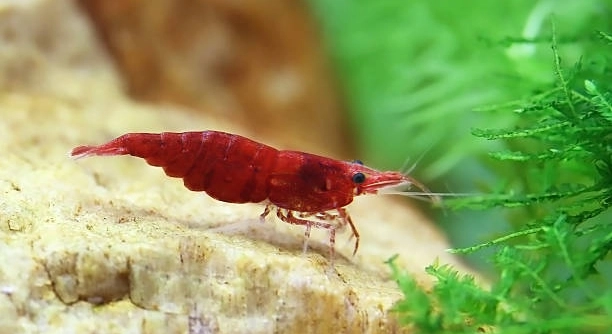
Do you ever notice your shrimp moving differently when the lights turn on in your aquarium? Observing their behavior can be surprisingly interesting, as their patterns often shift with changes in their environment and light conditions.
Shrimp exhibit altered activity levels after lights are turned on due to natural circadian rhythms and sensory responses. Sudden illumination can trigger defensive or exploratory behaviors, influencing feeding, swimming, and hiding patterns within their habitat.
Understanding these changes can help you better care for your shrimp and maintain a stable, healthy aquarium environment. Their reactions offer insight into their daily routines and well-being.
How Light Affects Shrimp Behavior
Shrimp are highly sensitive to light changes, and their behavior shifts noticeably when the lights turn on in an aquarium. They use light cues to regulate activity, feeding, and hiding. In dim conditions, shrimp often remain still or hide among plants and decorations, conserving energy and avoiding perceived threats. When illumination increases, their nervous system reacts, prompting movement and exploration. Some shrimp may swim actively across the tank, while others retreat to shaded areas until they adjust to the brightness. Light intensity, duration, and timing all influence these responses. Observing these patterns can help you predict when shrimp are most likely to feed and interact, ensuring you provide an environment that matches their natural rhythms. Adjusting light gradually rather than abruptly can reduce stress and encourage healthy, natural behaviors. Over time, shrimp can develop routines around consistent lighting, which supports both their activity levels and overall well-being in the tank.
Sudden lighting can cause stress or temporary hiding, affecting feeding and movement patterns. Gradual light changes reduce these impacts.
By paying attention to how shrimp react to light, you can improve tank conditions and anticipate behavioral changes. Consistent schedules, gentle transitions, and proper tank layout help shrimp feel secure, allowing them to thrive. Noticing these shifts also provides insight into their comfort levels and health. Proper lighting supports both activity and rest cycles, promoting long-term stability. Tracking behavior during different lighting periods can reveal preferences for shaded versus illuminated areas. Adjusting feeding times or tank arrangements based on these observations encourages natural habits. Over time, this attentive approach reduces stress, supports growth, and creates a balanced environment that benefits all tank inhabitants. With careful management, shrimp exhibit lively, predictable patterns while remaining healthy and less prone to sudden stress reactions.
Common Reactions to Lights
Shrimp often respond immediately when lights switch on, showing increased movement or sudden retreats to hiding spots.
These reactions occur because shrimp rely on sensory cues to interpret their surroundings. When exposed to sudden illumination, their instinct is to assess danger and adjust behavior. Some species exhibit heightened activity, swimming quickly and exploring new areas, while others remain close to shelter. The response can vary with age, species, and prior experiences with light. Observing how your shrimp react over time allows you to identify safe, comfortable lighting levels and patterns. Adjusting light intensity or introducing gradual transitions helps maintain a calm environment and prevents chronic stress. Additionally, understanding these responses can inform feeding routines, tank cleaning schedules, and placement of decorations or hiding spots. By creating conditions that align with natural behaviors, shrimp remain active, healthy, and better able to exhibit predictable daily routines. The goal is a tank where light supports normal activity rather than disrupting it, improving both shrimp welfare and aquarium balance.
Adjusting Light for Healthier Behavior
Gradually increasing or decreasing light in your tank helps shrimp feel secure and reduces stress. Sudden changes can trigger hiding or erratic movement. Maintaining a consistent schedule improves feeding and activity patterns.
Proper light adjustment supports shrimp well-being by mimicking natural conditions. Slowly ramping up illumination allows shrimp to adapt without panic, while dimming gradually signals rest periods. This approach helps maintain stable circadian rhythms, ensuring predictable behavior and consistent feeding. Overly bright or inconsistent lighting can lead to stress, reduced activity, and even molting issues. Observing shrimp responses during these changes provides insight into their comfort level, allowing small adjustments to improve tank harmony.
Lighting placement and intensity directly influence tank dynamics. Lights that are too strong or positioned incorrectly may cause shrimp to crowd shaded areas or hide excessively. Using timers ensures regularity, while varying brightness can replicate dawn and dusk. Combining light adjustment with strategic hiding spots encourages natural movement and reduces stress. Gradual transitions, matched with a stable environment, enhance shrimp health, promote active behavior, and create a tank that functions efficiently with minimal interference.
Monitoring Shrimp Responses
Observing shrimp closely after lighting changes helps detect stress, unusual behavior, or feeding irregularities early, preventing long-term health issues.
Shrimp display subtle signs when adjusting to light. Increased hiding, slower movement, or reduced feeding indicates discomfort or stress. Tracking these responses over days allows you to identify patterns and determine optimal lighting levels. Providing shaded areas and maintaining consistent light cycles reduces anxiety and supports natural behaviors. Timed adjustments encourage predictable activity, improving overall tank management. Noticing variations between species or individual shrimp is also helpful. Some may adapt quickly, while others require more time and careful observation.
Regular monitoring ensures light conditions match shrimp needs, supporting healthy activity and growth. Observing changes helps prevent prolonged stress and guides adjustments to tank setup. Proper light management, combined with stable water parameters and nutrition, maintains overall health. Shrimp that experience consistent, comfortable lighting display predictable feeding and movement, allowing you to maintain a balanced, stress-free environment. Recording observations, even briefly, provides valuable insight into behavioral patterns, helping refine lighting schedules and tank design. Attentive care ensures shrimp thrive, remain active, and continue exhibiting natural behaviors.
Timing and Duration
Consistent lighting schedules help shrimp develop predictable routines. Sudden changes in timing can stress them and alter normal activity patterns.
Limiting light exposure to a regular day-night cycle prevents over-stimulation. Gradual adjustments during transitions allow shrimp to acclimate comfortably.
Light Intensity and Placement
Too much brightness can make shrimp retreat to shaded areas, while low light encourages exploration. Proper placement balances visibility and comfort, supporting natural behavior.
Signs of Stress
Shrimp that hide constantly, move erratically, or reduce feeding may be stressed by lighting. Monitoring these signs helps prevent long-term health problems.
Creating a Balanced Environment
Combining consistent lighting with hiding spots, plants, and gentle filtration promotes shrimp comfort. Proper tank setup encourages active behavior and reduces stress.
FAQ
Why do shrimp move differently when lights turn on?
Shrimp rely on light cues to regulate activity. When lights suddenly turn on, their natural instinct is to assess safety. Some shrimp become more active, exploring the tank, while others hide until they adjust. These behaviors are linked to circadian rhythms and survival instincts.
How can I reduce stress caused by lighting?
Gradually adjusting light levels instead of switching them on abruptly helps shrimp acclimate. Using timers ensures consistent day-night cycles, while shaded areas give them places to retreat. Gentle, gradual transitions prevent erratic behavior and support natural feeding patterns.
Does light intensity affect shrimp behavior?
Yes, brightness plays a significant role. Strong lighting can make shrimp hide excessively, while very low light may reduce activity. Balanced intensity encourages natural exploration and feeding without causing stress. Observing shrimp reactions allows you to fine-tune light settings for comfort and health.
How long should lights stay on each day?
Most shrimp thrive with 8 to 10 hours of light daily. Maintaining a regular schedule helps stabilize circadian rhythms. Timers make this easier and reduce stress caused by inconsistent lighting. Gradual ramping in the morning and evening can simulate natural sunrise and sunset.
Can sudden lights harm shrimp physically?
While sudden light usually doesn’t cause direct harm, it can trigger stress responses like frantic swimming or hiding. Repeated stress may affect feeding and molting. Providing a gradual light change and safe hiding spots helps prevent negative impacts over time.
Why do some shrimp adapt faster than others?
Adaptation varies by species, age, and prior exposure to light changes. Younger or more timid shrimp may hide longer, while others explore quickly. Observing individuals over several days helps determine optimal lighting and tank conditions for each shrimp type.
Do shrimp prefer light or dark areas?
Shrimp naturally seek shaded or covered areas for protection, especially after lights turn on. However, they need some light to feed and navigate. Providing both shaded zones and illuminated areas allows them to choose according to comfort and activity.
How does lighting affect feeding behavior?
Shrimp are more likely to feed when they feel safe. Bright, sudden lighting can reduce feeding, while consistent, gentle light encourages natural activity. Aligning feeding times with preferred light levels improves nutrition and reduces stress.
Is tank layout important for lighting effects?
Yes, plants, decorations, and hiding spots influence how shrimp respond to light. Dense areas provide security, while open spaces encourage movement. Strategic placement can balance activity and comfort, allowing shrimp to adjust naturally to illumination.
Can monitoring behavior improve shrimp health?
Observing responses to light helps identify stress, illness, or environmental issues early. Tracking patterns in movement, hiding, and feeding allows timely adjustments in lighting, tank setup, and care routines. Consistent observation supports long-term well-being and natural behaviors.
Should lights be changed seasonally?
Seasonal changes aren’t necessary in a controlled aquarium, but minor adjustments mimicking natural light cycles can benefit shrimp. Gradual shifts in timing or intensity help maintain circadian rhythms and support normal activity without causing stress.
How do I know if lighting is optimal?
Optimal lighting promotes active movement, regular feeding, and periodic rest. Shrimp explore the tank without excessive hiding, maintain normal molting patterns, and show predictable responses to light transitions. Observing these signs ensures that tank conditions are suitable and comfortable.
Are LED lights better than fluorescent for shrimp?
LED lights offer precise control over intensity and timing, making them easier to adjust for shrimp comfort. They also produce less heat, reducing stress from temperature fluctuations. Fluorescent lights can work but may require careful monitoring to avoid sudden brightness changes.
Can lighting affect breeding?
Yes, consistent and suitable lighting supports natural rhythms, which influence mating and egg-laying behavior. Stress from abrupt changes can disrupt reproduction, while stable light conditions help shrimp maintain regular breeding patterns and healthy offspring.
How do I handle multiple species with different light preferences?
Providing varied light zones and shaded areas accommodates diverse species. Observing individual responses helps determine the right balance, ensuring all shrimp feel safe while maintaining natural activity and feeding across the tank.
Is it necessary to dim lights at night?
Dim or low lighting at night helps shrimp rest and reduces stress. Maintaining a distinct day-night cycle ensures proper circadian rhythm, which supports overall health and predictable behavior. Timers or adjustable LEDs make this process simple and consistent.
How long does it take shrimp to adjust to new lighting?
Adjustment periods vary but generally take several days to a week. Gradual transitions, combined with secure hiding spots and consistent feeding, help shrimp adapt smoothly, minimizing stress and encouraging normal behavior during and after the change.
Can lighting changes affect water temperature?
Some lights generate heat, which may influence water temperature. LEDs produce minimal heat, while older lighting types might require monitoring. Consistent temperature alongside proper lighting ensures shrimp remain healthy and active without environmental stress.
What are the signs that lighting is too intense?
Excessive light often leads shrimp to cluster in shaded areas, reduce movement, or hide constantly. Observing these behaviors signals the need to lower intensity or adjust placement, ensuring a comfortable and natural environment.
How often should I review lighting setup?
Regularly assessing lighting every few weeks ensures it continues to meet shrimp needs. Observing behavior, checking intensity, and adjusting timers maintains comfort, reduces stress, and supports healthy, active shrimp throughout the year.
Shrimp behavior is closely linked to their environment, and light plays a major role in how they act. When the lights turn on in an aquarium, shrimp often change their activity levels, movement patterns, and feeding behavior. Some become more active and start exploring the tank, while others may hide until they feel secure. These reactions are part of their natural instincts, driven by circadian rhythms and sensory responses. Understanding these patterns helps create a more stable and comfortable environment for shrimp, ensuring they remain healthy and active. Observing shrimp closely over time can reveal how they respond to different lighting conditions, making it easier to adjust the tank setup to match their needs. Light intensity, duration, and timing all influence behavior, so a carefully planned schedule can prevent stress and support predictable routines.
Managing light in a shrimp tank is not just about keeping the tank bright. It involves creating conditions that mimic natural day-night cycles while providing safe spaces for shrimp to hide when needed. Gradual changes in light, rather than sudden switches, reduce stress and encourage natural behaviors. Timers can be very helpful, ensuring that lights turn on and off consistently each day. Positioning lights properly and adjusting intensity also matters, as too much brightness can make shrimp retreat to shaded areas, while too little light may reduce activity. Providing hiding spots, plants, and decorations allows shrimp to feel secure and choose how much exposure they want. This careful planning promotes feeding, activity, and overall well-being, keeping the tank balanced and reducing potential issues related to stress or erratic behavior.
Monitoring shrimp responses to light is equally important. By watching movement, feeding patterns, and hiding behavior, you can gauge whether the lighting setup is appropriate or needs adjustment. Shrimp that adapt well to a consistent schedule will display normal activity, feed regularly, and interact naturally with their environment. Observing changes over time allows you to fine-tune light intensity, duration, and placement to match the shrimp’s preferences and comfort levels. Proper light management, combined with suitable tank layout and water conditions, ensures shrimp thrive while maintaining predictable behavior patterns. By paying attention to these details, shrimp can live in an environment that supports their health, encourages natural habits, and minimizes stress, creating a stable and comfortable home for these delicate creatures.

Hello,
If you enjoy the content that we create, please consider saying a "Thank You!" by leaving a tip.
Every little bit helps us continue crafting quality advice that supports the health, happiness, and well-being of pets around the world, for pets of all shapes, sizes, and species.
We really appreciate the kindness and support that you show us!