
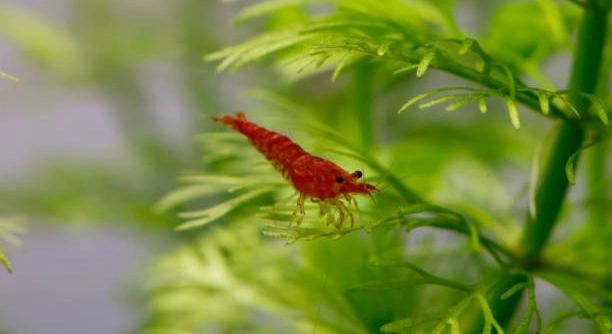
Cherry shrimp are small, colorful creatures that add life to aquariums. They often move around plants, rocks, and decorations, creating a lively scene. Observing them can be relaxing, but their behavior sometimes raises questions about interactions.
Cherry shrimp do exhibit mild territorial behavior, particularly around food and hiding spots. Dominance is usually temporary and not aggressive, with shrimp moving freely once resources are shared. Their interactions are mostly subtle rather than overtly combative.
Learning about these behaviors helps shrimp keepers create a balanced tank. Proper placement of food and shelters can reduce stress and support healthy shrimp interactions.
Understanding Cherry Shrimp Behavior
Cherry shrimp are social but cautious creatures. They spend most of their time grazing on algae and biofilm, exploring their environment slowly. Occasionally, they may chase or push one another when a hiding spot or food source is limited. This behavior is usually brief and rarely harmful. Observing them can show patterns of hierarchy, especially when multiple shrimp compete for the same area. Territorial behavior is often more about access to resources than aggression. Providing plenty of plants, moss, and hiding spots can reduce these minor disputes. Even in smaller tanks, shrimp tend to spread out naturally if the environment has enough visual barriers. Watching them interact can feel almost like seeing a tiny community at work.
Shrimp conflicts are typically subtle. They avoid serious fights and resolve issues quickly.
Creating a well-structured tank with multiple shelters and distributed food encourages harmony among shrimp. This allows them to feed comfortably without constantly bumping into one another. Recognizing these behaviors helps maintain a healthy population and ensures they thrive without stress.
Managing Space and Resources
Tank size and layout affect shrimp interactions. A cramped environment increases the likelihood of minor territorial behavior.
To minimize disputes, arrange plants, moss, and hiding spots strategically. Food should be offered in multiple locations to prevent competition. Observing your shrimp will show how they naturally distribute themselves over time, adjusting to the available space. Creating micro-habitats with decorations and plants allows timid shrimp to retreat when needed, which reduces stress and aggressive encounters. Some shrimp may be more dominant, but proper spacing ensures all individuals get access to food and shelter. Regular cleaning and careful monitoring of water parameters also support a stable environment, as stressed shrimp may act more territorial. Over time, a balanced setup leads to calmer, healthier shrimp that display natural behaviors without constant interference from tank mates. The key is providing options and ensuring resources are easily accessible for everyone in the tank.
Feeding and Territorial Behavior
Cherry shrimp often show minor disputes around food. These interactions are usually quick and involve gentle nudges or brief chasing. They rarely escalate into serious fights, especially when food is plentiful. Observing their behavior during feeding can help identify if your tank layout needs adjustment.
Distributing food in multiple spots reduces competition and stress. Shrimp naturally explore all areas of the tank, so scattering flakes, pellets, or algae wafers encourages fair access. Dense plants and moss provide natural barriers, allowing timid shrimp to feed without interruption. Overfeeding slightly can prevent disputes, but careful monitoring is needed to avoid water quality issues.
Even with plenty of food, some shrimp establish temporary dominance near high-traffic areas or favorite hiding spots. Providing additional shelters and feeding zones encourages movement and prevents the same individuals from monopolizing resources. Minor disputes often resolve within minutes, leaving most shrimp unharmed. Understanding these patterns helps create a calm and balanced tank environment where all shrimp can thrive.
Social Dynamics and Hierarchy
Shrimp hierarchy is subtle and based mostly on access to resources. Dominant shrimp rarely use aggression beyond nudging or chasing smaller individuals.
Hierarchy emerges naturally in tanks with multiple shrimp. Dominant individuals may occupy prime hiding spots or feed first, but this rarely harms others. Over time, less dominant shrimp find alternative areas to feed and rest, reducing conflict. Social dynamics can shift with molting, as freshly molted shrimp are more vulnerable and avoid competition. Observing these interactions provides insight into natural behavior and helps plan tank setups. Providing ample space, plants, and food allows all shrimp to coexist with minimal stress, supporting a healthier and more active colony.
Hiding Spots and Their Importance
Hiding spots are essential for cherry shrimp. Plants, moss, and decorations give them security and reduce stress. Timid shrimp rely on these areas to avoid dominant tankmates and find safe places during molting.
Providing multiple shelters prevents competition and encourages natural behavior. Shrimp feel safer and are more active when they have options.
Tank Size Considerations
Larger tanks help minimize territorial disputes. More space allows shrimp to spread out, reducing stress and competition. Shrimp naturally distribute themselves in spacious environments, creating small personal zones and avoiding unnecessary interactions. Proper tank size is a simple way to encourage harmony and maintain a healthy population.
Monitoring Aggression
Observe shrimp regularly for signs of stress or bullying. Minor nudges are normal, but repeated chasing can indicate overcrowding or insufficient resources.
Adjusting Decorations
Rearranging plants and hiding spots can reset territory claims. Moving items creates new spaces for shrimp to explore and reduces dominance patterns.
FAQ
Do cherry shrimp fight over territory often?
Cherry shrimp rarely engage in true fighting. Most interactions involve nudging or brief chasing near food or hiding spots. These behaviors are brief and usually do not harm the shrimp. Territorial behavior is subtle and temporary, often resolved once resources are shared. Proper tank setup helps minimize these encounters.
How can I prevent conflicts in my tank?
Providing plenty of hiding spots, moss, and plants reduces stress and competition. Food should be distributed in multiple locations to ensure all shrimp can feed comfortably. A larger tank allows shrimp to spread out naturally, avoiding repeated encounters. Regular observation helps identify problem areas and make adjustments.
Are certain shrimp more aggressive than others?
Some individuals may be slightly more dominant, usually around prime hiding spots or high-traffic areas. Aggression is mild and involves nudging rather than serious fighting. Dominant shrimp do not injure others but may occasionally prevent timid shrimp from accessing resources temporarily.
Does tank size affect shrimp behavior?
Yes, tank size plays a major role. In smaller tanks, shrimp are more likely to compete for food and shelter, leading to more noticeable interactions. Larger tanks allow shrimp to create personal zones, reducing stress and encouraging natural exploration. Space helps balance social dynamics.
Do shrimp fight during feeding?
Feeding can trigger mild disputes, especially if food is limited or clustered. Most conflicts are brief and involve nudging rather than aggressive attacks. Scattering food across the tank ensures everyone has access and prevents a single shrimp from dominating a spot.
How do hiding spots influence shrimp interactions?
Hiding spots are essential for safety and stress reduction. Timid or freshly molted shrimp rely on these areas to avoid dominant tankmates. Providing multiple shelters distributes shrimp more evenly, reducing competition and creating a calmer tank environment overall.
What signs indicate stress or aggression?
Repeated chasing, hiding constantly, or reduced feeding can signal stress or mild aggression. Timid shrimp may retreat more often, and dominant individuals may occupy prime locations. Adjusting tank layout, adding shelters, or spreading food can help restore balance and reduce tension.
Do cherry shrimp remember territories?
Shrimp do show familiarity with certain areas, often returning to preferred hiding spots or feeding zones. These zones are temporary and flexible. Rearranging decorations or plants can encourage movement, reduce repeated disputes, and prevent the same shrimp from claiming dominance over a single area.
Is overcrowding a problem?
Overcrowding increases minor territorial behavior, stress, and competition for food. Maintaining a balanced population with proper tank size and sufficient shelters ensures shrimp can coexist peacefully. Observing their interactions helps determine if adjustments are needed.
Can dominant shrimp harm others?
Dominant shrimp rarely harm tankmates. Most actions involve nudging or brief chasing to assert presence. Real harm is uncommon unless overcrowding or lack of resources creates high stress. Ensuring ample space, shelters, and distributed food prevents serious problems.
How often should I rearrange decorations?
Rearranging every few weeks can reset territory patterns and reduce dominance behavior. New layouts create fresh spaces for shy shrimp to explore, keeping the social environment calm. It also encourages activity and natural exploration throughout the tank.
Are some shrimp naturally more timid?
Yes, individual personalities vary. Some shrimp stay hidden or feed cautiously, while others explore freely. Providing multiple hiding spots and evenly distributed food allows timid shrimp to feed safely and reduces stress caused by more dominant tankmates.
Does molting affect territorial behavior?
Molting makes shrimp more vulnerable. Freshly molted individuals often avoid competition and seek shelters. Dominant shrimp may temporarily control areas during this time, but once molted shrimp regain strength, social balance returns. Monitoring molting ensures all shrimp remain safe.
Can adding more plants reduce disputes?
Yes, adding plants and moss increases hiding spaces and natural barriers. This reduces direct encounters, allows timid shrimp to retreat, and spreads feeding areas. Dense planting helps create micro-habitats where shrimp can feed, rest, and explore comfortably.
How long do minor disputes usually last?
Minor disputes are short-lived, often lasting only a few minutes. Most shrimp move on quickly once access to food or shelter is achieved. Proper tank setup with multiple resources helps these conflicts resolve naturally without stress or harm.
Do cherry shrimp establish permanent territories?
No, territories are temporary and situational. Shrimp may prefer certain hiding spots or feeding areas, but these choices are flexible. Rearranging the tank or providing additional shelters allows all shrimp to share resources without prolonged conflicts.
Can changing water conditions affect behavior?
Yes, poor water quality increases stress and can make shrimp more territorial. Regular water changes and maintaining proper parameters reduce tension and support healthy social interactions. Clean, stable water helps shrimp feed, molt, and explore without unnecessary conflict.
Is it normal to see chasing and nudging daily?
Yes, brief chasing and nudging are normal parts of shrimp interactions. These behaviors rarely lead to injury and are a natural way to establish temporary dominance. Observing patterns helps ensure the tank remains balanced and peaceful.
Does shrimp density impact feeding behavior?
Higher density can lead to more competition at feeding times. Spreading food across multiple locations ensures all shrimp have access and reduces stress. Proper tank size and sufficient hiding spots also help distribute shrimp evenly, making feeding calmer and more efficient.
How do I know if adjustments are needed?
Signs like constant hiding, reduced feeding, or repeated chasing indicate that tank layout, population, or feeding methods may need adjustment. Adding plants, shelters, or more space often restores calm and balance. Observing shrimp regularly helps prevent long-term stress and keeps interactions healthy.
Can territory disputes affect breeding?
Minor disputes rarely interfere with breeding. Timid shrimp may avoid dominant areas temporarily, but as long as food, shelters, and water conditions are adequate, breeding continues normally. Ensuring a balanced environment supports both health and reproduction of the colony.
Is it better to separate aggressive individuals?
In most cases, separation isn’t necessary. Aggression is mild and temporary. Adjusting resources, hiding spots, or tank layout usually resolves issues. Only in extreme cases with overcrowding or stressed individuals would separation be considered.
Do shrimp calm down over time?
Yes, shrimp often settle as they establish familiar zones and the tank environment stabilizes. Providing enough space, shelters, and distributed food helps maintain calm interactions, allowing shrimp to coexist peacefully without constant disputes.
Can tank mates influence territorial behavior?
Other shrimp species or fast-moving fish can impact cherry shrimp interactions. Stress from tankmates may make shrimp more cautious or defensive. Choosing compatible species and providing hiding spaces reduces stress and keeps territorial behavior mild and manageable.
Are there signs of serious aggression to watch for?
Serious aggression is rare. Persistent chasing, injury, or constant hiding may indicate stress or overcrowding. Monitoring these signs and making adjustments ensures shrimp remain safe and interactions stay mild and natural.
Does feeding schedule affect disputes?
Regular feeding reduces stress and prevents competition. Irregular feeding or clustering food in one area can trigger nudging or chasing. Multiple feeding points and consistent routines help shrimp access food without conflict.
Can environmental enrichment reduce disputes?
Yes, adding moss, plants, rocks, and decorations encourages exploration and provides hiding places. Enrichment reduces boredom, spreads shrimp throughout the tank, and lowers the chance of repeated nudging or minor disputes.
How long does it take for shrimp to adjust to a new tank?
Shrimp usually adjust within a few days to weeks. Initially, minor nudging may occur as they explore and establish zones. Providing ample shelters, food, and space accelerates comfort and reduces temporary disputes.
Do juvenile shrimp have different behavior than adults?
Juveniles are generally more timid and avoid dominant adults. They rely heavily on hiding spots and may feed in less accessible areas. Adults may assert temporary dominance, but the social hierarchy stabilizes as juveniles grow.
Are certain decorations better for reducing disputes?
Dense plants, moss, caves, and rocks are ideal. They create multiple layers and barriers, allowing shrimp to explore, feed, and hide without repeated encounters. Open areas with little cover can increase minor disputes and stress.
Do seasonal changes affect shrimp behavior?
Temperature and light changes can influence activity but rarely affect territorial behavior. Stable conditions help maintain calm social interactions and predictable feeding patterns. Extreme fluctuations may increase stress and temporary competition.
Can adding more shrimp reduce dominance issues?
Increasing numbers can sometimes balance social interactions, but overcrowding must be avoided. Providing enough space, food, and shelters ensures all shrimp coexist comfortably, with minor disputes remaining brief and harmless.
Is observation important for shrimp care?
Yes, monitoring interactions, feeding, and molting is key. It helps detect stress, adjust tank layout, and maintain harmony. Observing shrimp regularly ensures they thrive in a calm and healthy environment.
Do shrimp communicate through nudging?
Nudging is a subtle form of communication. It helps establish temporary dominance, warn others of nearby resources, or encourage movement. These signals are brief and non-aggressive, allowing shrimp to coexist with minimal conflict.
How often should hiding spots be changed?
Changing hiding spots every few weeks keeps shrimp active and reduces repeated minor disputes. It creates fresh areas for timid shrimp and prevents dominant individuals from monopolizing preferred spots, maintaining balance in the tank.
Can water parameters cause territorial behavior?
Yes, poor water quality or sudden changes can increase stress, leading to more nudging or chasing. Stable, clean water reduces unnecessary tension and supports healthy social dynamics among shrimp.
Are some shrimp naturally more dominant?
Yes, individual personalities vary. Dominant shrimp occupy prime feeding or hiding areas temporarily but rarely harm others. Providing multiple shelters and food spots ensures all shrimp have access and prevents prolonged disputes.
Does the number of hiding spots correlate with shrimp happiness?
More hiding spots generally lead to calmer shrimp. They feel secure, feed comfortably, and explore more freely. Adequate shelters reduce minor disputes and support a healthy, stress-free tank environment.
Can stress increase territorial behavior?
Yes, stress from overcrowding, poor water, or lack of hiding places can make shrimp more assertive. Reducing stress through tank management, feeding strategies, and enrichment keeps territorial behavior mild and interactions peaceful.
Do cherry shrimp adjust to new tankmates quickly?
Adjustment varies but usually takes days to weeks. Timid individuals may hide initially, while others explore freely. Providing shelters and distributed food helps all shrimp acclimate and reduces minor disputes during the transition period.
Are minor disputes harmful long-term?
No, brief nudging and chasing are normal and rarely cause injury. As long as the tank has enough resources, these interactions resolve quickly, allowing shrimp to thrive without long-term harm.
Does molting schedule affect social behavior?
Yes, molting increases vulnerability. Freshly molted shrimp avoid conflict and seek hiding spots. Dominant shrimp may temporarily control areas, but once molted individuals regain strength, normal social balance returns.
Can rearranging plants improve harmony?
Yes, rearranging plants creates new paths and shelters, encouraging timid shrimp to explore. It prevents repeated nudging by dominant shrimp and reduces minor disputes, maintaining a calm tank environment.
Do shrimp fight over favorite hiding spots?
Some mild competition occurs, but it’s usually brief. Providing multiple shelters ensures that all shrimp have access and prevents prolonged dominance over a single location.
How does food type affect disputes?
Sticky or clustered foods may increase nudging, while evenly distributed flakes or wafers reduce competition. Offering multiple types and locations ensures fair access for all shrimp.
Are territorial behaviors more visible in certain tank setups?
Sparse tanks with little cover show more nudging and chasing. Dense planting and layered decorations distribute shrimp naturally, reducing visible disputes and stress.
Can seasonal molting cycles impact interactions?
Yes, molting frequency can temporarily change social dynamics. Newly molted shrimp hide, dominant shrimp may assert temporarily, and once cycles stabilize, normal patterns resume.
Do shrimp remember feeding locations?
Yes, shrimp often return to familiar feeding spots. Scattering food and rotating locations prevents repeated competition at the same area, keeping interactions calm.
Can adding more hiding spots overwhelm shrimp?
Too many hiding spots may reduce visibility but rarely cause stress. Shrimp adapt naturally, and extra shelters generally improve comfort and reduce disputes.
Does light intensity affect territorial behavior?
Bright lighting may encourage hiding, while dimmer light allows more visible activity. Proper balance ensures shrimp feel secure while maintaining natural exploration and minimal disputes.
Are dominant shrimp more active?
Yes, dominant shrimp often explore and feed first, but they rarely harm others. Sufficient space and resources prevent prolonged control and maintain calm social dynamics.
Do shrimp show preferences for certain decorations?
Yes, some decorations become preferred hiding or feeding spots. Providing multiple options ensures all shrimp can access resources without prolonged disputes or stress.
How long does it take to establish social balance?
Most tanks stabilize within a few days to weeks. Proper space, hiding spots, and distributed food help shrimp settle, minimizing repeated nudging or chasing and creating a peaceful environment.
Can water temperature influence disputes?
Extreme temperatures increase stress and minor competition. Maintaining stable, appropriate temperatures reduces aggression and promotes calm behavior throughout the tank.
Does molting frequency differ among shrimp?
Yes, younger shrimp molt more often and may hide frequently. Adults molt less and establish stable zones. Adequate shelters support all stages, reducing stress and territorial disputes.
Are disputes more common in newly established tanks?
Yes, shrimp explore and establish zones. Minor nudging occurs as they adjust. Providing shelters, distributed food, and space accelerates calm and reduces temporary disputes.
Does tank cleanliness affect behavior?
Yes, dirty tanks increase stress and minor disputes. Regular maintenance ensures shrimp remain healthy, calm, and socially balanced.
Can rearranging food locations reduce dominance?
Yes, moving food prevents the same shrimp from monopolizing a spot. Multiple feeding zones promote fair access and reduce minor nudging or chasing.
Are some shrimp naturally more curious?
Yes, curiosity influences interactions. Explorative shrimp may trigger mild nudging or chase behavior, but this rarely causes harm. Balanced tank setup keeps interactions minimal and safe.
Does population density impact hiding behavior?
Higher density increases use of shelters. Timid shrimp retreat more often, while dominant shrimp occupy prime areas temporarily. Providing multiple hiding spots balances population distribution.
Do shrimp ever form alliances?
No, cherry shrimp are not social in that way. Interactions are limited to mild dominance, feeding, and exploration behaviors rather than cooperative actions.
Are there seasonal behavior changes?
Behavior remains mostly consistent with stable temperature, light, and water parameters. Minor changes may occur with molting or breeding cycles, but disputes remain brief and non-harmful.
Does tank decor influence feeding patterns?
Yes, obstacles and hiding spots affect where shrimp feed. Scattered food and layered plants encourage even distribution and reduce repeated nudging or competition.
Can juvenile shrimp assert dominance?
Rarely. Juveniles tend to avoid adults and occupy less contested areas. Dominance is mostly temporary and influenced by size, age, and access to resources.
Does shrimp activity level affect territorial behavior?
More active shrimp may interact more frequently, but nudging remains mild. Adequate space and shelters help maintain calm interactions even with energetic individuals.
Is aggression different between males and females?
Slight differences exist, with males more likely to explore actively. Aggression remains mild in both sexes, and proper tank setup prevents repeated dominance disputes.
Do shrimp compete for breeding spots?
Breeding spots are not fiercely contested. Females may select hiding spots for molting or carrying eggs, but competition is minor and does not harm other shrimp.
Can feeding frequency reduce disputes?
Yes, regular feeding prevents competition. Multiple small feedings ensure all shrimp access food, reducing temporary nudging or chasing and maintaining a calm environment.
Do shrimp remember dominant individuals?
Shrimp show recognition of frequent interactions but do not hold grudges. Temporary dominance resolves naturally when resources are redistributed or tank layout changes.
Can environmental stress trigger aggression?
Yes, poor water, sudden changes, or overcrowding increase minor nudging. Maintaining stable conditions reduces stress and keeps territorial behavior minimal.
Are territorial behaviors more visible at certain times?
Interactions often increase during feeding or molting periods but remain brief. Observing patterns helps adjust tank management and reduce repeated disputes.
Does tank maintenance frequency impact behavior?
Regular cleaning and water changes reduce stress, prevent minor aggression, and support healthy social behavior among shrimp.
Can overcrowding increase molting vulnerability?
Yes, overcrowded tanks increase stress, making molting shrimp hide more and slightly elevating temporary dominance behaviors among others. Adequate space minimizes these effects.
Do dominant shrimp monopolize food permanently?
No, dominant shrimp may feed first, but multiple feeding locations and time allow all shrimp to access food. Dominance is temporary and situational.
Are shy shrimp affected by dominant shrimp?
Shy shrimp may retreat temporarily but thrive when sufficient hiding spots and distributed food are available. Over time, they adjust and feed safely without conflict.
Does tank lighting affect aggression?
Bright or fluctuating lighting can increase hiding, while stable moderate light allows normal activity. Balanced lighting supports calm behavior and reduces repeated minor disputes.
Can adding moss reduce disputes?
Yes, moss provides extra hiding areas and grazing surfaces. It spreads shrimp throughout the tank, lowers competition, and creates a calmer environment for all individuals.
Do dominant shrimp claim favorite plants?
Some may linger on preferred plants briefly, but multiple hiding spots and feeding areas prevent long-term monopolization and ensure balance among shrimp.
How can I tell if my shrimp tank is balanced?
Calm interactions, brief disputes, and regular feeding indicate a healthy, balanced tank. Shy shrimp feel safe, and dominant individuals rarely monopolize resources. Proper setup and observation maintain harmony.
Are certain foods better for reducing disputes?
Small flakes, wafers, and algae spread across the tank reduce competition. Avoid piling food in one spot, as it encourages nudging and brief chasing.
Does tank depth affect territorial behavior?
Deeper tanks with vertical layers allow shrimp to occupy different levels, reducing competition and minor disputes. Vertical space complements horizontal space to maintain balance.
Can seasonal breeding cycles influence social behavior?
Breeding may temporarily alter movement and hiding patterns, but minor disputes remain brief and do not cause harm. Adequate food and shelters support all shrimp during these periods.
Are newly introduced shrimp more likely to trigger disputes?
Yes, newcomers explore and may trigger brief nudging from established individuals. Providing hiding spots and multiple feeding areas helps them integrate smoothly.
Does water hardness affect behavior?
Extreme water hardness can stress shrimp, increasing minor disputes. Maintaining suitable parameters ensures calm social interactions and healthy behavior.
How often should I observe shrimp behavior?
Regular observation, several times per week, helps detect stress, competition, or molting issues. Early adjustments prevent prolonged disputes and maintain a peaceful tank environment.
**Do shrimp compete for vertical space?
Cherry shrimp are fascinating little creatures that bring color and life to any aquarium. Watching them move through plants, moss, and decorations can be relaxing, but their small size can make their behavior easy to overlook. Even though they are peaceful overall, they sometimes show minor territorial behavior, especially around food and hiding spots. This is not the same as aggressive fighting; most interactions are brief nudges or short chases. These small disputes are a natural part of their social dynamics. Dominant individuals may temporarily occupy preferred spots, but once resources are shared or enough hiding places are available, the shrimp return to their normal routines. Understanding these behaviors helps tank owners manage their shrimp better and ensures a calm and balanced environment.
A well-planned tank is key to keeping territorial behavior under control. Providing multiple hiding spots, moss, and decorations allows shrimp to spread out and avoid constant encounters. Food should be distributed in several areas to prevent one shrimp from dominating a single feeding spot. Tank size also plays an important role, as larger environments allow shrimp to create their own zones, reducing stress and minor disputes. Even in smaller tanks, careful placement of shelters and thoughtful feeding routines can help maintain harmony. Observation is an essential tool; by watching shrimp regularly, it becomes easier to identify patterns of dominance, stress, or discomfort and make small adjustments that improve the overall health of the colony.
Minor territorial behavior in cherry shrimp is natural and usually not a cause for concern. Most disputes resolve quickly, and all shrimp can coexist peacefully when provided with sufficient resources. Maintaining stable water parameters, consistent feeding routines, and a balanced tank layout supports healthy social interactions. Shy shrimp have places to retreat, and dominant shrimp can explore without monopolizing the tank. With the right setup and regular observation, these small creatures thrive in a calm environment. Paying attention to their behavior not only helps prevent stress but also allows shrimp to display natural, healthy behaviors. Over time, the tank becomes a harmonious space where every shrimp can feed, molt, and explore comfortably, showing the beauty of their natural interactions without unnecessary conflict.

Hello,
If you enjoy the content that we create, please consider saying a "Thank You!" by leaving a tip.
Every little bit helps us continue crafting quality advice that supports the health, happiness, and well-being of pets around the world, for pets of all shapes, sizes, and species.
We really appreciate the kindness and support that you show us!