
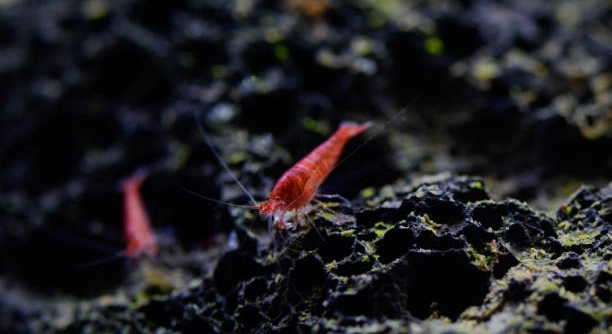
Do you ever find yourself checking your shrimp tank and noticing cloudy water or unusual odors that make you worry about your shrimp’s health? Maintaining clean water is essential for keeping shrimp active and thriving.
Improving shrimp water quality can be achieved through consistent water changes, proper filtration, careful feeding, and monitoring water parameters such as pH, ammonia, nitrites, and nitrates. These practices reduce stress and disease risks, supporting overall shrimp health and growth.
Proper care and small adjustments can make a big difference in your tank. Implementing simple strategies ensures a healthier environment for your shrimp.
Regular Water Changes
Maintaining clean water starts with regular changes. I usually replace about 20-25% of my tank water every week. This helps remove excess waste, leftover food, and harmful chemicals like ammonia and nitrites. I’ve noticed my shrimp are more active after consistent water changes. Even a small tank can benefit significantly from this routine. Using a siphon makes the process easier and helps avoid disturbing the shrimp too much. Fresh water also helps maintain stable pH levels, which is crucial for sensitive species. I make sure the new water is the same temperature and dechlorinated to prevent shocking them. Over time, these small adjustments have improved water clarity and reduced algae buildup. It’s simple, but consistency is key.
Keeping water clean through regular changes prevents stress and promotes shrimp growth while maintaining a safe environment for them.
Even minor weekly adjustments make a noticeable difference in shrimp behavior. They move more, eat better, and molting becomes smoother. Regular water changes are an easy, reliable step toward a healthier tank.
Proper Filtration
A reliable filter keeps water clear and oxygenated. Using a sponge filter is gentle enough for baby shrimp while still removing debris effectively.
Filters create beneficial bacteria colonies that break down waste. This biofiltration is crucial for converting harmful ammonia and nitrites into less dangerous nitrates. I check the filter weekly to ensure it is not clogged and rinse it carefully with tank water to avoid killing bacteria. Over-filtering or strong currents can stress shrimp, so I adjust flow when needed. A clean filter reduces the need for frequent water changes and helps maintain stable water conditions. I’ve found that combining mechanical and biological filtration produces the clearest water and keeps shrimp healthy.
A well-maintained filter improves water quality, reduces odors, and provides a steady flow of oxygen, all of which support shrimp activity.
Selecting the right filtration system requires balancing flow strength and tank size. Overpowering currents can harm shrimp, while insufficient filtration allows toxins to accumulate. Regular checks, careful cleaning, and choosing the right filter type ensure an environment where shrimp thrive consistently.
Careful Feeding
Overfeeding leads to leftover food, which quickly pollutes the tank. I feed my shrimp small amounts that they can finish within a few hours to prevent water contamination.
I’ve learned that feeding too much creates cloudy water and spikes in ammonia and nitrite levels. Shrimp only need a modest amount of food daily, and uneaten food should be removed promptly. I divide the food into two small portions rather than giving it all at once. This helps maintain consistent water quality and ensures all shrimp get access to the food. Overfeeding can also encourage algae growth, which competes with shrimp for oxygen and nutrients.
Choosing high-quality food that dissolves slowly helps minimize water pollution. I rotate between pellets, algae wafers, and occasional blanched vegetables. Monitoring how quickly shrimp eat allows me to adjust portions precisely, keeping water cleaner and shrimp healthier without constant stress from water changes or filtration adjustments.
Monitor Water Parameters
Maintaining stable pH, ammonia, nitrite, and nitrate levels is essential for shrimp health. I check my tank weekly to catch changes early.
Regular testing helps detect dangerous chemical spikes before they harm shrimp. I record pH, ammonia, nitrite, and nitrate levels to track trends over time. Sudden shifts in pH can stress shrimp, leading to molting issues or disease. Ammonia and nitrite should stay at zero, while nitrates should remain low. Adjusting water changes, filtration, or adding buffering agents keeps parameters within safe ranges. Observing shrimp behavior also helps identify early signs of stress caused by chemical imbalance.
Using test kits consistently has allowed me to respond quickly to changes. I adjust feeding, water changes, and filtration based on results. Keeping a log of readings helps plan preventive measures and maintain stable conditions, ensuring shrimp thrive with minimal health risks or behavioral issues.
Avoid Overcrowding
Too many shrimp in a tank increases waste and stresses the colony. I keep populations moderate to maintain clear water and reduce competition for food.
Overcrowding can also lower oxygen levels and make filtration less effective. Maintaining proper shrimp density ensures better water quality and healthier shrimp overall.
Remove Waste Regularly
I use a small siphon to remove uneaten food, shrimp droppings, and plant debris. This prevents buildup that can harm water quality.
Regular cleaning reduces ammonia spikes and keeps the tank environment stable. By removing visible waste frequently, I minimize the need for large water changes and keep the shrimp more active.
Use Live Plants
Live plants absorb nitrates and provide hiding spaces. I include mosses and floating plants to naturally filter the water.
Plants not only help maintain cleaner water but also support shrimp behavior. They provide surfaces for biofilm, which shrimp graze on, and contribute to a balanced, low-stress environment that enhances overall health.
How often should I change my shrimp tank water?
I change about 20-25% of my tank water weekly. This frequency keeps ammonia and nitrite levels low and helps prevent sudden pH swings. Smaller, consistent changes are better than occasional large ones, as they maintain stability, which shrimp are very sensitive to.
What type of filter works best for shrimp tanks?
Sponge filters are my preferred choice. They provide gentle water flow, preventing shrimp from being sucked in or stressed. Sponge filters also support beneficial bacteria growth, which breaks down waste naturally. I combine this with a small mechanical filter for extra clarity without creating strong currents.
How much should I feed my shrimp daily?
Small portions twice a day work best. Shrimp eat slowly, and overfeeding leads to uneaten food decomposing in the tank, which raises ammonia and nitrite levels. I adjust feeding based on how fast they finish the food. I remove leftovers to maintain water quality.
How can I monitor water quality effectively?
I use test kits weekly for ammonia, nitrites, nitrates, and pH. Logging results helps track trends and spot problems early. Observing shrimp behavior is also important; sluggish or hiding shrimp can indicate chemical imbalance or poor water quality.
Why is live plant use important in a shrimp tank?
Plants absorb nitrates and provide surfaces for biofilm, which shrimp graze on. They also give hiding spaces, reducing stress and improving molting success. I use mosses, floating plants, and small rooted plants to create a natural environment while helping maintain water quality.
What is the best way to prevent algae growth?
I control light duration and avoid overfeeding to minimize nutrients that algae use. Live plants compete with algae for these nutrients, naturally reducing its growth. Regular water changes and a gentle filter also help keep algae under control without chemicals.
How do I handle sudden changes in water parameters?
I perform partial water changes and adjust pH buffers carefully to prevent shock. Gradual changes are crucial because sudden shifts in temperature, pH, or chemical levels can stress shrimp and increase mortality. Maintaining steady conditions is always better than reacting to extremes.
Can overcrowding affect water quality?
Yes, too many shrimp increase waste and make filtration less effective. I keep populations moderate to maintain clean water and healthy shrimp. Adequate space also reduces stress, lowers disease risk, and ensures shrimp have enough food and hiding areas.
How important is temperature control?
Stable temperature is critical. I keep my tank within the recommended range for the shrimp species I keep. Sudden changes can stress them, weaken their immune system, and disrupt molting. A heater or aquarium thermometer helps maintain consistency.
What routine maintenance should I follow to ensure good water quality?
I perform weekly water changes, clean the filter gently, remove debris, and test water parameters. Feeding is measured carefully, and live plants are pruned as needed. Logging results and observing shrimp behavior ensures early detection of any issues before they affect health.
How do I prevent ammonia and nitrite spikes?
Consistent water changes, careful feeding, and a mature filter system with beneficial bacteria are key. I avoid overcrowding and remove uneaten food promptly. Monitoring water parameters regularly allows me to respond quickly to potential spikes, preventing harm to shrimp.
Are certain foods better for shrimp water quality?
Yes, high-quality, slow-dissolving foods reduce leftover waste. I rotate between pellets, algae wafers, and blanched vegetables. Foods that dissolve quickly can pollute water if not eaten promptly, so portion control is essential for maintaining clean water.
How can I tell if shrimp are stressed from water issues?
Shrimp may hide excessively, move sluggishly, or have molting problems. Cloudy water, strong odors, or visible algae overgrowth often indicate water quality issues. Observing shrimp behavior alongside testing parameters helps pinpoint problems early.
What is the role of beneficial bacteria in water quality?
Beneficial bacteria convert harmful ammonia and nitrites into less harmful nitrates. I encourage bacteria growth by using a sponge filter and avoiding harsh chemical cleaners. Maintaining these colonies ensures a stable, balanced tank environment and reduces the need for large water changes.
Can plants alone maintain good water quality?
Plants help but cannot replace regular maintenance. They absorb nitrates and provide hiding spaces, but I still perform water changes, clean filters, and monitor parameters. Combining plants with proper tank care creates the most stable and healthy environment for shrimp.
How often should I clean the filter?
I check the filter weekly and rinse it gently with tank water if clogged. Over-cleaning or using tap water can kill beneficial bacteria, so careful maintenance is key. A clean filter ensures proper water flow, clarity, and continued biofiltration without stressing the shrimp.
How can I reduce odors in a shrimp tank?
Regular water changes, removing uneaten food, and cleaning the substrate reduce odors. A well-maintained filter and live plants also help by breaking down waste naturally. Avoid overfeeding and overcrowding, which are common reasons for unpleasant smells.
What small adjustments make the biggest difference?
Portion control during feeding, weekly water changes, monitoring parameters, and keeping moderate populations have had the biggest impact in my tanks. These steps improve water clarity, reduce stress, and support shrimp health more effectively than any single large intervention.
Can shrimp survive in tap water?
Tap water is usable if dechlorinated and adjusted for pH and hardness. I always let tap water sit or use water conditioners before adding it. Untreated tap water can contain chlorine or heavy metals that are toxic to shrimp.
How do I know my water parameters are ideal?
Ideal parameters depend on the shrimp species. I maintain ammonia and nitrites at zero, nitrates low, and pH stable within the recommended range. Regular testing and observing shrimp activity, feeding, and molting patterns confirm water quality suitability.
Maintaining good water quality is the foundation of a healthy shrimp tank. Over the years, I have realized that even small changes in care routines can make a noticeable difference. Regular water changes, careful feeding, and proper filtration are simple steps, but they have a significant impact on shrimp health and activity. I have seen shrimp become more vibrant and active when these basic practices are followed consistently. Clean water reduces stress, prevents disease, and supports normal molting, which is critical for shrimp growth. Even minor neglect can quickly lead to cloudy water, algae growth, or chemical imbalances, which can affect the shrimp in ways that may not be immediately visible. By keeping routines consistent, I avoid these issues and create a stable environment where shrimp can thrive without constant intervention.
Monitoring water parameters has been another key element in maintaining a healthy tank. Weekly testing for pH, ammonia, nitrites, and nitrates allows me to detect issues before they become serious problems. Keeping a simple log of results helps track trends over time and reveals whether adjustments are needed in feeding, water changes, or filtration. I have noticed that shrimp respond well to stability, and sudden changes in water chemistry can be more harmful than minor deviations. Temperature control is also important, especially for sensitive species. Stable conditions reduce stress and improve overall survival rates. Even live plants play a role, naturally filtering the water and providing surfaces for biofilm that shrimp feed on. Integrating plants with careful monitoring has allowed me to maintain a cleaner, more balanced environment, reducing the effort required for frequent water changes or intensive cleaning.
Finally, shrimp tanks benefit from patience and attention to small details. Overcrowding, overfeeding, or neglecting filter maintenance can create long-term problems, even if everything else is done correctly. I have learned that observing shrimp behavior is as important as measuring water parameters. Sluggish movement, hiding, or irregular molting often signals that adjustments are needed. By combining regular maintenance, careful feeding, proper filtration, and consistent monitoring, I have been able to maintain healthy, active shrimp populations over time. Each of these steps contributes to a stable and balanced environment, which reduces stress and prevents disease. Maintaining good water quality is not complicated, but it does require attention and routine. Consistency ensures that shrimp remain healthy and the tank stays clean, making the care process smoother and more rewarding. Over time, these practices become habits, and maintaining optimal water quality becomes second nature. It is a practical approach that delivers visible results and long-term success.

Hello,
If you enjoy the content that we create, please consider saying a "Thank You!" by leaving a tip.
Every little bit helps us continue crafting quality advice that supports the health, happiness, and well-being of pets around the world, for pets of all shapes, sizes, and species.
We really appreciate the kindness and support that you show us!