
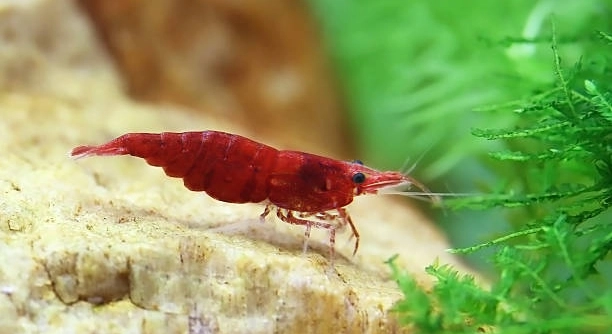
Are your shrimp acting less active than usual or hiding more often in the corners of the tank? Observing their daily habits can reveal subtle signs that something in their care might be off.
Shrimp that are not receiving adequate food may show stunted growth, reduced molting frequency, decreased activity, and a weakened immune response. Insufficient nutrition directly impacts their overall health, making them more susceptible to stress and disease over time.
Recognizing these early warning signs allows you to make adjustments before your shrimp face long-term health problems. Proper feeding habits are essential to maintain a thriving and balanced aquarium environment.
Reduced Activity and Hiding
Shrimp that are not eating enough often spend more time hiding in corners or under decorations. You may notice them moving slowly or appearing lethargic compared to their usual behavior. Healthy shrimp are generally active, exploring the tank and searching for food throughout the day. When they reduce movement, it is a strong indicator that their nutritional needs are not being met. Over time, this lack of activity can affect their growth and overall health. Observing your shrimp regularly helps identify these changes before they become serious. Even subtle shifts, like staying in one spot longer or avoiding open areas, suggest that feeding may be inadequate. Tank conditions, stress, and competition for food can amplify these signs. Ensuring shrimp have access to food at different levels of the tank can encourage normal behavior and improve their health over time. Consistent observation is key.
Low activity levels are often the first sign that your shrimp may need more food in their diet.
Making small adjustments in feeding frequency or providing food that sinks slowly can help. Ensuring all shrimp have access prevents weaker individuals from being left hungry. Overfeeding should be avoided, but underfeeding can stunt growth and reduce energy. Healthy shrimp will return to their normal activity patterns once their dietary needs are consistently met. Regular monitoring of behavior and feeding habits ensures that all shrimp receive proper nutrition without compromising water quality. By paying attention to these behavioral cues, you can maintain a thriving tank and prevent long-term health issues related to insufficient food.
Molting Irregularities
Shrimp that do not get enough food may molt less frequently.
Molting is a vital process for growth and exoskeleton renewal. Inadequate nutrition reduces the energy available for this process, leading to delayed or irregular molts. Young shrimp are particularly vulnerable because they require more nutrients to grow properly. Missing molts can also make shrimp more fragile and susceptible to injury or disease. Providing a balanced diet with sufficient protein, calcium, and trace elements helps ensure regular molting cycles. Observing your shrimp’s exoskeletons and timing of molts can give clear indications of nutritional deficits. Adjusting feeding routines to meet the needs of all shrimp in the tank helps restore healthy molting patterns. Including a mix of algae, specialized shrimp food, and occasional vegetable supplements supports consistent growth. Tracking molting events can also help you identify long-term trends, ensuring your shrimp maintain proper health and vitality throughout their life.
Loss of Color
Shrimp that are not eating enough often lose their vibrant colors and appear pale or dull. Nutrient deficiencies, especially in carotenoids and proteins, directly affect pigmentation, making their appearance less striking than usual.
A healthy shrimp’s color comes from the pigments in its diet, which are absorbed and displayed in the shell and body. When nutrition is insufficient, these pigments are not replenished, leading to fading. Over time, the loss of color can signal prolonged underfeeding or an unbalanced diet. Observing color changes alongside other behavioral signs helps determine if feeding routines need adjustment. Introducing a variety of foods rich in natural pigments, like algae or specialized shrimp pellets, can gradually restore brightness. Consistent, balanced nutrition is key to maintaining both color and overall vitality.
Color loss is often accompanied by weaker activity and slower growth, making early detection important. Regular feeding adjustments help reverse these changes and support a healthier, more vibrant shrimp population.
Reduced Growth
Shrimp that are not receiving enough food grow more slowly and may appear smaller than their tank mates. Growth depends heavily on consistent and adequate nutrition.
Insufficient food intake limits the energy available for molting, tissue development, and overall body growth. Shrimp require protein and trace nutrients to build new exoskeleton and internal structures. Without enough food, younger shrimp are especially at risk, often lagging behind in size compared to others. Over time, reduced growth can lead to increased vulnerability to stress, disease, and predation in community tanks. Monitoring size differences within the tank provides a clear indicator of potential nutritional issues. Providing a varied diet and feeding small portions multiple times a day helps promote steady growth. Careful observation and intervention can prevent long-term stunting and maintain a healthy shrimp population.
Slow growth is often paired with irregular molting and fading colors, reinforcing the need to assess feeding habits and nutrient availability. Maintaining proper nutrition ensures shrimp develop properly and remain active and healthy in their environment.
Clinging to Surfaces
Shrimp that are not getting enough food often cling to tank surfaces or decorations for long periods. This behavior usually indicates they are searching for leftover food or grazing constantly to meet their energy needs.
Persistent clinging can also stress shrimp, making them less active in open areas.
Scraping and Picking
Underfed shrimp may scrape algae or detritus from surfaces more aggressively than usual. This behavior is an attempt to extract as many nutrients as possible from available sources. It can lead to visible marks on plants or tank glass where they forage intensively.
Weak Swimming
Shrimp that lack adequate nutrition swim less actively and may struggle with normal movement. Insufficient energy intake reduces muscle strength and endurance, making it harder for them to navigate the tank efficiently.
Frequent Molt Issues
Shrimp experiencing frequent molt problems, like incomplete or delayed molts, are often not receiving enough nutrition. Proper feeding supports regular exoskeleton shedding and healthy growth.
How often should I feed my shrimp?
Feeding frequency depends on shrimp species and tank size, but generally, small portions once or twice daily work best. Overfeeding can harm water quality, while underfeeding affects growth and activity. Observing how quickly shrimp consume food helps determine the right portion.
What types of food are best for shrimp?
Shrimp thrive on a balanced diet including algae, biofilm, vegetables, and specialized shrimp pellets. Protein-rich foods support growth and molting, while plant matter provides essential nutrients for color and overall health. Rotating foods helps prevent nutrient deficiencies and keeps shrimp active and healthy.
How can I tell if my shrimp are underfed?
Signs include reduced activity, faded color, slower growth, irregular molting, and excessive scraping or clinging to surfaces. Weak swimming and hiding more often are also common. Monitoring these behaviors regularly allows early intervention and prevents long-term health issues.
Can underfeeding affect molting?
Yes, molting is energy-intensive and requires sufficient nutrition. Without enough food, shrimp may molt less frequently or experience incomplete molts, increasing vulnerability to injury and disease. Proper feeding ensures exoskeleton regeneration and normal growth patterns.
Is it possible to overfeed shrimp?
Overfeeding can be just as harmful as underfeeding. Excess food decomposes in the tank, raising ammonia and nitrite levels, which stress shrimp. Feeding small portions and removing uneaten food helps maintain water quality while providing adequate nutrition.
What are the best signs of healthy shrimp?
Healthy shrimp are active, swim freely, show vibrant color, molt regularly, and maintain steady growth. They forage without stress and interact normally with tank mates. Observing these traits consistently ensures their diet and environment are meeting their needs.
How can I improve feeding habits in a community tank?
Provide multiple feeding spots to reduce competition and ensure weaker shrimp access food. Using slow-sinking pellets or vegetables allows all shrimp to eat. Observing feeding behavior helps adjust portion sizes and timing for balanced nutrition across the tank.
Are live foods necessary for shrimp?
Live foods like daphnia or microworms are not required but can enhance protein intake and stimulate natural foraging behaviors. They are especially useful for young shrimp or during molting periods to support growth and development.
Can vegetables alone sustain shrimp?
Vegetables provide important nutrients and fiber but lack sufficient protein for optimal growth and molting. A varied diet combining plant matter, protein-rich pellets, and occasional live food ensures shrimp remain healthy and colorful.
What should I do if my shrimp show multiple signs of underfeeding?
Adjust feeding routines immediately by providing small, frequent meals with a mix of plant and protein-rich foods. Monitor behavior, color, and molting closely. Gradual improvements in activity and appearance indicate recovery, while persistent issues may require reviewing tank conditions and water quality.
How long does it take to see improvements after adjusting feeding?
Changes in activity and foraging can appear within days, while color restoration and growth may take several weeks. Consistency in feeding and observation is key to helping shrimp recover fully from underfeeding effects.
Are some shrimp species more prone to underfeeding issues?
Yes, smaller or more timid species may struggle to access food in competitive tanks. Providing multiple feeding areas, slow-sinking foods, and observing weaker individuals ensures all shrimp receive adequate nutrition and reduces stress.
How can I prevent underfeeding in the future?
Establish a consistent feeding schedule with measured portions. Offer a varied diet, observe shrimp behavior, and adjust based on activity levels and consumption. Maintaining tank cleanliness and water quality also supports proper feeding and overall shrimp health.
Does water quality affect feeding habits?
Poor water quality can reduce appetite and stress shrimp, even if food is available. Monitoring ammonia, nitrite, nitrate, and pH levels ensures shrimp remain healthy and willing to eat. Healthy water supports better digestion, growth, and molting.
What role does algae play in shrimp nutrition?
Algae and biofilm provide essential nutrients, including carotenoids for color and small proteins. Even in well-fed tanks, natural grazing helps shrimp maintain energy and supports digestive health, complementing other foods for a balanced diet.
Proper feeding is essential for keeping shrimp healthy, active, and vibrant. Observing their behavior regularly can help identify when they are not getting enough food. Signs such as hiding more often, reduced swimming, fading colors, slower growth, and irregular molting are clear indicators of nutritional deficiencies. These signs are not always obvious at first, so paying close attention to daily habits and interactions within the tank is important. Ensuring all shrimp have access to food is key, especially in community tanks where competition may leave weaker or smaller individuals underfed. Providing a balanced diet that includes algae, plant matter, specialized pellets, and occasional protein sources helps meet their nutritional needs. Even small adjustments in feeding frequency, portion size, or the type of food can significantly improve shrimp health over time, supporting both growth and color development.
Maintaining proper nutrition goes hand in hand with overall tank care. Clean water and stable conditions help shrimp digest and utilize food efficiently. Poor water quality or extreme temperature fluctuations can reduce appetite, even when food is available, which can worsen the effects of underfeeding. Observing how shrimp interact with their environment and with each other can provide useful information about their well-being. It’s also important to remember that younger shrimp or newly introduced individuals may require more careful feeding management, as they can struggle to compete for resources. Using multiple feeding points or foods that sink slowly ensures all shrimp can access nutrition without disrupting water quality. Keeping a consistent routine helps shrimp feel secure and promotes predictable feeding behavior, which in turn supports molting cycles and steady growth.
Even with careful attention, it can take time for shrimp to recover from periods of underfeeding. Improvements in activity may be noticeable within days, while color restoration, stronger swimming, and growth may take several weeks. Patience and consistency are essential during this recovery period. Gradually reintroducing a varied diet and monitoring shrimp behavior allows for adjustment to meet their ongoing nutritional needs. Regular observation is the most reliable way to prevent future feeding issues and maintain a thriving shrimp population. With balanced nutrition, stable tank conditions, and careful monitoring, shrimp can remain active, healthy, and colorful, ensuring a more enjoyable and sustainable aquarium environment for both the shrimp and the caretaker.

Hello,
If you enjoy the content that we create, please consider saying a "Thank You!" by leaving a tip.
Every little bit helps us continue crafting quality advice that supports the health, happiness, and well-being of pets around the world, for pets of all shapes, sizes, and species.
We really appreciate the kindness and support that you show us!