
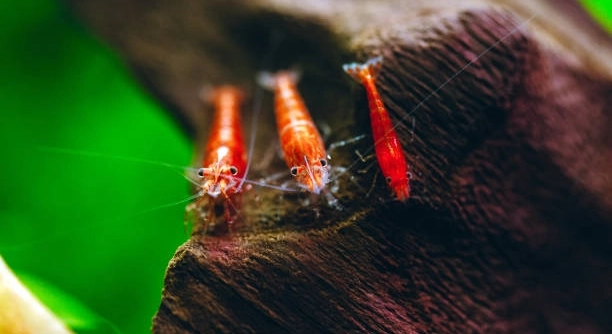
Cherry shrimp are fascinating little creatures that bring vibrant color and life to freshwater tanks. Observing their behavior can be rewarding, especially when they move in groups or interact with each other during feeding times.
Cherry shrimp often hide after group feeding due to a combination of stress, territorial instincts, and the need to digest safely. Retreating to sheltered areas helps reduce conflict and predation risk while allowing shrimp to recover from social interactions.
Understanding this behavior can improve tank management and shrimp welfare, ensuring a harmonious environment where your shrimp feel secure and healthy.
Why Cherry Shrimp Retreat After Feeding
Cherry shrimp are naturally cautious animals. After group feeding, they often seek shelter in plants, rocks, or decorations to feel safe. This behavior is normal and reflects their instinct to avoid predators, even in a secure tank. Feeding in groups can temporarily increase stress as shrimp compete for food. Some may chase or bump into each other, which triggers hiding. Shrimp also need time to digest, and staying in a safe spot allows them to focus on processing their meal without disturbances. Observing this pattern helps understand their social dynamics. Their vibrant colors often fade slightly when hiding, a natural reaction that signals calm but alert behavior. Tank layout affects hiding frequency; more cover leads to longer retreats. Frequent disturbances or overcrowding can prolong hiding. Maintaining stable water conditions, providing sufficient hiding places, and feeding in moderation can reduce stress and encourage shrimp to return more quickly after feeding, promoting overall health and activity.
Hiding after feeding is a protective and digestive behavior. Shrimp feel more secure in plants and decorations.
By observing these retreats, you can adjust tank conditions to minimize stress. Providing ample hiding spaces, spacing out feeding times, and avoiding sudden movements around the tank will help your shrimp feel safe. Overcrowding or frequent disturbances can increase hiding frequency and reduce overall activity. A calm, stable environment encourages shrimp to explore and interact while maintaining natural instincts. Understanding the reasons behind post-feeding retreats allows better tank management, ensuring shrimp thrive. Monitoring water quality, feeding smaller portions, and arranging plants thoughtfully can all reduce stress.
How Tank Environment Influences Hiding
Tank decorations and plants give shrimp areas to retreat, which is essential for their comfort. Dense vegetation, rocks, and hiding spots allow them to avoid perceived threats and settle after feeding.
A thoughtfully arranged tank significantly affects shrimp behavior. If hiding spots are limited, shy or smaller shrimp may feel threatened and spend more time out of sight. Providing tall plants, moss, and caves creates layers of cover, reducing stress during and after feeding. Tank size and water flow also influence movement; strong currents can push shrimp into shelters, while calm areas invite exploration. Feeding routines play a role too—spreading food across multiple locations prevents crowding and competition, which minimizes stress and post-feeding retreats. Observation helps identify favorite hiding spots, allowing adjustments for better accessibility. A well-balanced environment promotes natural behaviors, keeps shrimp active, and enhances coloration. Clear water, stable temperature, and a mix of surfaces for grazing all contribute to reducing prolonged hiding, creating a tank where shrimp feel safe, secure, and comfortable after every meal.
Feeding Practices That Affect Hiding
Overfeeding can cause shrimp to hide more after meals. Large amounts of food create competition and stress, making them retreat.
Portion control is essential. Feeding smaller amounts several times a day reduces crowding and allows all shrimp to access food comfortably. Uneaten food can decompose, affecting water quality and increasing stress, so removing excess food promptly is important. Feeding evenly across the tank prevents dominant shrimp from monopolizing resources. Observing shrimp during feeding helps identify patterns and adjust amounts as needed. Consistency in feeding times and portions helps shrimp feel secure and reduces unnecessary hiding after meals.
Different food types also influence behavior. High-protein foods can energize shrimp and encourage activity, while heavier or sticky foods may cause more crowding around feeding spots. Rotating food types and ensuring even distribution prevents conflicts and supports digestion. Offering vegetables or algae-based foods allows slower-eating shrimp to feed without stress. Over time, consistent feeding practices lead to more predictable behavior, with shrimp spending less time hiding and more time exploring. Monitoring their reactions helps fine-tune feeding routines for optimal health and minimal stress.
Social Dynamics in Cherry Shrimp Groups
Shrimp hierarchies affect hiding behaviors. Dominant individuals may chase smaller shrimp, causing retreats.
Group size impacts stress levels. In larger groups, some shrimp may hide more often to avoid conflicts, while smaller groups experience less crowding and calmer interactions. Observing how shrimp interact reveals patterns of dominance and submission, helping identify which individuals are consistently stressed. Territorial behavior emerges around favorite hiding spots or food sources, influencing movement and retreat frequency. Ensuring sufficient space and hiding areas allows all shrimp to coexist peacefully, reducing stress-related hiding. Adjusting group size or adding plants can balance interactions, promoting a healthier, calmer tank environment.
Environmental stability also influences social behavior. Sudden changes in water parameters or tank rearrangements can increase aggression or cause timid shrimp to hide longer. Maintaining consistent conditions and providing multiple hiding areas helps mitigate stress. Monitoring shrimp interactions over time shows which individuals feel secure and which may need additional cover. Strategically placing decorations to create small territories can prevent constant chasing, while regular feeding practices reduce competition. A well-structured environment combined with stable care promotes harmony, encouraging shrimp to remain active and visible instead of retreating unnecessarily.
Water Quality and Its Role
Poor water conditions make shrimp more likely to hide after feeding. Ammonia, nitrite, and sudden pH changes cause stress, prompting retreats.
Maintaining stable water parameters is crucial. Regular testing, partial water changes, and proper filtration help shrimp feel secure. Clear, clean water supports natural behavior and reduces hiding frequency.
Light and Hiding Behavior
Bright or sudden lighting can startle shrimp, causing them to seek shelter immediately. They prefer gentle, consistent lighting that mimics natural conditions and reduces stress. Adjusting light schedules and intensity helps shrimp remain active after feeding while still providing safe retreat options.
Temperature Effects
Fluctuating or extreme temperatures make shrimp more likely to hide. Stable, moderate water temperatures support normal activity and digestion, keeping them visible after feeding.
FAQ
Why do cherry shrimp hide right after feeding?
Cherry shrimp hide after feeding as a natural response to stress and to ensure safety. Group feeding can create competition, bumping, or minor skirmishes, which trigger retreat instincts. Hiding also allows them to digest food safely without distractions. Providing ample plants and hiding spots helps shrimp feel secure and reduces extended retreats.
Is hiding after feeding a sign of illness?
Not necessarily. Occasional hiding is normal, especially after group feeding or when shrimp are digesting. However, consistent hiding combined with lethargy, color loss, or refusal to eat may indicate water quality issues or illness. Testing water parameters and observing behavior closely can determine whether intervention is needed.
How long do cherry shrimp usually hide after feeding?
Most shrimp return to normal activity within 20 to 60 minutes after feeding, depending on tank conditions and group dynamics. Some shy or smaller shrimp may take longer, especially if they feel threatened by more dominant tank mates or if hiding spots are limited.
Can feeding frequency affect hiding behavior?
Yes. Feeding too much at once can cause crowding, leading to increased hiding. Smaller, more frequent meals reduce competition and allow all shrimp to access food comfortably. Consistent feeding schedules help shrimp feel secure and predict when food will be available, minimizing stress-induced retreats.
Does the type of food matter?
Different foods affect shrimp behavior. High-protein foods or sticky pellets can attract more shrimp to a single spot, causing crowding and temporary hiding for smaller shrimp. Offering a mix of algae, vegetables, and powdered foods, and spreading food across the tank, encourages even feeding and reduces stress.
Do tank decorations influence hiding?
Yes. Dense plants, moss, rocks, and caves provide essential shelter. Shrimp feel more secure when they have multiple retreat options. A well-decorated tank reduces conflicts and allows shy shrimp to hide temporarily without stress. Observing favorite hiding spots can guide adjustments to layout for a balanced environment.
Can water quality cause increased hiding?
Absolutely. Poor water conditions, sudden pH changes, ammonia spikes, or high nitrite levels stress shrimp and prompt retreats. Regular testing, partial water changes, and stable filtration are crucial. Maintaining clean, consistent water supports natural behavior and reduces hiding after feeding.
Does light intensity affect post-feeding hiding?
Bright or sudden lighting can startle shrimp, making them retreat immediately after feeding. Gradual lighting schedules and moderate intensity help shrimp feel safe, allowing them to explore while still having cover when needed. Adjustable lighting can reduce hiding without compromising tank aesthetics.
How does temperature influence hiding?
Fluctuating or extreme temperatures stress shrimp, causing prolonged hiding. Stable water temperatures within recommended ranges support digestion and activity. Sudden drops or spikes in temperature can make shrimp retreat for longer periods, emphasizing the need for a reliable heater and thermometer.
Will shrimp socialize differently if hiding is frequent?
Yes. Shrimp may avoid areas dominated by more aggressive individuals, leading to imbalanced grazing or skipped feeding. Providing multiple hiding spots, careful group sizing, and even distribution of food encourages more equitable interaction and reduces stress-induced hiding.
Can stress from other tank inhabitants cause hiding?
Yes. Fish or larger invertebrates in the same tank may intimidate shrimp, especially after feeding when they are more active. Isolating shrimp-friendly tanks or ensuring peaceful tank mates helps reduce hiding caused by external threats.
Are there ways to encourage shrimp to return quickly after feeding?
Yes. Ensure sufficient hiding spots, stable water conditions, consistent feeding schedules, and evenly distributed food. Minimizing sudden movements around the tank and maintaining moderate lighting also encourages shrimp to resume activity sooner after eating.
Does hiding affect shrimp growth or health?
Temporary hiding is normal and doesn’t negatively impact growth. Prolonged hiding due to stress, poor water quality, or insufficient food access can affect health. Monitoring behavior, water quality, and feeding practices ensures shrimp remain active, healthy, and well-nourished.
How can I tell if hiding is normal or problematic?
Normal hiding is temporary and shrimp return to activity after digestion. Problematic hiding involves lethargy, loss of color, refusal to eat, or persistent retreat. Observing shrimp regularly and maintaining optimal tank conditions helps differentiate between normal and concerning behavior.
Does group size matter for hiding tendencies?
Yes. Larger groups can increase competition and hiding frequency, while very small groups may reduce social interaction, affecting feeding behavior. Maintaining a balanced group with sufficient space and hiding spots minimizes stress and promotes healthier social dynamics.
Can seasonal changes affect hiding?
Minor seasonal variations in room temperature or light can influence shrimp behavior, slightly increasing hiding. Consistent tank conditions, including stable temperature and lighting, help mitigate these effects and maintain regular activity patterns.
Is hiding after feeding a problem I need to fix?
Not usually. It’s a natural behavior that shows shrimp feel the need to be cautious. The focus should be on ensuring a safe, stable environment, balanced feeding, and sufficient hiding spaces to support normal shrimp behavior.
Do shrimp ever stop hiding completely after feeding?
Shrimp may reduce hiding as they become accustomed to tank conditions, stable feeding schedules, and safe surroundings. Some shy individuals will always use shelter occasionally, but proper care minimizes excessive retreats. Observing behavior and adjusting conditions ensures shrimp feel secure while staying active.
Can I predict which shrimp will hide more?
Shy or smaller shrimp tend to hide more, while dominant or larger shrimp are more active. Observing interactions during feeding helps identify which individuals need extra cover, allowing tailored tank arrangements that reduce stress and support overall group harmony.
Does tank size influence hiding behavior?
Yes. Smaller tanks can increase stress and competition, prompting more frequent hiding. Larger tanks provide more space to spread out, reduce conflicts, and allow multiple retreat areas, helping shrimp feel secure and encouraging more visible activity after feeding.
Are there behavioral signs to watch during hiding?
Shrimp curling their bodies, fading in color, or remaining completely still are signs of stress or caution. These behaviors are often temporary post-feeding. Persistent signs alongside inactivity may indicate environmental or health issues requiring attention.
Can hiding behavior change over time?
Yes. As shrimp adapt to their environment, gain confidence, or adjust to tankmates, hiding frequency can decrease. Proper care, consistent feeding, and stable conditions support more active and visible behavior over time, while still allowing occasional retreats when necessary.
How does hiding relate to molting?
Shrimp often hide before and after molting to protect themselves during vulnerable stages. Providing safe, covered areas ensures they can molt without stress or interference, reducing the risk of injury and promoting healthy growth.
Does water flow affect hiding?
Strong currents can push shrimp into sheltered areas, making them hide more after feeding. Calm or gently flowing water helps shrimp feed comfortably, move freely, and return to activity sooner. Adjusting flow with filters or decorations supports a more relaxed environment.
Can adding more hiding spots reduce post-feeding retreats?
Yes. Increasing plants, moss, or rocks gives shrimp multiple safe areas, reducing competition and stress. Strategically placing these spots throughout the tank encourages natural exploration while still allowing temporary retreats after feeding or during social interactions.
Is hiding influenced by shrimp age?
Juvenile shrimp tend to hide more than adults due to size and vulnerability. Adults may be bolder but still use hiding spots after feeding. Providing adequate cover ensures all ages feel secure and reduces stress-related behavior.
How long should I monitor hiding behavior?
Regular observation over several weeks is ideal. Tracking changes in activity after feeding helps identify patterns, potential stressors, and areas for improvement. Consistent monitoring ensures shrimp remain healthy and active.
Does substrate type affect hiding?
Yes. Fine substrates, sand, or small gravel allow shrimp to forage and feel secure. Uneven or harsh substrates may stress shrimp, prompting longer retreats. Choosing the right substrate supports feeding, digging, and natural hiding behaviors.
Can plants alone reduce hiding?
Plants provide excellent cover, but combining them with rocks, moss, or decorations creates layered shelters. Multiple retreat options ensure all shrimp have access to safe spots, reducing stress and post-feeding hiding without limiting activity.
Do shrimp always hide in the same spots?
Not always. While some prefer specific areas, shrimp may change hiding locations depending on group dynamics, food distribution, or changes in the tank. Offering multiple options allows flexibility and reduces stress-related conflicts.
Is hiding more common in certain cherry shrimp colors or strains?
Shy or less dominant strains may hide more, but behavior largely depends on individual temperament and tank conditions rather than color alone. Proper care and environment help all shrimp feel secure and reduce unnecessary hiding.
How can I encourage more active shrimp after feeding?
Provide evenly distributed food, stable water, moderate lighting, and sufficient hiding spots. Calm surroundings and consistent care promote visible activity while still respecting natural retreat behaviors. Adjusting tank layout and group size can further encourage exploration.
Can hiding behavior indicate tank issues early?
Yes. Sudden increases in hiding may signal water quality problems, overcrowding, or stress from new tankmates. Observing these changes early allows prompt action to maintain a healthy environment and prevent long-term issues.
Are there signs that hiding is reducing naturally?
Shrimp returning to normal activity faster after feeding, exploring more, and displaying vibrant colors indicate reduced hiding behavior. Stable conditions, proper feeding, and ample shelter support this positive adjustment over time.
Does tank cover like floating plants influence hiding?
Floating plants provide shade and cover, helping shrimp feel secure. They reduce light intensity and create additional retreat areas, which can minimize stress-related hiding while still encouraging active feeding and movement.
How do shrimp react to sudden disturbances while feeding?
Shrimp often retreat immediately if startled, even after feeding. Minimizing sudden movements, tapping, or nearby vibrations allows them to digest and return to normal activity safely.
Can hiding behavior impact breeding?
Temporary hiding is normal and doesn’t interfere with breeding. Providing safe areas ensures females can release eggs without disturbance, while males can locate mates in a calmer environment, promoting successful reproduction.
Do shrimp hide more in planted vs. bare tanks?
Yes. Planted tanks offer more security, allowing natural hiding behavior without stress. Bare tanks may leave shrimp exposed, causing prolonged hiding or lethargy. Balancing open space for activity with sufficient cover is ideal.
Can feeding timing reduce hiding?
Consistent, predictable feeding schedules help shrimp anticipate meals and reduce stress. Feeding at the same times daily minimizes competition and allows shrimp to return to activity confidently after eating.
Is hiding more frequent in newly introduced shrimp?
Yes. New shrimp often hide as they adjust to water conditions, tankmates, and layout. Providing ample cover and avoiding disturbances helps them acclimate more comfortably and reduces prolonged retreats.
Can hiding after feeding be completely eliminated?
No. Some retreat behavior is natural and protective. The goal is to minimize stress, provide sufficient shelter, and encourage healthy activity without trying to eliminate hiding entirely.
Do seasonal lighting changes affect hiding?
Yes. Fluctuations in daylight or artificial light may temporarily increase hiding. Consistent tank lighting helps maintain predictable activity and reduces stress-induced retreats after feeding.
Are there any signs that hiding is beneficial?
Yes. Hiding allows shrimp to digest safely, recover from minor social stress, and molt without interference. Occasional retreats indicate natural, healthy behavior rather than a problem, as long as activity resumes afterward.
How do I balance hiding and visibility for observation?
Provide multiple retreat areas while keeping some open spaces. Strategically placed decorations and plants allow shrimp to feel secure yet remain visible for monitoring feeding, health, and social interactions regularly.
Can frequent water changes impact hiding behavior?
Sudden or large water changes may startle shrimp, causing temporary hiding. Gradual, partial changes maintain water quality while minimizing stress and helping shrimp resume activity more quickly after feeding.
Does shrimp temperament influence hiding frequency?
Yes. Individual shrimp vary in boldness. Some are naturally shy and retreat often, while others are more confident. Providing a supportive environment allows all temperaments to thrive and reduces prolonged stress.
How important is tank noise and vibration?
Excessive vibration or tapping can make shrimp hide immediately. Minimizing nearby disturbances, gentle handling, and quiet equipment operation supports calm behavior and reduces unnecessary retreats.
Can hiding behavior change after molting?
Yes. Shrimp are especially vulnerable post-molt and may hide more. Ensuring safe retreats during molting helps prevent injury, stress, or predation in community tanks.
Are there long-term effects of frequent hiding?
If hiding is due to natural behavior, there are no negative effects. Stress-related prolonged hiding, however, can reduce feeding, growth, and social interaction. Maintaining stable conditions and ample cover ensures healthy shrimp behavior.
Do shrimp communicate during hiding?
Indirectly. Retreats signal dominance, submission, or stress to other shrimp. Observing group interactions helps identify social patterns, allowing adjustments to minimize conflicts and maintain a peaceful tank environment.
How can I track hiding patterns effectively?
Regular observation, noting times, durations, and triggers, helps track trends. Understanding patterns allows adjustments to feeding, tank layout, and environmental conditions, promoting healthier and more predictable shrimp behavior.
Does water hardness influence hiding?
Extreme hardness can stress shrimp, prompting retreats. Maintaining appropriate levels for cherry shrimp supports natural activity, digestion, and reduces stress-related hiding after feeding.
Can hiding behavior indicate aggression in the tank?
Yes. Frequent retreats after feeding may signal dominance behavior or territorial disputes. Observing interactions helps identify aggressive individuals and guides tank adjustments to reduce stress and improve group dynamics.
Is hiding frequency different between male and female shrimp?
Females may hide more, especially when carrying eggs or molting. Males are generally more active but still use cover. Providing sufficient hiding spots ensures all shrimp feel secure, regardless of sex.
Does shrimp size affect hiding behavior?
Smaller or juvenile shrimp tend to hide more to avoid larger or dominant tankmates. Adults are bolder but still use shelter when stressed. Adequate hiding areas support shrimp of all sizes and reduce prolonged retreats.
Can diet changes influence hiding?
Yes. Switching foods suddenly or introducing high-protein meals may increase crowding and hiding temporarily. Gradual changes and even distribution reduce stress and encourage consistent activity after feeding.
Are there visual cues that shrimp are about to hide?
Shrimp may slow movement, change color slightly, or approach shelter before feeding ends. Recognizing these signs helps predict retreat behavior and guide tank arrangement for safety and comfort.
Do shrimp prefer specific hiding spots after feeding?
They often favor dense plants, moss, or caves. Preferences vary by individual and group dynamics. Offering multiple options ensures all shrimp can retreat comfortably while reducing stress.
Does substrate color or type influence hiding?
Neutral-colored, soft substrates like sand or fine gravel support natural camouflage and comfort, encouraging safe retreats. Harsh or uneven substrates may increase hiding due to stress or difficulty moving.
Can hiding behavior indicate water contamination?
Yes. Increased hiding combined with unusual behavior may signal toxins, poor filtration, or chemical imbalance. Prompt testing and correction protect shrimp health and reduce stress-related retreats.
Do shrimp hide more during feeding with lights on or off?
Bright lights often trigger hiding, while dim or natural lighting encourages feeding activity. Balanced lighting helps shrimp feel secure without limiting visibility or interaction.
How often should I reassess hiding behavior?
Regular observation weekly or monthly ensures shrimp remain healthy, feeding, and active. Tracking changes helps catch environmental or social stressors early and maintain a stable tank environment.
Is hiding behavior more common in community tanks?
Yes. Other inhabitants can intimidate shrimp, increasing hiding frequency. Providing secure spots and monitoring interactions ensures shrimp remain active while feeling safe in mixed tanks.
Can hiding affect shrimp color intensity?
Temporary hiding may dull colors slightly due to stress. Once shrimp return to activity and feel secure, coloration typically returns, indicating normal health and behavior.
Does water flow pattern impact hiding locations?
Yes. Strong currents push shrimp toward sheltered areas. Gentle or controlled flow allows comfortable feeding, natural movement, and less prolonged retreat.
Can adding more tankmates reduce hiding?
Not always. Overcrowding increases competition and stress. Balanced group sizes with sufficient cover are more effective in minimizing hiding behavior.
Do seasonal feeding habits influence hiding?
Minor seasonal changes may alter feeding patterns, slightly affecting hiding frequency. Consistent care and environmental stability help maintain predictable shrimp behavior.
Can hiding patterns predict shrimp health issues?
Persistent, unexplained hiding alongside inactivity, poor coloration, or loss of appetite may indicate illness. Early detection through observation ensures timely intervention and proper care.
Is hiding behavior affected by water pH?
Yes. Sudden changes or extremes in pH can stress shrimp, prompting retreats. Stable, suitable pH levels support feeding, digestion, and normal activity patterns.
Do shrimp remember safe hiding spots?
Shrimp appear to prefer familiar shelters, returning to safe spots repeatedly. Familiarity reduces stress and allows confident activity when not retreating.
Does hiding interfere with feeding efficiency?
If hiding is brief and food is evenly distributed, shrimp can feed without issue. Prolonged hiding due to overcrowding or stress may reduce food intake, affecting growth and health.
Can hiding behavior indicate water oxygen levels?
Low oxygen may cause shrimp to hide near surface or shaded areas. Maintaining adequate aeration and circulation supports healthy feeding and activity levels.
Do shrimp hide more in newly established tanks?
Yes. New environments require adjustment. Providing shelter and stable conditions helps them acclimate, reducing prolonged hiding after feeding.
Does substrate depth influence hiding?
Deeper substrates allow more burrowing and retreat options, especially for juveniles. Shallow or exposed substrate may increase stress and hiding frequency.
Are hiding tendencies hereditary?
Some behavioral traits may have a genetic component, with naturally timid shrimp hiding more. Environmental factors, however, play a larger role in shaping retreat patterns.
Can hiding be used to assess social balance?
Yes. Observing which shrimp retreat and which are dominant helps evaluate social hierarchy. Adjustments to tank layout or group size can promote harmony and reduce stress.
Does molting stage affect hiding duration?
Shrimp hide longer during pre- and post-molt periods. Safe, secluded areas are crucial to prevent injury or predation during these vulnerable stages.
Are hiding behaviors the same across cherry shrimp strains?
Behavior varies by individual temperament rather than strain alone. All strains need adequate cover and stable conditions to minimize stress-induced retreats.
Can temperature fluctuations cause prolonged hiding?
Yes. Sudden drops or spikes in temperature increase stress and retreat duration. Stable heating ensures shrimp remain active and visible post-feeding.
Does hiding behavior change as shrimp age?
Juveniles hide more due to vulnerability. Adults are bolder but still use cover. Adequate hiding options support all life stages and reduce stress.
Is hiding behavior influenced by dissolved minerals?
Yes. Imbalanced minerals or hardness levels can stress shrimp, prompting retreats. Maintaining recommended parameters supports feeding, digestion, and activity
Cherry shrimp are naturally cautious creatures, and their tendency to hide after feeding is a normal part of their behavior. Observing this retreat can help you understand their instincts and how they respond to their environment. Hiding allows shrimp to digest food safely, avoid minor conflicts during group feeding, and reduce stress. It is not a sign of poor care or illness when shrimp retreat for short periods after eating. By noticing these patterns, you can make simple adjustments in the tank to support their natural behavior and ensure they remain healthy and comfortable. Understanding these retreats as a normal part of shrimp behavior also helps manage expectations as a caretaker, making the experience of keeping cherry shrimp more enjoyable and less worrying.
Maintaining a stable and well-structured tank environment is key to reducing prolonged hiding and supporting overall shrimp activity. Providing sufficient plants, moss, rocks, or other hiding spots gives all shrimp options to retreat when needed, without causing competition or stress. Even distribution of food during feeding also helps prevent overcrowding and allows smaller or shy shrimp to eat without pressure. Regular water testing and maintenance ensure that parameters like pH, temperature, and ammonia levels stay within safe ranges, which reduces stress-related hiding. Gentle lighting and controlled water flow contribute to a sense of security, allowing shrimp to feel confident exploring the tank while still having safe areas to retreat to. Paying attention to social dynamics, especially in larger groups, can help identify dominant or territorial individuals and guide adjustments in tank layout or group size.
Over time, shrimp often adjust to a stable and supportive environment, with hiding becoming shorter and less frequent. Juveniles and shy individuals may still use cover regularly, but most shrimp will spend more time active and visible after feeding once they feel secure. Observing behavior and responding with thoughtful tank management creates a balanced habitat that supports natural instincts while promoting health and activity. Hiding is not a behavior to eliminate but one to understand and accommodate. By providing stable water conditions, safe retreat areas, and consistent feeding practices, you can create an environment where cherry shrimp thrive, exhibiting both natural caution and healthy activity. This understanding fosters a smoother care routine and a rewarding experience watching your shrimp interact, feed, and explore their surroundings safely.

Hello,
If you enjoy the content that we create, please consider saying a "Thank You!" by leaving a tip.
Every little bit helps us continue crafting quality advice that supports the health, happiness, and well-being of pets around the world, for pets of all shapes, sizes, and species.
We really appreciate the kindness and support that you show us!