
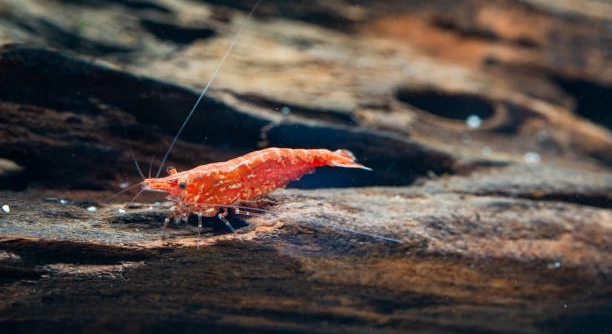
Do you ever notice your shrimp hiding in the tank or acting less lively than usual? Small changes in their environment and daily care can make a significant difference to their overall mood and activity levels.
Minor adjustments such as optimizing water parameters, providing adequate hiding spaces, maintaining a consistent feeding schedule, and introducing gentle stimulation can improve shrimp behavior. These changes support their natural instincts, reduce stress, and promote healthier, more active shrimp in captivity.
Implementing these simple strategies can create a happier environment for your shrimp and help you enjoy a more vibrant aquarium.
Optimize Water Parameters
Keeping water conditions stable is essential for shrimp health. Regularly test for ammonia, nitrite, and nitrate levels, and maintain the recommended temperature for your species. Sudden fluctuations can stress shrimp, causing them to hide or stop eating. Adjusting pH and hardness to suit your shrimp type ensures they remain active and vibrant. Even small changes in water quality can have a big impact on mood. Filtration and gentle water flow help maintain oxygen levels without creating strong currents that may disturb them.
Consistent water checks prevent stress-related illnesses and support natural behaviors.
Providing clean, stable water allows shrimp to explore, feed, and interact naturally. It encourages molting and reduces mortality, ultimately making them more visible and lively in the tank, which enhances your enjoyment of the aquarium.
Provide Hiding Spaces
Shrimp feel safer when they have places to hide. Plants, rocks, and moss offer shelter and reduce stress. Small caves or driftwood provide areas for resting and molting.
Creating hiding spots encourages natural behavior and reduces aggression from other tank inhabitants.
Shrimp molting leaves them vulnerable, so adequate cover ensures they can shed safely without being harassed. Hiding areas also promote exploration and activity, letting them forage and interact at their own pace. Incorporating diverse textures and levels within the tank mimics their natural environment, keeping them engaged. A well-structured tank reduces stress and prevents timid behavior, resulting in more confident and active shrimp that contribute to the tank’s ecosystem.
Maintain a Consistent Feeding Schedule
Regular feeding helps shrimp feel secure and active. Overfeeding can pollute the tank, while irregular meals may cause stress and inactivity.
Feeding at the same times each day establishes a predictable routine. Provide small portions that can be consumed quickly to avoid leftover food decaying in the tank. Rotate foods like algae wafers, blanched vegetables, and occasional protein sources to ensure balanced nutrition. Observing how much they eat each day allows adjustments to prevent waste and maintain water quality.
A steady schedule supports natural foraging behaviors. Shrimp become more confident and visible when they know food is available. This routine reduces competition, encourages healthy growth, and keeps their activity levels consistent throughout the day, enhancing their overall mood and interaction with the environment.
Introduce Gentle Stimulation
Adding movement and variation to the tank encourages shrimp activity. Gentle water flow from a small filter or occasional plant rearrangement can provide mild stimulation.
Light interactions with the environment, such as introducing floating moss or new hiding spots, motivate shrimp to explore without causing stress. Changes in lighting patterns also encourage activity during different parts of the day.
Stimulating the tank environment supports natural behaviors like grazing, climbing, and social interaction. Shrimp become more alert and animated, which improves both their physical health and mood. Controlled stimulation prevents boredom and promotes confidence, allowing shrimp to navigate their space comfortably. Over time, this leads to a livelier, more dynamic aquarium where shrimp interact naturally with both the habitat and each other.
Control Tank Lighting
Shrimp benefit from a stable light cycle. Too much light can stress them, while too little can reduce activity and foraging.
Using a timer ensures consistent day and night periods. Gentle lighting helps shrimp feel secure and encourages natural behavior.
Maintain Proper Tank Cleanliness
Regular cleaning prevents waste buildup that can harm shrimp. Remove uneaten food and debris, and perform partial water changes weekly. Filter maintenance is equally important to avoid harmful chemical accumulation. Clean tanks reduce stress, support healthy molting, and allow shrimp to thrive in a stable environment.
Offer a Balanced Diet
Providing varied foods like algae, blanched vegetables, and occasional protein keeps shrimp healthy and active. Balanced nutrition improves their color, molting success, and overall well-being.
Monitor Tank Companions
Choose tank mates carefully to avoid stress or aggression. Compatible species help shrimp remain active and confident.
FAQ
How often should I check water parameters for my shrimp?
Testing water at least once a week is essential. Key parameters include ammonia, nitrite, nitrate, pH, and temperature. Weekly checks allow you to catch issues early and make small adjustments, preventing stress and promoting consistent shrimp activity. Keeping a log helps track trends over time.
What is the best temperature range for most freshwater shrimp?
Most freshwater shrimp thrive between 72°F and 78°F (22°C to 26°C). Temperatures outside this range can slow their metabolism, reduce feeding, and increase stress. Using a reliable heater and thermometer ensures a stable environment, which keeps shrimp active and healthy.
How much should I feed my shrimp?
Offer only as much as they can consume within two hours. Overfeeding can lead to decaying food and poor water quality. Small, frequent meals are better than one large feeding. Rotate foods like algae wafers, blanched vegetables, and occasional protein for balanced nutrition.
Why do my shrimp hide so much?
Shrimp hide when stressed, scared, or during molting. Lack of hiding spaces, aggressive tank mates, or poor water quality can cause this behavior. Providing plants, moss, and small caves encourages natural activity and makes them feel secure, reducing excessive hiding.
Can tank companions affect shrimp mood?
Yes. Aggressive or large fish can stress shrimp, causing them to hide and eat less. Peaceful tank mates, like small snails or certain small fish, create a calm environment. Careful selection improves shrimp confidence and encourages natural foraging and interaction.
How do I encourage molting without stress?
Stable water conditions and proper nutrition are key. Hiding spots protect shrimp while they molt. Avoid sudden changes in water parameters or aggressive tank mates during this vulnerable time to ensure successful and stress-free molting.
What role does tank lighting play in shrimp behavior?
Consistent light cycles help regulate activity. Too bright or long lighting can stress them, while too little reduces foraging. A timer ensures day and night periods, supporting natural rhythms and promoting visible, active shrimp.
How often should I clean the tank?
Partial water changes weekly and removal of uneaten food or debris prevent harmful chemical buildup. Clean substrates and filter maintenance maintain stable water quality, which keeps shrimp healthy, active, and stress-free.
Can shrimp recognize feeding times?
Shrimp adapt quickly to a routine. Regular feeding times create anticipation and encourage active foraging. Maintaining a consistent schedule reduces stress and allows shrimp to explore confidently, improving overall tank activity.
What signs indicate shrimp are happy and healthy?
Active swimming, bright coloration, consistent foraging, and regular molting are good indicators. Healthy shrimp explore, interact with tank elements, and appear confident. Sudden hiding, dull colors, or reduced appetite may signal stress or poor water conditions.
Is it necessary to provide hiding spots for all shrimp?
Yes. Hiding spots reduce stress, particularly during molting or when water conditions fluctuate. Plants, moss, caves, and driftwood offer protection and encourage natural exploration. Well-structured environments promote a lively, confident, and balanced shrimp population.
How can I tell if my shrimp are eating enough?
Observe their behavior during feeding. Active foraging and minimal leftover food indicate proper feeding. If shrimp ignore food or leave significant amounts uneaten, adjust portion size or offer a wider variety to meet their dietary needs.
Do water changes affect shrimp mood?
Gradual, partial water changes improve water quality and reduce stress. Sudden large changes can shock shrimp, causing hiding or inactivity. Maintaining stable, clean water supports overall well-being and encourages active, confident behavior in the tank.
How do I prevent stress in a community tank?
Choose calm, compatible species, provide ample hiding spots, and maintain stable water parameters. Regular monitoring and gentle tank adjustments help shrimp feel secure. Stress reduction promotes healthy growth, molting, and natural social behaviors.
Can decorations impact shrimp activity?
Yes. Natural decorations like plants, moss, and driftwood provide shelter and surfaces to explore. Varying heights and textures mimic natural habitats, encourage climbing and foraging, and contribute to overall mood and activity levels.
How do I know if water hardness is suitable?
Test GH (general hardness) and KH (carbonate hardness) regularly. Proper hardness supports molting and shell development. Adjust minerals gradually if needed, ensuring shrimp remain active, healthy, and stress-free.
Are there signs of overfeeding I should watch for?
Excess food causes cloudy water, algae growth, and leftover debris. Shrimp may still eat, but water quality declines, leading to stress and inactivity. Monitoring feeding amounts and tank cleanliness prevents these issues.
How important is tank size for shrimp mood?
Sufficient space allows shrimp to explore, forage, and establish territories. Crowded conditions increase stress, aggression, and hiding. Providing adequate room ensures active, confident shrimp and supports social interactions.
Can I rearrange the tank without stressing shrimp?
Small, gradual adjustments are safe. Sudden major changes can cause hiding or inactivity. Rearranging plants or decorations slowly allows shrimp to explore safely while maintaining comfort and confidence.
How do I balance diet and water quality simultaneously?
Feed small portions and remove leftovers promptly. Rotate natural foods, algae, and protein sources. Clean water supports digestion and molting. A balanced diet with careful feeding ensures active shrimp and reduces stress caused by poor water conditions.
What is the ideal tank setup for multiple shrimp species?
Separate species with similar water parameter requirements and compatible behavior. Provide abundant hiding spots, stable temperature, and clean water. Proper setup encourages natural activity, reduces competition, and promotes overall well-being.
Can shrimp benefit from live plants?
Yes. Live plants offer grazing surfaces, shelter, and oxygenation. They enhance natural behavior, provide security during molting, and improve water quality. Shrimp interact with plants, which keeps them active and confident.
How do I recognize signs of stress in shrimp?
Frequent hiding, lack of feeding, pale colors, or lethargy indicate stress. Early detection allows prompt water checks, dietary adjustments, and environmental improvements to restore healthy activity and overall mood.
What minor adjustments create the biggest improvement in shrimp behavior?
Stable water parameters, consistent feeding, hiding spots, gentle stimulation, and compatible tank mates significantly boost mood. Small changes in light, tank structure, and cleanliness further enhance activity, confidence, and overall health, resulting in happier, more vibrant shrimp.
Maintaining a healthy and active shrimp tank does not have to be complicated. Small adjustments to their environment and care routine can make a significant difference in their overall well-being. Stable water parameters, such as proper temperature, pH, and hardness, are essential. Regular testing and partial water changes keep the tank safe and comfortable, reducing stress that can lead to hiding or inactivity. By monitoring these basic elements consistently, shrimp remain more confident and engaged in their habitat. Even minor fluctuations in water quality can affect their behavior, so careful attention to these details ensures a healthier, more vibrant population.
Providing appropriate shelter is equally important for shrimp. Plants, moss, driftwood, and small caves give them spaces to hide during vulnerable times, such as molting. These areas reduce stress, encourage natural exploration, and allow shrimp to forage safely. A well-structured tank that includes multiple levels and textures also stimulates activity, which supports physical health and mental engagement. Gentle changes to the environment, like introducing new plants or rearranging decorations, offer enrichment without overwhelming them. When shrimp feel secure and have places to retreat, they display more natural behavior and remain more visible and lively in the tank.
Nutrition and routine also play a key role in supporting shrimp mood. Feeding small, balanced portions at regular times creates a predictable routine that encourages foraging and reduces stress. A variety of foods, including algae, blanched vegetables, and occasional protein, ensures proper growth, molting success, and vibrant coloration. Tank companions should be chosen carefully to avoid aggression or competition that could cause hiding or fear. Light cycles and gentle stimulation contribute further to their activity levels and overall confidence. By combining these small, deliberate adjustments, shrimp can thrive in a secure, stimulating, and healthy environment, allowing them to be more active, colorful, and content in their tank.

Hello,
If you enjoy the content that we create, please consider saying a "Thank You!" by leaving a tip.
Every little bit helps us continue crafting quality advice that supports the health, happiness, and well-being of pets around the world, for pets of all shapes, sizes, and species.
We really appreciate the kindness and support that you show us!