
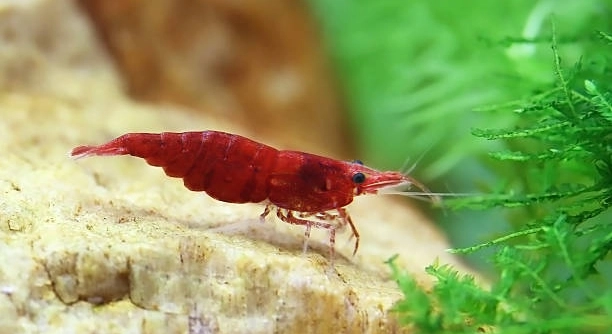
Have you ever noticed your shrimp acting differently after a small change in their tank? Even minor adjustments can catch their attention and affect their behavior. Observing these reactions can help you better care for them.
Shrimp respond instantly to changes in water temperature, pH levels, lighting, decorations, water flow, tank mates, and feeding schedules. Each factor can trigger immediate stress or curiosity, influencing movement, hiding behavior, and overall activity within their environment.
Recognizing these triggers is essential for maintaining a healthy tank. Observing their reactions closely can help you prevent stress and support their wellbeing over time.
Water Temperature Changes
Shrimp are very sensitive to water temperature. Even a few degrees difference can make them react immediately. When the water becomes warmer, they often move faster, exploring the tank more actively. Cooler water tends to make them slow down, hiding more often. Sudden shifts in temperature can stress shrimp, weakening their immune systems and making them more prone to disease. Maintaining a stable temperature helps them stay healthy and comfortable. I learned this when I accidentally turned on a heater too high once. The shrimp scattered, some hiding under rocks for hours. Observing them, I realized how delicate their balance is. Using a thermometer and monitoring daily avoids sudden shocks. Temperature fluctuations also affect feeding behavior. Shrimp may refuse food if the water feels too cold or too warm. Consistency is key, especially with species like cherry or crystal red shrimp. Small adjustments over time are safer than sudden changes.
Keeping the tank at a consistent temperature prevents stress and keeps shrimp active and healthy.
Temperature control is a simple step that greatly affects shrimp behavior. It’s one of the easiest ways to improve their quality of life, reduce stress, and ensure they eat and grow normally. Using heaters with accurate thermostats and checking water daily makes a noticeable difference in how shrimp react. Even minor variations can change their activity patterns, hiding habits, and overall comfort. Regular monitoring ensures they are thriving, not just surviving.
pH Level Shifts
Shrimp react quickly to changes in water pH, showing signs of discomfort almost immediately.
Shrimp prefer stable pH levels that match their natural habitat. Sudden shifts can make them hide, stop eating, or swim erratically. Keeping the pH stable is essential to prevent stress and maintain overall health.
Even a small change in pH can have a significant effect. When I once added a water conditioner that slightly raised the pH, my shrimp moved to the corners and stayed hidden for hours. Some species, like Amano shrimp, tolerate a broader range, but most thrive in slightly acidic to neutral water. Using pH test kits daily helps track small changes before they become a problem. Adjustments should be made gradually, adding small amounts over several hours or days. Rapid correction can cause more harm than the original issue. Stable pH encourages normal behavior, feeding, and molting. Observing shrimp after adjustments is important to confirm they feel comfortable again. Proper pH management improves growth, activity, and long-term health.
Lighting Changes
Shrimp react quickly to sudden changes in lighting. Bright lights can make them hide, while dim or gradual light encourages exploration.
When I changed the aquarium lighting from a strong LED to a softer, warmer glow, my shrimp began moving more freely. Sharp lighting initially caused them to retreat under plants and decorations. Gradually adjusting the light over several days helped them feel safe and reduced stress. Sudden shifts often trigger hiding behavior or erratic swimming. Lighting also affects their feeding patterns; shrimp may wait until light levels are comfortable before coming out to eat. Consistent lighting schedules help regulate their activity and molting cycles. Using timers ensures light exposure is steady. Observing shrimp responses daily is helpful to understand their comfort level.
Proper lighting not only reduces stress but also encourages natural behavior and healthy activity patterns. Soft, consistent light helps shrimp feel secure and stay active.
Water Flow Adjustments
Shrimp respond immediately to changes in water flow. Increased currents make them cling to surfaces, while gentle flow allows normal movement.
I once increased my filter flow thinking it would improve water circulation. Instantly, the shrimp started hiding under rocks and decorations. High water flow can stress them, especially smaller species or newly molted individuals. Gradually adjusting the flow over several days helped them adapt. Water flow affects feeding too; strong currents can sweep food away, while mild currents make it easier for shrimp to forage. Observing how they react to different areas of the tank can guide proper adjustments. Proper flow also helps maintain water quality without disturbing the shrimp.
Moderate water movement keeps the tank clean without causing stress. Finding the right balance ensures shrimp can move freely, feed effectively, and stay healthy.
Tank Decorations Changes
Shrimp notice new decorations immediately. They may explore, hide, or avoid certain areas depending on placement.
Adding or moving plants, rocks, or ornaments can change how shrimp feel in their environment. They often test new spaces carefully before settling in.
Tank Mates Introductions
Introducing new tank mates causes immediate reactions. Shrimp may hide, move cautiously, or stay near shelter.
Even peaceful fish or snails can make shrimp feel threatened at first. Observing interactions closely ensures all species coexist safely. Gradual introductions reduce stress and allow shrimp to adapt without sudden fear or aggression.
Feeding Schedule Shifts
Shrimp respond quickly to changes in feeding times. They may become more active, searching for food, or hide if feeding is delayed.
How quickly do shrimp react to changes in their tank?
Shrimp can respond almost immediately to changes in water parameters, lighting, or tank structure. Their behavior can shift within minutes, especially with sensitive species like crystal red or blue velvet shrimp. For example, a sudden drop in temperature or a strong water current can make them hide or cling to surfaces. Observing these reactions helps understand their comfort level. Even minor adjustments can trigger noticeable behavior, such as increased activity, retreating to hiding spots, or hesitating to eat. Tracking their responses over time allows you to manage the tank more effectively.
What are the most stressful changes for shrimp?
Sudden shifts in temperature, pH, or water flow are among the most stressful changes for shrimp. Abrupt movements of decorations or introducing unfamiliar tank mates can also trigger stress. I once moved a cluster of moss and noticed my shrimp scattering immediately. Stress often shows as hiding, erratic swimming, or refusing food. Long-term stress can affect molting and overall health, making gradual changes essential. Even slight differences in lighting intensity can cause shrimp to behave cautiously until they adapt. Regular monitoring and small adjustments reduce negative reactions and support natural behavior.
Can shrimp adapt to new tank mates?
Yes, shrimp can adapt, but it requires careful observation and patience. Adding fish or other invertebrates gradually helps them feel secure. In my experience, introducing snails first allowed the shrimp to explore without fear. Always provide hiding spaces, such as plants or rocks, to reduce stress. Avoid aggressive or larger fish that may harm shrimp. Even peaceful species can startle them initially, but repeated exposure helps shrimp adjust. Monitoring feeding behavior and movement patterns during introductions ensures they are comfortable. Over time, shrimp learn to navigate shared spaces while maintaining normal activity levels.
How important is a stable feeding schedule?
Shrimp respond noticeably to feeding routines. Irregular feeding can make them more skittish or lead them to forage excessively at unusual times. I found that keeping consistent feeding times encouraged active, confident shrimp that move freely. Shrimp detect food quickly, so sudden shifts in schedule often cause them to hide temporarily or appear stressed. Regular feeding also helps maintain water quality because uneaten food is minimized. Gradual changes in feeding frequency or quantity reduce stress and promote normal behavior. Feeding consistency supports healthy growth, molting, and overall vitality.
Do shrimp show signs of discomfort immediately?
Yes, shrimp are highly sensitive to environmental changes. Signs of discomfort include hiding, frantic swimming, clinging to surfaces, or avoiding certain areas of the tank. I noticed that when I adjusted the heater slightly too high, several shrimp retreated for hours. Their responses are often subtle but noticeable when observed closely. Regular monitoring helps identify which changes they tolerate and which cause stress. Understanding these signals allows for proactive adjustments, keeping shrimp safe and comfortable.
What is the safest way to make changes in a shrimp tank?
Gradual adjustments are always safest. Whether changing temperature, pH, water flow, or decorations, small increments reduce stress. I usually make minor changes over hours or days, observing shrimp behavior after each step. Providing hiding spots during changes helps them feel secure. Testing water parameters frequently ensures conditions remain within safe limits. Avoiding sudden shifts in feeding or introducing new tank mates slowly also minimizes risk. Consistency and patience allow shrimp to adapt without compromising health. By taking measured steps, you can maintain a stable environment and encourage natural behavior.
Can lighting affect shrimp behavior significantly?
Lighting changes can impact shrimp instantly. Bright lights may make them hide, while dim or gradual lighting encourages activity. I switched to a softer LED in one tank and noticed shrimp exploring more freely within hours. Lighting schedules also influence feeding and molting cycles. Using timers and gradual adjustments reduces stress and maintains predictable behavior. Observing shrimp under different light levels helps determine their comfort and ensures they remain active and healthy. Proper lighting management creates a stable environment for natural behavior.
How do water flow adjustments impact shrimp?
Shrimp respond immediately to changes in water movement. Increased flow can make them cling to surfaces or hide, while gentle flow supports normal swimming and foraging. I once increased my filter flow too quickly, and the shrimp scattered, hiding under rocks. Gradual changes allow them to adapt without stress. Water flow also affects food availability and oxygen distribution, which influences overall activity. Moderate, consistent currents help shrimp move freely, feed efficiently, and stay healthy without feeling threatened.
Are there long-term effects from frequent changes?
Frequent or sudden changes can cause chronic stress in shrimp, affecting molting, growth, and immunity. I noticed that in a tank with irregular adjustments, shrimp were less active and more prone to hiding. Maintaining stable water parameters, lighting, and feeding schedules supports long-term health. Observing their behavior daily allows early detection of stress and prevents negative outcomes. Small, consistent adjustments are better than repeated sudden changes. Over time, a stable environment results in more confident, active, and healthy shrimp that thrive naturally.
How can I tell if a change is safe?
Safe changes are gradual and produce minimal reaction. If shrimp continue feeding, exploring, and showing normal movement, the adjustment is acceptable. I usually monitor for hours after any change, checking water parameters and observing behavior. Sudden hiding or erratic swimming signals the need to slow down adjustments. Patience and careful observation ensure shrimp remain comfortable and healthy during environmental changes.
Shrimp are small but highly sensitive creatures. They notice even small changes in their tank immediately, from water temperature and pH to lighting and decorations. Each adjustment, whether intentional or accidental, can influence their behavior and overall well-being. I have seen shrimp respond in ways that were surprisingly clear, like scattering under rocks when a heater was set too high or slowly exploring new decorations when added gently. Understanding how these changes affect shrimp helps create a more stable and comfortable environment. It also makes it easier to care for them without causing stress. Observing shrimp closely is important because their behavior is a direct reflection of how they are feeling in their surroundings.
Maintaining consistency in their environment is key to keeping shrimp healthy. Stable water conditions, moderate lighting, and gentle water flow reduce stress and support normal activity patterns. Gradual adjustments are better than sudden changes, and small increments allow shrimp to adapt without hiding or showing signs of distress. Feeding schedules also play a big role in their behavior. Shrimp quickly learn routines and will respond positively when food is provided at predictable times. Regular monitoring of tank conditions ensures that any changes made are safe and do not disrupt their comfort. Providing hiding spaces, like plants and rocks, is also important because shrimp need areas to retreat when something in the tank feels unfamiliar or uncomfortable. This simple measure allows them to feel secure and encourages natural behaviors.
Paying attention to shrimp reactions helps prevent long-term problems. Stress from frequent or abrupt changes can affect molting, growth, and overall health. Observing shrimp behavior after making adjustments is essential to understand their limits and preferences. Each tank is unique, and what works for one group of shrimp may not work for another. Patience and careful observation are necessary for maintaining a healthy and stable environment. Over time, a well-managed tank encourages active, confident, and healthy shrimp. The goal is to create a balance where shrimp can move freely, feed normally, and display natural behaviors without stress. By being mindful of their responses to changes, it is possible to maintain a thriving aquarium that supports their long-term well-being and allows them to live comfortably in their habitat.

Hello,
If you enjoy the content that we create, please consider saying a "Thank You!" by leaving a tip.
Every little bit helps us continue crafting quality advice that supports the health, happiness, and well-being of pets around the world, for pets of all shapes, sizes, and species.
We really appreciate the kindness and support that you show us!