
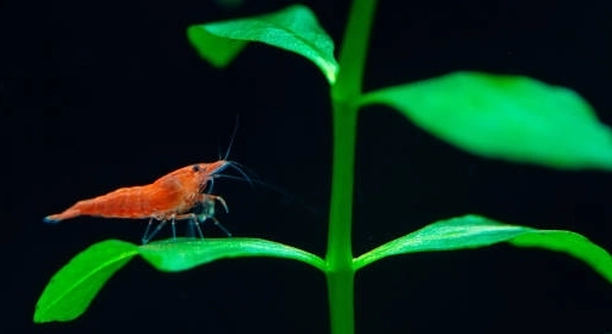
Cherry shrimp are fascinating little creatures that often hide in their shelters for long periods. Observing them can be both calming and intriguing, as their behavior provides insight into their natural instincts and environment.
Cherry shrimp often refuse to leave shelter due to environmental stress, lack of food, molting cycles, predation risks, territorial behavior, water quality issues, and insufficient hiding spots. These factors collectively influence their decision to remain hidden for safety and survival.
Understanding why cherry shrimp stay hidden can improve their care and well-being, ensuring a healthier, more active aquarium environment for these delicate pets.
Environmental Stress
Cherry shrimp are very sensitive to changes in their surroundings. Sudden shifts in temperature, pH, or lighting can make them feel unsafe. Even small disturbances, like moving decorations or adding new tankmates, can trigger hiding behavior. They rely on a stable environment to feel secure, and any disruption may cause prolonged sheltering. Maintaining consistent water conditions and minimizing sudden changes helps them feel more comfortable and confident to explore. Observing their reactions can indicate if adjustments are necessary. Over time, consistent care can reduce their stress levels and encourage more visible, active behavior. Paying attention to the details of their habitat shows how even minor factors affect their comfort. Providing calm and predictable conditions allows shrimp to thrive and display natural behaviors more frequently.
Creating a calm environment is key for healthy shrimp activity. Stability encourages them to leave shelter and explore safely.
Keeping water parameters steady, reducing sudden movements, and monitoring tank changes ensures a balanced environment. Shrimp respond quickly to stability, leading to improved activity and less stress overall.
Lack of Food
Hiding shrimp may not feel motivated to leave shelter if food is scarce or difficult to reach. They prefer safe spaces while searching for nutrition. Ensuring a steady supply of suitable food, such as algae wafers or blanched vegetables, encourages movement and interaction. Feeding small amounts multiple times a day prevents competition and stress among tankmates, making shrimp feel more secure while foraging. Some shrimp are naturally timid, so observing their feeding patterns can help determine if hiding is due to hunger or fear. Additionally, scattering food near hiding areas can make them more comfortable eating in the open. Over time, regular feeding schedules can train them to explore more freely. Understanding their feeding habits ensures they receive proper nutrition while gradually reducing extended hiding behavior.
Regular and accessible feeding supports both shrimp health and confidence.
By offering varied foods, maintaining feeding consistency, and placing food near shelters, shrimp are encouraged to leave hiding. Observing their behavior helps adjust feeding practices and promotes balanced activity. Careful attention to these details ensures shrimp remain healthy, active, and stress-free while minimizing excessive sheltering.
Molting Cycles
During molting, cherry shrimp retreat to shelter to protect their soft, vulnerable bodies. They remain hidden until their exoskeleton hardens, which can take several hours to a few days. Disturbing them during this time can cause injury or stress, so it is important to give them space.
Molting is a natural process where shrimp shed their old exoskeleton and grow a new one. This leaves them temporarily defenseless, making hiding essential. Providing safe hiding spots with plants or decorations reduces risk and stress. Observing without interference allows shrimp to complete the process safely. Stress or lack of cover can lead to failed molts or injury. Ensuring optimal water quality and calcium levels supports healthy exoskeleton growth, encouraging smoother molts and more frequent activity once they feel secure.
Shrimp often become more active after molting. Once their new exoskeleton hardens, they gradually leave hiding, exploring the tank more confidently. Safe, consistent care during this period is crucial for healthy development.
Predation Risks
Even in a tank without aggressive fish, cherry shrimp may hide due to perceived threats. Shadows, fast movements, or sudden changes in the aquarium can trigger instinctive hiding behavior. This helps them avoid potential harm and reduces stress.
Shrimp rely heavily on their instincts to stay safe. They are naturally cautious and will retreat at signs of danger, real or imagined. Overcrowding or adding unfamiliar species can increase perceived threats, causing prolonged sheltering. Maintaining a calm tank environment and monitoring interactions ensures shrimp feel secure. Placing hiding spots near feeding areas allows them to eat without leaving protection. Gradual introductions of new tankmates help reduce stress and aggression, promoting healthier, more active shrimp. Avoiding sudden lighting changes or loud noises further minimizes their perception of danger.
Providing sufficient cover and keeping a steady environment helps shrimp feel secure. Once trust in their surroundings grows, they explore and feed more freely.
Territorial Behavior
Cherry shrimp can be territorial, especially in smaller tanks. Dominant shrimp may claim prime hiding spots, forcing others to remain in less secure areas.
Providing multiple shelters and spreading out decorations reduces conflicts. Ensuring enough space for each shrimp helps minimize stress and encourages more even activity throughout the tank.
Water Quality Issues
Poor water conditions directly affect shrimp behavior. High ammonia, nitrite, or nitrate levels cause stress, making shrimp retreat to shelter. Maintaining stable temperature, pH, and hardness is essential. Regular water changes and monitoring parameters support shrimp health, reduce stress, and encourage them to leave hiding more often.
Insufficient Hiding Spots
Shrimp feel unsafe without adequate cover. Lack of plants, rocks, or other shelters increases stress, causing prolonged hiding.
Providing multiple, well-distributed hiding spots gives shrimp confidence to explore and reduces competition, promoting healthier, more active behavior.
FAQ
Why do cherry shrimp hide most of the time?
Cherry shrimp hide primarily to feel safe. Their natural instincts push them to retreat when they sense potential danger, environmental changes, or stress. Providing stable water conditions, hiding spots, and gentle tank management reduces prolonged hiding and encourages more visible behavior.
How long do cherry shrimp usually stay hidden during molting?
During molting, shrimp remain in shelter until their new exoskeleton hardens. This can take a few hours to a couple of days depending on water quality, temperature, and individual health. Disturbing them can lead to stress or injury, so it’s important to leave them undisturbed.
Can tank size affect how often shrimp hide?
Yes, smaller tanks increase competition for hiding spots and make shrimp feel crowded, causing them to retreat more frequently. Larger tanks with multiple shelters and plants allow shrimp to feel secure while still having space to explore.
Does the presence of other tankmates impact hiding behavior?
The presence of fish or other shrimp can influence hiding. Aggressive or fast-moving species make shrimp feel threatened, even unintentionally. Ensuring peaceful tankmates and sufficient cover reduces stress and encourages shrimp to leave shelters for feeding and exploration.
What role does water quality play in hiding behavior?
Water quality is crucial. Poor parameters like high ammonia, nitrites, or unstable pH levels increase stress, forcing shrimp to stay hidden. Regular monitoring, water changes, and stable conditions create a safe environment and encourage more consistent activity.
How can I encourage shy shrimp to come out of hiding?
Offering multiple hiding spots, feeding small amounts near shelters, and maintaining stable water conditions helps shy shrimp feel secure. Over time, gentle observation and consistent care build their confidence, gradually reducing extended hiding periods.
Do shrimp hide more at certain times of the day?
Yes, shrimp are often more active during low light periods or at night. During bright lighting or sudden disturbances, they retreat to shelters. Adjusting lighting schedules or providing shaded areas can align with their natural activity patterns.
Can diet affect hiding behavior?
Nutrition plays a role. Shrimp with inconsistent or insufficient food may feel stressed or less motivated to leave shelter. Feeding small portions multiple times a day and offering varied foods encourages exploration while ensuring proper nutrition.
Is it normal for some shrimp to hide constantly?
Some individuals are naturally timid and may prefer staying hidden more than others. This behavior is normal as long as they remain healthy and are feeding properly. Providing enough cover ensures they can hide safely without compromising well-being.
When should I be concerned about excessive hiding?
Excessive hiding may signal stress, poor water quality, illness, or aggression from tankmates. Monitoring behavior, checking water parameters, and assessing tank conditions are essential steps to identify and correct potential problems. Prompt action ensures shrimp health and reduces prolonged sheltering.
Can decorations or tank layout influence hiding behavior?
Yes, tank layout impacts shrimp confidence. Sparse setups or crowded arrangements without proper hiding spots make shrimp feel unsafe. Arranging plants, rocks, and moss strategically creates comfortable areas for both shelter and exploration.
Do shrimp communicate or signal while hiding?
Shrimp mainly use chemical cues to signal stress or territory. Hiding can itself be a form of communication, showing other shrimp that an area is occupied or unsafe. Observing interactions helps understand social dynamics in the tank.
How can I make my shrimp feel safer to reduce hiding?
Consistent water conditions, adequate shelter, minimal disturbances, and peaceful tankmates create a secure environment. Gradual changes, gentle feeding, and observing their habits help shrimp gain confidence, reducing extended periods in hiding.
Does lighting affect their tendency to hide?
Bright lights or sudden flashes can make shrimp feel threatened. Providing shaded areas, floating plants, or dimmer lighting during the day allows them to feel safer and encourages more visible activity.
Can breeding behavior influence hiding?
Yes, female shrimp carrying eggs may hide more to protect their brood. Providing secure, secluded spaces ensures their safety while reducing stress during this vulnerable period.
Are there seasonal changes in hiding behavior?
Shrimp may react to temperature fluctuations or changes in daylight hours. Maintaining consistent water conditions and stable lighting helps minimize seasonal stress, keeping activity patterns more predictable.
Is it normal for new shrimp to hide more?
New shrimp often hide until they acclimate to their environment. Gradually introducing them to the tank, offering nearby food, and providing ample cover supports confidence and reduces prolonged sheltering.
How do stress and illness differ in hiding behavior?
Stress usually causes temporary hiding, often triggered by environmental changes. Illness can lead to constant or unusual hiding, sometimes accompanied by lethargy, discoloration, or lack of appetite. Observing these signs helps determine the cause and necessary care.
Can multiple hiding spots reduce stress?
Absolutely. Multiple shelters prevent competition, reduce perceived threats, and allow all shrimp to find secure spaces. This promotes natural activity and reduces aggressive interactions among tankmates.
Do shrimp ever leave hiding voluntarily without any external stimulus?
Yes, healthy shrimp leave hiding to feed, explore, or interact once they feel safe. Providing food near shelters, stable conditions, and minimal disturbances encourages them to emerge naturally over time.
This FAQ provides a thorough guide to understanding why cherry shrimp may hide, highlighting environmental, social, and biological factors that influence their behavior. Proper care and observation can significantly reduce prolonged sheltering.
Final Thoughts
Cherry shrimp are small but surprisingly sensitive creatures. Their natural instincts make them cautious and protective of themselves, so hiding is a common behavior. Understanding why they remain in shelter most of the time can help us provide better care and create a safer environment. Factors such as water quality, tank setup, diet, and the presence of other tankmates all influence whether shrimp feel confident enough to explore. When shrimp are stressed, molting, or perceiving threats, they instinctively retreat to cover. Observing them carefully and noting patterns in their behavior can give insight into their comfort level and overall well-being. By maintaining consistent conditions, providing sufficient hiding spots, and feeding them regularly, we can encourage more visible, natural activity without forcing them out of safety.
It is important to remember that hiding is not always a sign of poor health. In many cases, it is simply a normal response to environmental conditions or biological needs. For example, during molting, shrimp remain in shelter to protect their soft exoskeletons until they harden. Similarly, timid or newly introduced shrimp may hide more often until they feel secure. While it may be tempting to try to coax them out, disturbing shrimp during vulnerable periods can increase stress and potentially cause harm. Instead, creating a stable and comfortable environment allows them to emerge naturally on their own. Ensuring stable temperature, pH levels, and adequate nutrition also plays a critical role in reducing prolonged hiding. Paying attention to these details not only improves shrimp activity but also contributes to their long-term health and lifespan.
Ultimately, the goal is to balance safety and stimulation within the aquarium. Providing multiple hiding spots, gentle lighting, and consistent feeding encourages shrimp to explore at their own pace. Observing shrimp over time reveals their unique personalities, habits, and preferences. Some individuals will always be more reserved, while others may be more active and curious. By respecting their natural tendencies and creating conditions that reduce stress, we can support both their physical health and mental comfort. Understanding the reasons behind sheltering behavior allows us to adjust care practices effectively. With careful observation, patience, and proper tank management, cherry shrimp can thrive in a secure environment, showing their natural behaviors more often while remaining safe and healthy.

Hello,
If you enjoy the content that we create, please consider saying a "Thank You!" by leaving a tip.
Every little bit helps us continue crafting quality advice that supports the health, happiness, and well-being of pets around the world, for pets of all shapes, sizes, and species.
We really appreciate the kindness and support that you show us!