
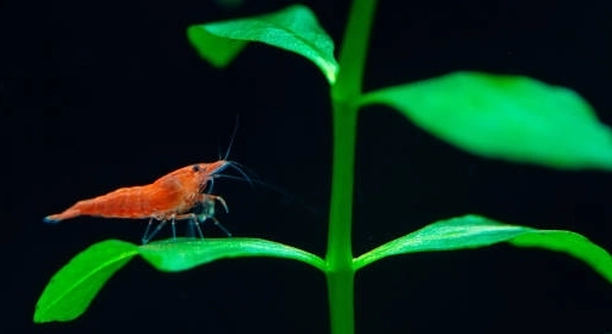
Do you enjoy keeping shrimp as pets but notice them moving around your tank in different ways? Observing their behavior can reveal small insights about their environment and preferences, especially when decorations are involved.
Shrimp are naturally curious creatures and often explore tank decorations. They use objects as hiding spots, feeding grounds, and pathways. Providing a variety of structures encourages activity and supports their natural behaviors, contributing to overall well-being.
Understanding shrimp behavior in decorated tanks helps you create a stimulating environment. Proper observation ensures your shrimp remain active, healthy, and comfortable in their habitat.
How Shrimp Interact With Decorations
Shrimp are constantly exploring their tanks, and decorations play a major role in their behavior. Rocks, plants, and small structures provide surfaces to graze on biofilm and algae. They also serve as hiding spots, which reduces stress and encourages natural movement. Observing shrimp climbing, crawling, or resting on these items gives insight into their comfort level. The shapes and textures of decorations matter as well. Rough surfaces are ideal for feeding, while smooth surfaces may be less engaging. Placement is important, too; areas with multiple hiding spaces allow shrimp to retreat when molting or feeling threatened. Overcrowding decorations can limit swimming space, so balancing open areas and structured hiding spots is essential. Shrimp are sensitive to changes, so gradually introducing new items can prevent stress. Even small objects like driftwood or ceramic tubes can spark exploration and keep them active. Watching how shrimp react helps identify their preferred environment and ensures they remain healthy and engaged.
Providing varied decorations supports both physical activity and mental stimulation, which are critical for shrimp health.
Decorations are more than visual elements; they shape behavior, reduce stress, and enhance tank activity, making shrimp more vibrant and engaged.
Choosing the Right Decorations
The type of decoration influences shrimp activity significantly. Smooth plastics may be less attractive, while textured surfaces encourage exploration.
When selecting decorations, consider both aesthetics and function. Plants, stones, and driftwood provide surfaces for algae growth, which shrimp can graze on. Tubes and caves offer hiding spots, particularly for molting shrimp that are vulnerable. Decorations should be spaced to allow free swimming while providing sufficient shelter. Introducing too many items at once can overwhelm shrimp, so gradual changes are better. Materials should be non-toxic and safe for aquatic life, avoiding metals or paints that could leach chemicals. Natural items like Indian almond leaves can provide cover and improve water quality. Shrimp also respond to varied heights and layers within the tank, so stacking rocks or plants can encourage climbing and exploration. Observing shrimp interactions with new items informs whether adjustments are needed. Providing an environment that balances safety, foraging opportunities, and open swimming space supports natural behaviors and long-term well-being. Thoughtful decoration choices can enhance shrimp activity, reduce stress, and create a visually appealing, functional tank setup.
Encouraging Exploration
Shrimp explore decorations more when there is variety. Different textures, shapes, and hiding spots make the tank more stimulating. They often investigate every new item placed carefully in the tank.
Variety in decorations encourages shrimp to move around and interact with their environment. Rocks, plants, and small tubes create pathways and surfaces to graze on biofilm. Shrimp often climb or crawl along these items, showing natural curiosity. Providing different heights and materials promotes active behavior and reduces stress. Observation shows shrimp return to favorite spots repeatedly, indicating comfort and security. Gradually adding new elements keeps them engaged without overwhelming them.
Spacing decorations strategically improves both exploration and swimming space. Overcrowded tanks limit movement, while open areas combined with hiding spots encourage shrimp to move confidently. Shrimp respond positively to gradual changes, which maintain their interest and activity levels over time.
Monitoring Shrimp Behavior
Watching shrimp closely reveals their preferences for certain decorations. Some may favor plants, while others prefer rocks or tubes.
Behavioral observation is key to understanding shrimp needs. Noticing which decorations they climb, hide under, or graze on helps determine the most suitable tank setup. Changes in activity, such as reduced movement or avoidance of certain areas, can indicate stress or discomfort. Shrimp often revisit familiar spots, showing attachment to particular items. Monitoring molting patterns alongside decoration use provides insight into whether the environment offers adequate shelter. Tracking behavior over days and weeks allows adjustments to improve well-being. Consistent observation helps create a balance between open swimming space and secure hiding areas, ensuring shrimp remain active and comfortable.
Observing shrimp behavior also highlights their social interactions and hierarchy. Some decorations become focal points where shrimp gather or compete, showing how tank design affects their engagement and safety.
Popular Decoration Choices
Shrimp respond well to natural items like rocks, driftwood, and live plants. These provide surfaces to graze and hiding spots.
Ceramic tubes and small caves are also effective. They offer secure retreats, especially during molting or when shrimp feel stressed.
Placement and Arrangement
Strategically placing decorations affects shrimp movement. Grouping plants and rocks creates safe zones, while leaving open areas allows swimming. Layered arrangements with different heights encourage climbing and exploration. Decorations should balance shelter and space. Observing shrimp preferences helps adjust placement for comfort and activity. Gradual changes prevent stress and support natural behavior.
Maintenance Considerations
Regular cleaning of decorations prevents algae buildup and maintains water quality. Remove debris gently to avoid disturbing shrimp.
FAQ
Do shrimp really explore decorations, or do they just stay in one place?
Shrimp are naturally curious and often explore their environment. They move around decorations, climb rocks, crawl over plants, and hide in tubes or caves. While some shrimp may rest frequently, most will investigate new items and revisit preferred spots for grazing or shelter. Regular observation shows that they are active, especially when the tank has variety and stimulation.
How do decorations benefit shrimp beyond just hiding spots?
Decorations provide multiple benefits. Surfaces like rocks and driftwood support biofilm growth, which shrimp graze on for food. Plants offer additional surfaces and oxygenate the water, improving overall health. Decorations create vertical and horizontal layers, allowing shrimp to exhibit natural behaviors such as climbing and exploring. Proper arrangement also reduces stress by giving them safe zones, which is particularly important during molting when they are vulnerable.
What types of decorations are safest for shrimp?
Natural materials such as rocks, driftwood, and live plants are safest. Avoid metals, painted items, or anything that could leach chemicals into the water. Ceramic tubes, coconut shells, and smooth stones are also safe options. Decorations should not have sharp edges, as these could injure delicate shrimp bodies. Observing shrimp reactions after introducing new items helps confirm safety. Gradual introduction of new objects prevents stress and allows shrimp to adjust comfortably.
How should I arrange decorations for the best shrimp activity?
Balance open swimming spaces with hiding spots. Place plants and rocks in clusters to create secure zones while leaving free areas for movement. Layering decorations with varying heights encourages climbing and exploration. Observing shrimp interactions helps identify favored areas and informs adjustments. Gradual rearrangements prevent stress, letting shrimp explore new areas without overwhelming them. A well-planned layout supports activity, natural behaviors, and long-term comfort.
Can decorations affect shrimp health?
Yes. Decorations that support biofilm growth provide natural grazing opportunities, reducing the need for excessive supplemental feeding. Safe, non-toxic materials maintain water quality, while hiding spots lower stress levels. Poorly maintained or overcrowded decorations can trap waste and promote harmful bacteria, so regular cleaning is essential to prevent health issues. Properly chosen and maintained decorations enhance activity, feeding, and overall well-being.
How often should decorations be cleaned or changed?
Cleaning depends on the tank’s size and shrimp population. Gently rinse items to remove algae or debris without using soap. Avoid frequent changes, as sudden adjustments can stress shrimp. Rotating or adding new decorations slowly encourages exploration and keeps the environment stimulating. Regular observation helps identify when items are accumulating waste or algae excessively.
Do shrimp show preferences for certain decorations over others?
Yes. Some shrimp favor plants, while others prefer rocks, tubes, or driftwood. Preferences may vary by species or individual temperament. Monitoring behavior helps determine which items are most engaging. Repeated visits to specific decorations indicate comfort and security. Adjusting the setup based on these preferences can increase activity and reduce stress.
Are artificial decorations as effective as natural ones?
Artificial items can work if they are non-toxic and free from sharp edges. Smooth plastic, resin, or ceramic structures offer hiding spots and surfaces for grazing. However, natural items like rocks, driftwood, and live plants provide better biofilm growth, oxygenation, and texture, which more closely mimic a shrimp’s natural environment. A mix of safe artificial and natural decorations can be effective.
How do I know if my shrimp are stressed with current decorations?
Signs of stress include hiding excessively, reduced movement, refusing to feed, or frequent molting issues. Overcrowded tanks, insufficient hiding spaces, or abrupt changes in layout can trigger stress. Gradual adjustments, balanced decoration placement, and monitoring behavior help ensure shrimp remain comfortable and active.
Can adding more decorations always increase shrimp activity?
Not necessarily. Overcrowding reduces swimming space and can overwhelm shrimp. Too many items may block paths or limit visibility, causing stress. The key is balance: enough variety for exploration and grazing, but sufficient open areas for movement. Observing shrimp responses ensures the right mix of decorations for activity, safety, and well-being.
This FAQ provides practical guidance to create a stimulating, safe, and healthy environment where shrimp feel comfortable exploring and interacting with decorations. Regular observation and careful adjustments are crucial to maintaining optimal conditions.
Shrimp are small but active creatures, and their environment has a significant impact on their behavior and well-being. Providing a tank with thoughtful decorations encourages exploration and natural activity. Rocks, plants, driftwood, and small tubes or caves create surfaces to graze on biofilm and algae, while also offering hiding spots. These hiding areas are especially important during molting, when shrimp are more vulnerable. Observing how shrimp interact with different objects can reveal which materials and arrangements make them feel comfortable and safe. Over time, it becomes clear that shrimp often return to favorite spots, climb on textured surfaces, and explore open areas. A well-decorated tank is not just visually appealing; it supports the physical and mental needs of the shrimp and helps maintain a healthy, low-stress environment.
The arrangement and type of decorations matter as much as the items themselves. Providing a variety of textures, shapes, and heights encourages activity and keeps shrimp engaged. Grouping plants, rocks, or caves in layers allows climbing and exploration, while leaving open swimming areas ensures they are not confined or stressed. Gradually introducing new decorations helps shrimp adjust without causing fear or anxiety. Monitoring shrimp behavior is crucial. Observing which areas they frequent, where they hide, and how often they explore can guide adjustments to the tank setup. Overcrowding decorations or using unsafe materials can negatively affect their health, so balance and careful selection are key. Shrimp respond positively to tanks that are thoughtfully arranged and maintained, which can be seen in their consistent activity, grazing, and interaction with the environment.
Maintaining decorations is equally important for long-term shrimp health. Cleaning items gently to remove excess algae or debris prevents water quality issues without disturbing the shrimp. Natural decorations like driftwood or leaves may slowly change over time, and monitoring these changes ensures the tank remains safe and stimulating. Artificial decorations can complement natural items if they are non-toxic and free from sharp edges, but they may not support biofilm growth as effectively. Observing shrimp preferences and responses to each decoration helps refine the tank layout, ensuring the environment meets both safety and enrichment needs. Ultimately, providing a balanced mix of hiding spots, climbing surfaces, and open areas creates a healthy and engaging habitat. Thoughtful decoration choices, careful placement, and regular observation make a significant difference in the happiness and well-being of shrimp, allowing them to display their natural behaviors in a secure and stimulating environment.

Hello,
If you enjoy the content that we create, please consider saying a "Thank You!" by leaving a tip.
Every little bit helps us continue crafting quality advice that supports the health, happiness, and well-being of pets around the world, for pets of all shapes, sizes, and species.
We really appreciate the kindness and support that you show us!