
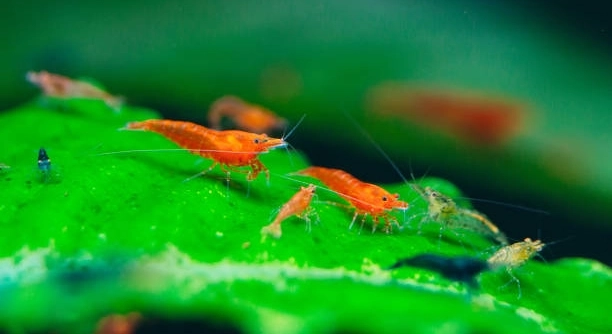
Are your aquarium tanks home to delicate cherry shrimp that seem to fuss over every meal? These tiny crustaceans are known for their bright colors and gentle nature, making them popular among hobbyists and beginners alike.
Cherry shrimp can be pickier than other shrimp species due to their sensitivity to water conditions and diet. They require clean, stable environments and prefer algae, biofilm, and high-quality prepared foods, unlike hardier shrimp that tolerate broader conditions.
Understanding what influences their feeding habits can help you provide a healthier and more balanced environment. Maintaining proper care ensures your shrimp thrive and display their vibrant colors consistently.
Why Cherry Shrimp Can Be Picky
Cherry shrimp have a reputation for being selective eaters, and this often comes down to their natural instincts. They feed primarily on biofilm, algae, and microscopic particles, which means they are more comfortable eating what is readily available in a well-established tank. Sudden changes in diet, such as introducing new processed foods or protein-rich options, can lead to hesitation or even refusal to eat. Water quality also plays a major role. Unlike other shrimp, cherry shrimp are highly sensitive to ammonia, nitrite, and nitrate levels. Even small fluctuations can cause stress, making them less willing to feed. Temperature stability is equally important, as sudden changes can disrupt their metabolism and affect their appetite. Tankmates can also influence feeding behavior; aggressive or fast-moving species may intimidate cherry shrimp, preventing them from accessing food freely. Providing a stable, clean, and algae-rich environment helps encourage consistent feeding habits and overall well-being.
Maintaining water quality and a stable environment is essential for cherry shrimp to feed regularly and remain healthy.
Creating a tank setup that mirrors their natural habitat encourages normal behavior. Including live plants and hiding spots reduces stress and competition for food. Feeding small amounts regularly instead of large portions ensures they get proper nutrition without polluting the water. Observing their eating patterns allows for adjustments in diet or environment. Even minor changes in water chemistry or tank layout can significantly impact feeding behavior. Over time, consistency helps cherry shrimp adapt to supplemental foods like algae wafers or blanched vegetables. Selecting compatible tankmates reduces competition and allows shy shrimp to explore and feed without fear. Regular monitoring, patience, and gradual introductions of new foods make them more adaptable without compromising their natural preferences or stress levels. This approach not only improves health but also enhances their bright coloration and activity.
Tips for Feeding Cherry Shrimp
Offering foods in small, frequent portions encourages better feeding and reduces waste.
To feed cherry shrimp effectively, focus on foods that match their natural diet. Algae and biofilm are the primary sources of nutrition, but supplements like blanched vegetables or specialized shrimp pellets can be introduced gradually. Avoid overfeeding, as leftover food can degrade water quality and stress the shrimp. Observe which foods are consumed readily and which are ignored to tailor feeding strategies. Rotating food types helps provide balanced nutrition while maintaining interest. Ensuring foods sink slowly allows shrimp of all sizes to access them. Removing uneaten portions within a few hours prevents ammonia buildup. Maintaining stable water parameters, including pH, temperature, and filtration, is crucial for proper digestion and appetite. Patience and careful observation are key; some cherry shrimp may take longer to accept new foods, but consistent care and proper feeding schedules support long-term health and vibrancy in your tank.
Common Mistakes When Feeding Cherry Shrimp
Overfeeding is a frequent problem that quickly affects water quality. Leftover food decays, producing ammonia and stressing the shrimp. Feeding too many high-protein foods at once can also overwhelm their small digestive systems, leading to health issues.
Providing the right amount of food is crucial. Cherry shrimp prefer small, frequent meals that mimic natural grazing. Using a pinch of algae wafers or blanched vegetables ensures they have access without excess waste. Observing their eating habits helps determine proper portions. Avoid sudden changes in diet, as abrupt introductions can lead to refusal of food or stress. A stable routine keeps shrimp healthy, active, and vibrant.
Tank conditions and placement of food matter as much as diet. Foods that sink slowly allow all shrimp, even shy ones, to feed. Avoid placing food near fast-moving fish. Rotating types of foods, including algae, vegetables, and specialized pellets, keeps them interested. Maintaining clean water and consistent temperature prevents stress that can interfere with feeding. Gradual changes in diet and careful observation help shrimp adapt naturally and maintain long-term health.
How Tank Environment Affects Feeding
Hiding spots and plants reduce stress and improve feeding confidence. Shrimp need places to retreat while exploring food.
Cherry shrimp thrive in well-planted tanks with plenty of surfaces for biofilm growth. Live plants, moss, and driftwood provide both food sources and safe spaces. Water quality directly impacts appetite; even minor spikes in ammonia or nitrate can cause shrimp to hide and refuse food. Temperature stability and gentle filtration also contribute to consistent feeding behavior. Placement of food is important to prevent competition and allow all shrimp access. Combining live plants with occasional supplemental foods ensures a balanced diet and encourages natural grazing habits, resulting in healthier, more vibrant shrimp.
Adjusting Diet Gradually
Introducing new foods slowly prevents stress and encourages acceptance. Start with small amounts mixed with familiar options to help shrimp adjust comfortably.
Observing their response is important. Some cherry shrimp may take several days to try new foods. Gradual introduction reduces the risk of refusal or digestive issues, ensuring a balanced diet without upsetting their routine.
The Role of Water Parameters
Stable water conditions are essential for feeding and overall health. Temperature, pH, and hardness should remain within species-specific ranges to maintain appetite. Fluctuations can lead to stress, hiding, or reduced interest in food. Regular monitoring and maintenance prevent these issues, promoting consistent feeding habits and active shrimp.
Feeding Frequency Tips
Smaller, more frequent meals match natural grazing behavior. Avoid large portions to maintain water quality and prevent uneaten food from decaying.
FAQ
Why are my cherry shrimp not eating?
Cherry shrimp often refuse food due to stress or water quality issues. High ammonia, nitrite, or nitrate levels, sudden temperature changes, or aggressive tankmates can make them hide instead of feeding. Overfeeding can also discourage them, as leftover food may decay and make the tank less comfortable. Ensuring stable water parameters and observing their behavior can help identify the cause. Gradually offering familiar foods in small amounts encourages them to start eating again.
Can cherry shrimp eat the same food as other shrimp?
Not always. While some shrimp can tolerate a wide variety of foods, cherry shrimp are more selective. They thrive on biofilm, algae, and blanched vegetables, and may only slowly adapt to pellets or protein-rich foods. Gradual introductions are recommended to avoid refusal or stress. Observing what they consume most helps determine their preferred diet. Avoid relying solely on processed foods, as this can affect health and coloration over time.
How often should I feed cherry shrimp?
Feeding small portions multiple times a day is better than one large feeding. Cherry shrimp naturally graze throughout the day, so frequent, measured feedings mimic this behavior. Overfeeding can lead to decayed food and water quality issues. Providing foods that sink slowly ensures even the shy shrimp have a chance to eat without competition. Adjusting the amount based on how much is eaten helps maintain balance.
What foods are best for cherry shrimp?
Algae, biofilm, and blanched vegetables like zucchini or spinach are ideal staples. Specialized shrimp pellets can supplement their diet but should be introduced gradually. Avoid high-protein foods or large portions, which can overwhelm their digestive system. Rotating food types helps maintain balanced nutrition while keeping shrimp engaged in feeding. Observing what they consume naturally allows for better long-term planning and ensures consistent health and coloration.
Can water changes affect feeding?
Yes. Sudden water changes can alter temperature, pH, or hardness, causing shrimp to hide or refuse food. Gradual, partial water changes are better for maintaining stability. After changes, monitor feeding behavior and avoid introducing new foods immediately. Stable water encourages regular grazing and helps maintain a healthy appetite.
Do tankmates impact feeding habits?
Fast-moving or aggressive tankmates can intimidate cherry shrimp, preventing them from reaching food. Providing hiding spaces and distributing food in multiple locations allows shy shrimp to feed safely. Compatible, calm species reduce stress and encourage natural feeding behavior. Observing interactions helps determine if adjustments are needed.
How do I know if my shrimp are getting enough food?
Healthy, active shrimp with bright coloration usually indicate proper nutrition. Monitor their grazing patterns and check that food is being consumed without leaving excessive leftovers. If shrimp appear thin or hide often, adjust the diet or feeding routine. Gradual changes ensure they adapt without stress.
Are there signs of overfeeding?
Decaying leftover food, cloudy water, and shrimp avoiding areas with excess food are clear indicators. Overfeeding can harm water quality and shrimp health. Feed only what they can consume in a few hours, and remove uneaten portions promptly. Regular observation prevents long-term issues and keeps the tank balanced.
Can cherry shrimp adapt to new foods easily?
Adaptation is gradual. Introducing new foods slowly, mixed with familiar options, encourages acceptance. Some individuals may take longer to try new items, but patience and consistency ensure they eventually adapt without affecting their appetite or health. Monitoring progress is key.
Do seasonal changes affect feeding?
Temperature fluctuations or changes in daylight may impact metabolism and activity levels. Maintaining stable water parameters and consistent feeding schedules helps counteract these effects, ensuring shrimp continue to feed normally and remain healthy throughout the year.
Cherry shrimp can be charming additions to any freshwater tank, but their selective feeding habits make them unique among shrimp species. Their preference for biofilm, algae, and naturally occurring microorganisms means that maintaining a clean, stable environment is essential. Sudden changes in diet, water conditions, or tank setup can cause stress, leading them to hide or refuse food. Observing their behavior closely allows you to notice when something is off, such as a decrease in appetite or unusual activity patterns. Providing consistent care, including gradual introductions of new foods and ensuring water quality remains within acceptable ranges, helps keep cherry shrimp healthy and active. They respond well to small, frequent meals that mimic their natural grazing habits, rather than one large portion. Gradually adjusting diet and observing their preferences ensures that they receive balanced nutrition without compromising the stability of their habitat.
In addition to feeding habits, the tank environment plays a critical role in their well-being. Cherry shrimp are sensitive to ammonia, nitrite, and nitrate levels, so regular monitoring and partial water changes are necessary. A well-planted tank with hiding spots, moss, and driftwood creates a safer space for shy shrimp, allowing them to feed without intimidation from other species. Even small fluctuations in temperature or pH can affect their appetite, so stability is key. Tankmates must also be chosen carefully, as fast-moving or aggressive fish can stress the shrimp and prevent them from accessing food. Observing how your shrimp interact with their environment helps identify potential issues early. Ensuring that food is placed in multiple areas of the tank and sinks slowly allows all shrimp, including juveniles or timid individuals, to eat comfortably. With patience and attention, cherry shrimp adapt to supplemental foods, such as blanched vegetables or specialized pellets, while still maintaining their natural grazing behavior.
Caring for cherry shrimp requires attention, consistency, and understanding of their unique needs, but the effort is rewarding. Their vibrant colors, active behavior, and small size make them captivating additions to any aquarium. By focusing on proper feeding practices, maintaining stable water conditions, and providing a comfortable environment, you can encourage healthy growth and reduce stress. Paying attention to their responses to different foods, observing how they navigate their habitat, and adjusting care routines when needed ensures that they thrive. Small, incremental changes are far more effective than drastic adjustments, and careful observation is the best way to understand their preferences and habits. Over time, these practices lead to a tank where shrimp are active, healthy, and consistently feeding, creating a balanced ecosystem. The combination of proper diet, environmental stability, and patient care allows cherry shrimp to display their full potential, contributing to a vibrant and lively aquarium.

Hello,
If you enjoy the content that we create, please consider saying a "Thank You!" by leaving a tip.
Every little bit helps us continue crafting quality advice that supports the health, happiness, and well-being of pets around the world, for pets of all shapes, sizes, and species.
We really appreciate the kindness and support that you show us!