
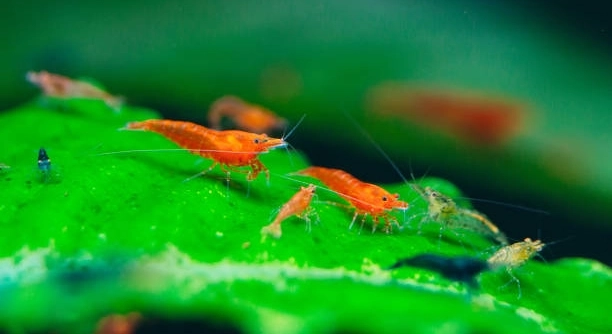
Lighting in shrimp tanks plays a bigger role than many hobbyists realize. Incorrect lighting can affect their behavior, molting cycles, and overall health. Many enthusiasts focus on water quality but overlook the stress caused by poor lighting setups.
Seven common lighting mistakes can significantly stress shrimp. These include excessive brightness, inconsistent photoperiods, improper spectrum, direct sunlight, sudden light changes, reflections, and insufficient shading. Avoiding these errors helps maintain shrimp health and promotes natural behavior patterns in the aquarium.
Knowing the key mistakes can make your shrimp more comfortable and thriving. Proper lighting ensures a stable environment that supports their wellbeing and natural rhythms.
Excessive Brightness
Too much light can make shrimp nervous and stressed. Bright lights may cause them to hide constantly, reduce feeding, and impact molting. Shrimp are sensitive to light intensity, and prolonged exposure to strong light can disturb their natural rhythm. Even small tanks with high-powered LEDs can create overly intense conditions that shrimp struggle to cope with. Adjusting the brightness gradually allows them to acclimate without triggering constant stress responses.
Shrimp exposed to overly bright conditions may stop exploring or feeding properly, which affects growth and overall tank health.
Monitoring your lighting and providing dimmed or shaded areas can help shrimp feel secure. Avoid keeping lights at maximum for long periods. Consider floating plants or moss to create natural shading. Gradually increasing light intensity allows shrimp to adjust. Observing their activity patterns can help you identify if the current setup is too bright. Maintaining a balance between visibility and comfort ensures shrimp behave normally and remain healthy, reducing stress-related issues over time.
Inconsistent Photoperiods
Shrimp rely on a steady day-night cycle to maintain normal activity. Irregular light schedules confuse their internal clocks.
A consistent photoperiod helps regulate feeding, molting, and mating cycles. Sudden changes in light duration can trigger stress and reduce natural behaviors. Automated timers are useful for maintaining stability.
Improper Light Spectrum
Shrimp respond best to a balanced light spectrum. Using only one color or harsh LEDs can make them uncomfortable.
A light spectrum that is too blue or too red can disrupt their natural behavior and stress them. Proper full-spectrum lighting mimics natural conditions, supporting feeding, growth, and coloration. Avoid extreme single-color lights that make shrimp retreat or hide.
Adjusting the light spectrum gradually and combining different wavelengths helps shrimp feel secure. Plants and moss can filter harsh light, creating soft, natural illumination. Observing shrimp activity under different spectrum settings allows you to find a comfortable balance. This careful management improves shrimp health and encourages active, normal behavior. Using timers and dimmers ensures light conditions remain stable throughout the day.
Direct Sunlight
Direct sunlight can raise water temperature and increase algae growth quickly, both of which stress shrimp.
Sunlight entering the tank can cause sudden temperature spikes, forcing shrimp to hide. Excess light also promotes algae blooms, which consume oxygen and reduce water quality. These conditions create an unstable environment that interferes with feeding and molting cycles.
Placing tanks away from windows or using blinds helps prevent these issues. When sunlight is unavoidable, using floating plants or shade structures reduces intensity. Regular water monitoring and partial shading protect shrimp from fluctuating conditions, ensuring a calmer habitat. Careful tank placement and consistent light control are essential for maintaining stable, healthy conditions for your shrimp.
Sudden Light Changes
Sudden changes in lighting can startle shrimp and cause them to hide or stop feeding. Abrupt on-and-off cycles disturb their natural rhythm and increase stress.
Gradually adjusting light intensity or using timers prevents shocking your shrimp. Smooth transitions between dark and light periods help maintain normal behavior and reduce anxiety in the tank.
Reflections and Glare
Reflections on tank walls or water surfaces can confuse shrimp. They may perceive movement that isn’t there, triggering constant stress and defensive behavior.
Reducing glare by adjusting tank placement, using background materials, or angling lights helps shrimp feel more secure. Minimizing reflections improves their comfort and encourages natural activity patterns.
Insufficient Shading
Shrimp need shaded areas to retreat and feel safe. Tanks without hiding spots force constant exposure to light, increasing stress levels.
Providing floating plants, moss, or small decorations creates shadows and shelters. Shaded areas allow shrimp to rest, feed, and molt comfortably. Proper shading supports their overall health and keeps behavior normal.
FAQ
How bright should my shrimp tank lights be?
Shrimp do best under moderate light. Too much brightness causes hiding, stress, and reduced feeding. Using dimmable LEDs or providing shaded areas with plants helps maintain comfort. Observe shrimp behavior to ensure the light is not too intense. Gradually adjusting brightness avoids shocking them.
How long should the lights stay on each day?
A consistent photoperiod of about 8–10 hours per day works well. Using a timer ensures a steady schedule, which supports feeding, molting, and activity patterns. Avoid sudden changes in light duration, as this can confuse shrimp and increase stress.
Can the color of the light affect shrimp?
Yes, shrimp are sensitive to light spectrum. Full-spectrum or natural white lights work best. Too much blue or red light may make shrimp hide or reduce activity. Combining wavelengths and gradually introducing new lights helps them adjust safely.
Is direct sunlight harmful to shrimp tanks?
Direct sunlight can overheat water, encourage algae growth, and create unstable conditions. Placing the tank away from windows or using blinds prevents these problems. Floating plants or decorations can provide additional shade when sunlight exposure is unavoidable.
Do reflections in the tank bother shrimp?
Reflections and glare can confuse shrimp, making them perceive threats where none exist. They may hide constantly or show stress behaviors. Using tank backgrounds, angling lights, or adding plants reduces reflections and creates a calmer environment.
How can I provide enough shaded areas?
Shaded areas are essential for shrimp to feel secure. Floating plants, moss, and small decorations create hiding spots and shadowed regions. Proper shading allows shrimp to rest, molt, and feed without feeling exposed. Observing behavior helps determine if the shading is sufficient.
Can sudden light changes cause health issues?
Yes, abrupt light changes stress shrimp, disrupting feeding and molting cycles. Timers and gradual dimming transitions help maintain stability. Avoid turning lights on or off manually in a way that shocks them, as stress can lead to weakened immunity and poor growth.
Are certain types of bulbs better for shrimp tanks?
LED and full-spectrum fluorescent bulbs are ideal. Avoid very strong or single-color lights. The goal is to mimic natural daylight conditions without creating excessive intensity. Layering light with plants and decorations softens harsh effects and supports normal shrimp behavior.
How do I know if my lighting is stressing my shrimp?
Signs include constant hiding, reduced feeding, abnormal swimming, and delayed molting. Observing shrimp over several days helps identify patterns related to lighting. Adjusting intensity, spectrum, and duration based on their activity ensures a healthier, more stable environment.
Should I adjust lighting seasonally?
Consistency is more important than seasonal changes. Sudden increases or decreases in light duration can stress shrimp. Maintaining a regular schedule with minor gradual adjustments if needed helps sustain their natural rhythms and promotes overall well-being.
Can plants help with lighting stress?
Yes, live plants provide shade and diffuse light. They create hiding spots, reduce glare, and help maintain water quality. Using moss, floating plants, or dense plant clusters improves comfort, encourages natural behavior, and lowers stress levels caused by excessive light exposure.
Is it necessary to have multiple types of lighting?
Multiple light types are not required but can be beneficial. Combining full-spectrum LEDs with soft ambient lighting creates a balanced environment. This allows for natural coloration, reduces shadows, and prevents overly intense spots that may stress shrimp. Proper placement and monitoring remain essential.
What is the simplest way to prevent lighting problems?
Using timers, dimmers, and shading provides control over intensity and duration. Gradually adjusting light changes, providing shelters, and observing shrimp behavior ensures a stress-free environment. Consistency, not complexity, is key to keeping shrimp comfortable and healthy.
How often should I check my tank lighting setup?
Regular checks, at least weekly, help ensure the lighting remains appropriate. Observe shrimp activity, plant growth, and algae development. Making small adjustments proactively prevents long-term stress and maintains a stable, healthy habitat for all tank inhabitants.
Can lighting affect shrimp coloration?
Yes, proper lighting enhances natural colors, while excessive or poor-spectrum lighting can make shrimp appear dull. Balanced, consistent light encourages vibrant colors, improves feeding behavior, and reduces stress-related health issues. Monitoring and adjusting lighting helps maintain their appearance and overall vitality.
What is the main takeaway about shrimp lighting?
Shrimp require stable, moderate, and properly shaded lighting. Consistent photoperiods, full-spectrum light, and careful observation prevent stress and support healthy behavior, feeding, and growth. Proper lighting management ensures shrimp remain active, comfortable, and thriving in the aquarium environment.
Final Thoughts
Maintaining the right lighting in a shrimp tank is more important than many people realize. Light affects their behavior, feeding patterns, molting cycles, and overall health. Overly bright or harsh light can make shrimp hide, stress them out, and even slow growth. Similarly, inconsistent lighting or sudden changes in intensity can disturb their natural rhythms and make them less active. Many hobbyists focus heavily on water quality and temperature, which are crucial, but proper lighting is an equally important factor in keeping shrimp comfortable and healthy. Paying attention to light intensity, duration, and spectrum helps create a stable environment that supports their well-being. Observing shrimp behavior in response to lighting adjustments provides insight into what conditions they prefer, allowing for a more balanced setup.
Shaded areas and proper tank placement are also key to reducing stress from lighting. Shrimp need spaces where they can retreat and feel safe, especially when lights are strong or direct sunlight hits the tank. Plants, moss, and decorations provide natural shelter and reduce glare, reflections, and sudden light exposure. Gradually introducing any new lighting or adjusting intensity gives shrimp time to acclimate, preventing sudden stress. Consistency is vital; using timers ensures that light periods remain regular, supporting normal feeding and molting schedules. A well-thought-out lighting setup reduces hiding, encourages active exploration, and helps maintain a healthy social environment among shrimp.
Understanding how lighting affects shrimp can prevent many common problems before they start. By controlling intensity, spectrum, duration, and shading, it is possible to create a comfortable and stable habitat. This not only promotes natural behavior but also enhances coloration and growth. Observing shrimp closely and making small, gradual changes is the best approach to managing their environment effectively. Combining proper lighting with good water quality, proper nutrition, and adequate shelter ensures shrimp remain healthy, active, and thriving. Paying attention to these details makes the aquarium a balanced and stress-free environment where shrimp can live their best lives.

Hello,
If you enjoy the content that we create, please consider saying a "Thank You!" by leaving a tip.
Every little bit helps us continue crafting quality advice that supports the health, happiness, and well-being of pets around the world, for pets of all shapes, sizes, and species.
We really appreciate the kindness and support that you show us!