
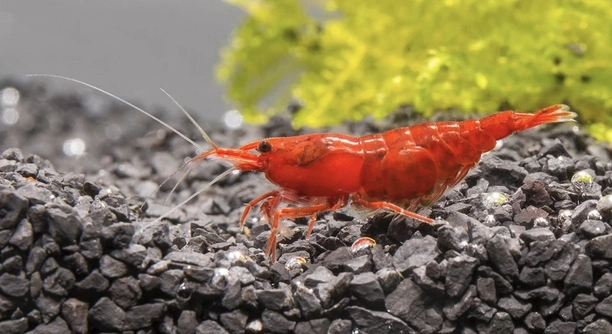
Have you ever watched shrimp in an aquarium and noticed how they move when the water shifts? These small creatures can respond to changes in their environment in surprising ways that are worth exploring.
Shrimp possess sensory hairs and specialized organs that detect sudden water movement. These adaptations allow them to react quickly, often swimming away or adjusting their position, which helps them avoid predators and maintain balance in their habitat.
Observing shrimp behavior reveals more than just simple reactions; it shows the complexity of their interaction with the surrounding environment.
How Shrimp Sense Water Movement
Shrimp have tiny hairs on their bodies called setae that are highly sensitive to vibrations in the water. These hairs can detect small changes in flow or sudden disturbances caused by other animals or objects. When the water shifts quickly, the sensory hairs send signals to the shrimp’s nervous system, allowing them to respond almost instantly. Their antennae also play an important role, helping them gauge the direction and intensity of the movement. This combination of sensors allows shrimp to react effectively, whether that means swimming away, hiding, or adjusting their body position. In aquariums, even slight movements from a hand or nearby fish can trigger these responses. Observing these behaviors helps understand how shrimp survive in natural environments where water currents and predator presence constantly challenge them. Their reactions are not random but highly coordinated, showing how finely tuned their sensory systems are to changes in their surroundings.
Shrimp rely on both setae and antennae to detect movement, which allows them to respond quickly and maintain safety.
This sensory system is crucial for survival. Sudden water movement can indicate danger, such as a predator approaching, or signal changes in the environment that may affect feeding or shelter. By responding promptly, shrimp can reduce the risk of injury and improve their chances of finding food and safety. The way they adjust swimming speed or direction based on detected vibrations shows a sophisticated method of interaction with the environment. Even in calm water, shrimp remain alert, constantly monitoring subtle changes. These adaptations have evolved over millions of years, allowing shrimp to thrive in both still and turbulent habitats. Understanding their responses can also guide aquarium care, helping ensure conditions mimic natural stimuli to keep shrimp active and healthy.
Common Triggers for Shrimp Movement
Water currents, nearby fish, and sudden drops or waves can make shrimp react quickly. Even small disturbances are noticeable to them.
Sudden water movement often comes from environmental factors like waves, water flow from filtration systems, or the movement of larger animals. Shrimp detect these changes and respond instinctively to protect themselves. Their reactions can include darting to a hiding spot, curling their bodies, or using rapid tail flicks to swim away. Observing these behaviors highlights the shrimp’s alertness and adaptability. In tanks, understanding triggers helps maintain a stable environment that reduces stress. Natural cues also play a role in feeding and mating behaviors. Their sensitivity ensures they remain aware of potential threats, while also allowing them to explore or interact with food safely. Over time, shrimp may learn which movements are harmless and which require a quick escape, showing a balance between instinct and adaptation that supports their survival.
Reflexes and Escape Responses
Shrimp react to sudden water movement with fast, automatic responses. These reflexes allow them to quickly swim away or hide, reducing the risk of being caught by predators or swept into unsafe areas. Their escape actions are precise and efficient.
The escape reflex in shrimp involves a rapid tail flick called the caridoid escape reaction. When sensors detect sudden movement, the shrimp flexes its abdomen and tail, propelling itself backward at high speed. This reaction is almost instantaneous and helps them avoid danger before a predator can strike. The reflex is controlled by specialized neurons that transmit signals quickly, ensuring an immediate response. In addition to tail flicks, shrimp may also change body orientation or hide among plants and rocks. These responses are consistent across many species, showing the importance of rapid action for survival. Their nervous system is finely tuned to detect even minor disturbances in water flow.
Shrimp escape responses are influenced by environmental conditions, such as water clarity, temperature, and the presence of obstacles. In a tank or natural habitat, these factors affect how quickly and effectively shrimp react. Even small changes in water movement can trigger different responses. Observing shrimp in different conditions reveals how adaptable they are. Their reflexes balance caution with the need to explore and feed, ensuring survival while allowing interaction with their surroundings. Over time, shrimp may also recognize repeated harmless movements and adjust their reactions, showing a mix of instinct and learned behavior in response to water disturbances.
Environmental Factors Affecting Sensitivity
Water temperature, clarity, and flow patterns play an important role in shrimp sensitivity. Changes in these factors can make shrimp more or less reactive to sudden movement. Maintaining stable conditions helps them feel secure.
Shrimp sensitivity is closely tied to their environment. Water that is too warm or too cold can slow their reflexes, making them less responsive to sudden disturbances. High levels of debris or murky water may interfere with their sensory hairs, reducing their ability to detect subtle vibrations. Conversely, gentle currents and clear water allow shrimp to sense and respond efficiently, keeping them alert to potential threats. Seasonal changes in natural habitats also affect shrimp behavior, as variations in temperature and flow influence feeding, mating, and hiding patterns. In aquariums, consistent water conditions reduce stress and support normal reactions to movement. Environmental stability is crucial for shrimp health, ensuring their sensory systems function optimally.
Learning from Repeated Stimuli
Shrimp can adjust their reactions when exposed to repeated water movements. Over time, they may react less strongly to harmless disturbances while remaining alert to real threats. This shows a simple form of learning in their behavior.
Repeated exposure helps shrimp conserve energy. Instead of reacting to every minor ripple, they learn to ignore movements that pose no danger. This adaptation allows them to focus on feeding and exploring without unnecessary stress.
Interaction with Tank Mates
Shrimp movements are influenced by the presence of other animals. Fish, snails, and other shrimp can create water disturbances that trigger reactions. Their behavior adapts to the activity around them, balancing caution and social interaction.
Impacts on Feeding Behavior
Sudden water movement can temporarily interrupt feeding. Shrimp often pause or move to safer areas until the disturbance settles.
Observing Shrimp in Natural Habitats
In rivers, streams, and coastal areas, shrimp respond to currents, waves, and nearby animals. Watching them shows how finely tuned their responses are to changes in water movement, helping them survive in dynamic environments.
FAQ
How quickly can shrimp respond to sudden water movement?
Shrimp can react almost instantly to changes in water. Their sensory hairs and antennae detect vibrations and currents, sending signals to the nervous system within milliseconds. This fast response allows them to escape predators, avoid collisions, or adjust their position before the disturbance becomes dangerous. Their speed is a result of evolutionary adaptation, ensuring survival in environments where water movement is unpredictable. Even in calm tanks, shrimp maintain this alertness, ready to react to nearby fish, hands, or equipment that cause sudden shifts in water. Observing this behavior highlights how sensitive and well-adapted their sensory system is.
Do all shrimp species respond the same way to water movement?
Not all shrimp react identically. Some species that live in calm waters may have less pronounced escape responses, while species in fast-flowing rivers or coastal areas tend to have stronger reflexes. Size, habitat, and lifestyle affect their sensitivity. Social shrimp that live in groups may also respond differently, as they rely partly on observing others for cues. Environmental conditions like water clarity, temperature, and obstacles can further influence how each shrimp reacts. Even within a single species, individuals may vary slightly in their reactions depending on experience, age, and overall health.
Can shrimp get used to repeated disturbances?
Yes, shrimp show a form of habituation. When exposed to non-threatening movements repeatedly, they may reduce the intensity of their reactions. This helps conserve energy, allowing them to focus on feeding, exploring, or interacting with other shrimp rather than responding to harmless disturbances. Habituation also demonstrates that shrimp behavior is not purely instinctive; they can learn from repeated experiences. In aquarium settings, this can be seen when shrimp gradually ignore water movements from frequent filter currents or hand movements, while still reacting quickly to sudden or stronger disturbances.
How do environmental factors affect shrimp sensitivity?
Temperature, water clarity, and current patterns all impact how shrimp respond. Colder or warmer water can slow reflexes, while murky water may reduce the effectiveness of sensory hairs. Currents and turbulence in natural habitats or tanks influence their alertness and movement patterns. Consistent, stable conditions help shrimp maintain normal responses. Sudden changes in water chemistry or temperature can stress shrimp, making them either overreactive or sluggish. Observing shrimp under different conditions reveals how finely tuned they are to their surroundings, and how environmental factors can enhance or hinder their natural ability to detect movement.
Do shrimp react to other animals in the tank?
Shrimp are highly aware of other tank inhabitants. Fish, snails, and even other shrimp can create water vibrations that trigger escape reactions. Their movement is influenced by the activity around them, and they often respond by hiding or swimming away to avoid potential threats. Social interactions also play a role; some shrimp learn to follow cues from group members, reacting only when others indicate danger. Understanding this behavior helps in arranging aquariums so shrimp feel secure while still having opportunities to feed and explore safely without constant stress.
Can sudden water movement stress shrimp?
Yes, frequent or intense disturbances can cause stress. Stress may reduce feeding, increase hiding behavior, or make shrimp more prone to disease. Maintaining a calm, stable environment with gentle currents and minimal sudden movements is important for their health. Stress can accumulate if shrimp are exposed to repeated disturbances, such as strong filter currents or large, active tank mates, leading to long-term effects on growth and behavior. Observing shrimp reactions allows caretakers to adjust the tank setup, ensuring both their safety and well-being.
Is there a way to test how sensitive shrimp are to movement?
Sensitivity can be observed by introducing small, controlled water movements and watching reactions. Using a gentle hand wave or adjusting filter flow allows caretakers to see how quickly shrimp respond and how far they move to avoid the disturbance. Recording their behavior over time helps understand individual differences and species-specific responses. It also provides insight into their comfort levels in different areas of the tank, highlighting preferred hiding spots and safe zones. Testing in this way should be done carefully to avoid stressing the shrimp, ensuring observations reflect natural reactions rather than fear responses.
Why do shrimp sometimes freeze instead of swimming away?
Freezing is another defense mechanism. Instead of swimming, shrimp may stay still to avoid detection by predators. This behavior often occurs when movement could attract more attention or when escape options are limited. Freezing reduces visibility and allows them to assess the situation before acting. It is a deliberate, protective response rather than a failure to react. In aquariums, freezing can also occur when shrimp encounter unfamiliar objects or sudden light changes, showing how sensitive they are to environmental cues beyond water movement. Observing this behavior provides insight into their decision-making process under perceived threat.
How do shrimp use their antennae during sudden water movement?
Antennae help shrimp detect direction and intensity of water changes. They work alongside sensory hairs to give a complete picture of the disturbance. By interpreting signals from both, shrimp decide whether to swim, hide, or remain still. Antennae also help them navigate safely around obstacles while escaping, ensuring precise movements and minimizing collisions. These tools are essential for both survival in natural habitats and normal behavior in captivity, showing how shrimp integrate multiple senses to respond efficiently to environmental changes.
Can shrimp teach us about aquatic reflexes?
Yes, shrimp are excellent examples of simple yet effective aquatic reflexes. Their quick responses to water movement illustrate how sensory input translates to survival behavior. Studying shrimp can inform research on neural pathways, reflex efficiency, and adaptations to environmental changes. Observing these small creatures provides a clear picture of instinctive behavior shaped by millions of years of evolution. Their reactions combine speed, precision, and adaptability, offering insight into the balance between instinct and environmental learning in aquatic species. Shrimp reflexes demonstrate the intricate ways even tiny animals manage to survive in dynamic and often challenging water conditions.
Shrimp are small creatures with surprisingly complex ways of reacting to their environment. Their ability to sense sudden water movement is a key part of how they survive. Tiny sensory hairs and antennae allow them to detect even small changes in water flow, helping them avoid potential dangers. These movements are not random; they are carefully coordinated actions that allow shrimp to stay safe while navigating their surroundings. Observing shrimp behavior shows how finely tuned their bodies are to environmental cues. Even in an aquarium, where conditions are controlled, shrimp remain alert to changes caused by other animals, equipment, or people moving near the tank. Their responses are immediate and precise, showing how important these reflexes are for survival.
Shrimp also demonstrate a level of adaptability in how they respond to repeated or harmless disturbances. Over time, they may react less intensely to movements that do not pose a threat, conserving energy and allowing themselves to focus on feeding or exploring. This simple form of learning shows that their behavior is influenced by experience, not just instinct. Environmental factors such as water temperature, clarity, and current patterns play an important role in their reactions. Stable conditions help shrimp respond efficiently, while sudden changes can cause stress or slower reactions. Understanding these factors is valuable for maintaining shrimp in captivity and for observing them in natural habitats. Careful attention to their environment ensures they remain healthy, active, and capable of responding to real threats.
Overall, shrimp are remarkable in the way they sense and react to water movement. Their reflexes, learning abilities, and sensitivity to environmental conditions highlight the complexity of their behavior despite their small size. Watching them move, hide, or adjust to water disturbances provides insight into their survival strategies and how they interact with the world around them. Whether in rivers, coastal areas, or home aquariums, shrimp reactions are consistent and reliable, shaped by evolution to protect them from harm. Paying attention to these behaviors not only helps us better care for them but also deepens our appreciation for the subtle ways even small aquatic creatures interact with their environment. Observing shrimp can remind us that survival relies on both instinct and adaptability, and that even tiny animals have intricate behaviors worth understanding.

Hello,
If you enjoy the content that we create, please consider saying a "Thank You!" by leaving a tip.
Every little bit helps us continue crafting quality advice that supports the health, happiness, and well-being of pets around the world, for pets of all shapes, sizes, and species.
We really appreciate the kindness and support that you show us!