
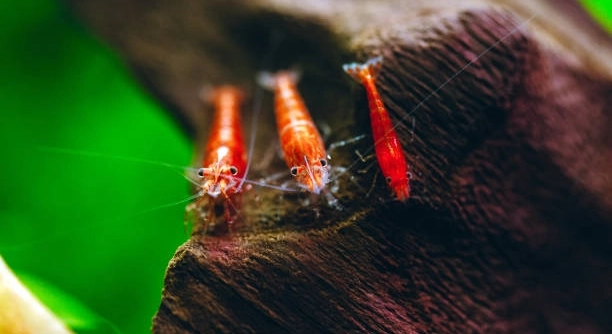
Cherry shrimp are small, delicate creatures that live in freshwater tanks. Their behavior is influenced by many environmental factors, including the lighting in their habitat. Observing how they react to light can help improve their care.
Cherry shrimp avoid certain lighting setups because intense or poorly positioned lights can stress them. Excessive brightness alters their natural activity patterns, causes hiding behavior, and may even affect feeding and molting, leading to overall health decline in the aquarium.
Understanding how light affects these shrimp is important for maintaining a balanced and comfortable tank environment for them. Proper lighting can make a noticeable difference in their wellbeing.
How Brightness Affects Cherry Shrimp
Cherry shrimp are sensitive to bright lights because their natural habitat is shaded and calm. When aquarium lights are too strong, they often hide in plants or decorations, reducing their activity. Bright lighting can also disrupt their feeding patterns, making them eat less or at irregular times. Over time, constant exposure to intense light may stress the shrimp, which can affect their growth and molting. Some shrimp might even lose color or appear less active when lights are not adjusted properly. Using dimmer lights or placing shading elements in the tank can create a more comfortable environment. Positioning lights to avoid direct exposure and providing plenty of hiding spots will encourage natural behavior. Observing how the shrimp respond during different times of day can guide lighting adjustments. Overall, balanced brightness is key to supporting their health and maintaining visible, active shrimp in your tank.
Maintaining moderate light encourages natural behavior and prevents stress, helping shrimp remain active and healthy.
A well-lit tank does not mean harsh lights. Cherry shrimp respond better to gentle, filtered illumination. Soft, indirect lighting helps them explore the tank safely. Adding floating plants or moss can diffuse light naturally, creating shaded areas. Some shrimp prefer to graze in low-light zones, while others may venture into brighter sections only briefly. Adjusting lighting gradually rather than abruptly allows shrimp to adapt without fear. Lights on timers can mimic day-night cycles, supporting natural rhythms. Watching shrimp activity helps identify if adjustments are needed, making them more comfortable. Proper lighting supports coloration, feeding, and overall tank dynamics. By considering how brightness impacts behavior, it becomes easier to design a space that keeps shrimp active, healthy, and visually appealing. Careful attention to light intensity and placement will result in a balanced environment that promotes natural behavior and reduces stress over time.
Color Spectrum and Shrimp Comfort
Different colors of light influence shrimp behavior and activity. Some wavelengths are more soothing and less likely to cause stress.
Red and blue light are often easier for shrimp to tolerate than harsh white lights. Red lighting provides a calm environment, making shrimp more visible without overwhelming them. Blue light can mimic natural water conditions, supporting their comfort and normal activity. Using full-spectrum lights sparingly during the day helps maintain natural behaviors while avoiding overstimulation.
Light color affects perception, feeding, and interaction. White or overly bright lighting can cause hiding and stress, while softer hues promote exploration. Adjusting the spectrum according to shrimp preference encourages movement and feeding. Combining gentle reds or blues with shaded areas lets shrimp choose where to be. Observing their response over time ensures the lighting setup meets their needs. Overly intense or mismatched colors can suppress activity, while balanced lighting supports overall wellbeing. Soft illumination enhances natural coloring, making shrimp look healthier and more vibrant. Carefully selecting and managing light spectrum can improve shrimp comfort, encourage natural grazing, and reduce stress. It also enhances the tank’s aesthetic, creating a calm and visually appealing habitat. Monitoring shrimp behavior under different light colors allows gradual adjustments, ensuring optimal conditions. Proper attention to light spectrum promotes growth, molting, and social behavior, leading to a thriving and active shrimp population.
Tank Placement and Lighting
The location of your tank impacts how shrimp react to light. Placing a tank near direct sunlight or bright room lights can stress them, while a shaded or carefully lit area encourages natural activity.
Tank placement matters because external light sources can intensify brightness inside. Sunlight through a window can create hot spots, raising water temperature and producing glare that makes shrimp hide. Even ceiling lights can be too strong if they shine directly on the tank. Positioning the aquarium away from intense light, or using blinds and curtains, helps control exposure. Adjusting overhead lighting to a lower intensity and adding floating plants or moss creates shaded zones. These areas allow shrimp to retreat if lights become uncomfortable. Monitoring behavior after changing tank location ensures the shrimp remain active and visible. Balanced placement prevents stress, supports normal feeding, and helps maintain their natural color.
Observation is key. Even minor shifts in tank location can change light patterns and shrimp comfort. Watching their reactions over several days ensures the environment suits their needs.
Light Timing and Routine
Consistent lighting schedules support shrimp health and reduce stress. Turning lights on and off at predictable times helps them establish natural rhythms.
Gradually introducing light in the morning prevents sudden brightness that can startle shrimp. Similarly, dimming lights before turning them off at night allows shrimp to adjust. Using timers ensures a steady routine and reduces human error, making the tank environment more predictable. Consistent cycles support molting, feeding, and overall activity, allowing shrimp to behave naturally. Sudden changes or irregular lighting can increase hiding and reduce grazing.
Routine impacts overall tank dynamics. Light cycles should mimic day and night, giving shrimp shaded areas to rest. Avoid keeping lights on for extended periods, as prolonged exposure increases stress and can encourage algae growth, affecting water quality. Combining timers with soft light intensity and shaded zones creates an environment that promotes healthy behavior. Monitoring shrimp responses to changes in timing allows fine-tuning of light schedules. Regular, predictable cycles help maintain active shrimp, supporting growth, feeding patterns, and natural interaction, while preventing stress-related hiding and color loss.
Light Intensity Adjustments
Adjusting light intensity gradually prevents shrimp from becoming stressed. Sudden changes can trigger hiding behavior and reduce their activity.
Using dimmers or layering plants allows for control over brightness. Creating soft, shaded areas gives shrimp choices and encourages normal grazing and movement throughout the tank.
Avoiding Direct Sunlight
Direct sunlight increases water temperature and creates bright spots that shrimp dislike. Overexposure can stress them and affect feeding.
Placing the tank away from windows or using blinds helps maintain a stable environment. Controlled lighting supports healthy behavior, encourages exploration, and reduces the risk of stress-related issues among shrimp.
Using Floating Plants
Floating plants help diffuse light and create shaded zones in the tank. Shrimp use these areas to feel safe.
Soft, indirect lighting makes shrimp more comfortable, supporting normal activity and grazing while reducing hiding. Floating plants also improve tank aesthetics.
FAQ
Why do cherry shrimp hide under certain lights?
Cherry shrimp are naturally cautious and sensitive to bright or harsh lighting. Excessive light makes them feel exposed, triggering hiding behavior. Providing shaded areas or softer lighting allows them to feel secure while still maintaining visibility and natural activity throughout the tank.
Can I use bright LED lights safely?
Bright LEDs can be used if adjusted properly. Using dimmers, timers, or diffusers helps control intensity. Combining direct light with shaded zones lets shrimp choose their preferred spots. Gradual exposure rather than sudden changes reduces stress and encourages normal behavior.
How long should lights be on each day?
A consistent cycle of 8 to 10 hours usually works well. Timers are useful to maintain routine, which supports feeding, molting, and activity patterns. Avoid keeping lights on for extended periods, as this can stress shrimp and promote excessive algae growth.
Do colored lights affect shrimp differently?
Yes, red and blue lights are generally easier for shrimp to tolerate than bright white lights. Red light creates a calm environment, while blue light mimics natural water conditions. Using softer colors helps shrimp remain visible and active without feeling stressed.
Can floating plants help with lighting issues?
Floating plants diffuse light naturally and create shaded areas. Shrimp use these zones to rest and feel safe. Plants also provide grazing surfaces and contribute to a balanced tank environment, improving overall shrimp comfort and activity.
Will sudden light changes harm shrimp?
Sudden changes in light intensity or spectrum can cause stress. Shrimp may hide excessively, reduce feeding, or become less active. Gradual adjustments and careful observation help them adapt without negative effects.
Does tank location matter for light exposure?
Yes, placing the tank near direct sunlight or strong room lights can increase brightness and heat. Positioning the tank in a shaded or controlled lighting area ensures a stable environment and supports normal shrimp behavior.
How can I tell if the lighting is too much?
Shrimp hiding constantly, reduced feeding, or fading coloration are signs of excessive light. Monitoring behavior throughout the day helps identify issues, allowing adjustments to intensity, placement, or timing to improve comfort.
Do shrimp prefer day-night cycles like fish?
Yes, they respond well to predictable light schedules. Mimicking natural day-night cycles supports activity, molting, and feeding. Timers or gradual dimming can help replicate these cycles without sudden light changes.
Is it okay to combine different types of lights?
Combining lights can work if done carefully. Mixing softer LEDs with indirect ambient lighting helps maintain visibility and comfort. Ensuring shaded areas are available prevents overstimulation and promotes natural behavior.
How does light affect shrimp coloration?
Proper lighting enhances natural color. Overly bright or poorly positioned light can cause fading or stress-related color loss. Balanced intensity and spectrum, combined with shaded zones, help shrimp display vibrant coloration consistently.
Can poor lighting affect shrimp molting?
Yes, stress from intense light may interfere with molting. Shrimp require calm, comfortable environments for successful molting. Gradual light exposure, shaded areas, and consistent routines reduce stress and support healthy molting cycles.
What is the simplest way to improve shrimp comfort with lighting?
Control light intensity, provide shaded zones, and maintain a consistent schedule. Floating plants, indirect light, and gradual adjustments create an environment that encourages activity, normal feeding, and reduced hiding behavior.
How often should I adjust lighting for shrimp?
Adjust only when needed based on observation. Changes should be gradual. Frequent or abrupt alterations can stress shrimp, while carefully monitored adjustments maintain comfort, natural behavior, and overall tank balance.
Are there signs that lighting is optimal?
Active grazing, bright coloration, normal molting, and occasional exploration in shaded and lit areas indicate comfortable lighting. Observing shrimp behavior regularly ensures the setup meets their needs without causing stress.
Cherry shrimp are small, delicate creatures that respond strongly to their environment. Lighting plays a key role in their behavior, health, and overall comfort. Too much brightness or poorly positioned lights can cause stress, hiding, and reduced activity. They naturally prefer shaded areas, soft light, and gradual changes in illumination. By paying attention to how they react, it is possible to create a more comfortable habitat that supports normal behavior and healthy growth. Observing the shrimp throughout the day provides insight into what lighting conditions work best.
Proper tank lighting is not only about making the shrimp visible; it directly affects their wellbeing. Bright or harsh lights can trigger stress responses, reducing feeding and slowing growth. On the other hand, softer lights, diffused by floating plants or other decorations, give shrimp a choice of where to be. Timers and dimmers can help maintain a consistent schedule that mimics natural day-night cycles. This predictability supports normal activity, molting, and grazing patterns. Using colored lights such as red or blue can further enhance comfort without overwhelming them. A carefully managed setup benefits both the shrimp and the overall look of the tank.
Creating an ideal lighting environment requires attention to detail and patience. Tank placement, intensity, timing, and spectrum all influence how shrimp feel and behave. Providing shaded areas, consistent schedules, and gentle light adjustments allows shrimp to explore freely while reducing stress. Over time, these small changes lead to healthier, more active shrimp with brighter coloration and normal behavior. Observing their reactions and adjusting as needed ensures the tank remains balanced and supportive. By understanding how lighting affects cherry shrimp, it becomes easier to maintain a thriving and harmonious aquatic habitat that keeps the shrimp comfortable and active.

Hello,
If you enjoy the content that we create, please consider saying a "Thank You!" by leaving a tip.
Every little bit helps us continue crafting quality advice that supports the health, happiness, and well-being of pets around the world, for pets of all shapes, sizes, and species.
We really appreciate the kindness and support that you show us!